I’ll never forget one particular Saturday. I’d done everything the “right” way. I’d cleared my calendar, set my intentions, journaled in the morning, lit a few candles, and even put on my favorite playlist that usually gets me into the mood for reflection. I took the dose, sat back on the couch, and waited for something to unfold. A breakthrough, a release, maybe even a little magic. But instead? I ended up doing laundry. Literally—folding socks and muttering under my breath about how annoying it is when the dryer eats one of them. No colors. No visions. No downloads. Just… laundry.
At first, I felt embarrassed. Wasn’t this supposed to be profound? Wasn’t I supposed to be crying about my childhood or communing with the universe or at least seeing some kind of shimmer in the air? I couldn’t help but feel like I’d done something wrong or, worse, that maybe psychedelics just didn’t “work” on me. It was humbling, and if I’m honest, a little disappointing. But as time went on, I started realizing something important: these moments happen to a lot of people.
Sometimes the psychedelic experience isn’t fireworks or revelations. Sometimes it’s silence, flatness, or even boredom. And maybe that’s not failure—maybe that’s part of the medicine too. This article is for those moments, the ones where you feel like nothing’s happening and you’re left wondering, “What gives?”
🍄 Find out what to do when your mushroom trip doesn’t take off and why the missing magic might actually be pointing back at you
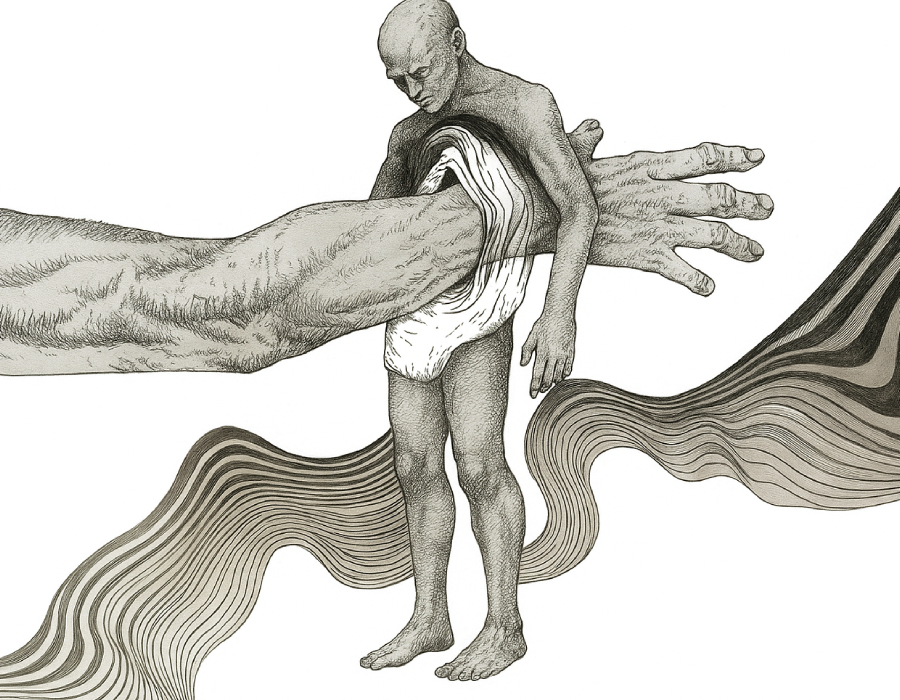
Let’s Talk About Expectations—Because They Can Totally Get in the Way
One of the biggest reasons psychedelics sometimes feel like they’re not working is because we walk into them carrying a suitcase full of expectations. We’ve read the stories, seen the documentaries, scrolled through endless Reddit threads of people describing wild visuals or life-changing insights. So naturally, we expect our journey to look like theirs.
The truth? Over-preparing or gripping too tightly to what you want can actually shut the door on what the experience is offering. Psychedelics aren’t like ordering takeout—you can’t just choose your result from a menu. If you’re chasing a specific outcome, like “I’ll finally heal this trauma today” or “I’ll get the creative spark I’ve been missing,” you might miss the quieter, subtler ways the medicine is trying to reach you.
Sometimes the most profound experiences are anticlimactic in the moment. Healing isn’t always dramatic; it can be as ordinary as realizing you did laundry without spiraling into anxiety, or that you felt neutral instead of heavy. Not every trip is meant to crack you open—some are simply meant to hold you where you are.
Dose, Body Chemistry, and All the Invisible Stuff You Can’t See
Of course, sometimes it really does come down to the physical side of things. Our bodies are unique ecosystems, and psychedelics don’t land the same way for everyone. Two people can take the exact same dose of psilocybin, and one might be swimming in kaleidoscopic visions while the other feels barely a tingle.
There are so many factors at play. Your metabolism, your hormone levels, how much sleep you’ve had, even what you ate that day—all of it matters. Medications, especially SSRIs, can mute or completely block the effects of psilocybin and other psychedelics. Stress hormones like cortisol can dampen the ability to drop in. And sometimes it’s as simple as the dose being too low or the mushrooms not being stored properly and losing potency over time.
It’s frustrating, sure, but it doesn’t mean your body is broken or incapable of receiving the experience. It just means the conditions weren’t aligned this time. Psychedelics are sensitive to context, and your physiology is a huge part of that context.
🍄 Discover when to speak and when to stay silent during a psychedelic trip and how each choice can shape your journey

Microdosing: Why Feeling “Nothing” Might Actually Be the Point
Let’s talk about microdosing specifically, because this is where so many people get caught in the “nothing’s happening” loop. Microdosing isn’t supposed to knock you off your feet. It’s not about fireworks or hallucinations. If anything, the best microdosing days feel so normal that you don’t even notice what shifted until you look back.
The biggest myth about microdosing is that it’s a shortcut to constant creativity, bliss, or focus. The truth is, it’s a practice. It often takes consistency over weeks or even months to start seeing subtle shifts. And those shifts might show up in unexpected ways—like realizing you’re less reactive during an argument, or that you actually enjoyed a walk outside instead of rushing through it.
If you’re waiting for obvious signs, you might miss what’s unfolding in the background. That’s why journaling can be so important. By tracking your mood, thoughts, and experiences over time, you create a record of small changes that add up. Without that, it’s easy to assume nothing’s happening, when really the medicine is working gently and quietly.
The “Delayed Release” Effect: When Insights Come Later
Here’s a fascinating thing: some journeys that feel flat in the moment end up delivering their gifts days or even weeks later. This is what some people call the “delayed release” effect. You might feel like nothing happened during your session, only to find yourself responding differently to life later on.
Maybe you suddenly handle stress with more grace. Maybe a creative idea drops in out of nowhere. Maybe an old memory bubbles up with a new perspective attached. It can take time for the brain and psyche to process what happened under the surface. Just because you didn’t feel an immediate download doesn’t mean nothing shifted.
In fact, some researchers, including James Fadiman, have noted in microdosing studies that participants often only realize the benefits in hindsight. It’s like planting seeds—you don’t see sprouts the next day, but that doesn’t mean nothing is growing.
Check out this magic mushroom!!

A.P.E Psilocybin Chocolate Bar
$60.00Dried Penis Envy Magic Mushrooms
Price range: $60.00 through $240.00Golden Teacher Gummies for Microdosing
$25.00



Redefining What It Means for Psychedelics to “Work”
So, what does it actually mean for psychedelics to “work”? That’s the real question here. Too often, we define “working” as giving us a big, dramatic experience. But what if the medicine is working in quieter, less flashy ways?
Healing doesn’t always come with a bang. Sometimes it’s anticlimactic. Sometimes it’s the absence of anxiety, the stillness where chaos used to be, or the softening of a trigger. Psychedelics don’t always give us what we want—they give us what we need. And what we need isn’t always comfortable or exciting.
If you walk away thinking, “That was boring,” consider this: maybe the medicine is teaching you how to sit with boredom, how to accept stillness, or how to find meaning without constant stimulation. That’s not failure. That’s growth in disguise.
The Basics Are Worth Double-Checking (Even When You Think You Know Them)
Before you write off an experience as a dud, it’s always worth revisiting the basics. Was the dosage appropriate? Was the substance fresh and stored properly? Did you take it on an empty stomach? Were there distractions in your environment pulling you out of presence? Were you on medications that might blunt the effects?
Sometimes the simplest explanations are the right ones. Dried magic mushrooms that have sat in a drawer for months can lose potency. Eating a heavy meal right before dosing can slow or dampen the absorption. Even being too wired from caffeine or lack of sleep can interfere with how the experience lands.
Set and setting matter just as much. If your environment isn’t truly supportive—if you feel unsafe, stressed, or distracted—that can block the experience. Psychedelics are amplifiers, and if what they’re amplifying is chaos, the result might feel like… well, nothing.
🍄 Find out why your microdosing routine might not be hitting the mark and how to adjust it for better results

Sitting With the Nothingness Instead of Rushing to Fix It
Here’s where it gets real: what if the “nothingness” is actually the point? We’re so used to chasing stimulation that when nothing happens, we panic or assume something went wrong. But stillness can be fertile ground.
Sometimes the medicine is inviting you to sit with the discomfort of emptiness, to notice what arises when there’s no big distraction. That can be one of the hardest lessons—learning to accept nothing as enough.
The instinct might be to immediately re-dose, to try again, to push harder. But more often than not, that urgency comes from ego, not intuition. The wiser move is to let the experience breathe, to give it time to integrate before deciding it “didn’t work.”
Tracking Patterns Over Time Instead of Obsessing Over One Session
Especially with microdosing, it’s crucial to zoom out and look at patterns instead of hyper-focusing on one day. One “nothing” day doesn’t mean the whole practice is pointless. In fact, when you track your journey over weeks or months, you might realize that subtle but meaningful shifts are happening in the background.
Are you sleeping better? Are your moods more stable? Do you feel more connected in your relationships? Do you find yourself reaching for healthier choices without forcing it? These are all signs the medicine is working, even if it doesn’t look dramatic in the moment.
This is why so many protocols, like Fadiman’s, emphasize consistency and reflection. Without that longer view, it’s easy to assume failure when really you’re just in the middle of a process.
The Role of Ego Resistance and the Default Mode Network
There’s also the neuroscience piece, which helps explain why sometimes nothing happens. The Default Mode Network (DMN) is the part of the brain that holds your sense of self—the ego voice that runs the show. Psychedelics are known to quiet this network, allowing new perspectives to emerge. But sometimes the ego resists. It clings tighter, unwilling to surrender, and the result can feel like a flat or blocked experience.
That doesn’t mean nothing happened. It might mean your system wasn’t ready to let go yet, or that the medicine was working beneath the surface in ways you can’t see. Think of it as the tide pulling back before the next wave. Resistance is part of the process too.
Maybe the Medicine Did Work—You Just Haven’t Heard the Message Yet
So here’s the reframe I’ve come to love: maybe the medicine did work, even if you don’t feel it right now. Maybe the silence was part of the ceremony. Maybe the lesson is about patience, about trust, about letting go of the need to control or measure everything.
Not all growth makes noise. Sometimes it’s soft, subtle, invisible. Sometimes it looks like doing laundry instead of seeing visions. And that’s okay. Psychedelics aren’t here to perform on command—they’re here to meet you where you are. Trust the process, stay curious, and remember: even when it feels like nothing’s happening, something might be unfolding beneath the surface.
🍄 Discover why microdosing alone won’t transform your life and the key steps you need to actually make it work

If You’re Ready, Take the Next Step Today with Magic Mush Canada
We’ve gone on quite the journey in this article, exploring how magic mushrooms can transform mental health, enhance personal growth, and offer new ways of healing. From understanding how psilocybin works in the brain, to uncovering its therapeutic potential for depression, anxiety, and even addiction, it’s clear that these little fungi are much more than just a trend. They’re a doorway into self-discovery, balance, and a different way of approaching wellness.
What stands out most is the way mushrooms can open up possibilities where other methods sometimes fall short. The science is catching up with what many have felt for years: psilocybin, when used responsibly, has the power to bring real change. And with more people seeking natural alternatives and deeper healing, now is the perfect time to explore these benefits in a safe, trusted environment.
This is where Magic Mush Canada really shines. If you’ve ever thought about trying chocolate mushrooms but weren’t sure where to start, they make the whole process simple and approachable. Think of them as that reliable friend who’s always got your back — they’ve got the quality products, the knowledge, and the support to help you feel confident on your journey. Honestly, I’d recommend them to anyone curious about mushrooms because they just make it easy and safe to explore.
What I love most about Magic Mush Canada is that it doesn’t feel like you’re just buying a product — you’re joining a community. They’re not just about selling shrooms; they’re about breaking down the stigma, sharing education, and making sure you feel comfortable and informed every step of the way. Plus, their site is seamless to shop from, everything is tested for quality, and your privacy is always respected. It feels like you’re dealing with people who actually care.
So if you’re ready to take that next step, I can’t recommend Magic Mush Canada enough. Whether you’re curious about microdosing, looking for a deeper trip, or just want to learn more, they’ve got everything you need. Give them a try — I promise, you’ll see why so many people trust them as their go-to source for magic mushrooms in Canada.