When I first learned how to microdose, I thought I was unlocking a secret shortcut to clarity. I had read all the glowing testimonials online—people breaking out of depression, reconnecting with their creativity, finally feeling aligned and alive. I was excited, maybe even a little desperate, to feel some kind of shift. I wanted to believe that these tiny doses of psilocybin would quietly but powerfully reshape my inner world, like magic working behind the scenes.
So I followed the basic protocol. I took my capsule every third day, just like the charts said. I noticed subtle things at first—a little more calm in the morning, a bit more ease in conversation, some softened edges around my anxiety. But overall? My life didn’t change. I still procrastinated. I still spiraled in self-doubt. I still reached for my phone every time I got uncomfortable. And after about two months, the hope started to fade into frustration.
I remember sitting at my kitchen table one morning, microdosed and sipping coffee, waiting for the insight to arrive. It didn’t. What came instead was a quiet but sharp realization: this isn’t going to work unless I do. The mushrooms weren’t broken—I was missing the point. They weren’t here to do the heavy lifting for me. They were opening a door, and I had been standing at the threshold, hoping the view would be enough to change my life.
That moment cracked something open. I started to get honest with myself about the habits I was avoiding, the choices I was afraid to make, and the ways I was outsourcing responsibility to the substance. So I made a small shift. I started journaling after every dose—not long, just a few lines. I set a tiny intention each week. I stopped expecting microdosing to fix me and started using it to support me. And that’s when everything began to change.
This article is for anyone who’s been hoping microdosing would deliver a breakthrough, only to find themselves waiting and wondering why it’s not working. The truth is, microdosing isn’t magic—it’s momentum. It creates a window, a softening, a heightened awareness. But if you want real, sustainable change, you’ve got to engage with that window. You’ve got to show up with intention, with action, and with the willingness to meet the medicine halfway.
Let’s explore what microdosing can do, what it can’t do on its own, and how you can build a relationship with the practice that actually supports transformation. Because the mushrooms might open the door—but only you can walk through it.
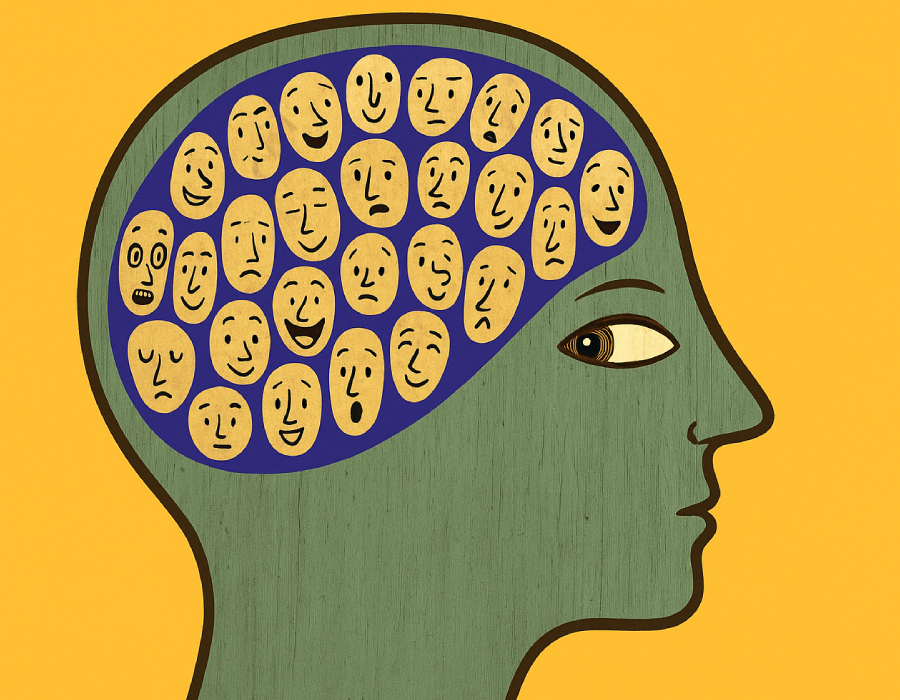
If staying focused feels harder than it used to, this explores how psilocybin microdosing can help bring clarity back
What Microdosing Can and Can’t Do
Let’s be real: microdosing is powerful. It can sharpen your focus, boost creativity, enhance mood, and make you more emotionally aware. It softens the edges of your usual thought patterns and opens space for new perspectives. Neurologically, it activates serotonin receptors—specifically the 5-HT2A receptor—and boosts brain-derived neurotrophic factor (BDNF), which supports neuroplasticity, or the brain’s ability to rewire itself. That’s big.
But here’s the catch: the rewiring doesn’t happen automatically. Microdosing gives your brain the opportunity to change, but it doesn’t dictate the direction of that change. If you keep living the same way—same thoughts, same habits, same emotional reactions—your brain doesn’t have new material to work with. In other words, microdosing opens the window. You still have to climb through it.
This is where intention, structure, and action come in. If you’re hoping microdosing will solve your problems without participation, you’ll likely end up frustrated. The real transformation happens when you engage with the process—not just the product.
I wrote this to make microdosing feel less intimidating—and way more approachable.
Awareness Isn’t Enough—You Need Action
One of the biggest misconceptions around microdosing is that it’s a passive experience. Like you take the capsule, and suddenly your brain rewires itself for the better. But that’s not how change works. Awareness is only the beginning. Without action, awareness often leads to frustration. You see the pattern more clearly—but you’re still stuck in it.
Think of it like this: neuroplasticity is a doorway. Microdosing opens it. But unless you walk through—by choosing new behaviors, trying new responses, and creating new habits—the neural pathways don’t form. Your brain rewires through repetition, not just realization.
When I finally started journaling after each microdose—just a few sentences about what I was feeling or noticing—I began to connect the dots. When I added breathwork and started setting intentions, my emotional reactivity softened. Little actions led to big shifts. But nothing moved until I did.
Here’s how microdosing supported more clarity, calm, and connection in my day-to-day life.
Check out this magic mushroom!!

A.P.E Psilocybin Chocolate Bar
$60.00Dried Penis Envy Magic Mushrooms
Price range: $60.00 through $240.00Golden Teacher Gummies for Microdosing
$25.00


I Thought I Needed Motivation… But What I Really Needed Was Intention
One of the most overlooked elements of microdosing is intention. It’s so easy to skip. You think, “I just want to feel better” or “I’m curious.” And that’s fine to start. But without clarity on what you’re actually trying to shift, your practice can feel vague or aimless.
An intention is like a compass. It points your attention in a specific direction. Maybe you want to feel more connected in your relationships. Maybe you want to stop spiraling when you feel overwhelmed. Maybe you’re trying to rebuild your confidence after burnout. Whatever it is, naming it matters. That intention becomes the throughline of your microdosing experience. It helps you notice what’s changing—and where you still need to show up.
Start simple. Choose one focus per cycle. Write it down. Say it aloud. Revisit it often. It’s not about chasing results—it’s about creating alignment.
I Was Craving Freedom… But Found It Through Structure
If intention is the compass, structure is the map. You don’t need a rigid schedule or an elaborate ritual. But some kind of container—a loose protocol, a repeatable practice, a rhythm—will amplify your results. Microdosing without structure is like watering a plant without sunlight. It might survive, but it won’t thrive.
Structure doesn’t mean you’re doing it “right.” It just means you’re doing it consciously. That might look like taking your dose at the same time each day, journaling for five minutes after, and reflecting weekly on what’s shifting. Or pairing your microdose with a walk, a body scan, or a therapy session. Even a simple checklist—dose, breathe, reflect—can build momentum.
Consistency deepens awareness. And structure makes consistency possible.

I wrote this to help you know what to expect—because microdosing is subtle, but powerful
Microdosing Works Better When You Pair It with Practice
Microdosing by itself is a tool. When you pair it with practice—tools that help regulate your nervous system, challenge your thinking, and support emotional release—it becomes a framework for transformation. Here’s what makes the difference:
Journaling helps translate insights into language. It externalizes your internal experience, making it easier to track patterns and changes over time. You don’t need to write pages—just a few lines about what you noticed or felt can help anchor the experience.
Somatic work—like shaking, stretching, dancing, or body scanning—helps you process what you’re feeling, instead of just thinking about it. Since microdosing often heightens bodily awareness, even a few minutes of movement can move stuck energy.
Therapy or coaching provides reflection, accountability, and safe space to unpack what’s coming up. Many psychedelic coaches now offer microdosing-specific integration sessions.
Breathwork and meditation slow you down, soften resistance, and reconnect you to the present moment. These practices help you access the emotional clarity microdosing brings.
And habit change—tiny, daily behaviors aligned with your intention—helps rewire your brain. Remember: neurons that fire together wire together. What you do, you become.
For microdosing that feels steady and supportive, these are the ones I keep coming back to.
How to Build a More Intentional Microdosing Practice
Here’s the good news: you don’t need to overhaul your life. You just need to approach your practice with curiosity and consistency. Define your why. What are you hoping to shift, explore, or heal? Track your mood, energy, and habits in a way that feels easy. This could be a journal, a mood app, or voice memos. Make time to reflect—not just on what’s “working,” but on what you’re learning. And include integration days—time off from dosing to absorb, reset, and recalibrate.
When you treat microdosing as part of your wellness practice—not a shortcut or fix—the whole experience becomes richer. You stop chasing outcomes and start building a relationship with your inner world.
Turns out, taking a pause is part of the process—this piece explains how it supports your practice.
Psychedelics Are Part of the Process—Not the Whole Picture
Even low doses of psychedelics shift perception. They make you more emotionally available, more tuned in, more sensitive to subtlety. But they don’t solve anything on their own. The real work begins when you take what you notice and actually do something with it.
In Indigenous and ceremonial traditions, even small amounts of plant medicine are taken in a structured way—often alongside music, movement, prayer, or community. The medicine is part of an ecosystem of healing. It’s not just about the substance—it’s about the container. That same mindset applies to microdosing. When you add intention, structure, and support, you create a system that allows the medicine to work more deeply.
Even in clinical trials today, researchers often pair microdosing studies with structured integration protocols. Why? Because the science backs it up: when people engage with the process, the benefits are stronger and longer-lasting.
For dried magic mushrooms that feel both mindful and reliable, this link is worth checking out.
Microdosing Can Open the Door—But You Have to Walk Through It
Microdosing isn’t magic. It’s potential. It’s an invitation to slow down, tune in, and try something different. But if you’re hoping it will fix your life without your participation, you’re going to be disappointed. The mushrooms might show you the way—but they won’t carry you there.
The good news? You don’t have to make massive changes overnight. You don’t need to be perfect. You just need to show up. Breathe. Reflect. Try again. One small choice at a time, you start becoming the person you’re trying to be. And that’s where the real magic happens.
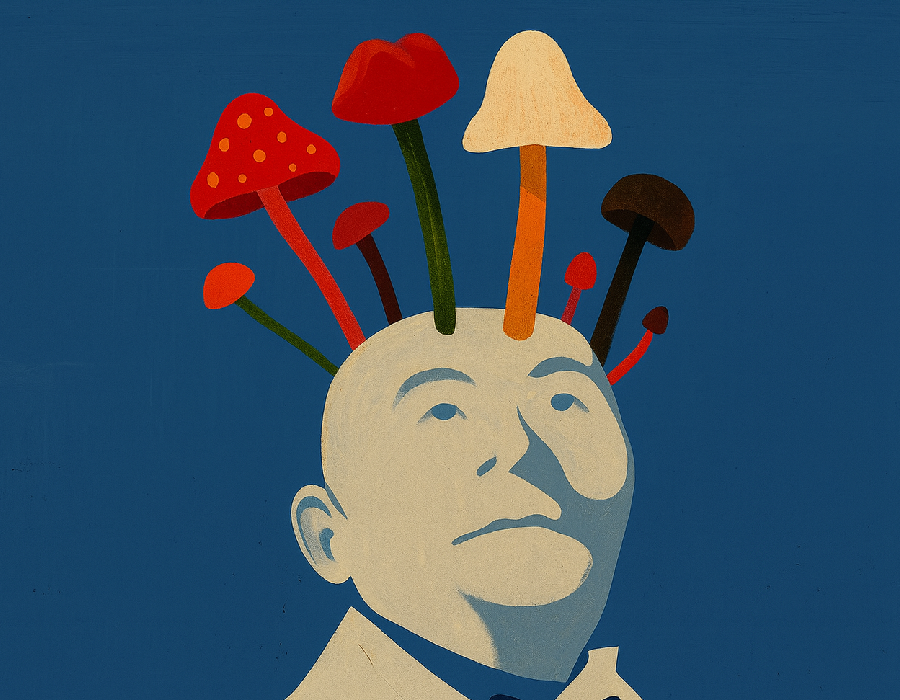
If learning has felt foggy or frustrating, this offers a fresh take on how microdosing might help
Ready to Create Real Change? Start Your Journey with Magic Mush
Microdosing can be a powerful catalyst for growth, but it’s not a shortcut to transformation. As we explored throughout this article, psilocybin enhances neuroplasticity and emotional awareness—but the real shift comes when you pair that openness with intention, structure, and daily action. Without those anchors, even the most promising microdosing experience can fall flat. Insight alone doesn’t create new neural pathways—practice does. Whether it’s journaling, breathwork, movement, or habit tracking, your engagement is what turns potential into progress.
This is the heart of the microdosing journey: showing up, consistently and consciously. With a clear “why,” a simple framework, and the right supportive tools, you can move from passive hoping to empowered healing. The mushrooms may open the door, but only you can choose to walk through it. And when you do—one small choice at a time—you begin to build the life you’ve been reaching for.
At Magic Mush, we believe that everyone deserves access to high-quality psilocybin products like microdose bundles and dried magic mushrooms and the support needed to use them safely and meaningfully. As the trusted partner in the magic mushroom space in Kingston, we provide more than just top-tier products—we offer education, community, and guidance to help you get the most out of your microdosing experience. Our resources are designed to help you integrate psychedelics into your life with intention and care, whether you’re just starting out or refining an existing practice.
From rigorous product testing to detailed support and thoughtful content, Magic Mush is committed to setting the standard for quality and trust in the psychedelic wellness space. Our mission is to destigmatize the use of magic mushrooms in Canada and beyond—making these powerful tools more accessible, more respected, and more empowering for everyone.
If you’re ready to explore microdosing with purpose, Magic Mush is here to support you every step of the way.