I didn’t start microdosing with the intention of doing any “deep work.” Honestly, I just wanted to feel a little more present and a lot less anxious at work. My mind felt scrambled most days, and a friend had suggested microdosing psilocybin to take the edge off. I thought it might help me focus better, maybe get into a flow state more easily. And in some ways, it did. But around the second week of my protocol, something unexpected started happening: I kept writing the same phrase in my notebook—“I feel tired, but I’m not sure why.”
I hadn’t planned to journal either. I was doing what a lot of people do—read a protocol, follow the dose schedule, and sort of wing the rest. But somewhere along the line, I figured I might as well keep a record of what I was feeling, just in case anything interesting came up. What started as a simple bullet point log turned into full paragraphs. And what came out wasn’t just a catalog of my days. It was emotion. Subtle, buried, persistent emotion. Tiredness that wasn’t just physical. Irritability that didn’t seem to have a source. A kind of low-level grief I hadn’t named until it showed up in my handwriting over and over again.
That’s when it clicked—my body, my subconscious, maybe even my heart—was trying to tell me something I hadn’t been hearing. The act of journaling while microdosing became more than just a supplement to the protocol. It became the bridge between my inner and outer world. A way to notice patterns I’d otherwise brush off. A mirror I hadn’t realized I needed. That simple sentence—“I feel tired”—became a starting point for deeper healing than I expected. Not because I solved anything right away, but because I finally gave my emotions somewhere to go.

Coffee: still not helping.
Me: trying my best anyway.
I wrote this with beginners in mind—to make microdosing feel less overwhelming and more intuitive
When I Paired Microdosing with Journaling, Everything Started to Click
Microdosing doesn’t always hit like a lightning bolt. It’s quiet. Subtle. A whisper more than a shout. And yet, over time, it can gently stir emotional material to the surface. Not in the dramatic way that a full psychedelic trip might—there are no kaleidoscopic visions or ego deaths—but in the kind of way you might not even notice unless you’re paying attention. That’s where journaling comes in.
Journaling is a form of integration—one that allows you to take internal, often wordless experiences and place them gently onto the page. When you’re microdosing, even low doses can stimulate the brain’s ability to access subconscious material. Emotions you didn’t know were lurking just beneath your routine begin to drift upward. Journaling gives them form. It’s the container that holds what’s emerging, so you don’t have to carry it all in your head.
From a neurological perspective, journaling activates the prefrontal cortex—the part of the brain responsible for reflection, reasoning, and emotional regulation. It helps translate the raw, sometimes disorienting input from the limbic system (your emotional center) into coherent thoughts. In simpler terms, writing helps you make sense of what you’re feeling. It’s not always about having answers. Sometimes, it’s just about creating space for the question.
Microdosing tends to open up awareness—not just of your thoughts, but of your emotional undercurrents. You might start noticing small but meaningful shifts: a pattern of irritability that doesn’t match your external circumstances, a recurring sense of loneliness, or moments of spontaneous joy or gratitude that seem to come out of nowhere. Journaling is how you catch those moments before they fade back into the noise of the day.
Check out this magic mushroom!!

A.P.E Psilocybin Chocolate Bar
$60.00Dried Penis Envy Magic Mushrooms
Price range: $60.00 through $240.00Golden Teacher Gummies for Microdosing
$25.00


I Thought I Was Just Journaling—Turns Out, I Was Integrating
The word “integration” gets thrown around a lot in psychedelic spaces, but at its core, it just means this: how are you making meaning of what you experienced? With microdosing, you’re not always having big, mind-blowing revelations. But the emotional shifts are real—and they deserve your attention. Journaling helps you slow down enough to feel into those changes.
Over time, those pages become a map of your inner world. You start seeing trends you wouldn’t notice otherwise. Maybe every Monday you feel a little off. Maybe your mood lifts after long walks. Maybe there’s a theme—like unworthiness or restlessness—that keeps returning. Without journaling, those moments might feel random. But on paper, a story begins to take shape.
The key is to journal from a place of curiosity, not control. You’re not trying to fix anything. You’re simply watching. Listening. Letting yourself be witnessed—even if only by yourself. In that way, your journal becomes both a mirror and a friend. A space to be fully honest without judgment.
The Feelings I Buried Started to Rise…. And Microdosing Helped Me Hold Them
Psilocybin, even in sub-perceptual doses, increases neuroplasticity—the brain’s ability to rewire, adapt, and release old patterns. It also quiets the default mode network, the part of the brain associated with rumination and self-criticism. This softening makes it easier for long-suppressed emotions to rise gently to the surface.
Unlike a full-dose trip, where these emotions might come with a flood of intensity, microdosing offers a slow, manageable stream. That’s the beauty of it. The grief, the joy, the discomfort—they don’t all show up at once. They unfold. And journaling helps you stay in conversation with those feelings without needing to rush to a conclusion.
Microdosing doesn’t force healing. It invites it. And journaling is how you RSVP.
🌿 If unexpected emotions do come up along the way, there are gentle ways to meet them with care and curiosity.
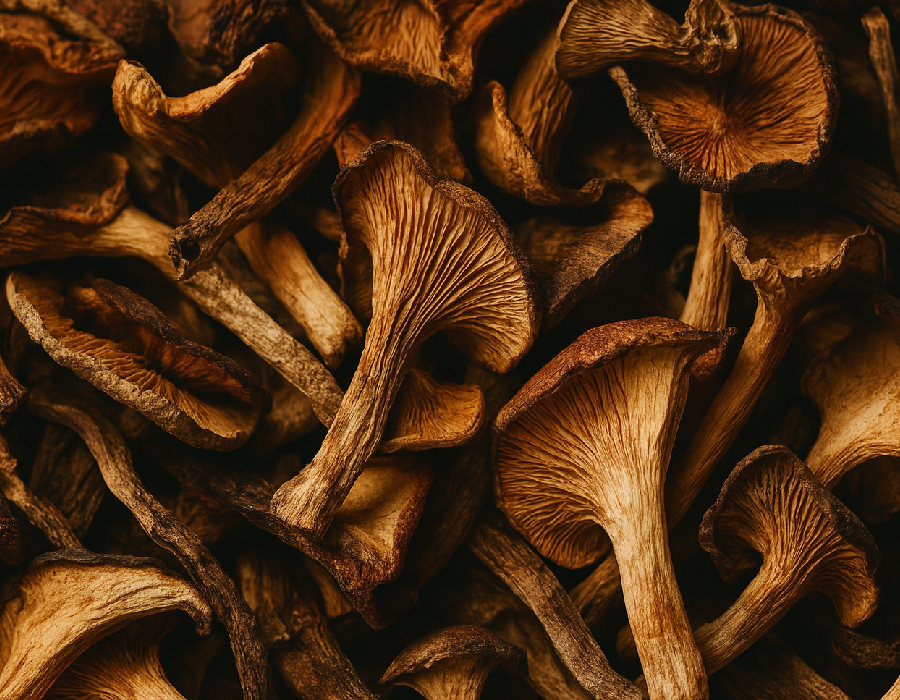
I never expected conversation cards to unlock so much healing during my microdosing practice—here’s why I use them now
I Tried a Bunch of Journaling Styles… These Are the Ones That Stuck
There’s no single right way to journal during a microdosing protocol. What matters is that you find a rhythm and format that helps you connect. Some people like stream-of-consciousness journaling—just letting their thoughts spill out without judgment. Others prefer prompt-based journaling, using specific questions to dig deeper. Still others keep simple emotional check-ins, noting how they feel at the start and end of each day.
Somatic journaling is especially powerful during microdosing. Instead of writing about what you think, write about what you feel—in your body. Where is there tension? Warmth? Numbness? What shifts when you breathe into it? Over time, this builds a bridge between the emotional and physical self, which is often where deeper healing happens.
You can journal before you take your dose, during the “on” period, or in the evening as a way to reflect. Some people do all three. The timing isn’t rigid—what matters is creating space to check in. And that space, over time, becomes sacred.
How I Started Noticing the Patterns That Actually Matter
One of the most underrated benefits of journaling is being able to look back. After a few weeks or months, you’ll begin to see how much has shifted. Things you were struggling with might no longer feel so heavy. Recurring emotional themes may start to make sense. You’ll recognize your own cycles—what triggers your anxiety, what lifts your spirit, what helps you feel grounded.
This isn’t about data collection or self-improvement spreadsheets. It’s about seeing yourself with more kindness. Growth isn’t always linear, but when you have your own words to reflect on, you begin to trust the process a little more. Even the hard days start to feel meaningful when you can look back and see how far you’ve come.
Many people find that creating a simple journaling ritual helps them stay consistent. Maybe you light a candle, make tea, put on music, or stretch a little before writing. This tells your nervous system, “This is a safe space.” Over time, it becomes a moment you look forward to—a pause in your day where you get to come home to yourself.
The Practice That Helped Me Integrate Life as It Was Happening
A lot of people associate integration with full-dose psychedelic journeys, but microdosing creates a unique rhythm of micro-integration—daily opportunities to notice, feel, and reflect. It’s less about unpacking a singular event and more about developing a deeper relationship with your emotional life.
In many Indigenous and ceremonial traditions, storytelling and reflection are central to processing plant medicine experiences. Journaling is our modern version of that ritual. It’s a quiet, private form of storytelling. One that doesn’t need to be shared with anyone else to be sacred.
Many psychedelic therapists and microdosing coaches recommend journaling as a cornerstone of any protocol. It builds awareness. It keeps you honest. And it gently guides you through emotional landscapes that might otherwise feel disorienting.
But remember: there’s a difference between gentle reflection and obsessive tracking. If you find yourself over-analyzing or trying to journal “perfectly,” take a breath. Come back to curiosity. You’re not collecting data—you’re building a relationship with yourself.
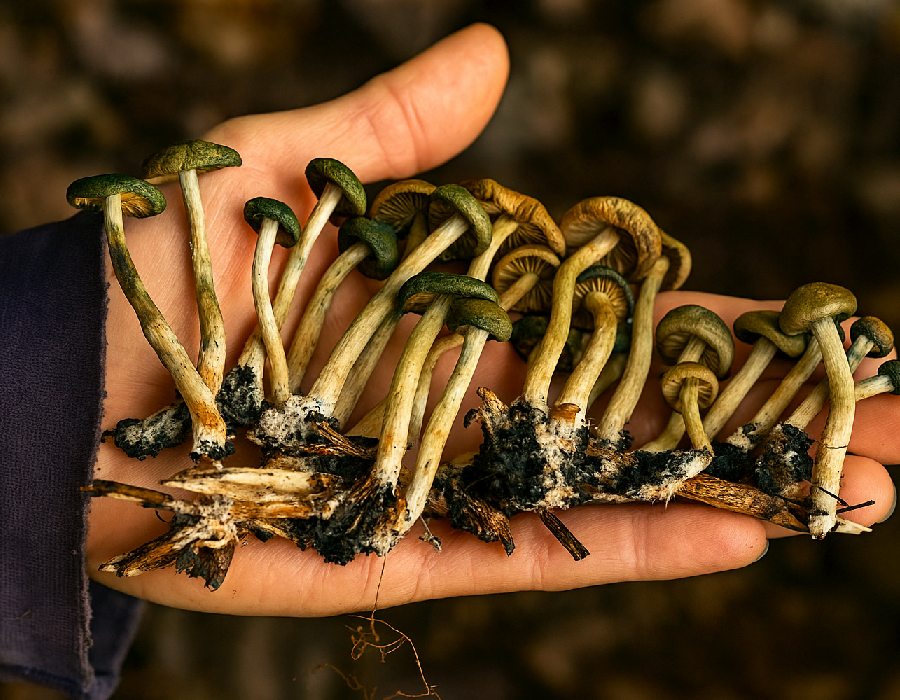
I wrote this piece because no one warned me—the hardest part of the trip often starts after it’s over.
My Journal Doesn’t Need to Be Perfect—It Just Needs to Be Honest
Healing is rarely linear. Some days you’ll have clarity. Other days will feel like emotional mud. Journaling helps you move through all of it—not by fixing, but by witnessing. It teaches you to stay present with what is, even if it doesn’t make sense yet.
And maybe that’s the most important lesson of all: you don’t have to be perfect, profound, or productive in your journal. You just have to show up. With honesty. With kindness. And with the willingness to be seen—even if only by yourself.
So the next time you microdose, grab your notebook. Light a candle. Take a breath. And ask: “What wants to be heard today?”
Your story is unfolding. Let your journal be the place where it learns to speak.

Before you take that first step, I put together this guide to help you do it with clarity and care.
Start Your Journaling Journey with Magic Mush: Your Partner in Emotional Integration
As we’ve explored throughout this guide, journaling is one of the most effective tools for emotional integration during a microdosing protocol. It allows you to connect the dots between subtle shifts in your body, your thoughts, and your emotional landscape. Whether you’re working through old wounds, trying to uncover patterns, or simply seeking more presence in your day-to-day life, journaling serves as a gentle companion—one that doesn’t demand perfection, only honesty. Over time, the pages you fill become a map of your healing. They show you where you’ve been, how far you’ve come, and what still needs tenderness.
Microdosing isn’t just about boosting creativity or productivity—it’s also about tending to the deeper parts of ourselves. Sometimes the smallest dose can bring up the biggest questions. That’s why pairing it with a steady journaling practice can bring clarity and balance to your journey. It grounds the experience, helps you process unexpected emotions, and invites you into a more embodied, mindful relationship with your inner world. The truth is, integration doesn’t happen by accident—it happens through attention, presence, and intention. And journaling gives you the space to hold all three.
At Magic Mush, we understand how powerful these journeys can be—especially when approached with care. That’s why we don’t just offer premium psilocybin products like shroom gummies and chocolate shrooms—we offer guidance, support, and education to help you navigate your microdosing experience with confidence and ease. Whether you’re just beginning or deep into your healing process, our mission is to provide a safe, informed space where curiosity and emotional growth are honored.
We believe that psilocybin should be accessible, high-quality, and used responsibly. Every product we carry at Magic Mush is rigorously tested and backed by a commitment to your well-being. But more than that, we’re here to change the conversation—to destigmatize psychedelic use in Toronto and empower individuals like you to reconnect with their emotional truth. We offer more than a shopping experience; we offer a doorway into transformation.
So, if you’re ready to deepen your microdosing practice and explore the emotional insights waiting beneath the surface, Magic Mush is here to support you every step of the way. Let Magic Mush be your trusted companion in the world of psilocybin, journaling, and beyond.