One of the quiet truths about psychedelic space is that it often turns the volume up on everything. Emotions feel closer to the surface, other people’s moods seem louder, stories carry more weight, and the atmosphere of a room can feel almost tangible. Some people call this “energy.” Others talk about the nervous system, social dynamics, and heightened perception. Most people, if they’re honest, experience some version of both, whether or not they use spiritual language especially when intention in psychedelic journeys hasn’t been clearly grounded beforehand.
This increased sensitivity isn’t a sign that something has gone wrong. It’s actually part of what makes psychedelic experiences meaningful in the first place. But sensitivity without context can slide into overwhelm, confusion, or misplaced trust. That’s where the idea of protection comes in—not as armour, not as fear-based shielding, but as a way of staying oriented when the mind is more open and impressionable than usual.
This article isn’t about warding off threats or guaranteeing safety. It’s about learning how to stay grounded, discerning, and supported in spaces where openness is both the gift and the vulnerability.
🔍 Conversations about enhancing awareness can include many perspectives and tools. Discover what this resource explains about meditation and the broader context of altered states

Why I Started Rethinking “Protection” After Realizing Toughness Wasn’t the Same as Safety
For a long time, I thought protection meant being strong. Mentally tough. Unshakeable. I assumed that if I stayed calm enough or knowledgeable enough, nothing could really get to me. But over time, especially in altered-state spaces, that belief quietly fell apart. I noticed that the moments I felt most “protected” weren’t the moments I felt invincible—they were the moments I felt resourced, supported, and able to say no without explaining myself, rather than trying to build your own psychedelic protocol out of willpower alone.
I’ve also seen how easily the word protection gets tangled up with control. We talk about guarding energy, holding shields, or staying impermeable, as if the goal were to feel nothing at all. But psychedelic space doesn’t work that way. The mind opens, the heart softens, and pretending otherwise usually backfires.
The real question became something else entirely: what does safety look like when you’re more open, not less? When influence flows more easily, when meaning forms quickly, and when your usual filters are temporarily relaxed? That question—not a claim to expertise—is what guides everything that follows.
What We Mean by “Protection” When We Strip Away Magical Thinking and Fear
Protection, in this context, doesn’t mean preventing all discomfort or risk. It means reducing avoidable harm and increasing your capacity to stay oriented, grounded, and self-trusting. It’s less about blocking something out and more about staying in relationship with yourself.
There are a few overlapping layers here. Psychological protection involves boundaries, self-awareness, and the ability to notice when you’re getting overwhelmed or pulled into a story too fast. Relational protection has to do with consent, who you’re with, how power moves in a space, and whether you feel free to pause or opt out. Energetic protection, for those who use that language, describes a felt sense of containment or permeability—how open or closed you feel to influence.
None of these layers offer guarantees. Protection isn’t invincibility, and it’s not a spiritual achievement. It’s a posture, a way of relating to sensitivity with care instead of bravado.
💬 Paying attention to your intentions and surroundings can influence how experiences unfold. Read this article to see how others approach the concept of set and setting
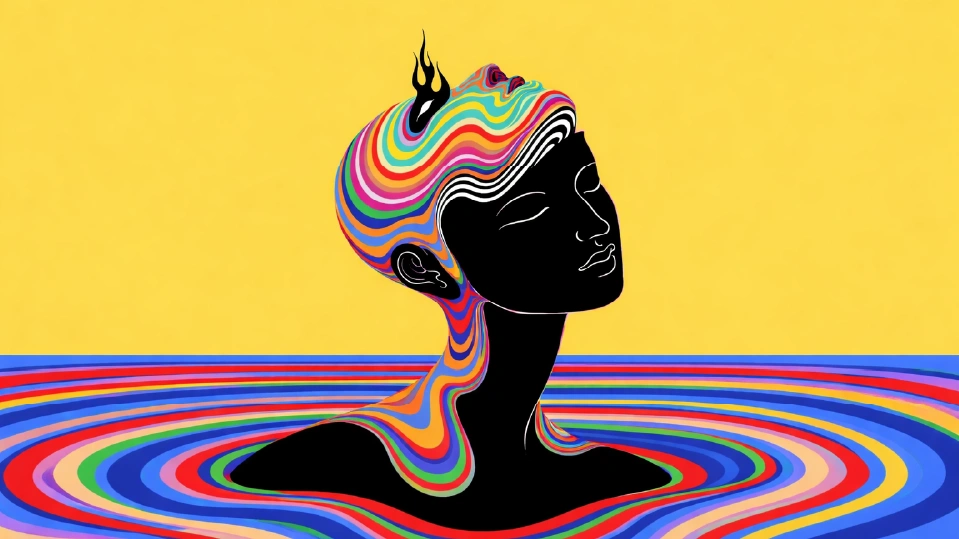
Why Psychedelic Space Can Feel So “Energetically Exposed,” Even If You’re Grounded in Everyday Life
There are very ordinary reasons psychedelic space can feel unusually porous. One is increased suggestibility. When perception and emotion are amplified, ideas and narratives can land with more force than usual. Another is heightened pattern-detection, where everything starts to feel meaningful, connected, or symbolic, even when it may not be personally relevant.
Self-boundaries can also soften. This doesn’t mean you lose yourself completely, but it can make other people’s emotions feel louder or closer than they normally would. In group settings, social resonance plays a role too. Moods spread quickly, and collective emotion can shape individual experience in subtle ways.
Power dynamics matter as well. Facilitators, charismatic personalities, or confident voices can carry extra weight when people are open and seeking meaning. Sensitivity, in this sense, is not the same as spiritual truth. It’s a state of openness that requires context and discernment to navigate well.
What Psychology and Research Can Support Without Turning Into Overconfidence
You don’t need to believe in “energy” to understand why protection matters. Concepts like set and setting, when understood at a high level, help explain how mindset, environment, and social context shape experience. Suggestibility and expectation effects show how beliefs and cues influence perception. Boundary-setting and consent are well-established psychological tools for maintaining agency under stress, and practices that clarify attention and awareness help illustrate why meditation matters in moments of heightened openness.
There’s also growing awareness that dissociation or emotional numbing can act as protective responses when things feel overwhelming. None of these frameworks offer formulas or guarantees. They’re lenses, not instructions. Used humbly, they help normalize why people feel more influenced, open, or vulnerable in psychedelic space without turning that vulnerability into something mystical or alarming.
The Real Risks People Are Trying to Protect Themselves From, Named Calmly
When people talk about wanting protection, they’re often responding to very real experiences. Emotional flooding can happen when feelings come too fast or too strong. Meaning inflation can lead someone to over-identify with a single insight or story and reshape their life around it prematurely. Social influence can blur boundaries, especially when someone else’s interpretation starts to feel like an obligation.
Boundary violations are another concern, whether emotional, physical, sexual, or financial. These are not rare because people are bad or malicious by default, but because altered states can lower defences and complicate power dynamics. After-effects matter too. Heightened sensitivity, rumination, sleep disruption, or feeling unmoored can show up days or weeks later.
Naming these risks isn’t fear-mongering. It’s a way of treating sensitivity as something worthy of care rather than something to push through.
Check out this magic mushroom!!

A.P.E Psilocybin Chocolate Bar
$60.00Dried Penis Envy Magic Mushrooms
Price range: $60.00 through $240.00Golden Teacher Gummies for Microdosing
$25.00


Principles of Protection That Stay Practical Without Becoming a How-To Manual
One of the most protective principles is consent. The ability to say no, pause, or change your mind is foundational, especially when your internal landscape is shifting. Boundaries, far from being hostile, actually support openness by creating a sense of containment. Humility matters too. Choosing depth over intensity often reduces risk rather than increasing it, and helps clarify why psychedelics can heal without overwhelming the system.
Support plays a central role. One trusted ally can provide more safety than a room full of strangers. Slowing meaning down helps prevent premature conclusions that can destabilize identity or relationships. Being cautious around charismatic certainty is wise, particularly when suggestibility is high.
Your body also offers constant information. Discomfort, contraction, or fatigue aren’t obstacles to transcend; they’re signals to pay attention. Finally, integration itself is a form of protection. Stability after an experience matters more than the drama of the experience itself.
Reframing “Energetic Protection” So It Works for Believers and Skeptics Alike
For people who resonate with spiritual language, energetic protection can describe a sense of sovereignty—being open without being overwhelmed, connected without being consumed. It’s about feeling contained enough to choose what you engage with.
For more skeptical readers, the same idea translates into attention, boundaries, and nervous system regulation. Language like “I’m open, but I’m not available for everything,” or “I can feel you without carrying you,” works because it centres agency rather than fear.
In both cases, the goal isn’t spiritual warfare or constant vigilance. It’s discernment. Protection becomes less about defending against threats and more about staying aligned with what feels respectful, consensual, and grounded.
Why Group Spaces and Power Dynamics Are Where Protection Matters Most
Group psychedelic spaces amplify everything. Emotion spreads quickly, narratives solidify faster, and authority figures shape meaning whether they intend to or not. This doesn’t make groups inherently unsafe, but it does mean that power deserves attention.
Overconfidence, secrecy, blurred boundaries, sexualized dynamics, pressure to conform, or claims of special status are all signs that consent may be compromised. Protection here looks like transparency, choice, and the freedom to leave or decline without consequence.
This isn’t about assuming harm or distrusting everyone. It’s about recognizing that altered states magnify influence, and that ethical spaces make room for autonomy rather than overriding it.
🍄 Articles about substances often include practical information people ask about. Read this article for a straightforward overview of common approaches people describe

Reflection Prompts That Build Sovereignty Instead of Superstition
It can be grounding to ask what safety actually feels like in your body, not abstractly but concretely. Noticing when intensity starts to feel like truth can help separate insight from overwhelm. Reflecting on which forms of influence you’re most vulnerable to—certainty, praise, fear, or belonging—can increase self-trust.
Questions about boundaries, responsibility, and humility help anchor openness in realism. Asking who you can be honest with if something feels off matters as much as any internal practice. These reflections don’t push you deeper; they help you stay oriented.
Protection Is Not Fear, It’s Stewardship of Sensitivity in Psychedelic Space
Protecting yourself energetically and psychologically in psychedelic space isn’t about hardening, shielding, or bracing for attack. It’s about treating sensitivity as something valuable enough to care for. Psychedelic experiences can open perception, soften boundaries, and amplify meaning, which is exactly why discernment, consent, and support matter so much. Throughout this piece, we’ve explored how protection shows up psychologically, relationally, and energetically, without superstition or bravado, and why clarity often does more for safety than rituals ever could—especially when the deeper work is to stop fearing your own mind rather than trying to control it.
This grounded approach is central to how we think about psychedelics. We believe that curiosity should be paired with responsibility, that openness should be supported by education, and that psychological safety matters just as much as the experience itself. Our goal is to help destigmatize magic mushrooms in Canada while promoting informed, respectful engagement that honours both the potential and the vulnerability of altered states.
Rather than pushing intensity or spectacle, we encourage readers to choose clarity over certainty, consent over pressure, and integration over performance. Protection, in the end, is not about avoiding experience—it’s about staying in relationship with yourself while having it. If you’d like to explore more of these themes, we invite you to read our related pieces on integration, discernment, group dynamics, and meaning-making, and to engage with our community in a way that feels steady, human, and supportive.
🌿 The conversation around mindfulness and stress management often includes many tools people consider. Check out this article to learn how microdosing is being talked about in some parenting circles
Choosing Discernment, Boundaries, and Care—and How We at Magic Mush Canada Support Safer, More Grounded Psychedelic Exploration
This article has been an invitation to rethink what “protection” actually means in psychedelic space. Rather than framing protection as armour, rituals, or fear-based vigilance, we’ve explored it as something much quieter and more practical: psychological orientation, relational boundaries, consent, humility, and support. We looked at why psychedelic experiences can make people feel more emotionally and socially porous, how suggestibility and meaning inflation can blur discernment, and why group dynamics and power structures matter more than many people expect. We also reframed “energetic protection” in a way that works whether you approach these experiences through spiritual language or through psychology and nervous system awareness. At every step, the emphasis stayed the same—protection is not about control or invincibility, but about stewardship of sensitivity.
At Magic Mush Canada, this understanding is deeply aligned with how we approach our work and our community. We believe that magic mushrooms deserve respect, education, and thoughtful context, not sensationalism or bravado. Psychedelic spaces can be meaningful, connective, and transformative, but they can also make people more open to influence, more emotionally raw, and more vulnerable to boundary confusion. That’s exactly why we place such a strong emphasis on education, psychological safety, and responsible engagement alongside access to high-quality, rigorously tested products.
As a trusted source in the Toronto magic mushroom space, our goal is not just to provide premium products, but to help destigmatize psychedelics while encouraging people to approach them with clarity, consent, and care. Through our blog, learning resources, and ongoing community conversations, we aim to support readers who want to explore altered states without losing their sense of agency or self-trust. We believe protection starts long before an experience and continues well after it, through integration, reflection, and stable support systems.
When you choose to engage with psychedelics thoughtfully, protection becomes less about guarding against imagined threats and more about creating conditions where insight can land without overwhelming you. At Magic Mush Canada, we see ourselves as a partner in that process—offering education, transparency, privacy, and reliable support so individuals can explore with intention rather than pressure. Sensitivity is not a weakness. When it’s respected and supported, it’s often where the most grounded, meaningful growth begins.