
Have you ever come across the term “set and setting”? This concept was popularized by Timothy Leary and his colleagues during the psychedelic revolution of the 1960s, and it remains a cornerstone of the psychedelic experience today. Understanding and applying “set and setting” is crucial for anyone considering a journey with magic mushrooms, or any psychedelic substance, for that matter. This article aims to dive deep into how you can optimize both your internal mindset and external environment to ensure a profoundly positive and transformative experience.
“Set” refers to one’s mindset, the internal attitudes, and the expectations one brings to the psychedelic experience. “Setting,” on the other hand, refers to the physical and social environment in which the experience takes place. Together, these elements can significantly influence the direction and quality of one’s psychedelic journey. Let’s explore how to carefully prepare both your mind and space to enhance your encounter with magic mushrooms, turning it into an opportunity for growth, healing, and awe-inspiring revelations.
🌈🪬👁👽🍄
What Are Set and Setting?
The principles of “set and setting,” critical to navigating psychedelic experiences, were first detailed by Timothy Leary and his colleagues at Harvard in their 1964 guidebook, The Psychedelic Experience: A Manual Based on the Tibetan Book of the Dead. Originally framed in the context of LSD, these concepts are equally vital for understanding and enhancing experiences with magic mushrooms.
“Set” refers to the internal landscape—encompassing an individual’s mood, personality, beliefs, and perceptions—which shapes the personal nature of a magic mushroom experience. “Setting,” on the other hand, captures the external environment: the presence and behavior of others, the background music, ambient aromas, weather conditions, and even broader cultural dynamics.
While this framework offers a basic understanding, it has been thoroughly explored by researchers such as Dr. Ido Hartoghson. In his work, including the book American Trip: Set, Setting, and the Psychedelic Experience in the Twentieth Century, Hartoghson delves into how these psychedelic experiences, particularly with substances like magic mushrooms, reflect and are shaped by societal structures. He argues in a 2013 paper that set and setting are socially constructed concepts that vary across different societies and historical periods, thus influencing the character of magic mushroom experiences in diverse ways.

How Does Set and Setting Work?
Set and setting play a pivotal role in shaping experiences, not just with psychedelics but in various aspects of life. Consider how a serene, isolated walk in nature might evoke a sense of spiritual awe depending on one’s mindset and the surroundings — a perfect example of how these elements influence our perception. However, when it comes to psychedelics, like magic mushrooms, the impact of set and setting becomes significantly more profound. These substances have the unique ability to intensify our internal and external experiences. Essentially, our mental state and the environment act as magnifying glasses, amplifying everything from emotions to sensory perceptions. This is why getting the set (our mental readiness) and the setting (our physical surroundings) right is crucial for anyone exploring the realms of psychedelic experiences.The action of magic mushrooms is primarily mind-manifesting, revealing and amplifying the user’s current mental state. This characteristic is what makes psilocybin such a profound substance. For instance, if a user feels anxious, their experience with magic mushrooms might intensify that anxiety. Conversely, if they are feeling creative or spiritually inclined, their session might heighten these aspects instead.
Check out this magic mushroom!!

A.P.E Psilocybin Chocolate Bar
$60.00Dried Penis Envy Magic Mushrooms
Price range: $60.00 through $240.00Golden Teacher Gummies for Microdosing
$25.00


This adaptive nature of magic mushrooms is why psychedelic research often seems to show varying outcomes, depending on the context of the study. Consider a study focused on the use of magic mushrooms to alleviate end-of-life anxiety. In settings where participants were supported by trained therapists and in a comforting environment, the outcomes were significantly more positive. This underscores the importance of set and setting in psychedelic research—a less supportive or clinical environment could yield drastically different results.
When examining research on psychedelics, it’s also crucial to consider the demographic representation within these studies. For example, a review found that a majority of participants in psychedelic-assisted therapy studies were non-Hispanic white. Understanding the cultural backgrounds and settings of participants is essential, as these factors can greatly influence the efficacy of the therapeutic approaches and the overall experience of individuals undergoing psychedelic-assisted therapies.
How to Check on Your Set
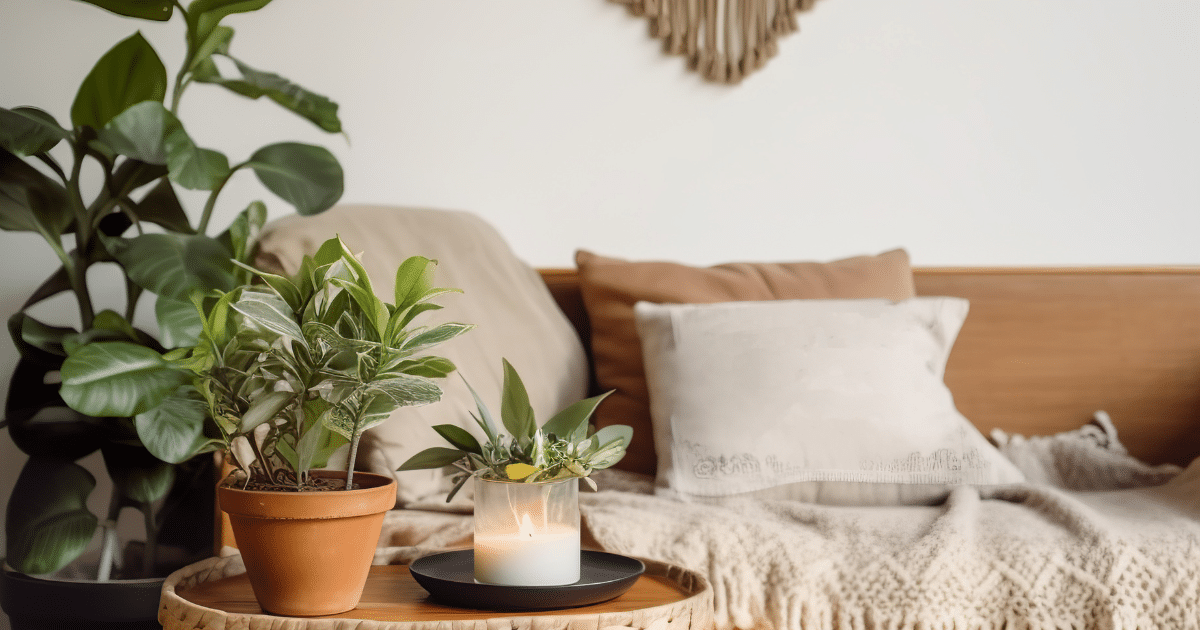
Understanding and evaluating your mental state, known as your “set,” is vital before engaging with psychedelics. The idea here is to reflect on whether you’re in a suitable emotional condition to engage with these substances constructively. It’s crucial to introspect about your motivations—are you seeking to confront or sidestep specific emotions or situations? If it’s to sidestep, it may be an indicator that you should first address your emotional and psychological health through other supportive measures.
Many turn to psychedelics for their potential to catalyze deep emotional and psychological healing. However, given their potency in magnifying your current emotional state, using these substances as a means to escape difficult emotions can lead to unexpected and often challenging outcomes. If you’re considering psychedelics, having a conversation with a therapist who understands these substances can offer significant benefits. This step can provide critical reflections and help you approach your experience with a clearer perspective. Support from mental health professionals becomes even more important if you’re dealing with mental health challenges. While psychedelics can facilitate insightful and cathartic experiences, using them without the necessary emotional and psychological support might exacerbate underlying issues. Therefore, having a solid support system in place is key for a safe and beneficial psychedelic experience.

Finding the Right Setting
The ideal environment for a psychedelic experience is deeply personal and varies significantly depending on individual comfort levels and needs. Here are a few considerations to help guide you in creating your setting:
✅ Social Dynamics: Think about who you want around you. Is it better to have close friends, a professional guide, or perhaps no one at all?
✅ Familiarity: Consider your comfort with new environments. Does the unfamiliar make you nervous, or are you more relaxed in known spaces?
✅ Safety: Ensure that help, whether medical or emotional, is readily available if the situation calls for it.
✅ Comforts: Identify what elements—like specific music, items, or even food—help you feel at ease.
In environments designed for psychedelic-assisted psychotherapy, the setting often mimics a tranquil, private living space with minimal but comforting decorations to enhance a sense of safety and relaxation. On the other hand, group psychedelic sessions provide a different vibe, leveraging the communal support of the group to create a shared, supportive space.
For those who prefer solitude during their psychedelic experiences, it’s advisable to have a trusted, sober individual nearby. This ‘trip sitter’ should be someone who understands the psychedelic state and can provide calm, reliable support if needed.
“If opting for a psychedelic experience, having a sitter is highly recommended,” said an expert in harm reduction. “This person should ideally be well-acquainted with the effects of psychedelics and someone you trust to remain composed and supportive.”
If you’re planning on being around others, make sure these are people you’re already comfortable with. Experiencing psychedelics in the presence of strangers can intensify the complexities of social interactions in unexpected and sometimes uncomfortable ways.
Choosing a familiar setting like your own home can be particularly comforting. It’s a private, safe space where everything is familiar, and perhaps a loved one is there to support and enrich the experience.
The concepts of set and setting are intricate and crucial in shaping the trajectory of your psychedelic journey. Ignoring these can leave your experience vulnerable to the whims of your surroundings and internal state. While some factors will always be beyond our control, we can maximize our preparedness by fostering a supportive environment and addressing our internal needs with compassion before embarking on this profound journey.

- Autumn Is a Season of Metabolism - 09/28/2026
- What If Creativity Isn’t Something You Create? - 09/24/2026
- Quick Relief Or Lasting Shift? The Psychedelic Trade-Off - 03/30/2026
