I still remember the moment this clicked for me — and honestly, it surprised me more than anything the dried magic mushrooms themselves did. Years ago, I took the same dose of psilocybin twice, just a couple of weeks apart. Same batch, same amount, same person. But the two experiences could not have been more opposite. The first time felt open, steady, and strangely comforting, like my brain had turned into a warm conversation I didn’t know I needed to have with myself. The second time? Let’s just say my thoughts were ricocheting around my skull like they were late for something and taking every shortcut possible through my nervous system. Same substance, two wildly different outcomes. And the more I sat with it, the more obvious it became: it wasn’t the mushrooms themselves that changed. It was everything else.
The first journey happened in a calm space, with soft music, low lighting, and a sense of being held by the environment rather than poked by it. The second took place on a day I was mentally exhausted, overstimulated, and sitting in a room that felt like it was designed by someone who had never known peace. And that’s when the deeper truth landed: psychedelics don’t decide the shape of the experience — your environment does. Or more accurately, your environment teaches your brain what to do with the temporary neuroplasticity these substances unlock.
That’s the whole heartbeat of this article. Psychedelics don’t magically rewrite your brain. They simply open a window. What gets wired during that window depends on everything around you — sensory input, emotional tone, relational safety, physical comfort, and your internal state. Once you start seeing psychedelics through this lens, the whole idea of “set and setting” becomes less of a cliché and more of a literal neurological process playing out moment by moment. The brain learns from context, and psychedelics amplify that learning.
So, let’s talk about what that actually means for your brain, your experience, and the environments you choose before, during, and after your journey.
🌍 Explore the best destinations where you can safely trip on shrooms. Your next psychedelic journey might be closer than you think
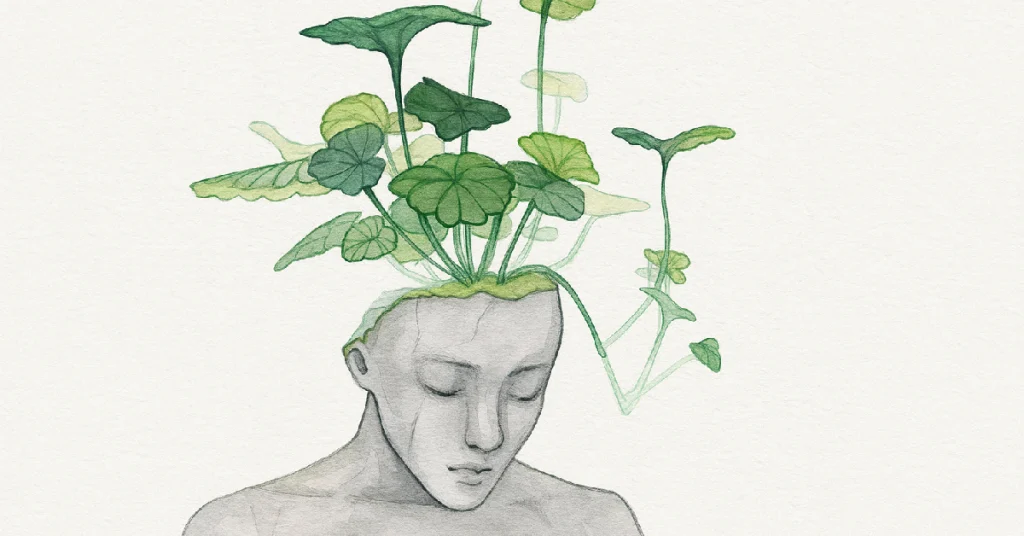
So Here’s The Part Where We Get Into The Brain Stuff, But In A Way That Actually Makes Sense And Doesn’t Sound Like A Neuroscience Textbook You Need A Degree To Understand
When people say psychedelics increase neuroplasticity, it often gets thrown around like some kind of magical reset button that just automatically upgrades your brain the moment you swallow a chocolate mushroom. But that’s not really how it works. Neuroplasticity is simply your brain’s ability to change, learn, and reorganize itself — and psychedelics temporarily boost that capacity. Not forever. Not in a supernatural way. Just in a real, observable, biologically grounded way.
One of the key mechanisms is how psychedelics quiet down the Default Mode Network, the system that basically holds your sense of self together and runs your usual patterns of thought. When it softens, your brain isn’t locked into its familiar grooves as tightly, so it becomes easier for new connections to form.
At the same time, psychedelics increase communication between brain regions that don’t normally talk to each other. Think of it like a neighbourhood that suddenly decides to hold a block party where everyone actually shows up. Networks that typically operate separately begin to cross-link, creating new associations and possibilities. This loosening of old patterns, combined with a surge in new pathways, is what people are talking about when they refer to psychedelics opening a “critical learning window.”
But here’s the part that matters most: a plastic brain is a teachable brain. And what it learns depends entirely on the input it receives. This is why the narrative that psychedelics “heal you” on their own misses the point. They don’t do the healing — they make you more sensitive to whatever can help (or harm) that healing process. And your environment is constantly sending your brain signals about what is safe, what is threatening, what is meaningful, and what deserves to be remembered.
Check out this magic mushroom!!

A.P.E Psilocybin Chocolate Bar
$60.00Dried Penis Envy Magic Mushrooms
Price range: $60.00 through $240.00Golden Teacher Gummies for Microdosing
$25.00


Let’s Talk About How Your Surroundings Are Quietly Teaching Your Brain What To Learn When You’re On Psychedelics (Because They’re Doing Way More Than You Think)
This is where everything starts to come together. Once you understand the brain’s temporarily heightened plasticity, environmental influence becomes less of a vibe issue and more of a literal neurological shaping force. Psychedelics don’t produce experiences in a vacuum. Every sensory cue, every emotional signal, every moment of relational presence, and every subtle internal state you bring into the journey becomes a piece of the learning material your brain absorbs.
Let’s start with sensory cues. Lighting, music, colours, textures, and background noise all feed into how your limbic system interprets the moment. Soft lighting can regulate emotional intensity, while harsh or rapidly shifting light can increase arousal and confusion. Music isn’t just aesthetic — it literally guides emotional processing, opening or closing particular pathways depending on rhythm, tone, and depth. Nature environments reduce cortisol, soothe the nervous system, and provide sensory patterns that support emotional regulation. All of this changes what your brain encodes during the psychedelic state.
Then there’s the emotional environment. If you feel safe, grounded, accepted, or supported, your brain interprets new insights through a lens of connection and possibility. If you feel judged, ignored, or anxious, your brain may instead reinforce fear-based pathways. This is why the emotional tone of the people around you matters as much as anything happening inside your head.
Relational presence is its own category. Humans are wired to learn socially. When someone is calm and grounded with you, your brain relaxes. When someone is tense, chaotic, or emotionally unpredictable, your brain absorbs that too. Psychedelics heighten sensitivity to relational cues, and these cues shape neural encoding.
Physical comfort also matters more than most people expect. Temperature, textures, the softness of a blanket, the ability to lie down, the sense that your body can rest — all of these influence whether your nervous system feels supported or overstimulated. Your body signals the brain constantly, and under psychedelics, those signals become louder.
And finally, there’s your internal environment — your mindset, expectations, stress level, sleep quality, hormonal state, unresolved emotions, and even the micro-stories you’ve been telling yourself that day. These internal conditions shape which pathways become reinforced during the plastic window. A cluttered internal environment doesn’t ruin a trip, but it absolutely influences how your brain interprets what arises.
Everything you feel, see, hear, or sense during a psychedelic journey teaches the brain how to reorganize itself. The environment isn’t just part of the experience. The environment is part of the rewiring.
🎵 Ever wondered if you’re “broken” because music doesn’t impact you on mushrooms? Read this to understand why that might be — and what it really means
Okay, So Here’s the Honest Part: This “Plastic Window” Everyone Talks About Isn’t Neutral, And That’s Exactly Why It Matters So Much
Once psychedelics increase neuroplasticity, the brain becomes more open — and openness isn’t automatically beneficial. It simply means the brain is more impressionable. And impressionability cuts both ways.
During a psychedelic state, the brain becomes less defended. It isn’t putting up the usual walls or filtering out information in the way it normally does. This makes external cues more influential, emotional meaning more vivid, and new associations more intense. If the environment is warm, clear, and supportive, those qualities become amplified. If the environment is chaotic or emotionally sharp, those qualities can also intensify.
A harsh environment doesn’t just make a journey unpleasant — it can actually shape neural pathways toward fear or stress. A supportive environment doesn’t guarantee healing, but it creates the conditions for insight to land gently rather than explosively. A chaotic environment increases the brain’s confusion, while a stable one allows for clarity. And your brain doesn’t just experience these conditions; it learns from them.
When the brain is in a plastic state, environment becomes curriculum.
🏖️ Imagine a psychedelic beachfront experience. Find out what to know before you try shrooms on the sand

Here’s Where State-Dependent Learning Comes In, And Why What You Feel During The Trip Becomes The Thing Your Brain Basically Decides To Remember As Truth
State-dependent learning means the emotional tone of an experience is what determines how it becomes encoded in memory. In psychedelic states, emotional tone becomes the glue that shapes which pathways strengthen and which ones loosen. If you feel safe, your brain learns safety. If you feel overwhelmed, your brain learns overwhelm. It’s not a moral judgment — it’s a neurological process.
This is why the environment signals what is safe or unsafe. Your brain is constantly scanning for cues. Under psychedelics, those cues become louder and more instructive. And these signals determine whether the new neural patterns formed during the experience support healing, reinforce old fear loops, or create new connections that weren’t possible before.
In other words, psychedelics don’t reorganize your brain for you. Your environment teaches your brain what to reorganize toward.
Let’s Back Up All This With Real Research Because None Of This Is Wishful Thinking, And There’s Solid Science Behind It
The REBUS model introduced by Carhart-Harris provides one of the clearest frameworks for understanding how psychedelics relax rigid brain patterns and open the door to new learning. But what the research also shows is that the brain doesn’t reorganize randomly — it reorganizes based on context.
Studies with psilocybin and DMT indicate that emotional safety significantly influences outcomes, both during the acute experience and afterward. Research on music-guided psychedelic therapy demonstrates that sensory environments directly alter neural dynamics. Animal studies show that enriched environments boost the neural benefits of psychedelic-induced plasticity, while stressful or impoverished environments blunt them.
Environmental enrichment has been shown to increase dendritic growth, strengthen positive neural pathways, and regulate emotional learning. This aligns with the observation that supportive sensory, relational, and emotional environments enhance psychedelic outcomes.
The evidence is consistent: psychedelics open the door, but the environment decides what walks through.
🌱 Dive into the full guide to psilocybin microdosing — everything you need to know before you start
Here’s What All This Means For You In Actual Real-Life Terms If You’re Preparing For, Going Through, Or Integrating a Psychedelic Experience
Before a journey, your environment should invite calm rather than overwhelm. Sensory cues should feel grounding. Emotional safety should be intentional, not accidental. And your internal state should be as stable as reasonably possible — not perfect, just supported. Setting intentions that are open rather than rigid helps reduce pressure while still guiding the brain’s interpretive process.
During the journey, curating music that feels emotionally coherent matters far more than people realize. Predictability helps the nervous system relax. Physical comfort reduces unnecessary arousal. And emotional safety — whether through a trusted person, a supportive sitter, or simply a stable environment — influences what becomes encoded during the plastic window.
After the journey, everything counts more than you think. The hours and even days following a psychedelic experience are part of the same plastic period. The environments you return to either reinforce the new neural patterns or nudge you back into old ones. Spending time in nature, grounding your nervous system, connecting with people who feel emotionally safe, and slowing your pace all support integration. Going back into high-stress situations too quickly can tighten the brain’s defences again.
The environment after the journey is as important as the environment during it because it determines which patterns stabilize and which ones fade.
So Let’s Pull This All Together In a Way That Actually Helps You Make Sense Of It: Psychedelics Open The Door, But Your Environment Builds The House
Your brain is always learning. Psychedelics just accelerate that learning for a short time. The environment — sensory, emotional, relational, physical, and internal — becomes the blueprint for whatever new patterns take shape. Plasticity is the opening. Integration is the building. And your environment determines what gets built.
When you understand this, psychedelic experiences stop feeling like isolated events and start feeling like part of a larger process — one that you actively participate in by choosing the environments that support the version of yourself you’re becoming.
🌄 Discover the ultimate shroom-trip guide — find the best places to journey safely and meaningfully
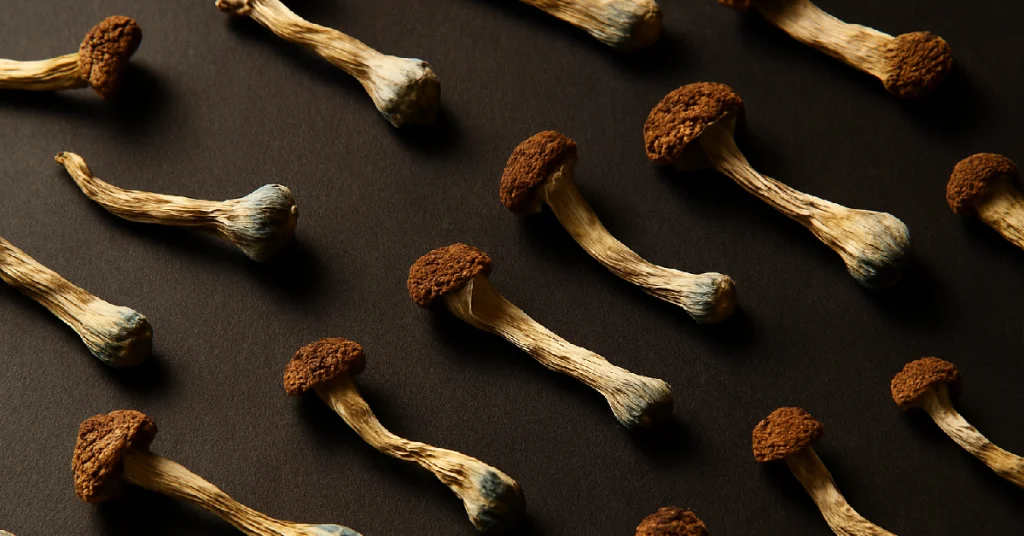
If You’re Ready To Explore Psychedelics In a Way That Actually Supports Your Brain, Magic Mush Canada Is Hands-Down One Of The Best Places To Start
Now that you’ve walked through how deeply environment shapes the psychedelic brain, the whole process becomes a lot less mysterious and a lot more intentional. You’ve learned that psychedelics don’t change you by themselves. They simply give you a temporary window where change becomes easier. And what fills that window is everything from the room you’re sitting in to the emotional vibe you bring into the experience. Understanding that your brain learns from context turns the journey into something grounded, realistic, and actually manageable. You get to shape the conditions. You get to guide the process. And that’s what makes psychedelic work both humbling and empowering.
It also means that quality, safety, and informed preparation matter more than the strain or the dose. The substance is only one part of the equation. The rest is environment — internal and external — and you now know how much that environment teaches your brain during the plastic window. When you start seeing psychedelics through this lens, you naturally begin choosing experiences and spaces that support clarity instead of chaos, and integration instead of fragmentation.
This is exactly why Magic Mush Canada fits so well into this conversation, because if you’re thinking about using psychedelics in a way that actually respects your brain and your process, you want a source that genuinely cares about the environment you’re stepping into. At Magic Mush Canada, we’re not just handing you mushrooms and wishing you luck. We’re basically that friend who says, “Hey, if you’re going to do this, let’s make sure you’re doing it in a way that doesn’t stress out your nervous system.” We’re all about education, guidance, and making sure that what you bring into your experience is as grounded and intentional as possible.
And to be completely honest, this is why we take quality so seriously. When your brain is in a sensitive, plastic, highly impressionable state, you want to know that what you’re taking is clean, consistent, and properly tested. At Magic Mush Canada, we put a ton of effort into making sure our products meet high safety standards, because we know that when you trust what you’re taking, the rest of the environment can fall into place more naturally. Whether you’re exploring psychedelics for personal insight, creativity, emotional clarity, or simply curiosity, we’re here to make the process feel safe, supported, and actually doable.
If you’re feeling called to explore psychedelics in a thoughtful, grounded way — the kind that supports your brain rather than overwhelming it — Magic Mush Canada is here to walk with you. We offer premium products, reliable guidance, a stigma-free environment, and a whole community of people who care about the same things you do. Join us, learn with us, and discover how much more meaningful psychedelic exploration can be when the environment is finally on your side.