
I still remember the day I stared at my therapist’s beige office wall and thought, I can’t do this anymore. I had been in therapy for almost three years — every week, same couch, same tissues, same questions that circled the same pain. My therapist would nod with that soft, practiced empathy, and I’d nod back, pretending I felt lighter. But inside, I was exhausted. I didn’t want to keep dissecting my sadness. I wanted to feel something shift.
Then, like clockwork, the universe handed me an article about microdosing psilocybin — those “magic mushrooms” people in Toronto and Vancouver were whispering about. It claimed that tiny doses could bring emotional clarity, enhance focus, and make life, well, more vibrant. People were saying things like, “Microdosing did more for me in a month than therapy ever did.” I wanted that — the shortcut, the spark, the thing that would finally make sense of everything I’d been trying to heal.
That’s the thing about pain — after a while, you don’t want to understand it anymore; you just want to move past it. And for many people in Canada right now, from the coasts of Vancouver to the quiet corners of Ottawa, microdosing seems like that way out. But as I would eventually learn, the truth isn’t that simple. Microdosing doesn’t replace the work — it reframes it.
I wanted dried magic mushrooms to fix me. What they actually did was hold up a mirror and ask, Now what are you going to do with what you see? The answer, I would come to realize, wasn’t a one-time revelation but an ongoing relationship with myself — one that required as much honesty as curiosity.
🎯 Kick-start your 30-day microdosing routine with this comprehensive guide
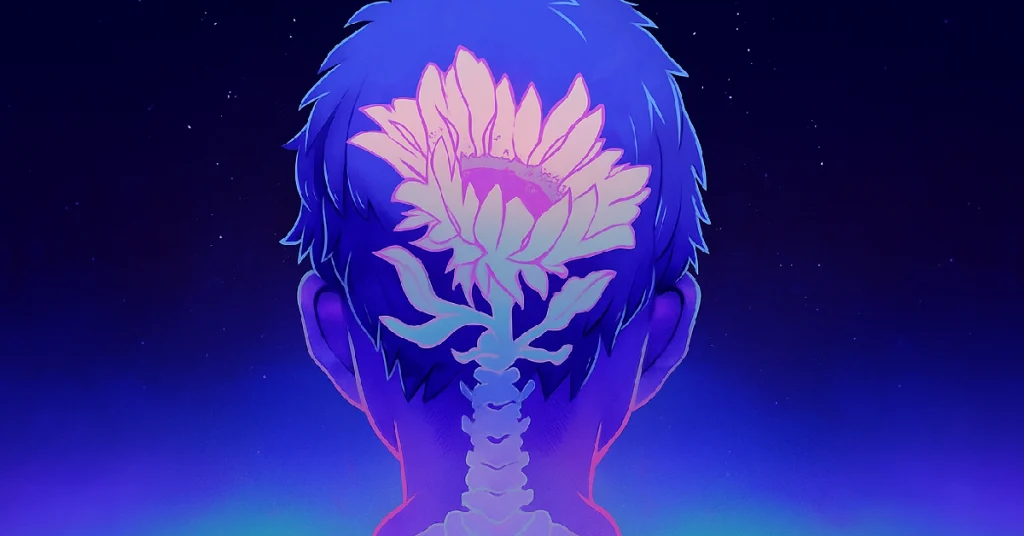
The Promise of Microdosing: That Whisper of Possibility That Feels Almost Too Good to Be True
So what exactly is microdosing, and why has it become such a cultural obsession? In simple terms, it’s the practice of taking very small, sub-perceptual doses of psychedelics — often psilocybin, the active compound in magic mushrooms. You don’t trip, you don’t hallucinate. Instead, it’s like tuning a radio frequency — the world gets a little clearer, your thoughts a little softer, and your emotions a little more reachable.
People in Canada are microdosing for all kinds of reasons — to boost creativity in their work-from-home routines, to find balance after burnout, to reconnect with their emotions, or simply to feel like life has colour again. It’s especially common in urban hubs like Toronto and Vancouver, where conversations about psychedelics have moved from underground circles into mainstream wellness culture.
Scientifically speaking, psilocybin interacts with serotonin receptors in the brain, specifically the 5-HT2A receptor, helping to reset neural patterns that may be stuck in loops of anxiety or depression. Neuroscientists call this “neuroplasticity” — the brain’s ability to rewire itself. But most people describe it less like a biology lesson and more like finally breathing fresh air after years of fog.
For me, the first week felt subtle — like my heart had been unclenched just a little. I noticed details again: sunlight through leaves, the sound of my coffee brewing. It was ordinary, but also somehow sacred. Microdosing didn’t erase my pain; it just made me curious about it. That curiosity, I later realized, is what therapy had been trying to cultivate all along.
There’s also something poetic about how gentle it is. Microdosing isn’t about blowing open the doors of perception — it’s about quietly rearranging the furniture in your mind. It doesn’t force revelation; it invites it. And in a world where everyone’s rushing to “fix” themselves, that whisper of possibility can feel revolutionary.
Where Therapy Still Matters: Because Feeling Isn’t the Same as Healing
Here’s the part people don’t like to hear — microdosing can open the door, but therapy helps you walk through it. The two aren’t enemies; they’re dance partners.
When I first started microdosing, I thought I’d “graduated” from therapy. I felt more emotionally intelligent, more introspective, more alive. But then, out of nowhere, old wounds resurfaced — sharper, louder, and impossible to ignore. That’s when I realized what my therapist once told me: “Feeling something isn’t the same as integrating it.”
Dr. Maya Reilly, a psychotherapist based in Toronto who specializes in trauma integration, puts it this way: “Microdosing brings up unexpected emotions. Therapy teaches you what to do with it.” Without the structure and safety of therapy, the insights can be overwhelming, like opening all your windows during a storm.
The synergy between microdosing and therapy lies in the space they share. The mushroom lowers resistance; therapy gives that openness direction. In my own experience, I found that after microdosing, therapy sessions felt deeper — like I could finally say what I had been skirting around for years. It wasn’t magic. It was me, finally ready to meet myself.
The truth is, both therapy and microdosing are mirrors — one reflects the stories you tell, the other the stories you avoid. When you use them together, you see the full picture: not just the pain, but the person trying to make sense of it. That’s where transformation begins — not in replacing one with the other, but in letting them complete each other’s sentences.
Check out this magic mushroom!!

A.P.E Psilocybin Chocolate Bar
$60.00Dried Penis Envy Magic Mushrooms
Price range: $60.00 through $240.00Golden Teacher Gummies for Microdosing
$25.00


The Risk of Skipping the Work: When “Feeling Good” Becomes Another Way to Hide
There’s a danger that comes with the glow of new clarity — it can trick you into thinking you’ve healed. For a while, I was floating. I woke up early, journaled every day, listened to music like it was speaking directly to my soul. It was blissful. But underneath, I was still avoiding. I hadn’t actually changed anything; I’d just found a prettier distraction.
One facilitator I spoke with, Erin Lowe from the Psychedelic Integration Network in Vancouver, said something that stuck with me: “Microdosing can create momentum, but without reflection or accountability, it becomes spiritual bypassing in disguise.” That hit hard. Because it’s true — I was using mushrooms to escape my emotions, not embody them.
It’s easy to romanticize psychedelics as shortcuts, especially when traditional therapy feels slow and clinical. But the point of healing isn’t speed; it’s depth. And microdosing without structure is like trying to steer a boat with no compass — you might feel movement, but you’re still lost.
Many people I’ve met in microdosing circles across Canada echo the same story: the first few weeks feel like magic, but when the novelty fades, the real work begins. That’s when integration — and sometimes therapy — becomes essential. Because without grounding, even the most beautiful insights can dissolve into confusion.
Real Stories, Real Lessons: How Different People Found Their Own Way Through
Take Nadia, a 36-year-old artist from Montreal. She’d been in trauma healing for years but felt emotionally stuck. When she started microdosing psilocybin in small doses alongside her sessions, something shifted. “It was like therapy went from black and white to colour,” she said. “I could finally feel forgiveness instead of just talking about it.” Her therapist noticed the difference too — less defensiveness, more curiosity.
Then there’s James, a marketing executive from Toronto. After six months of therapy, he quit, convinced microdosing was all he needed. “I felt amazing,” he told me. “Until I didn’t.” By the third month, he was emotionally raw and disoriented. “It was like I had opened a door to my subconscious and then walked away.” He went back to therapy — this time, humbled, ready to combine both.
And then there’s Dr. Lianne Cho, a clinical psychologist based in Ottawa, who quietly microdoses herself. “It doesn’t replace my practice,” she told me. “It enhances it. It keeps me open to my own humanity, which makes me a better therapist.”
These stories remind us that healing isn’t a one-size-fits-all equation. Some people find microdosing to be the missing puzzle piece; others realize it’s the frame around the puzzle that makes sense of everything else. The common thread isn’t the substance — it’s the willingness to stay in the work.
What I love most about these stories is how honest they are. None of these people are trying to sell you an easy answer — they’re just telling the truth: that healing is messy, nonlinear, and often uncomfortable. And sometimes, that’s what makes it so real.
🧠 Discover why microdosing alone isn’t enough and what you really need to do to see lasting change
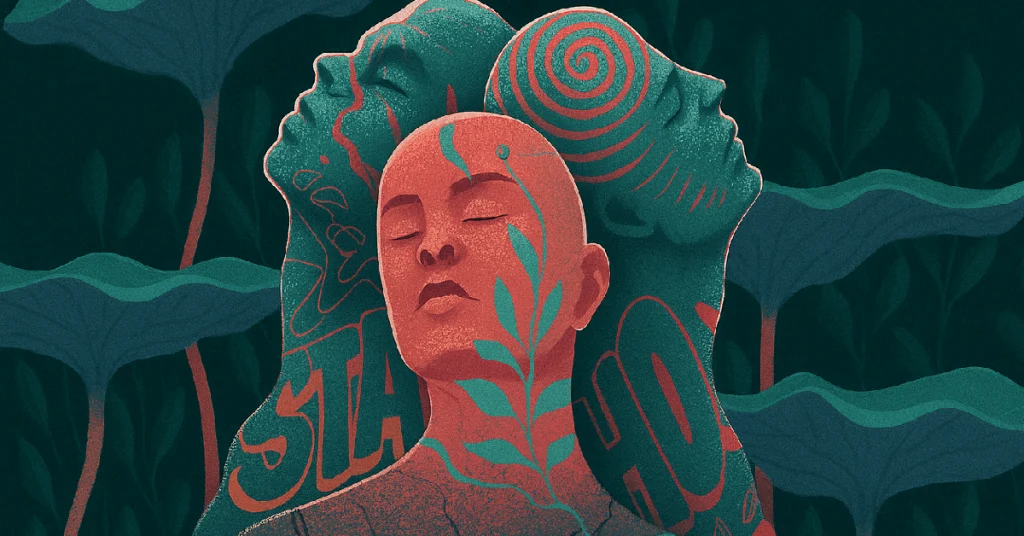
Integration: Where the Two Worlds Meet and the Real Healing Begins
If therapy is the translator and mushrooms are the amplifier, then integration is the conversation that follows. It’s where insights meet daily life, where “aha” moments turn into “I get it now.”
For me, post-journey integration looked like this: journaling after each microdose day, writing down everything that felt new or tender. Bringing those reflections into therapy sessions and unpacking what they meant. Practicing somatic awareness — noticing how emotions lived in my body instead of just in my head. Slowly, I began to trust myself in a way I never had before.
“Microdosing helped me hear myself more clearly,” a friend once told me. “Therapy helped me believe what I heard.” That, to me, sums it up perfectly.
This blend of self-guided exploration and therapeutic grounding is where real growth happens. The mushroom shows you what’s possible; therapy teaches you how to live it. It’s the marriage of intuition and intention — one that turns fleeting insights into lasting transformation.
Integration, I’ve learned, isn’t a phase — it’s a practice. It’s the quiet art of showing up for yourself long after the magic wears off. That’s the secret to sustainable healing.
The Bigger Picture: Why We’re All Looking for New Ways to Heal Anyway
So why are so many people trying to replace therapy with microdosing in the first place? The answer is layered — and deeply human. For one, therapy can feel inaccessible or overly clinical. Many Canadians face long wait times, expensive sessions, or burnout from retelling their trauma. Microdosing, on the other hand, feels intimate, organic, even spiritual. It offers what therapy sometimes can’t — a sense of wonder.
But there’s also a cultural shift happening. With legal access to psilocybin therapy expanding in cities like Toronto, Vancouver, and Ottawa, people are rethinking what healing can look like. Hybrid models — where licensed therapists collaborate with psychedelic facilitators — are starting to emerge across Canada. It’s less about choosing one side and more about bridging the two.
Maybe this is what the future of mental health looks like: shroom gummies and mindfulness, therapy and tenderness, science and spirit walking side by side. As Erin Lowe, the Vancouver facilitator, said, “It’s not about replacing therapy. It’s about remembering that healing is relational — between you, your mind, your medicine, and your world.”
Microdosing isn’t about escaping the work. It’s about remembering the work is worth doing. And in a world that often celebrates productivity over peace, maybe that’s the quiet revolution we need most.
🚀 See how microdosing can supercharge your ability to learn new skills and why there’s never been a better time to start
Rediscover Healing the Slow, Real, and Magical Way with Magic Mush Canada
If there’s one thing this journey taught me, it’s that healing isn’t linear — it’s cyclical, messy, and sometimes painfully slow. Microdosing gave me glimpses of freedom, while therapy gave me the tools to make that freedom sustainable. Together, they became the compass I didn’t know I needed. What started as a search for a shortcut became a lifelong practice of returning to myself, again and again.
The truth is, microdosing won’t replace therapy — and it shouldn’t. What it can do is enhance it, deepen it, and remind you that healing doesn’t have to be sterile or joyless. It can be creative, embodied, and even a little magical. When used consciously, psilocybin becomes less of a hack and more of a guide — one that helps you make peace with the slow unfolding of becoming whole.
And this is where Magic Mush Canada comes in. We’re not here to sell you a miracle — we’re here to walk beside you as you explore your own. At Magic Mush Canada, we believe in safe, intentional, and compassionate journeys with psilocybin. Whether you’re curious about microdosing in Canada or exploring deeper therapeutic work, we offer the resources, education, and high-quality products to support you.
We’re proud to be part of a movement that’s destigmatizing magic mushrooms in Canada, creating a space where healing isn’t something to hide but something to celebrate. From mushroom chocolate to microdose capsules, everything we offer is crafted with integrity, love, and care.
So if you’re ready to begin — or begin again — we invite you to join our community. Learn, explore, and find your own pace with us. Healing doesn’t have to be rushed. It just has to be real.

