
I once thought I could level up my healing by combining everything at once. It was a somatic breathwork retreat, and I decided to take a low dose of psilocybin, thinking it would help me dive deeper into my emotional patterns. At first, curiosity fueled me, excitement even. But within minutes, the combination of the mushrooms, the intense breathing, and the energetic guidance of the facilitators began to feel like too much. My heart raced, my mind spun, and emotions I hadn’t touched in years started bubbling up like a flood I wasn’t prepared for. I curled into myself, trying to ground, trying to remember my intention, and realized I had pushed too far too fast. I wasn’t ready for the depth I thought I could handle.
On the flip side, there have been moments when gentle stacking worked beautifully. A slow forest walk with a microdose of psilocybin, soft music in the background, and mindful breathing allowed feelings of grief and joy to surface in a safe, manageable way. The difference between these experiences wasn’t the mushrooms—it was the pace, the preparation, and the respect for my own nervous system. Stacking can enhance trauma healing, but only when approached with care, patience, and awareness. It’s not about piling on tools—it’s about knowing when and how to let them support your process.
🍄Explore the surprising ways psychedelic healing might actually trigger your body’s immune response in my latest guide
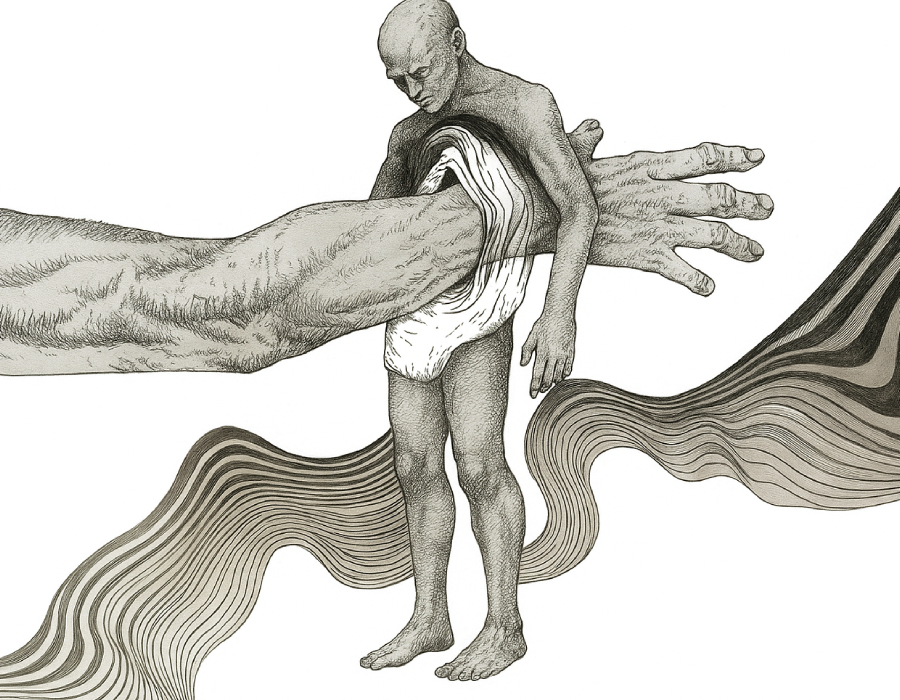
Let’s Break Down What “Stacking” Actually Means and Why It Can Be Both Amazing and Risky When Trauma Is Involved
In the context of healing, “stacking” refers to combining psychedelics with other tools, practices, or modalities to enhance your experience. People do it for many reasons: to deepen insight, to accelerate emotional processing, or to feel like they’re “leveling up” their therapy practice. Common stacks include psilocybin paired with breathwork, somatic movement or yoga, sound therapy, guided shadow work, or even certain psychotherapeutic methods like EMDR or Internal Family Systems. Some adventurous individuals even stack with cannabis or other substances, though these combinations carry more risk than reward.
Stacking can be incredibly potent, but trauma changes the rules. Trauma narrows the nervous system’s window of tolerance, which means that piling on intense inputs can easily overwhelm, fragment, or retraumatize. The difference between helpful and harmful stacking often comes down to pacing, intentionality, and support. Neuroscience tells us that psychedelics can loosen defenses, allowing memories or sensations to surface that the body previously blocked. Without grounding practices or skilled facilitation, however, these emerging experiences can feel like a tidal wave instead of a gentle tide, creating dysregulation rather than transformation.
Why People Try Stacking and How to Know If It’s Rooted in Curiosity or Just Chasing Sensation
There’s a strong desire for efficiency in today’s wellness culture. Biohacking, high-stimulation retreats, and Instagram-friendly “transformative experiences” can make us feel like we need to do everything at once to get results. This isn’t inherently wrong—curiosity can be a powerful motivator—but it becomes risky when stacking is compensating for unresolved emotions, impatience, or the desire for a quick fix.
Intentional stacking looks like a carefully curated set of practices, paced for safety and integration. Ego-driven or sensation-seeking stacking often skips reflection and integration, leaving the participant at risk for emotional flooding or shutdown. Understanding your motivations, capacity, and nervous system literacy is essential before adding layers to your healing experience.
Check out this magic mushroom!!

A.P.E Psilocybin Chocolate Bar
$60.00Dried Penis Envy Magic Mushrooms
Price range: $60.00 through $240.00Golden Teacher Gummies for Microdosing
$25.00


How Trauma Changes the Rules and Why More Intense Isn’t Always More Healing
Trauma affects not only memory but the nervous system itself. For many people, the window of tolerance—the sweet spot where arousal, safety, and engagement balance—is smaller than average. Psychedelics can help expand this window temporarily, but adding too many inputs or too much intensity can push the system beyond its capacity. Emotional flooding, dissociation, or a sense of being trapped in one’s own body can occur if the nervous system isn’t adequately prepared.
This is why stacking needs to be trauma-informed. Integration-driven stacking—where each element is paced, supported, and reflective—enhances healing. Sensation-seeking stacking, on the other hand, may feel exciting in the moment but can leave unresolved trauma amplified or fragmented. Recognizing the difference is crucial: “more intense” does not equal “more healing.” It’s about quality, timing, and support, not quantity.
When Gentle Stacking Actually Helps and Can Lead to Deep, Meaningful Release
Gentle, intentional combinations can be incredibly supportive when done thoughtfully. Psilocybin combined with somatic therapy, nature immersion, or slow, mindful breathing can allow suppressed emotions to surface safely. These stacks work best with guidance from someone trained in trauma-sensitive practices and include post-session support to help process what comes up.
The benefits aren’t always dramatic—they may show up as subtle shifts in perception, small emotional releases, or a sense of clarity and calm. By pacing the experience and honoring the nervous system’s limits, gentle stacking can enhance trauma healing without overwhelming the body or mind. Even a small, intentional stack can create ripples of insight that last long after the session ends.
When Stacking Hurts More Than It Helps and What Signs to Watch For
Stacking becomes harmful when too many “inputs” are layered without support, preparation, or regulation skills. Combining multiple intense modalities without a clear framework can lead to dissociation, blankness, emotional shutdown, or the impulse to “fix” the experience with yet another stack. Feeling “too much, too fast,” confusing emotional flooding with transformation, or needing constant escalation are red flags that the nervous system is overwhelmed.
These moments are not failures—they are signals from your body and mind indicating that the stack exceeded your window of tolerance. Recognizing these signs early, pausing, and recalibrating is far more productive than pushing further. Respecting the nervous system’s limits is a critical component of trauma-informed psychedelic practice.
🍄Discover the 7 stages of trauma healing and how you can transform your pain into growth in my latest guide
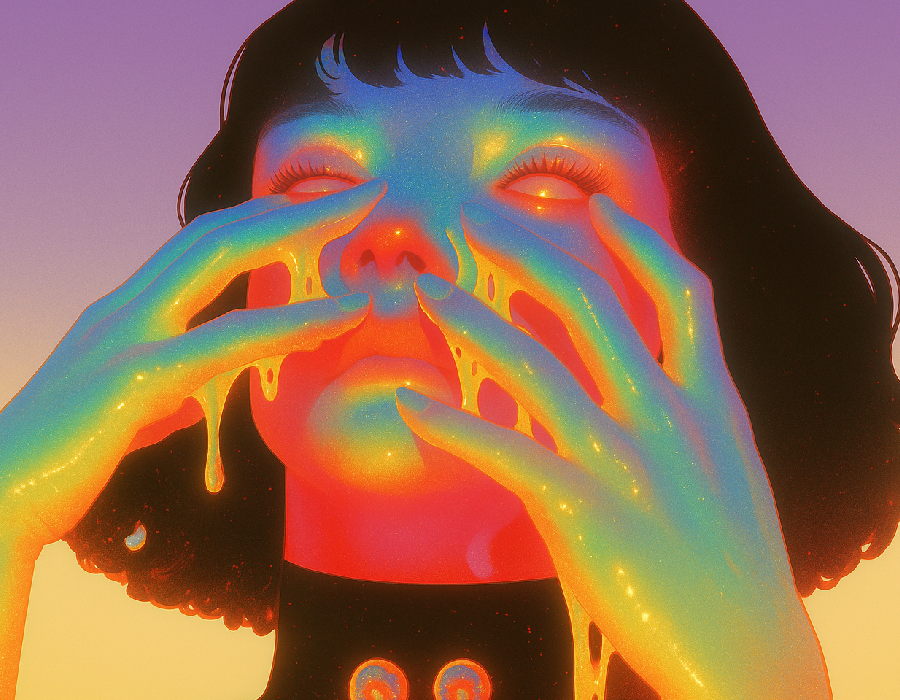
How to Decide Whether a Stack is Right for You and Your Nervous System
Before layering multiple practices, ask yourself why you want to do it. Are you trying to deepen healing, or are you chasing intensity or novelty? Do you have the emotional capacity, tools, and support network to hold what may surface? Answering these questions honestly helps you determine whether stacking will enhance your journey or create unnecessary risk.
Remember, less is often more. Thoughtful pacing, reflection, and careful selection of modalities are far more effective than piling on experiences. Respect your body’s wisdom, and don’t feel pressured to match someone else’s “optimal” stack. The right combination is deeply personal, informed by curiosity, and guided by care for your own nervous system.
How Psilocybin Interacts With Other Healing Modalities and What That Means for Trauma Work
Psilocybin is unique in how it can loosen emotional and cognitive defenses, allowing trauma material to surface in a controlled and reflective environment. When combined with body-based modalities like somatic therapy, slow yoga, or nature immersion, it can gently support insight, release, and recalibration. Low-dose approaches or microdosing can also act as a primer, helping the nervous system build trust with the medicine over time.
At the same time, risky combinations—stacking psilocybin with MDMA, cannabis, or intense breathwork without a skilled facilitator—can overwhelm the system. The key is intentionality, pacing, and support. Integrating mushrooms into trauma work requires respect for both the potency of the medicine and the fragility of the nervous system, ensuring that every session leaves space for processing, insight, and healing.
🍄Discover what the Stamets Stack is and how it could enhance your psychedelic experiences in my guide
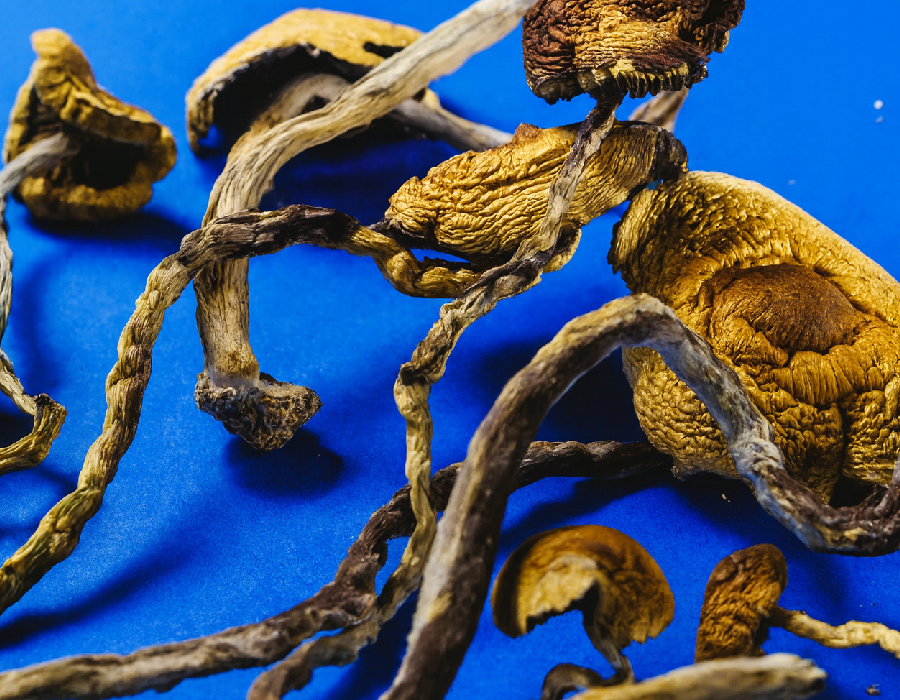
Sometimes Slowing Down is the Most Powerful Stack You Can Do—Trust Your Body and Go at Its Pace
When it comes to trauma healing with psychedelics, it’s easy to fall into the trap of thinking that stacking more tools, substances, or modalities automatically means faster or deeper results. I’ve been there myself—trying to combine psilocybin, breathwork, intense movement, and sound therapy all at once, thinking I was “leveling up” my healing. What I discovered the hard way was that my nervous system wasn’t prepared for that kind of intensity. I ended up emotionally flooded, dissociating in some moments, and feeling like I’d failed before I even really began. It was humbling, and it taught me a lesson that I now carry into every healing session: sometimes, less is more.
Slowing down is not about doing nothing—it’s about giving your nervous system permission to process what’s already present. Trauma changes the body’s threshold for stimulation, often narrowing the window of tolerance, and piling on modalities too quickly can push someone right out of that window. When you slow down, even a single, gentle stack—like a low dose of psilocybin paired with mindful breathwork or a quiet walk in nature—can be far more impactful than a “super session” filled with multiple high-intensity practices. Your body, your mind, and your nervous system have their own rhythm, and respecting that rhythm is where real healing begins.
This slow approach allows for subtle but profound insights. When you give yourself the space to simply be with the medicine, without overloading with inputs, you can notice micro-shifts in emotional patterns, awareness, or somatic sensations. Perhaps a held tension in your chest finally releases, or a memory surfaces that was previously inaccessible. These small moments might not feel dramatic in the moment, but they are often the most sustainable and meaningful shifts in the long run. In fact, many trauma-informed facilitators emphasize that healing is rarely linear—it accumulates gradually, and the quiet, steady work often produces the deepest transformation.
Patience also allows for better integration. One of the biggest risks of stacking aggressively is that your nervous system doesn’t have the chance to integrate the experience before the next stimulation hits. Slowing down, practicing grounding techniques, and respecting the body’s cues give your system time to absorb, process, and weave the insights into your everyday life. Integration isn’t just about reflecting on what happened; it’s about how the experience subtly changes your perceptions, emotional regulation, and responses in daily life. When you pace yourself, the nervous system can adapt and reorganize safely, which is especially critical when trauma is involved.
Finally, slowing down teaches trust—trust in your body, trust in the medicine, and trust in your own healing process. The nervous system is incredibly intelligent, often guiding you toward what it can safely handle at any given moment. By listening, honoring, and pacing yourself, you cultivate resilience and create a foundation for more profound work later. This isn’t about avoiding growth or seeking comfort; it’s about building capacity, presence, and safety so that when deeper layers of trauma do surface, you’re prepared to navigate them with awareness and support.
🍄Explore the signs of emotional trauma in adults and learn how to start healing from within in my latest guide

Don’t Overcomplicate Your Healing—Trust Magic Mush Canada to Help You Navigate Stacking Safely
After diving into how stacking can both support and overwhelm trauma healing, it’s clear that intentionality, pacing, and awareness are the keys to a successful experience. Stacking isn’t about doing more; it’s about doing what your nervous system can handle, with safety, support, and integration at the forefront. Gentle combinations—like low-dose psilocybin paired with somatic therapy, nature walks, or mindful breathing—can create meaningful, lasting shifts, while piling on intense modalities too quickly can leave you feeling dysregulated or emotionally flooded. Knowing your capacity, understanding the signals from your body, and choosing practices that meet you where you are are the foundations of trauma-informed stacking.
Ultimately, stacking should be about deepening your healing, not racing through it. The nervous system needs time to adjust, process, and integrate each layer of experience. Even small, subtle shifts—emerging from thoughtful, well-paced stacks—can prepare you for profound insights and long-term growth. Recognizing that less can be more allows the nervous system to stay within its window of tolerance and makes the healing process both safer and more sustainable. Thoughtful, mindful stacking is a tool for empowerment, not a measure of spiritual or therapeutic achievement.
This is where Magic Mush Canada comes in. Think of them as your friendly guide in the sometimes-confusing world of psilocybin and stacking. They’re not just a shop—they’re a team of people who genuinely care about helping you explore magic mushrooms safely and intentionally. Whether you’re curious about microdosing, experimenting with gentle trauma-informed stacks, or just want reliable information before diving in, they’ve got your back. They treat the process as a journey, not a checklist, giving you confidence in your choices and supporting your learning every step of the way.
At Magic Mush Canada, the focus isn’t on hype—it’s on helping you have meaningful experiences with magic mushrooms, backed by education, rigorous testing, and a supportive approach. Their products are high-quality, their team is approachable, and their guidance makes even complex concepts like stacking feel accessible. You don’t have to go it alone—they provide tools, tips, and insight that make experimenting with psychedelic healing safe, understandable, and even enjoyable.
Plus, Magic Mush Canada makes the practical side of things a breeze. Seamless online shopping, privacy, and excellent customer support mean you can focus on your healing journey instead of worrying about logistics. And beyond the products, they foster a supportive community where questions, curiosity, and shared experiences are welcomed. Whether it’s your first careful step into stacking or you’re refining a trauma-informed practice, Magic Mush Canada is there as a trusted partner and friendly guide.
By keeping safety, education, and support at the center, “Magic Mush Canada” helps ensure that stacking enhances your healing instead of overwhelming it. Think of them as the buddy you wish you had when you were first exploring psilocybin—a knowledgeable, patient, and approachable friend who can help you navigate the nuances of trauma-informed psychedelic work with confidence and care.

