The first time I ever heard about something called a Hippie Flip, it honestly sounded like a secret password into another dimension. “It’s mushrooms and MDMA together,” someone told me, as if that was the most normal suggestion in the world. On paper, it sounded like a recipe for bliss—heart-bursting joy from the MDMA mixed with the magic, mystical textures of psilocybin. But at the same time, there was this little voice in the back of my head whispering: Is this wise? Or is this just reckless curiosity dressed up as spiritual exploration?
I didn’t know anyone personally who had actually gone through one of these combos and lived to tell the tale with any real detail. Sure, people at festivals would throw around stories about Candy Flips or Jedi Flips like they were talking about cocktails at a bar, but no one explained what it actually felt like—or what the risks might be. And for a while, that hesitation kept me in check. Part of me was curious, but part of me also knew that mixing powerful substances isn’t something to take lightly. That tension—the pull toward adventure and the grounding voice of caution—is what really frames the whole conversation about psychedelic combos.
🍄 Explore the Stamets Stack and see if it’s the perfect addition to your psychedelic adventures, from hippie flips to Jedi flips and beyond

So, What’s the Deal With All These “Flips” People Keep Talking About Anyway?
If you’ve been around psychedelic spaces, you’ve probably heard the terms Hippie Flip, Candy Flip, or Jedi Flip thrown around. They sound playful, but the truth is they’re anything but simple. A Hippie Flip usually means combining MDMA with psilocybin mushrooms. A Candy Flip is MDMA plus LSD. And the infamous Jedi Flip is the heavyweight champion of them all, mixing MDMA, LSD, and mushrooms together in one big cosmic cocktail.
These combos aren’t new—they’ve been around since the 80s and 90s rave scenes, when people were experimenting with all sorts of ways to amplify euphoria, connection, and visuals. But in recent years, they’ve been resurfacing in conversations not just in party culture, but also among psychonauts who are genuinely curious about consciousness exploration. Still, it’s important to remember: just because people have been doing it for a while doesn’t mean it’s automatically safe. Mixing psychedelics requires more care, preparation, and self-awareness than taking a single substance on its own.
Breaking Down the Classics: From Hippie Flips to Jedi Flips
Let’s get into the details of the big three. The Hippie Flip—MDMA plus mushrooms—is often described as deeply heart-opening, where the emotional warmth of MDMA smooths out the sometimes jagged edges of a mushroom trip. Many people say it feels like the best of both worlds, but of course, that’s if everything goes well.
The Candy Flip, which pairs MDMA with LSD, tends to lean more into the colorful, kaleidoscopic visuals of LSD, with MDMA acting as a booster for emotional euphoria. It’s often considered a “classic” rave combo. The Jedi Flip, though, is where things get truly intense. It stacks MDMA, LSD, and mushrooms together, creating a layered experience that can be ecstatic, confusing, overwhelming, or all of the above. Some call it the ultimate trip; others call it a recipe for biting off way more than you can chew.
Then there are the lesser-known combos—things like mixing ketamine with mushrooms, or DMT with an MAOI. These aren’t as common, but they do exist in certain circles. The important thing to remember with all of these is that each added compound doesn’t just add intensity—it multiplies complexity.
🍄 Discover the fascinating life of Timothy Leary, his groundbreaking work with LSD, and how he inspired a generation to tune in, turn on, and drop out

How Do These Substances Actually Interact in the Brain?
Here’s where things get interesting. MDMA primarily works by flooding your brain with serotonin, along with some dopamine and norepinephrine, which creates that euphoric, loving feeling. Mushrooms and LSD, on the other hand, bind primarily to serotonin 2A receptors, which is what creates the visual and consciousness-expanding effects.
When you mix them, you’re essentially layering different mechanisms of action on top of each other. MDMA lifts the mood and softens fear, while psilocybin or LSD expand perception. Timing matters a lot—most people take MDMA first, then the psychedelic an hour or two later, so that the peak of one overlaps with the rise of the other. If the timing is off, it can lead to overstimulation or emotional whiplash, where the body and mind feel out of sync. And in some cases, there are real risks, like serotonin syndrome if you overload your system, or just plain burnout from pushing your brain too hard.
Why Do People Mix These in the First Place (and Why Is It So Risky)?
At the heart of it, people combine psychedelics because they’re curious. They want to explore emotional depth, push past barriers, or stretch out the joy of one substance by weaving it with another. MDMA in particular is seen as a way to add softness and warmth to a trip that might otherwise feel sharp or unpredictable.
But that’s where the risk lies. MDMA can actually mask the anxiety that sometimes signals when a trip is going sideways, making it harder to recognize red flags early. And while it’s tempting to think of mixing as a way to “go deeper,” sometimes it just overwhelms the nervous system. There are also longer-term risks to consider—MDMA has some neurotoxicity concerns, especially with frequent use, and stacking it with other intense substances doesn’t do your brain any favors.
Check out this magic mushroom!!

A.P.E Psilocybin Chocolate Bar
$60.00Dried Penis Envy Magic Mushrooms
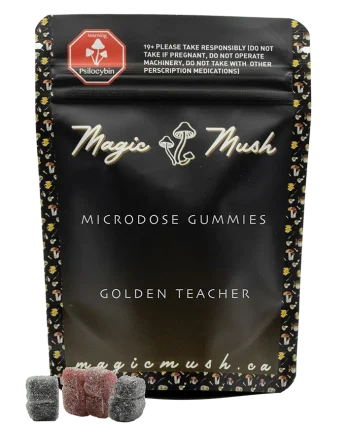
Price range: $60.00 through $240.00Golden Teacher Gummies for Microdosing
$25.00


Okay, So How Do You Even Begin to Approach This Safely If You’re Curious?
If you’ve found yourself curious about microdosing or exploring dried magic mushrooms in general, you’re definitely not alone. A lot of people have heard the buzz, maybe read a few personal stories, or even stumbled across research showing how psilocybin could help with mood, anxiety, creativity, or connection. But here’s the thing: curiosity is only step one. What really matters is figuring out how to approach this whole experience with a sense of care, intention, and safety. Mushrooms aren’t just another supplement you pop into your morning routine—they interact with your mind in profound ways, and respecting that from the very start is key.
The first thing to think about is why you’re even interested. Are you looking for relief from stress or anxiety? Do you want to see if microdosing can help you feel more present and less scattered? Or are you simply curious about what others mean when they talk about greater “clarity” or “connection”? Getting honest with yourself about your intention helps shape the kind of experience you’ll have. Without that clarity, it’s easy to end up chasing an undefined goal, which usually leads to disappointment or, at the very least, confusion about what you’re actually getting out of it.
Next, let’s talk about the importance of starting small. If you’re microdosing, that means literally beginning with doses so small they shouldn’t feel overwhelming. Think of it like dipping a toe into the pool rather than cannonballing right into the deep end. Too much too soon doesn’t just make things uncomfortable; it can also make you less likely to want to try again, even if there might have been potential benefits for you at a lower, steadier dose. Remember, microdosing isn’t about “tripping” at all—it’s about subtle shifts that can gently nudge your perspective or energy in new directions.
Another piece of the puzzle is your environment and mindset. People often underestimate how much the set and setting matters. If you’re trying this for the first time, do it on a day when you don’t have big obligations hanging over your head. Give yourself space, whether that’s a quiet morning at home, a walk in nature, or even just an uncluttered space where you feel calm. Pair that with a mindset of openness and curiosity, rather than pressure to have some huge breakthrough. When you take away expectations and replace them with patience, the whole process feels a lot more sustainable and less intimidating.
And then there’s the question of who you trust to guide you through this. This doesn’t necessarily mean hiring a professional guide (though that exists), but it does mean being thoughtful about where your mushrooms come from and what kind of community you connect with. Sourcing matters a lot. You want to know what you’re putting into your body, and the truth is not all products out there are created equal. High-quality mushrooms that have been handled with care are a world apart from something random you got without context. The same goes for information—learning from experienced, reliable sources helps you feel less like you’re fumbling in the dark.
Finally, let’s be real: this is not for everyone, and that’s okay. If you’re dealing with certain mental health conditions, are on specific medications, or have a personal or family history of psychosis, mushrooms may not be the safest path. That doesn’t make your curiosity wrong—it just means that part of approaching this safely is knowing when it’s not the right time, or maybe not the right tool for you at all. Sometimes, the best thing you can do for yourself is to pause and get more informed before moving forward.
At the end of the day, approaching mushrooms with caution isn’t about killing the vibe or scaring you off. It’s about making sure that if you do step into this world, you do it in a way that’s thoughtful, grounded, and ultimately supportive of your goals. Think of it less like chasing some wild experience and more like building a healthier relationship with yourself. Done with intention, mushrooms can be a beautiful part of that.
🍄 Explore what truly makes a mushroom journey sacred and who has the right to define its meaning

When Is It a Flat-Out Bad Idea to Mix?
Let’s be blunt: if you’re on SSRIs, have heart conditions, or haven’t yet had positive, grounded experiences with mushrooms, LSD, or MDMA individually, mixing is a bad idea. It’s also risky if you’re approaching it with the wrong mindset—if you’re trying to chase a peak experience, impress friends, or heal trauma in one go, that’s usually a red flag. The truth is, these combos demand maturity, patience, and a willingness to back out if it doesn’t feel right.
Sometimes More Isn’t Better—It’s Just More
One of the easiest traps to fall into when exploring something as fascinating as psychedelics is the belief that bigger is always better. In a culture that constantly glorifies “more”—more productivity, more possessions, more intensity—it feels natural to assume that taking a larger dose of psilocybin will automatically mean a more powerful, more transformative experience. But the truth is that more isn’t always better. Sometimes, more is just… more.
When people push past what they’re ready for, they often end up overwhelmed rather than enlightened. The insights that could have unfolded gently get buried under a tidal wave of sensory overload, anxiety, or confusion. Instead of connecting with yourself, you can find yourself lost in spirals of thought that feel unmanageable. It’s the equivalent of turning the volume up so high on your favorite song that all you hear is distortion—you lose the beauty in the noise.
That’s why microdosing and mindful, intentional approaches are so valuable. Smaller doses allow space for clarity and reflection. They give you the chance to notice subtle shifts in your thinking, your mood, and your sense of presence without drowning in them. Sometimes it’s the gentlest ripple, not the crashing wave, that actually changes the course of your journey. Those micro-moments—feeling less anxious while running errands, noticing more patience with your kids, or simply enjoying a quiet cup of coffee—can add up to transformations that feel more sustainable than one overwhelming night.
It’s also worth remembering that mushrooms are not a race or a competition. There’s no scoreboard for who took the most or who “tripped the hardest.” The point is growth, healing, and curiosity. And in those areas, restraint is often more powerful than excess. By taking the time to start slow, listen to your body, and honor your own pace, you create the right environment for genuine breakthroughs to happen naturally, without force.
In a way, mushrooms remind us of a lesson life itself keeps teaching: fulfillment doesn’t come from piling on more. It comes from learning how to appreciate what’s already here, what’s subtle, and what unfolds with time. More mushrooms don’t necessarily mean more meaning. But the right dose, at the right time, with the right mindset? That’s where the real magic happens.
🍄 Discover how mushrooms and cannabis compare, interact, and enhance each other for a unique psychedelic experience

Discover the Magic Today with Magic Mush Canada
We’ve gone through quite a journey in this article, exploring how magic mushrooms have the potential to transform the way people approach healing, self-discovery, and personal growth. From their rich history to their therapeutic promise, it’s clear that shrooms are no longer just a counterculture symbol but are becoming a respected tool in mental health and wellness. Science is catching up with what many already know: psilocybin can open doors to deeper understanding, help people navigate anxiety and depression, and even bring clarity in times of stress or burnout.
At the same time, it’s just as important to approach this space with safety, respect, and a reliable source you can actually trust. The mushroom world is fascinating, but it can also feel overwhelming or intimidating if you’re new to it. That’s where having the right guidance and community makes all the difference.
And honestly, this is where I’ve gotta let you in on something I personally recommend: Magic Mush Canada. If you’ve ever thought about exploring mushrooms—whether it’s for microdosing, a deeper trip, or simply learning more—you’re going to want a place that’s not just selling you a product, but actually cares about your journey. That’s exactly what Magic Mush Canada is about. They’re not some faceless store; they’re more like that friend who’s been down the path already and is now showing you the ropes.
What I really like about Magic Mush Canada is that they take all the sketchiness out of the experience. You get top-quality mushrooms that are carefully tested, plus a ton of educational resources so you actually feel confident about what you’re doing. And the best part? Their whole vibe is about making this feel safe, judgment-free, and even kind of exciting. Think of it like a community that’s rooting for you while you figure out what works best for your own wellness.
So, if you’ve been curious and you’re ready to take that next step, I’d say go check out Magic Mush Canada. It’s not just about shopping—it’s about joining a space where people are exploring something powerful together. Trust me, it feels way better when you know you’ve got a solid, supportive source by your side.