Before psychedelics became something your therapist could prescribe or your favorite podcaster casually discussed, they were outlawed, misunderstood, and dangerously politicized. And before microdosing apps and clinical psilocybin trials, there was Timothy Leary—a man who didn’t just experiment with psychedelics but tried to rewire the very operating system of Western consciousness. He wasn’t just taking LSD in a lab; he was trying to dissolve the walls of the lab itself. And somehow, despite being branded a heretic, a fugitive, and even “the most dangerous man in America” by President Nixon, he became a cultural lighthouse for an entire generation hungry for something deeper, freer, and more real.
The first time I heard Timothy Leary’s voice, I had no idea who he was. It was buried in an ambient track on a downtempo psychedelic chill-out album—something I used to listen to on long drives through the mountains when I was still figuring myself out. His voice cracked through the layered synths like some dusty cosmic telegram: “Turn on, tune in, drop out.” I didn’t understand it then. But it felt important. I wrote it down in a notebook, not knowing what it meant, but somehow sensing that it wasn’t just a slogan—it was a riddle I’d eventually have to solve.
Years later, after my first mushroom journey—alone in nature, headphones on, heart open—his words came back to me like a ghost from a wilder past. They suddenly made sense, not in a logical way, but in that intuitive, soul-level way psychedelics have of speaking to you. It wasn’t about dropping out of society entirely—it was about stepping out of unconscious living and reclaiming the script of your life. Timothy Leary, I realized, wasn’t just a man who loved LSD. He was offering a blueprint for spiritual rebellion, for mental liberation, and for reconnecting with something real in a world that often feels unreal.
This article is an invitation to explore who Timothy Leary really was—beyond the caricature, beyond the backlash. It’s a deep dive into the man, the movement, and the message that still resonates today, especially as we witness the modern psychedelic renaissance. From the Harvard Psilocybin Project to his wild public persona, and from the birth of “set and setting” to his controversial role in the psychedelic counterculture, Leary’s story is equal parts cautionary tale and timeless inspiration. Whether you’re a seasoned psychonaut or just curious about the history of LSD and where it all began, you’re in the right place.
READ: What is Psilocybin? Uncovering the Science and Spirit of the Magic Mushroom
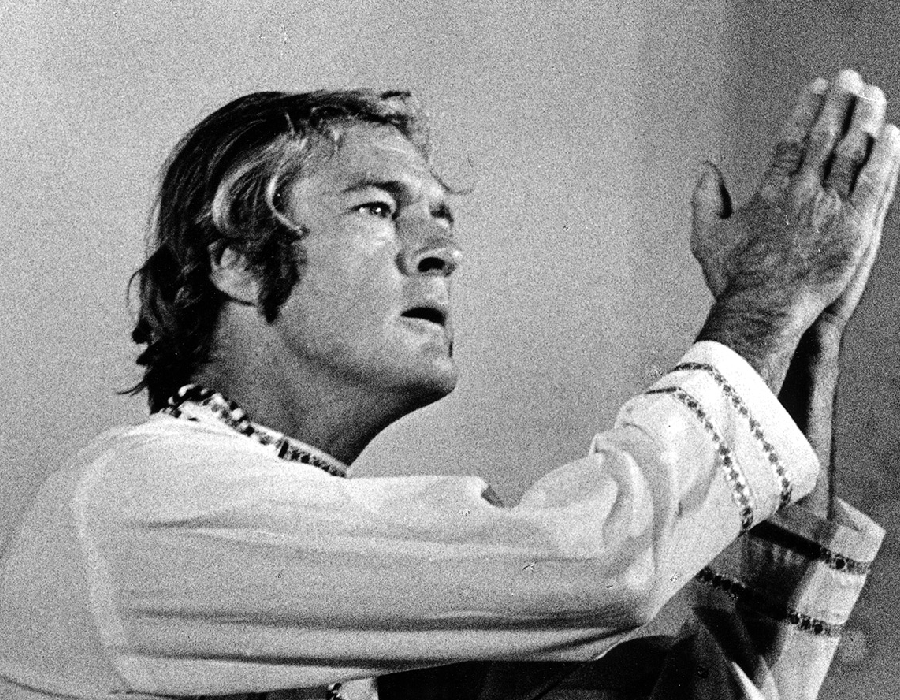
Who Was Timothy Leary?
Timothy Leary was born on October 22, 1920, in Springfield, Massachusetts. He earned a Ph.D. in clinical psychology from the University of California, Berkeley, and later joined the faculty at Harvard University. Initially, Leary was a respected academic, known for his work on personality and group dynamics. However, his trajectory changed dramatically after a life-altering experience with magic mushrooms in Mexico in 1960. This encounter convinced him of the profound potential of psychedelics to expand human consciousness.
Upon returning to Harvard, Leary, along with colleague Richard Alpert (later known as Ram Dass), launched the Harvard Psilocybin Project. Their research aimed to explore the effects of psilocybin on the human mind, administering the compound to graduate students, prisoners, and even religious figures. The project quickly garnered attention—and controversy—for its unorthodox methods and the involvement of researchers in the experiments themselves.
The Harvard Psilocybin Project: Science Meets Spirituality
The Harvard Psilocybin Project, active from 1960 to 1962, was groundbreaking in its ambition to study psychedelics within an academic framework. Leary and Alpert believed that substances like psilocybin could unlock deeper layers of the psyche, facilitating personal growth and spiritual insight. They conducted experiments such as the Concord Prison Experiment, which investigated whether psilocybin could reduce recidivism rates among inmates, and the Marsh Chapel Experiment, which examined the potential of psychedelics to induce mystical experiences in religious settings.
However, the project’s methods raised eyebrows. Critics accused Leary and Alpert of blurring the lines between researchers and participants, as they often took the substances alongside their subjects. Concerns about the ethical implications and scientific rigor of their work led to increasing scrutiny from Harvard administrators. In 1963, both Leary and Alpert were dismissed from the university, marking a turning point in Leary’s career and propelling him into the national spotlight.
READ: How Long Does Psilocybin Stay in Your System? The Truth About Shroom Metabolism

Set and Setting: A Paradigm Shift in Psychedelic Use
One of Leary’s most enduring contributions to the field of psychedelics is the concept of “set and setting.” He emphasized that the effects of psychedelic substances are profoundly influenced by the individual’s mindset (“set”) and the physical and social environment (“setting”) in which the experience occurs. This framework shifted the narrative around psychedelics from one of unpredictable chaos to one of intentional exploration.
Leary’s focus on set and setting laid the groundwork for modern approaches to psychedelic therapy. Today, clinical studies often incorporate carefully controlled environments and psychological preparation to maximize therapeutic outcomes. Leary’s insights into the importance of context continue to inform best practices in the field, underscoring his lasting impact on the responsible use of psychedelics.
From Academic to Counterculture Icon
After his departure from Harvard, Leary became a prominent figure in the 1960s counterculture movement. He advocated for the widespread use of psychedelics as tools for personal liberation and societal transformation. Leary’s charismatic personality and provocative slogans, such as “Turn on, tune in, drop out,” resonated with a generation seeking alternatives to mainstream values.
Leary’s activism extended beyond academia. He aligned himself with various countercultural groups, participated in public demonstrations, and even ran for governor of California. His outspoken support for LSD and other psychedelics drew the ire of authorities, leading to multiple arrests and legal battles. In 1970, President Richard Nixon labeled him “the most dangerous man in America,” reflecting the extent to which Leary had become a symbol of rebellion.
Check out this magic mushroom!!

A.P.E Psilocybin Chocolate Bar
$60.00Dried Penis Envy Magic Mushrooms
Price range: $60.00 through $240.00Golden Teacher Gummies for Microdosing
$25.00


Criticism and Controversy
While Leary inspired many, he also faced significant criticism. Detractors argued that his promotion of psychedelics lacked caution and contributed to the backlash that led to the criminalization of these substances. Some accused him of prioritizing publicity over scientific integrity, noting that his flamboyant persona sometimes overshadowed the seriousness of his message.
Moreover, Leary’s encouragement of widespread LSD use without adequate safeguards raised concerns about potential psychological risks. Critics contended that his approach lacked the structure necessary to ensure safe and meaningful experiences. Despite these controversies, Leary’s role in bringing psychedelics into public discourse is undeniable, and his influence continues to spark debate within the psychedelic community.
Legacy in the Modern Psychedelic Renaissance
In recent years, psychedelics have experienced a resurgence in scientific and public interest. Research institutions like Johns Hopkins University and Imperial College London are conducting studies on the therapeutic potential of substances like psilocybin and LSD. These contemporary investigations often echo themes that Leary championed decades ago, such as the capacity of psychedelics to facilitate profound psychological insights.
However, today’s psychedelic research emphasizes controlled environments, standardized protocols, and clinical oversight—elements that were often absent in Leary’s era. While modern scientists may distance themselves from Leary’s more radical methods, his early advocacy laid the foundation for the current exploration of psychedelics as legitimate tools for healing and self-discovery.
READ: The Ultimate Psilocybin Microdosing Guide: Benefits, Risks & How to Get Started

Microdosing and Daily Consciousness Expansion
Although Leary did not practice microdosing, his philosophy aligns with the principles underlying this modern trend. Microdosing involves taking sub-perceptual doses of psychedelics to enhance cognitive function, creativity, and emotional well-being. Leary’s emphasis on daily mental flexibility and the continuous evolution of consciousness mirrors the intentions of many who engage in microdosing today.
Leary’s belief in the potential of psychedelics to facilitate personal growth and societal change resonates with contemporary movements that advocate for the integration of these substances into daily life. His vision of psychedelics as catalysts for transformation continues to inspire those seeking to expand their minds and challenge conventional paradigms.
Tune In, Turn On, and Reconsider
Whether you admire him or critique him, Timothy Leary made one thing impossible: ignoring the potential of psychedelics. In a time when the world is waking up—again—to the power of mushrooms, his legacy is worth re-examining. Leary’s life serves as a testament to the complexities of pioneering uncharted territories of the mind. His audacity opened doors, sparked conversations, and challenged the status quo.
You don’t need to drop out to tune in anymore. But maybe, just maybe, it’s time to turn on your curiosity. As we stand on the cusp of a new era in psychedelic research and integration, revisiting Leary’s contributions can offer valuable insights into the promises and pitfalls of this transformative journey.
READ: Is Psilocybin Addictive? Here’s What Science Says

Turn On Your Curiosity and Journey Further with Magic Mush
Timothy Leary was more than just a firebrand of the 1960s—he was a catalyst for consciousness. From his early days as a Harvard psychologist co-leading the Psilocybin Project to his transformation into a psychedelic icon, Leary’s mission was to awaken minds and challenge norms. His signature phrase—“Turn on, tune in, drop out”—wasn’t just a slogan, but an invitation to step outside societal expectations and look inward. While his methods sparked controversy, Leary’s dedication to personal evolution and mental liberation ignited a movement that would reverberate through generations.
Today, his legacy lives on in both science and culture. Concepts like “set and setting” are now embedded in the foundation of modern psychedelic therapy. Although Leary never microdosed or followed today’s clinical protocols, his influence is visible in the resurgence of psilocybin research, the embrace of intentional use, and the growing public appetite for safe, meaningful psychedelic experiences. Whether viewed as a prophet, a rebel, or a provocateur, Timothy Leary made it impossible to ignore the power of psychedelics—and that power is being rediscovered today.
At Magic Mush, we proudly carry that legacy forward with intention, care, and integrity. As a trusted provider of premium magic mushrooms in Ottawa, we’re committed to helping individuals explore psilocybin safely and meaningfully. Our mission is rooted in education, accessibility, and the belief that psychedelics, when used with respect, can offer deep healing, creative breakthroughs, and personal insight. We take the guesswork out of your journey, offering only the highest-quality products like dried magic mushrooms, chocolate shrooms, and shroom gummies.
Whether you’re curious about microdosing, preparing for your first full trip, or diving deeper into consciousness, Magic Mush is here to support every step of your experience. With a seamless online shopping experience, discreet shipping, and a knowledgeable support team, we’ve built a safe, stigma-free space for Canadians to reconnect with the natural world and themselves. We’re not just a store—we’re your partner in self-discovery.
So if Leary’s call to “turn on” still echoes in your mind, let Magic Mush help you answer it. Join our growing community and explore the endless potential that lies within. Because the journey inward is the real revolution—and it starts here.