For centuries, magic mushrooms have been woven into the spiritual and medicinal practices of various cultures, revered for their ability to alter perception, expand consciousness, and provide profound introspective experiences. From ancient Mesoamerican shamans who used them in sacred rituals to modern psychonauts exploring their therapeutic potential, psilocybin mushrooms have captivated human curiosity for generations. But in recent years, what was once dismissed as a fringe or countercultural phenomenon is now taking center stage in serious scientific research and mental health discussions. The growing body of evidence suggests that magic mushrooms are not merely recreational hallucinogens but powerful tools capable of facilitating deep psychological healing, emotional breakthroughs, and even life-changing transformations.
At the heart of this renewed interest is psilocybin, the naturally occurring psychoactive compound found in magic mushrooms. When consumed, psilocybin is converted into psilocin, which interacts with serotonin receptors in the brain, leading to altered perception, heightened emotions, and shifts in cognition. These effects can range from mild sensory enhancements to deeply immersive psychedelic journeys, depending on the dosage, set, and setting. But beyond the visual distortions and mind-expanding effects often associated with shroom trips, researchers are uncovering something far more profound—psilocybin’s potential as a revolutionary treatment for mental health conditions. With promising studies showing its effectiveness in alleviating depression, anxiety, PTSD, addiction, and even existential distress, psilocybin is rapidly shifting from a misunderstood psychedelic to a groundbreaking therapeutic tool.
READ: Buddhism and Psychedelics: Spiritual Shortcuts or Disruptions on the Path?
But magic mushrooms are not just about clinical applications and scientific studies. Many individuals turn to microdosing for creativity, personal growth, and spiritual exploration. Artists, writers, musicians, and thinkers throughout history have credited psychedelics with expanding their minds and helping them break through creative blocks. Ancient cultures viewed them as sacred tools for connecting with higher realms of consciousness, while modern users often describe experiences of unity, interconnectedness, and a deep appreciation for life. Whether used in a therapeutic setting, for introspection, or to unlock new perspectives, magic mushrooms have a unique way of dissolving barriers and revealing deeper truths about existence.
As the conversation around psychedelics evolves, the need for education, responsible use, and safe access becomes more critical than ever. While magic mushrooms hold immense promise, they are not without risks—set, setting, and dosage all play crucial roles in determining the nature of the experience. Understanding the science, history, and best practices surrounding psilocybin use can empower individuals to approach these substances with knowledge and respect. With the increasing push for legalization and decriminalization in various parts of the world, society is on the brink of a psychedelic renaissance—one that could reshape how we view mental health, consciousness, and the potential of the human mind.
In this article, we will explore the world of magic mushrooms in depth, from their history and cultural significance to their therapeutic benefits, potential risks, and best practices for consumption. Whether you are new to the subject or an experienced psychonaut, this guide will provide valuable insights into the fascinating world of psilocybin. Magic mushrooms are more than just hallucinogens—they are tools for transformation, healing, and discovery. The journey begins with knowledge, and through understanding, we can unlock their full potential.
READ: Cultivating A Spiritual Practice: A Guide For Busy Lives

In-Depth Explanation
What is Psilocybin?
Psilocybin is a naturally occurring psychedelic compound found in over 180 species of mushrooms, commonly known as magic mushrooms or simply “shrooms.” This compound is the key ingredient responsible for the mind-altering effects that have fascinated, inspired, and sometimes mystified humans for centuries. When ingested, psilocybin is rapidly converted in the body into psilocin, the active metabolite that interacts with serotonin receptors in the brain, leading to altered perception, shifts in mood, and changes in cognitive function. Unlike synthetic hallucinogens, psilocybin is completely organic, produced by fungi that have evolved alongside humans for thousands of years.
The effects of psilocybin can vary significantly depending on the dose, the individual’s mindset, and the environment in which it is consumed. At lower doses, it can create subtle changes in sensory perception, enhanced creativity, and a heightened sense of connection to one’s surroundings. At higher doses, it can lead to profound psychedelic experiences, including vivid visual hallucinations, ego dissolution, and deep introspective or mystical states. These effects make psilocybin a unique compound, as it not only alters one’s perception of reality but can also bring about lasting psychological insights and emotional healing.
Psilocybin’s interaction with the brain is a major area of interest for neuroscientists and psychologists. The compound primarily binds to the 5-HT2A serotonin receptors, which play a crucial role in mood regulation, cognition, and perception. This activation leads to an increase in neuroplasticity, or the brain’s ability to form new neural connections. Studies have shown that under the influence of psilocybin, the brain enters a highly flexible and interconnected state, allowing different regions to communicate in ways that are not typically observed in normal consciousness. This may explain why individuals on psilocybin report experiencing enhanced creativity, novel insights, and a greater sense of emotional clarity.
READ: Buy Premium Aztec Gods Mushroom Strain for Quality Trips
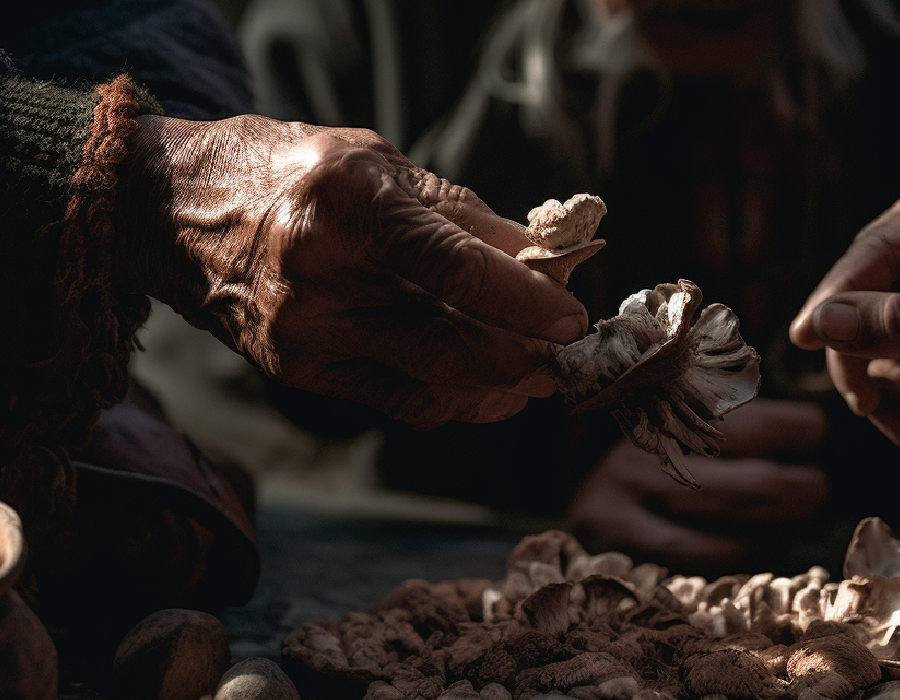
Historically, psilocybin-containing mushrooms have been used for spiritual and medicinal purposes by indigenous cultures around the world. The Aztecs referred to them as “teonanácatl,” meaning “flesh of the gods,” and they were often consumed in religious ceremonies to induce visionary experiences and communicate with divine entities. Similar traditions existed in regions of Central and South America, where shamans used psilocybin mushrooms for healing and divination. Even in modern times, many people who take psilocybin report experiencing profound spiritual awakenings, a deepened sense of unity with nature, and a greater appreciation for life’s interconnectedness.
In recent decades, scientific interest in psilocybin has surged, leading to a renaissance of psychedelic research. Clinical trials conducted at prestigious institutions such as Johns Hopkins University, Imperial College London, and NYU have demonstrated that psilocybin has significant therapeutic potential, particularly for mental health disorders. Studies have shown that psilocybin-assisted therapy can help heal depression without medication, reduce anxiety in terminally ill patients, and even assist in addiction therapy. Unlike traditional antidepressants, which must be taken daily and often come with unwanted side effects, psilocybin has been shown to create lasting positive changes in mood and behavior after just one or two guided sessions.
However, despite its promising benefits, psilocybin remains a controlled substance in many parts of the world. Its classification as a Schedule I drug in the United States and similar restrictions in other countries have hindered large-scale research and medical use. That said, recent decriminalization efforts in cities like Denver, Oakland, and Washington, D.C., as well as Canada’s progressive stance on psilocybin-assisted therapy, indicate a shifting perception regarding its legality and medical potential. As more studies continue to validate its safety and efficacy, there is growing hope that psilocybin will eventually be recognized as a valuable tool for mental health treatment.
Psilocybin is more than just a psychedelic compound—it represents a gateway to new ways of thinking, healing, and understanding the human mind. Whether used in controlled therapeutic settings, spiritual ceremonies, or personal exploration, its effects can be deeply transformative. As scientific research progresses and societal attitudes shift, psilocybin’s potential as a powerful agent of change becomes increasingly difficult to ignore. The resurgence of interest in magic mushrooms may very well mark the beginning of a new era in mental health treatment and consciousness exploration.
READ: 10 Signs You’re Going Through A Spiritual Awakening
Historical and Cultural Background
The use of psilocybin mushrooms dates back thousands of years. In Mesoamerican cultures, indigenous groups such as the Aztecs and the Mazatec people revered these mushrooms as sacred tools for spiritual enlightenment and healing. The Aztecs called them teonanácatl, meaning “flesh of the gods,” and used them in religious ceremonies to communicate with the divine.
In the modern era, psilocybin re-entered public consciousness in the mid-20th century. In 1955, R. Gordon Wasson, an American ethnomycologist, participated in a psilocybin ceremony with the Mazatec healer Maria Sabina in Mexico. His experience was later published in Life magazine, igniting widespread curiosity about magic mushrooms. Around the same time, Swiss chemist Albert Hofmann—the same scientist who discovered LSD—isolated and synthesized psilocybin, making it available for scientific study.
The 1960s saw an explosion of interest in psychedelics, largely fueled by figures like Timothy Leary and the counterculture movement. However, political and societal backlash led to the criminalization of psilocybin, effectively halting scientific research for decades. Today, we are witnessing a “psychedelic renaissance,” with institutions like Johns Hopkins University and Imperial College London spearheading new research into the therapeutic potential of psilocybin.
Scientific & Neurological Insights
At its core, psilocybin works by interacting with the brain’s serotonin system, specifically the 5-HT2A receptors. This interaction leads to increased neural connectivity, allowing different parts of the brain to communicate in novel ways. Studies have shown that psilocybin temporarily “dissolves” the default mode network (DMN)—the brain’s central hub for self-referential thoughts and ego-based processing. This disruption is believed to be why people experience a sense of ego dissolution, heightened emotions, and deep introspection during a psilocybin journey.
Recent research suggests that psilocybin promotes neuroplasticity, the brain’s ability to form new neural connections. This could explain why many users report long-lasting positive changes in mood, creativity, and cognitive flexibility after a psychedelic experience. Institutions like Johns Hopkins and Imperial College London have conducted numerous studies showing psilocybin’s potential to treat mental health conditions such as depression, anxiety, PTSD, and addiction.
Check out this magic mushroom!!

A.P.E Psilocybin Chocolate Bar
$60.00Dried Penis Envy Magic Mushrooms
Price range: $60.00 through $240.00Golden Teacher Gummies for Microdosing
$25.00


Therapeutic Potential
Psilocybin is emerging as a groundbreaking tool in mental health therapy, offering new hope for those struggling with conditions that have been resistant to traditional treatments. The compound’s ability to induce profound psychological and emotional experiences has placed it at the forefront of modern psychiatric research, with studies suggesting that it could revolutionize the way we approach mental health care. The therapeutic potential of psilocybin extends across a wide range of disorders, from depression and anxiety to PTSD, OCD, and addiction. What makes psilocybin particularly compelling is its ability to facilitate deep introspection, emotional breakthroughs, and neuroplasticity—changes in the brain that can lead to long-term improvements in mental well-being.
One of the most widely studied applications of psilocybin is its effectiveness in treating depression, particularly major depressive disorder (MDD) and treatment-resistant depression (TRD). Unlike conventional antidepressants that must be taken daily and often come with a host of side effects, psilocybin therapy has demonstrated lasting benefits after just one or two sessions. Research from institutions like Johns Hopkins University and Imperial College London has shown that a guided psilocybin experience can lead to a significant reduction in depressive symptoms, with some individuals experiencing relief that lasts for months or even years. Scientists believe this is due to psilocybin’s ability to disrupt rigid thought patterns, allowing individuals to break free from the negative loops that characterize depressive disorders. By enhancing neuroplasticity and promoting connectivity between different regions of the brain, psilocybin appears to create an optimal environment for healing and cognitive flexibility.
Beyond depression, psilocybin has also shown immense promise in the treatment of anxiety disorders. Clinical trials have explored its effects on individuals suffering from generalized anxiety disorder (GAD) as well as existential distress related to terminal illness. For patients facing end-of-life anxiety due to a cancer diagnosis, psilocybin-assisted therapy has been particularly powerful, helping individuals come to terms with mortality and experience a renewed sense of peace and acceptance. These experiences are often described as profoundly spiritual, providing patients with a sense of interconnectedness, meaning, and emotional resolution. The reduction in anxiety levels following psilocybin therapy has been so significant that many researchers believe it could be an invaluable tool in palliative care, easing emotional suffering in ways that traditional medications simply cannot.
Psilocybin is also being studied for its potential to help individuals struggling with PTSD, a debilitating condition that can trap individuals in cycles of fear, trauma, and emotional dysregulation. PTSD is often resistant to conventional treatments, leaving many sufferers with limited options for relief. However, preliminary research suggests that psilocybin could play a critical role in trauma processing by allowing individuals to revisit painful memories in a safe and controlled environment. Under the guidance of trained therapists, patients report feeling a newfound ability to process their trauma without the overwhelming emotional weight that typically accompanies such memories. This process helps reframe past experiences, weakening the emotional grip of trauma and allowing individuals to move forward with a greater sense of peace and resolution.
Another area where psilocybin is demonstrating remarkable potential is in addiction treatment. Whether it’s alcohol dependence, nicotine addiction, or opioid use disorder, psilocybin therapy has been shown to help individuals break free from compulsive behaviors and self-destructive patterns. One of the most famous studies conducted at Johns Hopkins University examined the effects of psilocybin on smoking cessation, revealing that over 80% of participants successfully quit smoking after undergoing guided psilocybin sessions—an unprecedented success rate compared to traditional nicotine replacement therapies. Researchers believe that psilocybin works by interrupting deeply ingrained habits and allowing individuals to gain fresh perspectives on their behaviors. The sense of clarity and self-awareness induced by psilocybin appears to strengthen motivation and resolve, making it easier for individuals to overcome cravings and dependence.
READ: An Enthusiast’s Guide to Psilocybe Aztecorum

Obsessive-compulsive disorder (OCD) is another condition that has drawn interest from researchers studying psilocybin’s therapeutic potential. OCD is characterized by intrusive thoughts and compulsive behaviors, often leading to significant distress and impairment in daily life. Current treatments, including selective serotonin reuptake inhibitors (SSRIs) and cognitive-behavioral therapy (CBT), are not always effective for all patients. However, emerging studies suggest that psilocybin may help individuals with OCD by disrupting rigid thought patterns and increasing cognitive flexibility. The compound’s ability to enhance serotonin receptor activity is believed to play a key role in alleviating obsessive tendencies, allowing individuals to experience relief from compulsions and intrusive thoughts.
What sets psilocybin therapy apart from conventional treatments is its ability to produce lasting change after only a few sessions. Many traditional psychiatric medications require long-term use and daily adherence, often with undesirable side effects. In contrast, psilocybin therapy is designed to be administered in a controlled setting with guided support, creating a transformative experience that leads to long-term benefits without the need for continuous dosing. The effects of a single psilocybin journey can often be described as life-changing, providing individuals with newfound perspectives, emotional breakthroughs, and a deeper understanding of themselves.
As the field of psychedelic therapy continues to expand, psilocybin is becoming an increasingly viable option for those seeking alternatives to traditional psychiatric medications. With ongoing clinical trials, growing public interest, and shifting legal landscapes, the future of psilocybin-assisted therapy looks promising. While challenges remain, including regulatory hurdles and the need for more standardized treatment protocols, the current trajectory suggests that psilocybin could soon become a mainstream option in mental health care. For individuals suffering from conditions like depression, anxiety, PTSD, OCD, and addiction, psilocybin offers not just a treatment, but a potential pathway to profound healing and transformation.
Connection to Psychedelics & Microdosing
Psilocybin plays a central role in the broader field of psychedelic therapy. One particularly popular practice is microdosing—taking sub-perceptual doses of psilocybin to enhance creativity, productivity, and mental well-being. While microdosing doesn’t induce full-blown psychedelic experiences, many users report improved mood, reduced anxiety, and heightened focus. Emerging research supports these claims, though further studies are needed to fully understand the long-term effects.
READ: The Aztec Gods Mushroom Strain: A Wild Journey into Effects and Transformative Benefits

Experience the Magic with Magic Mush – Your Trusted Source for Premium Psilocybin
Magic mushrooms have captivated human curiosity for centuries, offering profound experiences, therapeutic benefits, and a deeper connection to the world around us. Whether you’re microdosing for mental clarity, embarking on a transformative trip, or simply exploring the possibilities of psilocybin, understanding proper dosing, effects, and safety measures is crucial. As research continues to uncover the potential of psilocybin in mental health and well-being, more individuals are turning to these natural wonders to enhance their lives.
By embracing mindful and responsible use, anyone can experience the profound impact of magic mushrooms in a way that is both safe and rewarding. The right approach—whether through careful dosing, proper set and setting, or seeking guidance from experts—ensures that your journey is positive and fulfilling. With growing societal acceptance and increasing scientific backing, the future of magic mushrooms looks brighter than ever.
At Magic Mush, we are dedicated to providing the highest quality magic mushrooms, expert education, and a safe environment for exploration. Our mission is to destigmatize magic mushrooms in Toronto by offering trusted resources, rigorous product testing, and a welcoming community. Whether you’re new to magic mushrooms or an experienced psychonaut, we offer a seamless shopping experience and unparalleled customer support to guide you every step of the way.
Our premium selection of psilocybin products like dried mushrooms, chocolate shrooms, and gummies are carefully sourced, tested, and designed to meet the needs of every user—whether you’re microdosing for daily wellness or seeking a transformative psychedelic experience. Magic Mush is more than just a marketplace; it’s a hub for education, responsible use, and community connection. We believe in empowering individuals to unlock the potential of psilocybin safely and responsibly.
Join the movement and discover a world of possibilities with Magic Mush. Shop with confidence, explore our educational resources, and become part of a growing community that embraces the benefits of magic mushrooms. Experience the difference with Magic Mush—your trusted partner in the Canadian magic mushroom industry.