I used to burn Palo Santo without a second thought. It was a small but comforting ritual—lighting a stick before meditation, waving the fragrant smoke through my space after a stressful day, or using it to “clear” the energy in my home. The scent alone was enough to make me feel grounded, and I never questioned where it came from or how it got into my hands. That changed one evening when a friend casually mentioned, “You know, Palo Santo is endangered, right?” I felt a pang of guilt and confusion. Could something so deeply connected to spiritual healing be harming the environment?
That question sent me down a rabbit hole of research, uncovering the complexities behind Palo Santo’s rising demand and its impact on the forests of South America. What I found was a mix of truth and misinformation. The common belief that all Palo Santo is endangered isn’t entirely accurate, but the reality isn’t so simple. There are actually two species associated with the name Palo Santo—Bursera graveolens, which is widely used for incense and not officially endangered, and Bulnesia sarmientoi, which is a different species that is endangered due to overharvesting for furniture and essential oil production. While Bursera graveolens is still growing in the wild, its habitat is under threat, and the way it is harvested makes all the difference in whether it remains sustainable.
The more I learned, the more I realized that conscious consumerism plays a major role in preserving sacred plants like Palo Santo. Traditionally, Indigenous communities in Ecuador, Peru, and Argentina have used this aromatic wood in shamanic rituals, believing it to cleanse negative energy, promote relaxation, and even have medicinal properties. The wood’s fragrance only develops after a tree dies naturally and decays for several years. However, as Palo Santo gained popularity in Western wellness circles, demand skyrocketed, leading to unethical practices like cutting down live trees before they’ve had a chance to mature. Some companies mass-produce Palo Santo, disregarding the traditional harvesting process and disrupting the delicate balance of forest ecosystems.
This raised an important question for me: How can we enjoy Palo Santo without contributing to its decline? The answer lies in understanding sustainable sourcing and making mindful choices. Ethical suppliers only harvest naturally fallen trees and work directly with Indigenous communities to ensure fair trade and forest conservation. Certifications like those from SERFOR (Peru’s National Forest Service) can help consumers verify that their Palo Santo is sourced responsibly. And for those who want to minimize their environmental impact, there are alternative smudging options like cedar, rosemary, or essential oil blends that mimic Palo Santo’s scent without contributing to deforestation.
As I navigated these discoveries, I started to see Palo Santo differently—not just as a tool for personal rituals but as part of a larger conversation about sustainability, Indigenous rights, and ethical consumerism. Burning Palo Santo should be a practice of mindfulness in every sense, extending beyond the moment of spiritual cleansing to consider the journey of the wood itself. If we truly respect this sacred plant, we must also respect the forests and cultures it comes from.
READ: Ecuadorian Dried Magic Mushrooms: Journey to the Andean Psyche
What is Palo Santo?
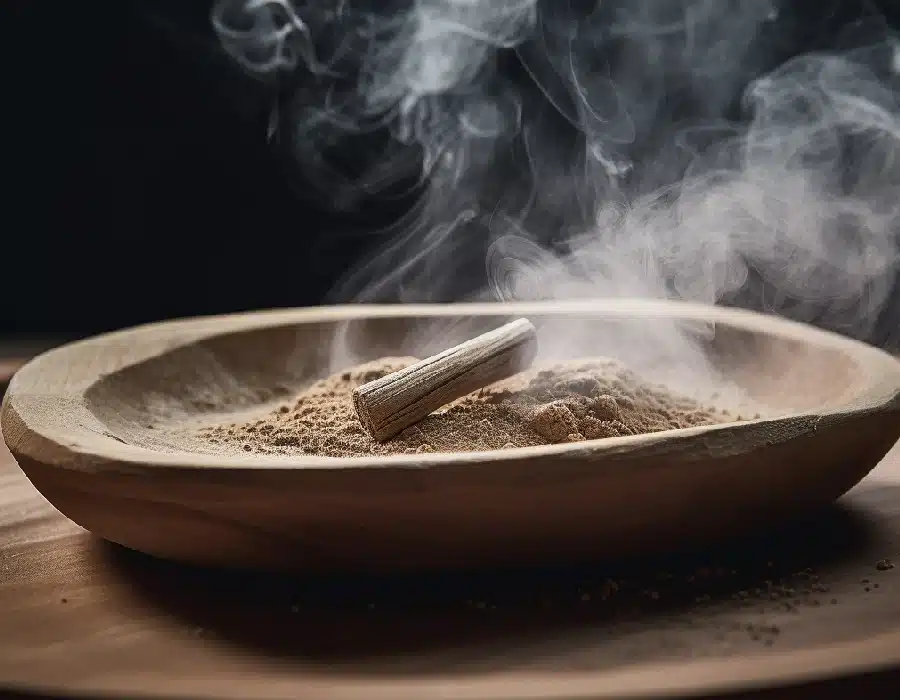
Palo Santo, meaning “holy wood” in Spanish, is a fragrant tree native to South America. Known for its distinct aroma and spiritual significance, it has been used for centuries in cleansing rituals, meditation practices, and even medicinal applications. The rich, earthy scent of Palo Santo comes from the essential oils that develop as the wood ages, creating an experience that many find deeply soothing and grounding. But beyond its pleasant fragrance, Palo Santo carries a complex history intertwined with Indigenous traditions, ecological concerns, and growing global demand. To truly appreciate this sacred wood, it’s essential to understand its origins, traditional uses, and the cultural significance that makes it more than just another wellness trend.
The Origins and Botanical Background of Palo Santo
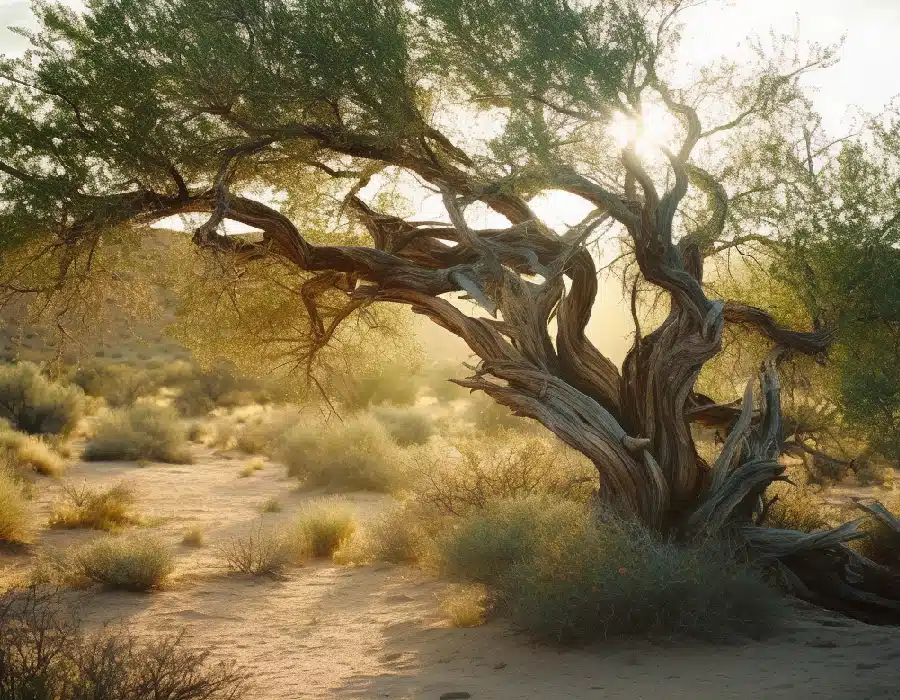
The term “Palo Santo” primarily refers to the tree species Bursera graveolens, which belongs to the same botanical family as frankincense and myrrh. This tree is found in dry tropical forests across countries like Ecuador, Peru, and parts of Argentina. Bursera graveolens is unique in that its distinctive scent only develops after the tree has died naturally and been left to decompose for several years. The aging process allows the natural oils within the wood to mature, producing the rich, citrusy, and slightly minty aroma that Palo Santo is famous for.
Another species often confused with Bursera graveolens is Bulnesia sarmientoi, a different type of Palo Santo that is used for furniture-making and essential oil extraction. Unlike Bursera graveolens, Bulnesia sarmientoi is classified as endangered due to excessive logging. This distinction is crucial when discussing sustainability and conservation, as not all Palo Santo species face the same level of threat.
READ: Ceremonial Cacao: The Sacred Elixir and Its Connection to Magic Mushrooms
Cultural and Indigenous Significance of Palo Santo
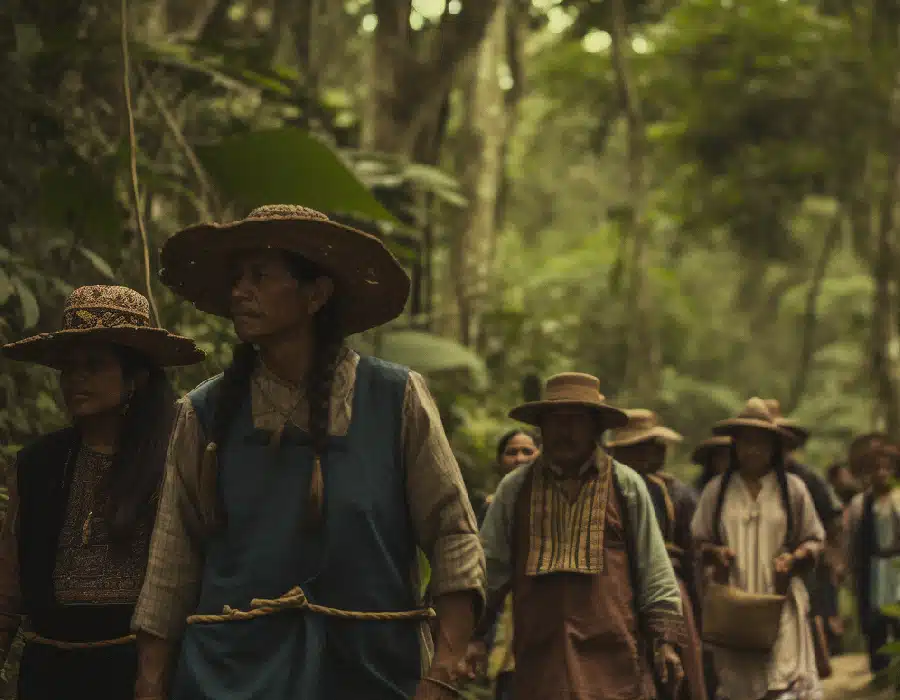
Long before Palo Santo became a staple in Western wellness circles, Indigenous communities in South America had been using it for generations in spiritual and medicinal practices. Shamans and healers, particularly in Ecuador and Peru, have long believed in its ability to cleanse negative energy, restore harmony, and bring good fortune. In some traditions, Palo Santo is burned before ceremonies to create a purified space for healing, meditation, or ayahuasca rituals. The smoke is considered sacred, thought to connect individuals with higher consciousness and provide protection against malevolent spirits.
Beyond its spiritual applications, Palo Santo has also been used in folk medicine for its potential therapeutic benefits. Some Indigenous healers create teas or tinctures from Palo Santo bark and leaves to aid digestion, reduce inflammation, and treat cold symptoms. The wood’s essential oils contain compounds such as limonene and α-terpineol, which have antimicrobial and anti-inflammatory properties. While these uses are not as widely recognized in modern medicine, they reflect the deep, holistic connection Indigenous cultures have with the natural world.
Palo Santo in Modern Wellness and Spirituality
Today, Palo Santo has found a place in modern wellness practices, often used in meditation, energy cleansing, and aromatherapy. Many people burn Palo Santo sticks to clear stagnant or negative energy in their homes, much like sage smudging. Others use Palo Santo essential oil in diffusers, massage oils, or personal care products to promote relaxation and mental clarity. Its pleasant scent, combined with its historical associations with purification and healing, makes it a popular tool for those seeking a deeper connection to their spiritual practices.
However, with its rise in popularity, Palo Santo has also become a product of mass consumption. Many people who use it may not fully understand its cultural origins or the importance of ethical sourcing. Unlike traditional Indigenous practices that honor the tree and its natural life cycle, modern commercial demand has led to concerns about overharvesting and habitat destruction.
Recognizing the roots of Palo Santo and respecting the traditions it comes from is essential to using it mindfully. By learning about its history, ecological significance, and the best ways to source it sustainably, we can ensure that this sacred wood remains available for future generations without harming the delicate ecosystems where it grows.
Check out this magic mushroom!!

A.P.E Psilocybin Chocolate Bar
$60.00Dried Penis Envy Magic Mushrooms
Price range: $60.00 through $240.00Golden Teacher Gummies for Microdosing
$25.00


Is Palo Santo Really Endangered?
There’s a lot of confusion about whether Palo Santo is endangered, and the answer isn’t as straightforward as you might think. The term “Palo Santo” actually refers to two different species. Bursera graveolens is the species commonly used for incense and spiritual rituals, and it is not officially endangered. However, its habitat faces increasing threats due to deforestation and unethical harvesting. The second species, Bulnesia sarmientoi, is a completely different tree that is used primarily for furniture and essential oil production. Unlike Bursera graveolens, this species is listed as endangered by the International Union for Conservation of Nature (IUCN), leading to widespread misconceptions that all Palo Santo is at risk.
Even though Bursera graveolens is not technically endangered, the rising demand for Palo Santo has led to unsustainable harvesting practices in some areas. Indigenous traditions dictate that the wood should only be collected from naturally fallen trees, as it takes years of decomposition for the wood to develop its signature fragrance. However, the booming wellness industry has encouraged overharvesting, with some suppliers cutting down live trees before they reach maturity. This disrupts the natural lifecycle of the tree and prevents new growth, which could put the species at risk in the long run.
The Problem: Overharvesting & Unethical Sourcing
Sustainable harvesting practices are crucial to keeping Palo Santo available for future generations. Traditionally, Indigenous communities only collect wood from fallen trees that have been left to decay for four to ten years. This waiting period allows the essential oils within the wood to concentrate, creating the rich, fragrant aroma that makes Palo Santo so prized. Ethical suppliers continue this practice, ensuring that no living trees are cut down and that the harvesting process aligns with environmental conservation efforts.
The problem arises when mass production meets Western demand. With the rise of wellness trends, Palo Santo has become a commodity, leading to illegal harvesting in some regions. In places where local laws are poorly enforced, trees are being cut down before they have fallen naturally, often to keep up with global demand for incense, oils, and other Palo Santo-based products. This disrupts the natural balance of the ecosystem and threatens the cultural traditions that surround the wood.
In some cases, unethical suppliers exploit the confusion between the two species of Palo Santo, using endangered Bulnesia sarmientoi instead of Bursera graveolens. This not only contributes to deforestation but also misleads consumers who are trying to make ethical choices.
READ: Psilocybin Mushrooms vs. Amanita Muscaria: Two Different Mushrooms
Ethical Sourcing & How to Buy Responsibly
Buying sustainably sourced Palo Santo requires a bit of research, but it’s worth the effort if you want to ensure that your spiritual practice is not harming the environment. One way to verify ethical sourcing is to look for certifications from organizations like SERFOR, Peru’s National Forest Service, which ensures that Palo Santo is harvested legally and sustainably. Small, ethical suppliers who work directly with Indigenous communities are another good option, as they often follow traditional harvesting methods and contribute to local economies.
Price can also be a red flag when determining whether Palo Santo has been sourced ethically. If the product seems suspiciously cheap, there’s a chance that it has been harvested illegally or in a way that does not support conservation efforts. Authentic Palo Santo should have a rich, natural fragrance, rather than an artificially enhanced scent, which is often a sign of lower-quality wood that has been harvested prematurely.
For those looking for alternatives, there are several sustainable options that can provide a similar aromatic and spiritual experience. Cedar, rosemary, and lavender are excellent choices for smudging, as they are widely available and have cleansing properties comparable to Palo Santo. Essential oil blends that mimic the scent of Palo Santo can also be used in diffusers, offering a way to enjoy the fragrance without contributing to deforestation.
Psychedelic & Microdosing Connection
Palo Santo has long been associated with psychedelic ceremonies, particularly ayahuasca rituals, where it is burned to cleanse the space and create a spiritually protected environment. With the growing interest in microdosing and psychedelic-assisted therapy, there is a conversation to be had about whether these communities should take more responsibility for ensuring the sustainability of Palo Santo. If plant medicine is meant to connect us with nature, then it makes sense that those engaging in psychedelic practices should be mindful of how their rituals impact the environment.
By prioritizing ethical sourcing and spreading awareness about overharvesting, the psychedelic community can help protect the very plants and traditions they hold sacred. This means supporting Indigenous-led conservation efforts and choosing alternative smudging materials when necessary.
Further Resources
For those who want to learn more about the sustainability of Palo Santo and responsible spiritual practices, there are several books, studies, and documentaries worth exploring. “The Sacred Science: An Ancient Healing Path for the Modern World” by Nick Polizzi delves into the history of plant medicine and its role in modern healing. Reports from environmental organizations and the IUCN provide up-to-date information on Palo Santo’s conservation status and the impact of global demand. Online documentaries like “The True Cost of Spirituality” explore the ethics of wellness culture and how popular trends can sometimes lead to environmental harm. Interviews with Indigenous leaders also offer valuable insights into how Palo Santo is traditionally used and why sustainable harvesting is so important.
READ: How To Prepare For An Ayahuasca Retreat: A Personal And Practical Guide
Make Conscious Choices with Magic Mush: Sustainably Sourced Palo Santo & Ethical Spirituality
Palo Santo holds deep cultural and spiritual significance, but its rising demand has led to concerns about sustainability and ethical harvesting. While the commonly used species, Bursera graveolens, is not officially endangered, unethical harvesting and deforestation threaten its long-term availability. The sacred wood should only be collected from naturally fallen trees, yet some suppliers cut down live trees prematurely to meet commercial demand. Understanding the distinction between ethically sourced and unsustainable Palo Santo is crucial for maintaining its presence for future generations.
By choosing sustainably harvested Palo Santo, supporting Indigenous-led conservation efforts, and considering alternative smudging materials, we can ensure that our spiritual practices do not harm the environment. Ethical sourcing is more than just a trend—it’s a responsibility. Those who incorporate plant-based rituals, including the psychedelic community, must recognize the impact of their choices. True mindfulness extends beyond personal well-being and into respect for the natural world and the traditions that safeguard it.
At Magic Mush, we are committed to providing ethically sourced products that align with our mission of education, responsible use, and sustainability. As Canada’s trusted source for premium magic mushrooms and transformative experiences, we believe in honoring the traditions behind sacred plants while ensuring they are harvested responsibly. Our goal is to empower individuals with knowledge, high-quality products, and a supportive community where conscious choices shape the future of psychedelics and plant medicine.
Beyond our commitment to quality and sustainability, Magic Mush offers a seamless shopping experience, rigorous product testing, and exceptional customer support. Whether you are looking to explore the world of dried magic mushrooms and edibles, learn about mindful rituals, or expand your understanding of plant-based healing, our resources and expert guidance will help you navigate your journey safely. We are dedicated to destigmatizing psychedelics and fostering a community that values both personal growth and environmental responsibility.
Join us at Magic Mush and be part of the movement toward ethical, sustainable, and conscious spirituality. Explore our selection of premium products, stay informed with our educational resources, and enjoy a hassle-free shopping experience that ships to Edmonton and Vancouver. Your journey toward transformation starts with a single choice—make it a mindful one.