They’ve been called sacred, demonized as dangerous, and now hailed as a new frontier in mental health. Magic mushrooms, or psilocybin mushrooms, have worn many labels over the years. From ancient spiritual rites in Mesoamerica to the counterculture revolution of the 1960s, and now into clinical research labs and therapists’ offices, these little fungi have never stopped evolving in the public eye. But despite their growing popularity, the deeper story of magic mushrooms often gets lost in translation. Behind the vibrant visuals and psychedelic headlines lies something far more meaningful—a powerful tool for introspection, healing, and connection. So, what are magic mushrooms really? Let’s take a closer look.
The first time I tried magic mushrooms, I was camping with close friends, deep in the wilderness and miles away from cell reception. Honestly, I went into it for the aesthetics. I thought, “Cool visuals, stargazing, maybe some giggles—what could go wrong?” What I didn’t expect was the tidal wave of emotion that followed. It wasn’t just a trip; it was a deep, inner dialogue. I laughed uncontrollably, cried for reasons I couldn’t quite explain, and had this overwhelming sense of gratitude—for the trees, for my life, for everything. When I came back to “reality,” something had shifted. I couldn’t shake the feeling that I had touched something ancient, something wise. That single night cracked open a curiosity I’ve been following ever since.
READ: What Do Magic Mushrooms Look Like? A Field Guide for the Curious and Cautious

After that experience, I started diving into research. I wanted to understand how something so small and natural could wield that much power over my perception and emotions. I learned about psilocybin, the active compound in magic mushrooms, and how it gets converted into psilocin in the body—essentially giving the brain a temporary remix of how it processes reality. I read about the brain’s default mode network, how it quiets down on psilocybin, and how that opens space for new connections and insights. I began to see mushrooms less as a drug and more as a therapeutic tool—a kind of emotional scalpel that, when used correctly, can help us cut through the noise and find clarity.
Since then, I’ve spoken to people who use mushrooms in all kinds of ways. Some microdose for productivity or mood support. Others take microdoses for creativity and introspection. And some, like me, have found themselves in a full-blown psychedelic journey that left them fundamentally changed. What’s fascinating is that no two experiences are ever quite the same, yet nearly everyone I’ve spoken with agrees on one thing: magic mushrooms have a way of showing you exactly what you need to see. Not always what you want, but what you need. It’s like having a brutally honest therapist with a cosmic sense of humor.
This article is a deep dive into the world of magic mushrooms—what they are, how they work, where they come from, and why they’re gaining traction again in the fields of medicine, spirituality, and wellness. Whether you’re totally new to psychedelics or a curious explorer looking to learn more, this is your invitation to peel back the layers and discover what lies beyond the trip. Because while the visuals are cool, the real magic happens within.
READ: How to Microdose Psilocybin: A Beginner-Friendly Guide

What Are Magic Mushrooms?
Magic mushrooms may seem like something out of a fantasy novel, but they’re very real—and they’ve been growing on this planet far longer than we’ve been here to question them. At their core, magic mushrooms are simply fungi that contain a naturally occurring psychedelic compound called psilocybin. When you consume psilocybin, your body converts it into psilocin, which is what actually causes those famous mind-altering effects. But beyond the trippy visuals and introspective thoughts lies something far richer: a living organism that has been used for healing, ritual, and personal transformation for thousands of years.
The Science Behind the Trip
Psilocybin is the main active ingredient in magic mushrooms, and it works by interacting with serotonin receptors in the brain—specifically the 5-HT2A receptor. Once the psilocybin is metabolized into psilocin, it begins to affect brain activity in some pretty surprising ways. One of the most interesting things it does is reduce activity in the brain’s default mode network, which is often linked to self-referential thoughts and the ego. When that network quiets down, people often report a sense of ego dissolution—a feeling that they’ve merged with the universe, or that their sense of self has expanded or disappeared entirely.
This isn’t just abstract, feel-good talk—brain imaging studies have shown that psilocybin actually increases connectivity between different regions of the brain that don’t normally communicate much. It’s like your brain’s usual traffic routes are shut down and all the backroads light up instead. This helps explain why people feel more creative, emotional, and connected to the world during a mushroom trip. And in therapeutic settings, this mental rewiring has shown serious promise in helping people process trauma, break out of depressive loops, and gain new perspectives on life.
READ: Is Psilocybin Legal in Canada? What You Actually Need to Know

Types of Magic Mushrooms
There are over 180 known species of psilocybin-containing mushrooms growing naturally all over the world. Some of the most well-known include Psilocybe cubensis, which is one of the most commonly cultivated and consumed species due to its accessibility and relatively consistent potency. Then there’s Psilocybe semilanceata, also known as Liberty Caps, which grow naturally in grassy fields and are considered one of the most potent wild varieties. Another heavy hitter is Psilocybe cyanescens, or Wavy Caps, which are known for their strong effects and distinctive rippled cap edges.
Each species has its own unique characteristics, including appearance, strength, and even slightly different “flavors” of experience. While many people assume all magic mushrooms deliver the same kind of trip, those who have tried multiple strains often report subtle but noticeable differences. Some may produce more visual distortions, while others might have a more emotional or introspective vibe. Factors like where they were grown, how fresh they are, and even the mood you’re in when you take them can all influence the experience.
Not Just a “Drug”: A Broader Perspective
Reducing magic mushrooms to just a recreational drug seriously undersells what they are and what they’ve meant to cultures around the world. In many indigenous traditions, magic mushrooms are seen as sacred—tools for healing, connecting with ancestors, and communing with the divine. They’re not just about fun visuals or escaping reality; they’re often approached with deep respect and intention. Even today, shamans and curanderos in Mexico and South America use psilocybin mushrooms in ceremonial settings to help guide people through emotional and spiritual healing journeys.
In recent years, Western science and medicine have started to catch up with this ancient wisdom. More and more, researchers and mental health professionals are beginning to recognize psilocybin as a powerful compound with real therapeutic potential. It’s being studied not just for depression and anxiety, but also for things like addiction, PTSD, and even end-of-life distress in terminal patients. What’s striking is that a single guided psilocybin experience, under the right conditions, can produce lasting changes in mood, behavior, and outlook on life. That kind of transformation is hard to ignore.
Check out this magic mushroom!!

A.P.E Psilocybin Chocolate Bar
$60.00Dried Penis Envy Magic Mushrooms
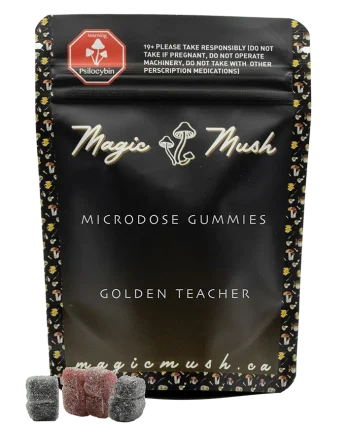
Price range: $60.00 through $240.00Golden Teacher Gummies for Microdosing
$25.00


More Than Meets the Eye
So, what are magic mushrooms? They’re fungi, yes. They contain psilocybin, sure. But they’re also part of a much bigger picture. They’re a bridge between nature and consciousness, between science and spirituality. Whether you see them as a medicine, a teacher, or just something you’re curious about, one thing is certain—they have the potential to open doors within us that we didn’t even know existed. And in a world that’s increasingly noisy, distracted, and disconnected, that kind of inner exploration might just be what we need most.
Stay tuned as we explore how these powerful fungi have been used throughout history, how they work on a deeper level in the brain and body, and what their benefits—and risks—really are. Because once you understand what magic mushrooms truly are, it becomes clear they’re far more than just a psychedelic escape. They’re a journey inward.
A Look at the Past: Historical and Cultural Context
In Mesoamerica, indigenous cultures like the Aztecs, Mayans, and Mazatecs have used psilocybin-containing mushrooms in sacred rites for hundreds, if not thousands, of years. The Aztecs referred to them as teonanácatl, meaning “flesh of the gods,” highlighting their sacred importance in connecting with the divine and understanding one’s place in the cosmos. Ceremonies involved chanting, drumming, and guided journeys led by shamans or spiritual leaders.
When Spanish colonizers arrived, they viewed these practices as pagan and suppressed them aggressively. Despite this, mushroom rituals persisted in secret, carried on by families and communities determined to preserve their cultural and spiritual significance.
Fast forward to the 1950s, when Western interest in psychedelics was reignited after R. Gordon Wasson, a banker and amateur ethnomycologist, participated in a traditional Mazatec ceremony led by healer María Sabina. His photo-filled article in Life magazine ignited a firestorm of Western curiosity. It didn’t take long before figures like Timothy Leary and the counterculture movement embraced psilocybin, albeit in very different ways.
Unfortunately, the political and social backlash to the psychedelic movement in the 1960s led to the criminalization of psilocybin across much of the world. For decades, research stagnated, and mushrooms were pushed underground.
Now, in the 21st century, we’re experiencing a renaissance. Clinical studies out of institutions like Johns Hopkins University and Imperial College London are showing that psilocybin has real promise in treating a range of mental health conditions, from depression to PTSD to end-of-life anxiety. This research has re-legitimized what many cultures already knew: mushrooms have therapeutic and transformative power.
READ: Nootropic Mushrooms: The Fungi That Build Better Brains

Effects and Benefits
Psilocybin works primarily by binding to serotonin receptors in the brain, particularly the 5-HT2A receptor. This disruption leads to the classic psychedelic effects, including shifts in perception, visual patterns, and an altered sense of self.
One of the most commonly reported effects is a feeling of unity or interconnectedness. Many people describe a dissolution of the ego, a state where the boundaries between self and the world become blurred. This ego death can be both terrifying and liberating, and it often leads to profound insights or emotional breakthroughs.
Another key effect is time distortion. Minutes can feel like hours, or entire lifetimes can seem to unfold in a single moment. Colors appear brighter, sounds richer, and emotions deeper. The experience can vary drastically depending on dosage, mindset, and setting, but a common thread is the potential for deep introspection and emotional healing.
On the benefits side, clinical trials and anecdotal reports point to promising results in treating depression, anxiety, trauma, and addiction. Some users say they feel “reset” after a mushroom journey, reporting increased clarity, reduced stress, and improved relationships with themselves and others.
Neuroplasticity—the brain’s ability to reorganize and form new neural connections—is another fascinating effect. Studies show that psilocybin may promote the growth of new neural pathways, which could explain why some people experience long-lasting positive changes after even a single session.
Risks and Considerations
While the benefits are compelling, psilocybin has side effects. The intensity of the experience can be overwhelming, especially for first-timers or those with unresolved psychological trauma. It’s not uncommon for buried emotions to rise to the surface, which can be difficult to manage without proper support.
For individuals with certain mental health conditions, particularly those predisposed to schizophrenia or psychosis, psilocybin can be destabilizing. This is why clinical studies typically screen participants carefully before administering the substance.
Another key variable is the setting. Where and with whom you take mushrooms can greatly influence the experience. A chaotic environment can amplify anxiety or paranoia, while a safe, comfortable space can nurture deeper insights.
READ: Psilocybin Retreats: A Deep Dive into the Journey of Transformation

Discover the Magic Within You—Start Your Journey with Magic Mush Today
While full-blown psychedelic trips grab most of the headlines, there’s a quieter revolution happening in the form of microdosing. This involves taking sub-perceptual doses of psilocybin—typically around one-tenth of a typical recreational dose—on a regular schedule.
The goal isn’t to hallucinate but to subtly enhance mood, focus, and creativity. Many users report feeling more emotionally balanced, less anxious, and more engaged with life. Some even credit microdosing with improved productivity, better communication, and reduced symptoms of depression.
Although most of the evidence supporting microdosing is anecdotal, some small-scale studies suggest real promise. For example, researchers have observed improvements in cognitive flexibility, emotional resilience, and even reduced inflammatory markers.
That said, microdosing isn’t a miracle fix. It still involves a powerful substance that interacts with the brain in complex ways. Anyone considering it should approach with intention, self-awareness, and, ideally, guidance from experienced practitioners.
At Magic Mush, we pride ourselves on quality. All of our products like dried magic mushrooms and chocolate shrooms undergo rigorous testing to ensure purity, consistency, and safety. Our team is here to guide you every step of the way—from choosing your first product to understanding best practices for use. And because we know privacy matters, we offer discreet delivery and outstanding customer support you can count on.
Join the Magic Mush community today and be part of a movement that’s redefining mental wellness, self-discovery, and magic mushrooms in Montreal. Whether you’re browsing our shop, signing up for our newsletter, or just curious about the possibilities—this is your invitation to take that next step. The magic is waiting.