The real driving force behind Canada’s shift toward legal psilocybin use is its potential as a therapeutic tool. Psilocybin therapy is currently being explored in both clinical trials and underground circles for its effectiveness in treating a wide range of mental health issues.
People with treatment-resistant depression, anxiety, PTSD, eating disorders, and even OCD have reported profound improvements after undergoing psilocybin-assisted therapy. This isn’t about tripping out on the couch with friends—it’s about deep emotional healing, often guided by a trained therapist or facilitator in a safe space.
Canadian organizations like Therapsil and MAPS Canada are at the forefront of advocating for broader access to psychedelic therapy. They work to train therapists, support patients, and push the boundaries of what’s legally possible. And their efforts are paying off. Each year, more patients and therapists are being granted legal exemptions, and more research is validating what many already believe: psilocybin can be a powerful medicine.
READ: Where Are Magic Mushrooms Legal?

What Is Psilocybin?
Psilocybin is a naturally occurring psychedelic compound that has been used for centuries in spiritual rituals, healing ceremonies, and more recently, therapeutic research. Found in over 200 species of fungi—commonly referred to as “magic mushrooms”—psilocybin has gained mainstream attention in recent years for its potential to radically transform mental health treatment. But what exactly is this compound, and why are researchers, therapists, and everyday Canadians so fascinated by it?
To truly understand psilocybin, we need to dive into the science of how it works, its cultural roots, and its modern resurgence as a tool for psychological healing. This section unpacks the many layers of psilocybin—from its molecular makeup to its ability to reshape the human mind.
The Science Behind Psilocybin
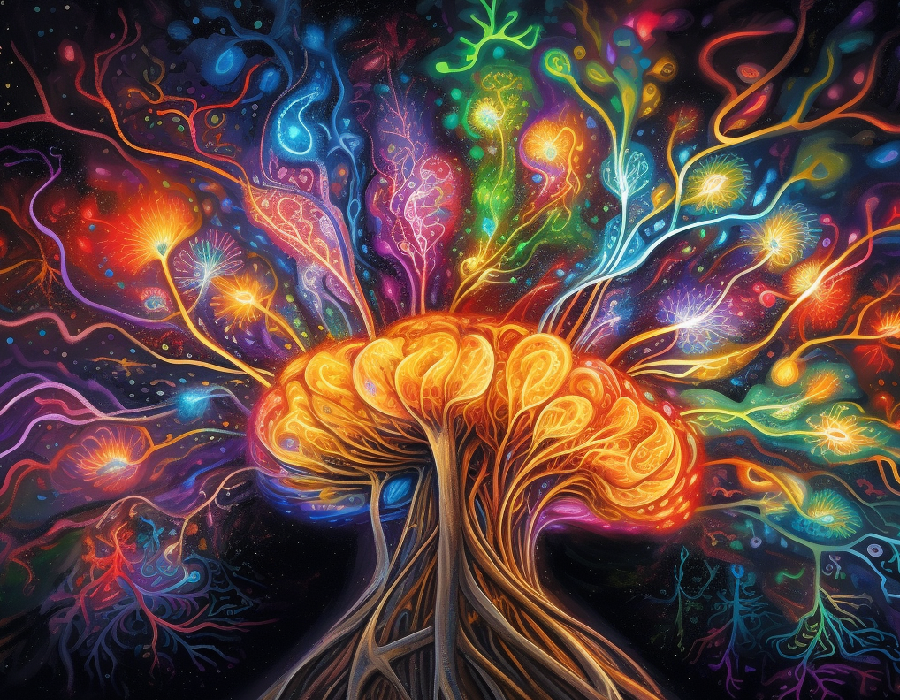
Psilocybin is classified as a tryptamine compound, which is structurally similar to serotonin, a key neurotransmitter in the brain that regulates mood, perception, sleep, and appetite. Once ingested, psilocybin is quickly converted by the body into psilocin, the active metabolite that binds to serotonin receptors—most notably the 5-HT2A receptor. This interaction leads to changes in thought patterns, sensory perception, and emotional processing.
Unlike many pharmaceutical drugs that target a specific symptom or brain function, psilocybin tends to work in a broader, more holistic way. It has been shown in brain scans to quiet the brain’s Default Mode Network (DMN)—the part of the brain associated with self-referential thoughts, ruminations, and the “ego.” With the DMN dialed down, users often report a sense of ego-dissolution, unity, and emotional release. This mechanism is believed to help individuals confront deeply embedded patterns of fear, anxiety, and trauma, making it especially promising for overcoming depression and other mental health conditions.
READ: The Strongest Psilocybin Mushrooms: Exploring Nature’s Most Potent Psychedelics
Historical and Cultural Context
Long before it entered the clinical setting, psilocybin was considered sacred by many Indigenous cultures, especially in Central and South America. Ancient murals, sculptures, and historical texts show evidence of mushroom use in Aztec and Mayan civilizations, often associated with spiritual rituals, divination, and communion with the divine. The mushrooms were sometimes referred to as “teonanácatl,” meaning “flesh of the gods.”
These traditional uses viewed psilocybin not merely as a drug but as a powerful medicine or spiritual teacher. Shamans and healers used it to access alternate states of consciousness, receive guidance, and help individuals process emotional pain or life transitions. This cultural reverence is still alive today in some Indigenous communities and has also been embraced by modern psychedelic therapy practitioners who aim to honor the sacred context of these experiences.
Modern Applications and Mental Health Potential
Fast forward to today, and psilocybin is undergoing a massive revival—this time in the realm of Western medicine. Research from universities like Johns Hopkins, Imperial College London, and institutions in Canada is revealing that psilocybin could be a game-changer for conditions like treatment-resistant addiction in women, post-traumatic stress disorder (PTSD), anxiety, and depression.
Rather than suppressing symptoms the way SSRIs (selective serotonin reuptake inhibitors) do, psilocybin appears to enable the brain to rewire itself. This neuroplasticity—the brain’s ability to form new neural connections—is part of what allows people to experience breakthroughs, release old patterns, and form healthier ways of thinking. This potential is what excites therapists and researchers: not just temporary relief, but long-term change that stems from within.
READ: Legal Highs: The Top Legal Psychoactive Plants in Canada

The Subjective Experience
The psilocybin experience can be deeply introspective, surreal, and emotionally moving. Depending on the dosage and the individual’s mindset and environment (commonly referred to as “set and setting“), the effects can range from mild perceptual changes to full-blown mystical experiences. Common effects include visual distortions, enhanced sensory perception, time dilation, emotional release, and vivid insights.
Microdosing and Everyday Use
While high-dose sessions typically attract the spotlight, microdosing psilocybin has also gained popularity—particularly among those seeking subtle improvements in mood, focus, and natural anxiety management. Microdosing involves taking sub-perceptual doses of psilocybin (often around one-tenth of a full dose), which do not cause hallucinations or dramatic shifts in consciousness.
Though still considered experimental, many Canadians are exploring microdosing as a way to manage anxiety, enhance creativity, and improve their overall sense of well-being. While microdosing does not typically trigger the kind of deep emotional processing associated with full-dose therapy, it may still help soften fear responses and gradually build emotional resilience over time.
Check out this magic mushroom!!

A.P.E Psilocybin Chocolate Bar
$60.00Dried Penis Envy Magic Mushrooms
Price range: $60.00 through $240.00Golden Teacher Gummies for Microdosing
$25.00


Psilocybin Canada Law 2025: Where Do Things Stand?
As of 2025, psilocybin is classified as a Schedule III substance under Canada’s Controlled Drugs and Substances Act (CDSA). That means it is illegal to possess, distribute, or produce psilocybin unless you have special authorization. The penalties for unauthorized use or trafficking can range from fines to jail time, depending on the circumstances.
However, the legal landscape is changing. In recent years, Health Canada has started to issue exemptions under Section 56(1) of the CDSA, allowing individuals to legally access and use psilocybin for medical or scientific purposes. These exemptions are typically granted for people dealing with severe or treatment-resistant mental health conditions, such as major depression for women.
There’s also the Special Access Program (SAP), which allows doctors to apply for legal access to restricted drugs like psilocybin on behalf of their patients. This is an important step toward normalizing psychedelic therapy, though access is still limited and highly regulated. In other words, psilocybin is not legalized in Canada—but it is legal for some people under very specific conditions.
READ: Shroom Gummies Canada for Anxiety: A Natural Way to Relax

Decriminalization Is Not Legalization
It’s important to understand the difference between decriminalization and legalization. Some Canadian cities, like Vancouver and Toronto, have publicly supported the decriminalization of psilocybin and other psychedelics. This usually means that law enforcement deprioritizes arresting people for personal possession.
Psilocybin remains a controlled substance at the federal level. Decriminalization is a step forward, but it’s not the finish line.
The Rise of Dispensaries and Online Marketplaces
Psilocybin dispensaries are popping up across Canada, especially in places like Toronto, Vancouver, and Montreal. Some operate out of physical storefronts, while others offer sleek, discreet online platforms that deliver mushroom products right to your door.
These businesses are technically breaking the law, but many operate openly, citing the public’s growing interest in safe, controlled access to psychedelics. Some even require you to fill out medical forms or join a “members-only” club to skirt regulatory issues.
Microdosing and the Everyday Psychedelic User
Microdosing psilocybin—taking sub-perceptual doses regularly—is also gaining popularity across Canada. Some people swear by it for improved mood, focus, and creativity. It’s especially popular among professionals, students, and wellness enthusiasts looking for a mental edge without the intensity of a full trip.
If you’re interested in microdosing, do your homework. Know the risks, understand the legal context, and read up on full microdosing guides. There’s a lot of excitement around microdosing, but that doesn’t mean the law has caught up yet.
Recommended Resources to Keep You Informed
If you’re eager to keep learning, a few books and organizations can help deepen your understanding. “This Is Your Mind on Plants” by Michael Pollan and “A Really Good Day” by Ayelet Waldman both provide personal and scientific insight into the world of psychedelics. For those looking for practical knowledge, “The Psilocybin Mushroom Bible” by Virginia Haze is a great go-to.
Organizations like Therapsil, MAPS Canada, and the Canadian Psychedelic Association are actively pushing for responsible and ethical access to psilocybin therapy. These groups offer resources, training, and advocacy for those interested in psychedelics for healing and personal growth.
READ: How to Prepare for a Psychedelic Journey: Setting the Stage for a Meaningful Experience

Discover the Magic Within You—Start Your Journey with Magic Mush Today
Throughout this article, we’ve explored the complicated but evolving legal landscape of psilocybin in Canada. While it remains a controlled substance under federal law, avenues like Health Canada’s Special Access Program and Section 56 exemptions are opening doors for those in need. Dispensaries, while technically illegal, continue to operate in a legal grey zone, offering products to curious Canadians willing to accept the risks. From therapy to microdosing, there’s no denying the momentum behind the psilocybin movement.
As public interest grows and the mental health crisis continues, psilocybin is emerging as a possible solution—and people are hungry for information, clarity, and safe access. The conversation is shifting, and so is the law. But until full legalization becomes a reality, understanding the nuances is essential for anyone exploring magic mushrooms in Canada.
That’s where Magic Mush comes in. Whether you’re new to shrooms or already experimenting with microdosing, our mission is to educate, destigmatize, and empower Canadians to explore psychedelics with intention.
At Magic Mush, we pride ourselves on quality. All of our products like dried magic mushrooms, chocolate shrooms, shroom gummies, and many more undergo rigorous testing to ensure purity, consistency, and safety. Our team is here to guide you every step of the way—from choosing your first product to understanding best practices for use. And because we know privacy matters, we offer discreet delivery of magic mushrooms in Toronto and outstanding customer support you can count on.
Join the Magic Mush community today and be part of a movement that’s redefining mental wellness, self-discovery, and natural healing in Canada. Whether you’re browsing our shop, signing up for our newsletter, or just curious about the possibilities—this is your invitation to take that next step. The magic is waiting.