The first time I tried to self-guide a psychedelic trip, I thought I had it all figured out. I’d read How to Change Your Mind, downloaded a lo-fi playlist on Spotify, saged the hell out of my apartment, and told myself I was “ready” for insight. But I wasn’t. Not even close. Four hours later, I was curled under my desk, shivering with anxiety, overwhelmed by visions I didn’t understand, with no one to call and no plan for what came next. I had intentions, sure—but no container to hold them.
That night, I learned the hard way that good vibes and intellectual curiosity aren’t enough. Psychedelics don’t care how smart you are, or how many integration podcasts you’ve listened to. If you’re not grounded, they’ll throw you. And if you’re not held, they’ll leave you fragmented. It took me weeks to sort through the emotional debris of that trip—weeks I could’ve spared myself if I’d taken the time to build an actual protocol.
Since then, I’ve approached the psychedelic journey less like a spontaneous art project and more like designing a ritual. Not rigid, but intentional. Not over-controlled, but held. A protocol, I’ve come to realize, isn’t about removing mystery—it’s about creating a safe enough space for the mystery to arrive. It’s about boundaries, safety, and reflection. It’s also about responsibility—to yourself, and to the people around you.
This guide is for anyone who’s thinking about going inward with mushrooms, LSD, MDMA, or any other entheogen. It’s not medical advice, and it’s not a plug-and-play formula. It’s an invitation to get curious about what you need—not just to trip, but to grow. Because without a solid protocol, even the most beautiful intention can dissolve into confusion. And with one? Even the hardest journeys can offer gold.
READ: The Secret to Successful Microdosing: Why Taking Breaks Matters

What Is a Psychedelic Protocol — And Why Do You Need One?
A psychedelic protocol is your personal framework for how you prepare, experience, and integrate a journey. It’s not just a checklist—it’s the architecture of your healing container. It includes everything from what you’ll eat the day before, to how you’ll dose, where you’ll be, who (if anyone) will be with you, what music you’ll listen to, and how you plan to process what comes up afterward.
At its core, a protocol is about intention meeting structure. It’s the bridge between your reason for taking the medicine and the conditions that help that reason unfold into real insight. Without it, you’re leaving too much to chance—your mood, your mindset, your safety, your interpretation of whatever unfolds. With it, you’re much more likely to come out of the trip feeling grounded, supported, and able to integrate what you’ve learned into your actual life.
The science backs this up. Research from MAPS and Compass Pathways shows that outcomes improve dramatically when participants receive thorough preparation, clear dosing guidance, a calm and controlled setting, and post-trip integration support. This isn’t just about reducing bad trips—it’s about maximizing the potential for transformation. Your nervous system needs safety to open. Your mind needs guidance to make meaning. Psychedelics amplify whatever’s already present—so the more stability you bring in, the more healing you’re likely to get out.
That said, protocols shouldn’t be one-size-fits-all. A military vet healing from PTSD will need a different structure than a queer artist exploring their inner cosmos. A microdoser looking to boost creativity will have different needs than someone confronting generational trauma. Your protocol should reflect you—your goals, your risks, your context, your soul. The point isn’t to build a cage. It’s to build a nest.
Check out this magic mushroom!!

A.P.E Psilocybin Chocolate Bar
$60.00Dried Penis Envy Magic Mushrooms
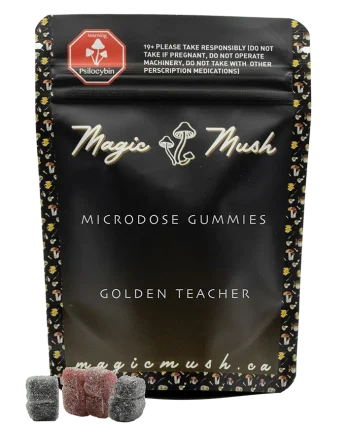
Price range: $60.00 through $240.00Golden Teacher Gummies for Microdosing
$25.00


The Anatomy of a Solid Psychedelic Protocol
So how do you actually build a psychedelic protocol? Start with your intention. Why are you doing this? Be honest. Are you seeking healing? Insight? Creativity? Closure? Connection? Your intention will shape everything else. If you’re working through trauma, your approach will need to emphasize safety and support. If you’re microdosing for focus, you’ll need a consistent schedule and mindful tracking. Let your “why” anchor your “how.”
Next, choose your modality. Are you microdosing or taking a full journey? Are you working with psilocybin, LSD, MDMA, or another substance? Each has its own rhythm, risks, and therapeutic windows. If it’s your first time, lower doses and gentler substances are usually better. Research, reflect, and, if possible, talk to someone with experience or training. The psychedelic landscape is vast—find the terrain that matches your intention.
Now, define your set and setting. Are you at home, in nature, at a retreat? Alone, with a friend, or with a trained facilitator? Your environment will shape your experience in profound ways. This includes not just physical space, but emotional atmosphere. Is it quiet? Is it safe? Do you feel free to cry, laugh, dance, or rest? Who holds space when things get hard? Don’t romanticize solo tripping if you’ve never sat with your shadow before. Sometimes the bravest thing you can do is ask someone to sit with you.
Then, there’s the psychedelic integration—the part most people skip. This is how you digest what the trip revealed. Do you journal? Talk to a therapist? Make art? Join a circle? Do you take action on what the trip showed you, or do you let it fade into memory? The trip is just the beginning. Without integration, it’s like downloading a message you never read. Your protocol should include at least 1–2 concrete practices for grounding your insights into your life.
READ: How to Prepare for a Psychedelic Journey: Setting the Stage for a Meaningful Experience

When Protocols Fail — And Why Flexibility Matters
Let’s be honest: no protocol is foolproof. You can plan the perfect playlist and still end up triggered by a random lyric. You can set a beautiful intention and still find yourself face-to-face with childhood grief you weren’t prepared for. The point of a protocol isn’t to eliminate uncertainty—it’s to build a container strong enough to hold it. If your trip veers off track, your protocol is the rope you can grab on the way back.
I’ve seen people make protocols that were all performance and no depth. They scheduled everything: set times for breakthroughs, “optional crying blocks,” integration bullet points. But when the trip hit, they froze. It wasn’t on the itinerary. That’s one of the dangers of over-engineering—thinking you can outsmart the mystery. Psychedelics aren’t a productivity tool. They’re more like weather: you can prepare, but you can’t control the storm.
On the flip side, I’ve seen the damage of no protocol. People dosing too frequently, with no sense of integration or emotional safety. People using psychedelics to bypass rather than face their trauma. People spiraling into overwhelm because they thought a single trip would fix everything. Without structure, psychedelics can reinforce the very patterns you’re trying to heal. They can amplify confusion, not clarity.
That’s why flexibility matters. Your protocol should evolve. It should respond to your life, your growth, your needs. Keep notes. Reflect on what worked and what didn’t. Update your music. Change your setting. Rest when needed. The best protocols are living documents, not rigid systems. They grow with you. They don’t replace the work—you still have to show up. But they make the work possible.
READ: Can You Overdose on Psilocybin? What Science (and Psychonauts) Say

Your Protocol Is Your Container — Build It With Care
Your protocol isn’t a checklist—it’s a form of love. It’s the hand you hold before the fall, the net you land in after. In a culture that prizes spontaneity and spectacle, building a solid protocol might feel overly cautious. But in the psychedelic space, caution isn’t fear—it’s reverence. It’s respect for the depth of what these medicines can show us, and for the parts of ourselves that surface when we least expect it.
There’s a difference between tripping and transforming. Anyone can take mushrooms. But to actually work with the medicine—to receive its lessons, to metabolize its visions, to live differently on the other side—that takes structure. Not rigidity. Not perfection. Just a willingness to meet the experience halfway. The protocol is your offering. Your commitment. Your trust in the process.
At Magic Mush, we know that no two journeys are the same. That’s why we offer products and education to support the protocol that fits you. Whether you’re microdosing with our gummies, preparing for a deeper dive with dried mushroom bundles, or easing into the experience with chocolate mushrooms, we’re here to help you create a safe, supported, and intentional path.
So before your next journey, take a moment. Sketch your protocol. Revisit what worked—and what didn’t. Reflect on what you want to include, and maybe more importantly, what you need to leave behind. Healing doesn’t happen by accident.