Can Magic Mushrooms Open Your Third Eye? What Science Says
By Lily Pelenis / April 18, 2024 / 12 min read
Magic mushrooms do not open a third eye in any way science can measure, and we could find no study showing that psilocybin acts on the pineal gland, the small gland the third eye is usually linked to. What psilocybin does do is change how brain networks communicate, most of all the default mode network, and in controlled studies many people describe the result as a mystical experience they rank among the most meaningful of their lives (Griffiths et al., 2008).
So when people say shrooms “opened my third eye”, they are describing something real that happened to them, in the language of a spiritual tradition. Below is where the third eye idea comes from, what the pineal gland actually does, why the popular DMT story does not hold up, and what research has measured about psilocybin, insight and mystical-type experiences.
TLDR
The third eye is a spiritual idea, often placed at the brow as the sixth chakra and linked to the pineal gland, but there is no scientific evidence for that link (Cleveland Clinic). The pineal gland is a gland of less than 0.2 g whose main job is making about 30 micrograms of melatonin a day, and the tiny amounts of DMT detected in brains are not enough to produce psychedelic effects (Nichols, 2018). Psilocybin works mainly through serotonin 2A receptors (Madsen et al., 2019), not through the pineal gland.
What research does show is that psilocybin loosens the default mode network, the brain system tied to our sense of self (Siegel et al., 2024), and that at high doses in supportive settings, 58 percent of volunteers in one Johns Hopkins study met the criteria for a “complete” mystical experience (Griffiths et al., 2008). The same research shows real risks: in a survey of 1,993 people, 39 percent ranked their worst mushroom trip among the five most challenging experiences of their lives (Carbonaro et al., 2016). If you want to explore this, start with our dosing guide and a sober sitter.
Who this article is for
- People who have heard that magic mushrooms can “activate the third eye” or “decalcify the pineal gland” and want to know what is true
- Anyone who had a mushroom experience that felt like insight or inner vision and wants to understand what was going on in the brain
- Meditators and yoga practitioners curious about how psilocybin research relates to their practice
- Readers who want the research on mystical-type experiences without the hype
Lily Pelenis
Author’s note
“Can mushrooms open my third eye?” is one of those questions that comes up again and again, and I understand why. People feel something during a trip that ordinary words do not cover, and the third eye is one of the oldest names for inner seeing. I do not think that language is silly. I do think it gets mixed up with claims about glands, DMT and “activation” that the science does not support, and those claims set people up for the wrong expectations.
So I wanted to separate the two: what people report, which is worth taking seriously, and what is physically happening, which is more interesting than the myth anyway. Everything below is linked to the research it comes from. Nothing here is a promise. A mushroom trip can be meaningful, and it can also be hard, and both are worth knowing before you start.
What is the third eye?
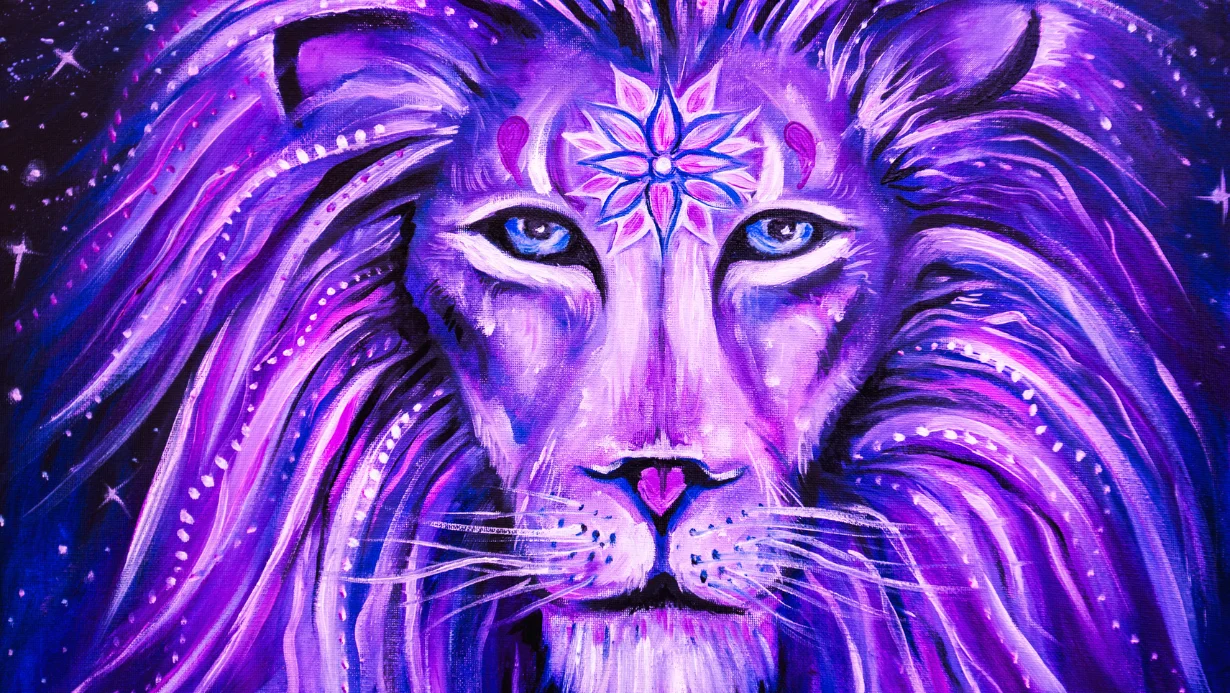
The third eye is a spiritual concept for inner sight: perception, intuition and awareness that go beyond the two physical eyes. In the chakra systems of certain forms of Hinduism and Tantric Buddhism it is the sixth chakra, called ajna, placed between the eyebrows and associated with perception, awareness and spiritual communication (Cleveland Clinic).
Why the third eye got linked to the pineal gland
The pineal gland has collected spiritual meaning for a long time. It has been equated with the Eye of Horus in ancient Egypt and called the seat of the soul and the third eye in various religious traditions (Nichols, 2018). In the 17th century, the philosopher René Descartes wrote that the gland is “the principal seat of the soul”, partly because he could find no other part of the brain that is not double (Stanford Encyclopedia of Philosophy).
There is also a real biological reason for the name. In many non-mammal vertebrates the pineal complex senses light directly, and some reptiles, such as lizards, have a light-sensitive “parietal eye” on top of the head connected to it (Frigato et al., 2006). In humans the gland sits deep in the middle of the brain, and its link to light runs through melatonin and the body clock (Cleveland Clinic).
What does the pineal gland actually do?
The pineal gland makes melatonin, the hormone that helps control your sleep and wake cycle. It is a cone-shaped gland only about 0.8 cm long, it releases the most melatonin in darkness and cuts production when you are exposed to light (Cleveland Clinic). In adults it weighs less than 0.2 g and produces about 30 micrograms of melatonin a day (Nichols, 2018).
What about a “calcified” pineal gland?
Pineal calcification is real and common. A 2018 review describes the pineal gland as having the highest calcification rate of any organ in the body, and links heavy calcification to lower melatonin production (Tan et al., 2018). Some calcification is normal (Cleveland Clinic). What we could not find is any study showing that psilocybin decalcifies the pineal gland, or that calcification blocks spiritual experience. Those claims circulate widely online without research behind them.
Third eye claims and what the evidence shows
| Claim | What the evidence shows |
|---|---|
| The pineal gland is the third eye | A spiritual and historical association; Cleveland Clinic notes there is no scientific evidence for it (source) |
| Magic mushrooms activate the pineal gland | No study we found shows this; psilocybin’s effects track serotonin 2A receptor occupancy in the brain (Madsen et al., 2019) |
| The pineal gland releases DMT to create visions | DMT has been detected in rat pineal fluid, but rat brain DMT levels did not depend on the pineal gland (Dean et al., 2019); amounts found are too small to be psychedelic (Nichols, 2018) |
| Shrooms decalcify the pineal gland | No supporting study found; calcification is common and some is normal (source) |
| Psilocybin changes how the brain processes the self | Supported: its effects on brain connectivity are strongest in the default mode network (Siegel et al., 2024) |
| Mushrooms can produce mystical-type experiences | Supported in lab studies at high doses with preparation and support (Griffiths et al., 2011) |
Does the pineal gland make DMT?
There is no good evidence that the human pineal gland makes enough DMT to cause visions, mystical experiences or anything you would notice. The idea was popularized by psychiatrist Rick Strassman, who after giving DMT to volunteers in the 1990s suggested in his 2001 book DMT: The Spirit Molecule that the pineal gland might release it under stress, at birth or near death (Aeon).
What the studies found
- In 2013, researchers detected DMT for the first time in fluid collected from the pineal gland of rats (Barker et al., 2013). That was a rat study, and it showed presence, not amount or effect.
- In 2019, a study in rats found DMT in the visual cortex at levels that were similar in rats with and without a pineal gland, and concluded that brain DMT concentrations are independent of the pineal gland (Dean et al., 2019). The authors say it is unknown whether these levels could produce psychedelic effects.
- Pharmacologist David Nichols reviewed the evidence and concluded that the minute amounts of DMT detected in the brain are not sufficient to produce psychoactive effects (Nichols, 2018).
Psilocybin is also not DMT. Both belong to the same chemical family (tryptamines), but eating mushrooms does not work by making your pineal gland release DMT. In the body, psilocybin’s active form is psilocin, and its effects are believed to come from stimulating serotonin 2A receptors (Madsen et al., 2019).
What does psilocybin actually do in the brain?
Psilocybin’s effects come mainly from psilocin stimulating serotonin 2A receptors in the brain. In a brain imaging study, doses of 3 to 30 mg of psilocybin occupied up to 72 percent of these receptors, and the strength of the trip tracked both receptor occupancy and blood levels of psilocin (Madsen et al., 2019).
The default mode network
The default mode network is a set of brain regions most active when you are not focused on the outside world: daydreaming, thinking about yourself, replaying the past or planning the future. A 2012 imaging study found psilocybin reduced activity in major brain hubs and weakened the link between two core parts of this network, the medial prefrontal cortex and the posterior cingulate cortex. The bigger the drop, the stronger the subjective effects (Carhart-Harris et al., 2012).
A 2024 study in Nature tracked volunteers with repeated brain scans before, during and for three weeks after a 25 mg dose. Psilocybin changed brain connectivity more than three times as much as a stimulant control, the changes were strongest in the default mode network, and a reduced connection between the hippocampus and this network lasted for weeks (Siegel et al., 2024).
Why this sounds like a “third eye” experience
When the network that maintains your usual sense of self loosens, people often describe ego dissolution: the feeling that the boundary between you and everything else has thinned. The 2024 study found individual differences in these network changes were strongly linked to how intense the experience felt (Siegel et al., 2024). It is easy to see why someone would describe that as seeing with a different eye. The research describes the same event as a change in brain network activity, not the opening of an organ.
Can magic mushrooms cause spiritual or mystical experiences?
Yes, in research settings psilocybin reliably produces what scientists call mystical-type experiences: a sense of unity, sacredness, deep insight and timelessness. In a 2006 Johns Hopkins study of hallucinogen-naive adults who regularly took part in religious or spiritual activities, a high dose given in a comfortable, supportive setting produced experiences similar to spontaneous mystical experiences, which volunteers rated as having substantial personal meaning and spiritual significance two months later (Griffiths et al., 2006).
Key studies on psilocybin and mystical-type experience
| Study | Who and what | What was measured |
|---|---|---|
| Griffiths et al., 2008 | 36 hallucinogen-naive adults; high oral dose (30 mg/70 kg) in a supportive lab setting | At 14 months, 58% rated it among their five most personally meaningful experiences, 67% among their five most spiritually significant; 58% met criteria for a complete mystical experience |
| Griffiths et al., 2011 | 18 adults; four doses plus placebo, one month apart | At 20 or 30 mg/70 kg, 72% had a mystical-type experience and 39% had extreme anxiety or fear |
| Griffiths et al., 2018 | 75 healthy adults in a meditation and spiritual practice program | Mystical-type experience and how much people kept meditating predicted lasting changes in measures such as gratitude and life meaning at 6 months |
| Smigielski et al., 2019 | 38 participants on a 5-day mindfulness retreat; psilocybin or placebo | Decoupling inside the default mode network was associated with ego dissolution during meditation |
| Carbonaro et al., 2016 | Online survey of 1,993 people about their worst mushroom trip | 39% ranked it among their five most challenging life experiences; 84% still said they benefited |
Meditation and mushrooms
Much of the third eye language comes from meditation traditions, so it is worth knowing that researchers have studied the two together. In the Zurich retreat study, the extent of ego dissolution and brain connectivity changes predicted positive changes in how participants rated their psycho-social functioning four months later (Smigielski et al., 2019). In the Johns Hopkins study, lasting effects depended on both the mystical-type experience and how much people kept up their meditation and spiritual practices afterwards (Griffiths et al., 2018). In other words, the trip was not the whole story; what people did before and after mattered too.

Keep in mind what these studies were: carefully screened volunteers, measured doses of pure psilocybin, trained monitors, and hours of preparation. They describe what was measured in those conditions, not what will happen to anyone at home. And an insight that feels certain during a trip is still worth questioning afterwards, which we write about in the hidden problem with “the mushroom told me”.
Is it safe to use magic mushrooms for third eye or spiritual work?
Psilocybin is relatively safe for the body, but it carries real psychological risks, and the most likely one is overwhelming distress during the trip, which can lead to dangerous behaviour (Johnson et al., 2008). In the Johns Hopkins survey of challenging trips, 11 percent of people said they put themselves or others at risk of physical harm, and the odds went up with higher doses and without physical comfort or social support (Carbonaro et al., 2016).
Before you try it
- Have a sober sitter. The research guidelines call for interpersonal support throughout a session and a safe physical environment (Johnson et al., 2008).
- Check your mental health history. Research volunteers with a personal or family history of psychotic disorders are excluded (Johnson et al., 2008), and Health Canada notes a higher risk of side effects for people with or predisposed to psychiatric conditions (Health Canada).
- Never combine with lithium. In one analysis, 47 percent of 62 reports of lithium plus a psychedelic involved seizures (Nayak et al., 2021).
- Be careful with other medication. A 2024 systematic review found that medications such as antidepressants, MAOIs and lithium can weaken or strengthen the effects of classic psychedelics (Halman et al., 2024). Talk to your prescriber, and never stop a medication to trip.
- Plan the time. Effects usually start within 15 to 45 minutes and last four to six hours (Health Canada).
How much to take
The mystical-type experiences in the studies above came at high doses, and so did most of the extreme fear. For a first experience, our dosing guide puts a light dose at 1 to 2 g of dried mushroom: mild visuals, deeper introspection, still in control. A moderate dose of 2 to 3.5 g is a full trip that needs a comfortable setting, a sober sitter and no other plans. Work up slowly rather than starting high.
| Dose level | Dried mushroom | What the dosing guide describes |
|---|---|---|
| Microdose | 0.1 to 0.25 g | Sub-perceptual; you will barely feel it |
| Threshold | 0.25 to 1 g | Colours a touch warmer, slight lift in mood, fully functional |
| Light | 1 to 2 g | Mild visuals, introspection deepens, still in control |
| Moderate | 2 to 3.5 g | Vivid visuals, deep introspection; sitter needed |
| Strong | 3.5 to 5 g | Experienced only, sitter required; the ego starts to loosen |
| Heroic | 5 g and up | Advanced only; complete ego dissolution, not a starting point |
The setting matters as much as the dose. If you want to think it through first, read 10 questions to ask yourself before a mushroom trip and how your environment shapes a psychedelic trip.
Note on the law: the production, sale and possession of magic mushrooms are illegal in Canada unless authorized by Health Canada (Health Canada).
Where to start if you want to explore this
If you want to approach mushrooms as an inward, reflective experience rather than a party, the research points to the same few things: a moderate, measured dose, a calm setting, a sober sitter, and time afterwards to think about what came up. Golden Teacher mushrooms are a common choice for this: people report a trip that turns inward and a strong sense of connection to nature, and we sit them at 6 out of 10 on our potency scale, a good strain to learn your own dose on.
Whatever you choose, weigh it in grams of dried mushroom and start with our dosing guide.
FAQ
Do magic mushrooms open your third eye?
Not in any physical sense. No study shows psilocybin acting on the pineal gland; it works through serotonin 2A receptors and changes brain network activity, which many people experience as insight or inner vision (Madsen et al., 2019).
Does psilocybin affect the pineal gland?
We found no research showing that psilocybin activates, stimulates or decalcifies the pineal gland. The gland’s known main role is making melatonin for the sleep and wake cycle (Cleveland Clinic).
Is DMT released from the pineal gland during a trip?
There is no evidence of this. DMT has been detected in rat brains, but rat brain levels were independent of the pineal gland, and the amounts found are too small to be psychedelic (Nichols, 2018).
Can shrooms decalcify the pineal gland?
No study supports this. Pineal calcification is common and some of it is normal (Cleveland Clinic).
How much psilocybin causes a mystical experience?
In the Johns Hopkins studies, mystical-type experiences came mostly at high doses of 20 to 30 mg per 70 kg of pure psilocybin, given with preparation and support, and the same doses also caused extreme fear in 39 percent of volunteers (Griffiths et al., 2011).
Can microdosing open the third eye?
A microdose of 0.1 to 0.25 g is sub-perceptual by design, so it does not produce the visionary experiences people call a third eye opening (dosing guide).
Which mushroom strain is best for spiritual experiences?
No strain has been shown in research to be more spiritual than another; the studies used pure psilocybin, and dose, setting and preparation drove the results (Griffiths et al., 2011). Strains differ in strength, so a mid-strength strain makes it easier to dose carefully.
Find your strain, then your dose
Every product on the shelf shows its potency rating and the effects people report. The dosing guide walks through amounts before you order, and a real person answers if you write to us.
About the author
Lily Pelenis
I'm a Toronto-based lifestyle coach, psilocybin enthusiast and certified yoga instructor. I guide people toward mindful, balanced living, and my coaching blends modern wellness practices with ancient wisdom to help clients find deeper self-awareness, resilience and joy.
I've been experimenting with shrooms for over a decade, and I write about my own experience. I love nature, psychology and humans. That is why my articles tend to follow a trip past its peak and into the weeks after it.
Some pieces start with a strain I have tried myself, such as Golden Teacher or Albino Roller Coaster. Others are the practical ones, like how much to take the first time or how to brew a tea that sits easier on the stomach. Over the years I've learned that intention is everything, so I write about why you are taking it before I get to how.
Related articles
50% off your first order
New strains, restocks, sales and new writing from the Notebook, by email. No spam, unsubscribe any time.