Magic mushrooms, despite having one of the lowest harm profiles of any mind-altering substance, remain illegal in many parts of the world—while alcohol and cigarettes, two of the deadliest substances, are completely legal. The question of why this double standard exists is a complex one, rooted in history, politics, and societal norms, rather than objective science. If you’re anything like me, you’ve probably wondered how this happened. I can still remember the first time I truly questioned the legality of certain substances. I was in a college dorm room, surrounded by friends. One of them had just consumed too much vodka and was throwing up violently. Meanwhile, I sat quietly, processing one of the most profound experiences of my life after consuming just a gram of magic mushrooms earlier that day. It struck me as absurd: my experience—one that felt transformative—could land me in legal trouble, while my friend’s behavior, which seemed far more dangerous, was not only legal but socially encouraged. That stark contradiction stayed with me, fueling a deeper curiosity about the forces that shape drug laws and the unfair stigmas that surround psychedelics.
As the years went on, I dug deeper into the history and legal landscape of psilocybin mushrooms, and what I found was not a story of science or public health, but one of political maneuvering, cultural biases, and deeply rooted economic interests. It became clear that the criminalization of psilocybin was less about its inherent danger and more about how power, politics, and societal values have shaped our understanding of what should be considered legal or illegal. In this article, we’ll explore why magic mushrooms remain illegal despite their relatively harmless nature compared to substances like alcohol and tobacco. We’ll also look at the broader implications of these laws and the growing movement to reconsider the prohibition of psychedelics.
READ: Legal Highs: The Top Legal Psychoactive Plants in Canada
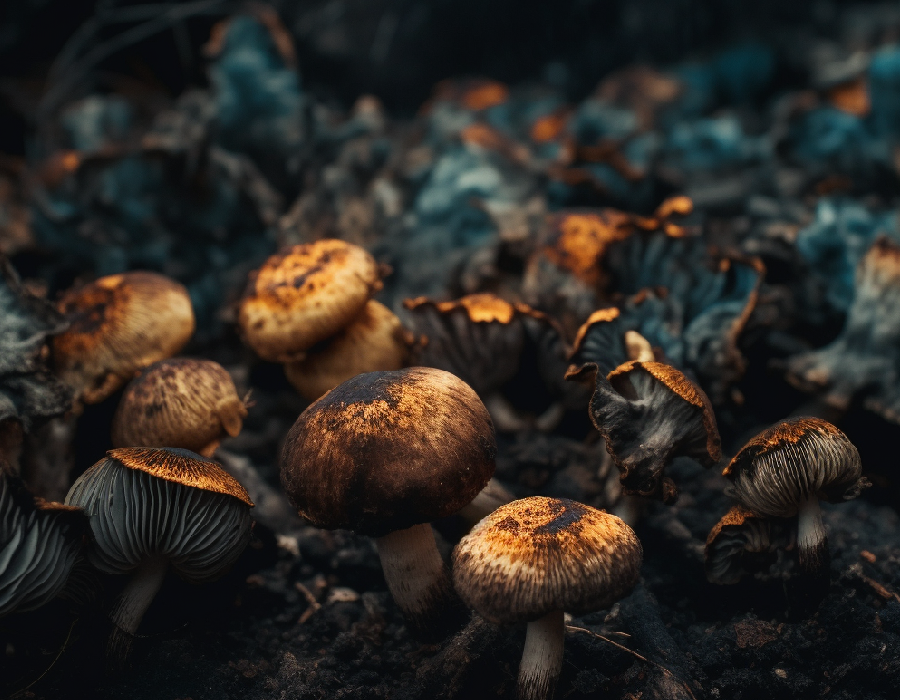
What Are Magic Mushrooms, and Why Are They Illegal?
Magic mushrooms, also known as psilocybin mushrooms, contain the naturally occurring psychedelic compound psilocybin. When ingested, psilocybin converts to psilocin in the body, which interacts with serotonin receptors in the brain. This interaction leads to altered perceptions of reality, mood changes, and enhanced cognitive experiences. The effects of psilocybin can vary widely, ranging from intense visual and auditory hallucinations to profound insights about oneself and the universe. These effects, while intensely impactful, are generally considered non-addictive and have a low toxicity level, especially when compared to substances like alcohol and tobacco.
However, despite their relatively benign risk profile, psilocybin mushrooms remain classified as illegal in most countries. The primary reason behind this prohibition is not rooted in evidence-based medicine or scientific data but in political and social factors that date back to the mid-20th century. The criminalization of psilocybin mushrooms has much to do with their association with counterculture movements, anti-establishment sentiments, and social unrest during the 1960s. At a time when the youth were rebelling against traditional societal norms, psychedelics like psilocybin became symbols of defiance and change. As these substances gained popularity, they were vilified by government agencies and lawmakers who viewed them as a threat to the established order.
In the U.S., the 1970 Controlled Substances Act classified psilocybin as a Schedule I drug, placing it in the same category as heroin and cocaine. This designation was based more on political fears than on any real concerns about the dangers of the substance. Psilocybin’s criminalization quickly spread to other parts of the world, including Canada, where it remains illegal today, classified as a Schedule III controlled substance under the Controlled Drugs and Substances Act.
READ: Where Are Magic Mushrooms Legal?

The Roots of Criminalization
The roots of psilocybin’s criminalization are deeply political, tied to the social movements of the 1960s. Psychedelic drugs, including magic mushrooms, became intertwined with the counterculture movement, which rejected mainstream American values. As young people began to experiment with these substances, they also began to question societal norms, authority figures, and traditional institutions. This posed a direct challenge to the status quo, prompting a backlash from political leaders and law enforcement agencies.
The government’s response to this shift was swift and harsh. In 1965, U.S. authorities placed psilocybin mushrooms under strict control, making their possession and use illegal. This move was part of a broader effort to suppress the counterculture and prevent the spread of anti-establishment ideologies. The legal crackdown on psychedelics continued with the passing of the Controlled Substances Act in 1970, which placed psilocybin in the most restricted drug category: Schedule I. This classification meant that psilocybin was considered to have no medical use and a high potential for abuse, despite a lack of evidence to support these claims.
The political motivations behind psilocybin’s criminalization were clear: it was seen as a threat to the power structures in place, and therefore, it needed to be suppressed. This pattern of using drug laws as a tool for social control has been repeated throughout history, often targeting marginalized communities or groups that challenge the dominant narrative.
The Risk Profiles Don’t Match the Laws
When it comes to comparing the risks of different substances, the legal status of psilocybin seems increasingly out of touch with reality. Let’s break down the risk profiles of alcohol, tobacco, and psilocybin to see how they stack up against each other.
READ: Shrooms and Alcohol: What Happens When You Try to Mix Them?

Alcohol
Alcohol is one of the most widely consumed substances in the world, and it’s deeply embedded in social traditions and cultures. Yet, alcohol is also one of the deadliest substances, responsible for an estimated 15,000 deaths annually in Canada alone. Beyond its lethality, alcohol is highly addictive and can lead to a wide range of health problems, including liver damage, cancer, and cognitive decline. Despite these severe health risks, alcohol remains legal in almost every part of the world.
Tobacco
Tobacco, another legal substance, is responsible for an even greater number of deaths. In Canada, tobacco-related diseases kill approximately 45,000 people each year. Smoking is the leading cause of preventable death, linked to numerous diseases such as lung cancer, heart disease, and respiratory issues. Yet, despite the overwhelming evidence of harm, tobacco remains legal and widely available.
Check out this magic mushroom!!

A.P.E Psilocybin Chocolate Bar
$60.00Dried Penis Envy Magic Mushrooms
Price range: $60.00 through $240.00Golden Teacher Gummies for Microdosing
$25.00


Psilocybin
In stark contrast to alcohol and tobacco, psilocybin mushrooms have a near-zero death rate and are non-addictive. Research has shown that psilocybin has a low toxicity level, and the only real risks associated with its use come from psychological effects, such as anxiety or confusion, particularly in unsupervised or improper settings. However, when used responsibly, psilocybin is considered to have minimal risks and, in some cases, can even be therapeutic. Clinical studies have shown that psilocybin can help treat mental health conditions like depression, anxiety, and PTSD, further highlighting its potential benefits.
The fact that psilocybin remains illegal while alcohol and tobacco are legal creates a glaring contradiction. While the former has demonstrated therapeutic potential and carries minimal risk, the latter substances continue to cause massive harm to public health.
READ: Psilocybin Therapy Toronto: Where Healing Meets the Edges of Consciousness
Control, Culture, and Misinformation
The criminalization of psychedelics like psilocybin also intersects with broader cultural and historical forces. Psychedelics have been used for centuries by Indigenous cultures for spiritual, healing, and ceremonial purposes. In many Indigenous traditions, psilocybin mushrooms are seen as sacred tools for personal growth and insight. The criminalization of psilocybin disrupted these practices and created a cultural stigma around the substance, casting it in a negative light and associating it with counterculture movements.
In contrast, alcohol and tobacco became deeply entrenched in Western culture, with strong economic interests and social rituals surrounding their use. Over time, these substances became normalized, and their legal status was solidified by powerful lobbying groups and industries. Tobacco companies, for instance, have long funded campaigns to downplay the dangers of smoking, while the alcohol industry has similarly fought against regulations that might harm its profits.
The power of these industries, combined with decades of propaganda-fueled drug education, has made it difficult to challenge the status quo. Despite the overwhelming evidence of harm caused by alcohol and tobacco, these substances remain legal because they are culturally ingrained and economically profitable.
READ: Mushrooms and Cannabis – How They Compare and Interact

Explore the Truth Behind Magic Mushrooms with Magic Mush
The criminalization of magic mushrooms has always been a matter of politics, culture, and historical influence, rather than grounded in scientific evidence. Despite psilocybin’s low harm profile, minimal risk of addiction, and its therapeutic potential, the stigma around psychedelics continues to shape laws and perceptions, keeping them illegal while substances like alcohol and tobacco, which are far more harmful, remain legal. As we’ve seen, the prohibition of psilocybin has roots in a complex history of cultural control, misinformation, and power dynamics, rather than any objective health or safety concern.
However, the tides are changing. New research into the benefits of psilocybin—particularly in its use for treating conditions like depression, PTSD, and anxiety—is shifting public opinion and challenging long-held misconceptions. Microdosing and therapeutic uses of psilocybin are gaining recognition, showing that this powerful substance has healing capabilities that were long overlooked. With the growing acceptance and scientific validation of psychedelics, it’s clear that the future of psilocybin is bright, and it may soon break free from the legal restrictions that have held it back for decades.
At Magic Mush, we are proud to be part of the movement that is transforming the way people view magic mushrooms. As your trusted source for premium dried magic mushrooms in Ottawa, we provide not only high-quality bundles, chocolate shrooms, and gummies but also education on their safe usage, the therapeutic benefits, and the cultural history of psychedelics. Our mission is to challenge outdated biases and offer a safe, supportive environment for individuals looking to explore the many benefits of magic mushrooms. Whether you’re interested in using psilocybin for therapeutic reasons or simply want to discover its wonders, Magic Mush is here to guide you every step of the way.
We are committed to offering a seamless, private, and secure shopping experience with the highest standards of quality and rigorous testing. Join us as we continue to advocate for the destigmatization of psilocybin and provide access to these transformative experiences. With a strong focus on customer satisfaction, exceptional support, and a community of like-minded individuals, Magic Mush is here to support your journey into the world of psychedelics. Ready to explore the transformative potential of magic mushrooms? Visit Magic Mush today and take the first step toward discovering a world of healing and growth.