Exploring the realm of natural psychoactive substances reveals a fascinating world of plants that have been used for centuries to offer unique experiences. For many, the idea of using plants with psychoactive properties may evoke images of ancient rituals or indigenous cultures harnessing their power for spiritual, medicinal, and transformative purposes. In Canada, however, these plants aren’t just the stuff of history—they are real, tangible substances that some people can access legally, offering a range of psychoactive experiences that are both powerful and profound.
During my travels across Canada, I had the chance to connect with indigenous communities and experience firsthand the rich traditions they have built around plants like peyote and ayahuasca, which have been used for healing and spiritual journeys for centuries. This piqued my interest in understanding which psychoactive plants are legally available in Canada today, and how they continue to shape the spiritual and mental wellness practices of modern society. As someone with an appreciation for both the historical significance and potential benefits of these plants, I’ve always been curious to learn more about how they are integrated into contemporary life. After delving deeper into the topic, I realized that the use of psychoactive plants is not only a connection to ancient traditions but also a growing movement in today’s wellness and healing culture.
One of the things that struck me most was the fact that many of these plants are legal to use in Canada, creating a unique landscape where ancient wisdom meets modern law. While most of us are familiar with the concept of regulated substances like cannabis, there’s a whole other world of legal psychoactive plants that are often overlooked. In this article, we’ll take a closer look at some of the most well-known and legally accessible psychoactive plants in Canada, from peyote and Salvia divinorum to the San Pedro cactus and Ayahuasca. These plants each have a distinct cultural background, unique chemical properties, and different ways of affecting the mind and spirit.
As we dive into this fascinating topic, I encourage you to keep an open mind, and perhaps even consider how you might explore some of these plants’ transformative potential. Whether you’re drawn to their cultural significance, therapeutic benefits, or simply curious about their psychoactive effects, the world of legal psychoactive plants in Canada offers a wide range of possibilities for those willing to explore it.
READ: An Enthusiast’s Guide to Psilocybe Aztecorum

The Cultural Significance of Psychoactive Plants in Canada
While much of the conversation surrounding psychoactive plants often centers on their legal status or their potential therapeutic applications, it’s essential to recognize the deep cultural significance these plants hold in many communities, especially among Indigenous peoples. For centuries, psychoactive plants such as peyote, ayahuasca, and others have been used in spiritual ceremonies, healing rituals, and as part of traditional medicine.
Indigenous Wisdom and Traditional Use
Indigenous cultures across Canada have a long history of incorporating psychoactive plants into their spiritual practices. These plants are viewed not merely as substances to alter perception, but as sacred tools for healing, divination, and connection with the divine. The use of plants like peyote and salvia divinorum in ceremonies is not only about the effects they induce but also the wisdom and teachings they bring about personal transformation and spiritual growth. These traditions are still very much alive today, with many Indigenous communities continuing to use these plants in their ceremonies to maintain connection with their ancestors and the Earth.
Legal Psychoactive Plants in Canada
Canada’s legal landscape is fascinating when it comes to natural psychoactive plants. Unlike many countries where substances like peyote or ayahuasca are strictly controlled or outlawed, Canada provides a unique opportunity for individuals to explore the transformative effects of certain psychoactive plants legally. These plants not only offer personal insights, but they also carry deep cultural significance for various indigenous groups. While many of these plants are legal to possess, cultivate, and sometimes use, it’s important to understand their legal context and how they fit into both historical and modern frameworks. Let’s take a closer look at some of the most notable psychoactive plants that are legally accessible in Canada.
READ: Cordyceps: Natural Support For Vitality and Stamina
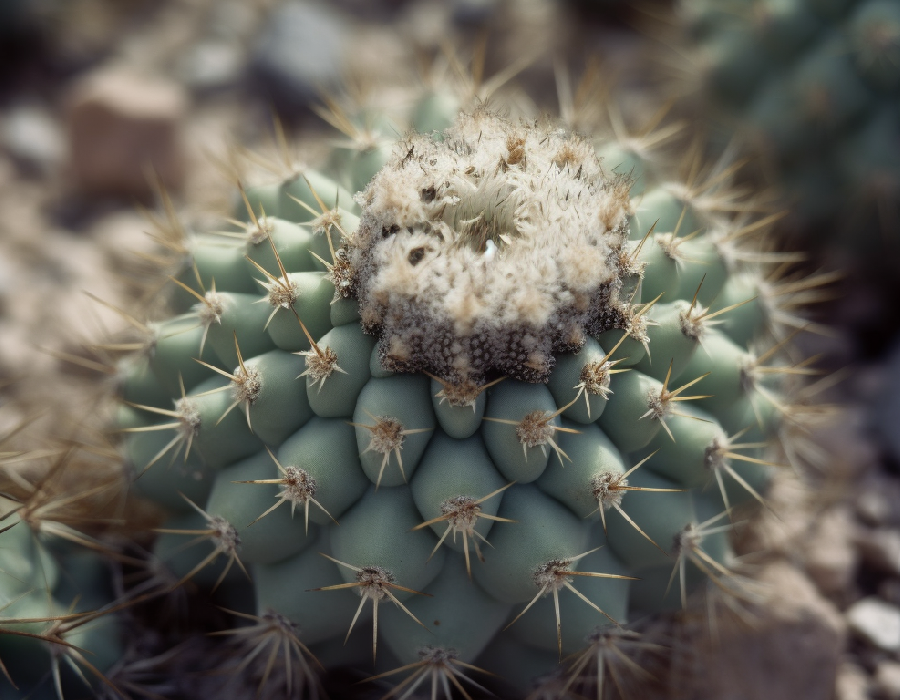
1. Peyote (Lophophora williamsii)
Peyote, a small, spineless cactus native to the southwestern United States and northern Mexico, has a long history of use in Native American spiritual and healing ceremonies. The plant contains mescaline, a potent psychoactive alkaloid that induces vivid visions, heightened sensory perception, and profound introspection. Indigenous groups, particularly those involved in the Native American Church, have used peyote for centuries as part of their religious rites, believing that it facilitates communication with the divine, fosters spiritual enlightenment, and aids in personal healing.
In Canada, the legal status of peyote is unique. While mescaline, the active compound in peyote, is classified as a Schedule III controlled substance under the Controlled Drugs and Substances Act, peyote itself is exempt from this classification. This means that while mescaline is illegal to possess or distribute, the cultivation, sale, and consumption of the peyote cactus are legal in certain circumstances. For example, individuals interested in cultivating peyote for personal or ceremonial use can do so, provided they follow the laws that regulate its use, which generally apply to cultural and spiritual practices rather than recreational use. Peyote remains a symbol of spiritual connection and healing for many, and its legality in Canada allows for continued cultural and religious practices surrounding its use.
2. Salvia Divinorum
Salvia divinorum, a perennial herb in the mint family, has a reputation for its powerful hallucinogenic properties. Native to the Sierra Mazateca in Oaxaca, Mexico, Salvia divinorum has been used for centuries by the Mazatec people in religious ceremonies to facilitate visions, divination, and spiritual healing. The plant contains salvinorin A, one of the most potent naturally occurring psychoactive compounds known today. Salvinorin A acts on the brain’s kappa opioid receptors, leading to short but intense hallucinogenic experiences that can alter perceptions of reality and induce vivid, often surreal visions.
What makes Salvia divinorum particularly interesting in Canada is its legal status. Unlike many other psychoactive plants, Salvia divinorum is not listed under the Controlled Drugs and Substances Act. As a result, it is legal to grow, sell, and possess the plant in its raw form. However, it’s important to note that Health Canada advises caution due to its intense and unpredictable effects. While the plant itself is legal, its use is heavily regulated in some provinces, and there are certain safety concerns associated with its consumption, especially when used in unregulated environments or by those who are unprepared for its potency. Despite these warnings, Salvia divinorum remains a legal and accessible option for those looking to explore the unique experiences it offers.
READ: Mushrooms and Cannabis – How They Compare and Interact
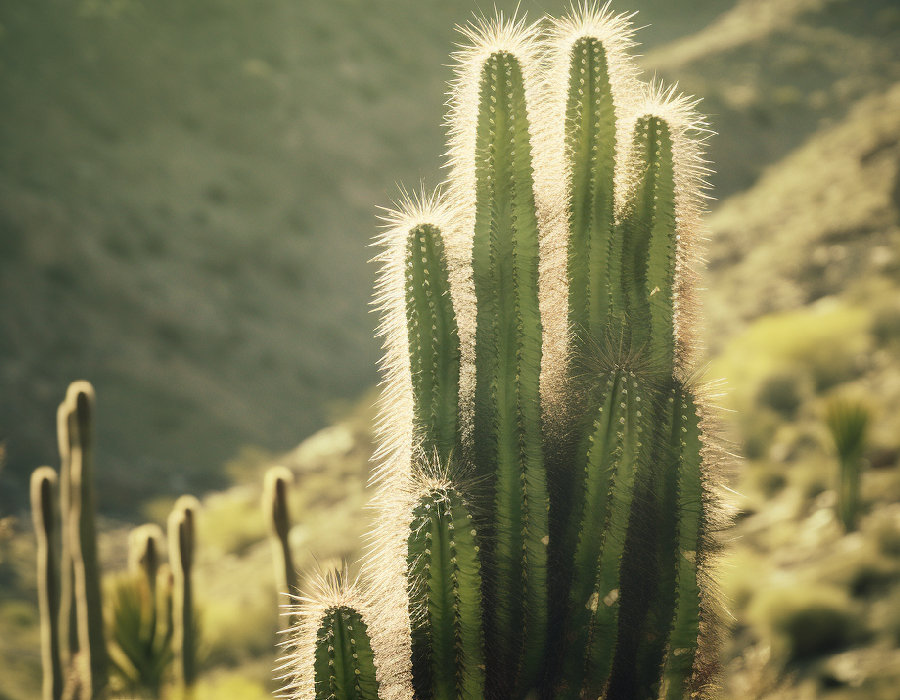
3. San Pedro Cactus (Echinopsis pachanoi)
The San Pedro cactus, a tall, ribbed cactus native to the Andes Mountains of South America, is another psychoactive plant that can be legally grown and cultivated in Canada. Like peyote, the San Pedro cactus contains mescaline, which produces similar effects, such as enhanced perception, emotional insight, and visionary experiences. Traditionally, San Pedro has been used by Andean cultures for millennia in healing and religious rituals. Shamans use it as a medicine to treat both physical and spiritual ailments, helping individuals connect with the natural world and gain insight into their lives.
While mescaline itself is a controlled substance in Canada, the San Pedro cactus itself is not specifically regulated, making it legal to cultivate and possess. However, extracting mescaline from the cactus is illegal, so individuals are only permitted to grow the plant for ornamental purposes or in some cases, for traditional use under legal exemptions. The San Pedro cactus has become increasingly popular among plant enthusiasts and those interested in the spiritual or therapeutic potential of mescaline. Its presence in Canadian gardens and private collections is a testament to the plant’s unique place in the intersection of cultural tradition and modern-day legal frameworks.
Check out this magic mushroom!!

A.P.E Psilocybin Chocolate Bar
$60.00Dried Penis Envy Magic Mushrooms
Price range: $60.00 through $240.00Golden Teacher Gummies for Microdosing
$25.00


4. Syrian Rue (Peganum harmala)
Syrian Rue is a flowering plant native to the Middle East and parts of Central Asia. It has been used for centuries in traditional medicine and religious rituals, primarily for its psychoactive alkaloids, harmaline and harmine. These compounds act as monoamine oxidase inhibitors (MAOIs), which can enhance the effects of other psychoactive substances, particularly those containing DMT, such as in Ayahuasca brews. In some traditions, Syrian Rue is used as part of a spiritual practice to promote clarity, healing, and personal transformation.
In Canada, Syrian Rue is not classified as a controlled substance. While the alkaloids harmaline and harmine are listed as Schedule III substances, which means that the extracted alkaloids are illegal to possess, the plant itself is completely legal to grow and use. This allows individuals to explore Syrian Rue in its natural form without running afoul of the law. The plant’s popularity in alternative healing circles has led to increased interest in its potential benefits, both as an MAOI and in combination with other psychoactive substances. As with any potent psychoactive plant, it’s essential for individuals to approach Syrian Rue with caution and respect for its power, ensuring they understand its effects and potential risks.
READ: Psilocybin vs. DMT – What Are the Differences?
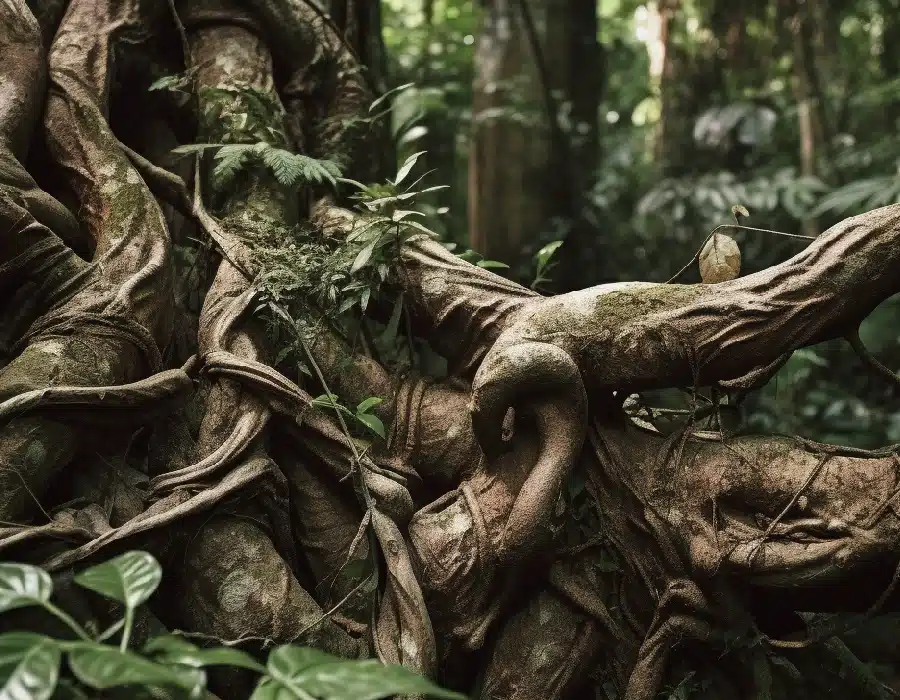
5. Ayahuasca (Banisteriopsis caapi)
Ayahuasca, a sacred brew made from the Banisteriopsis caapi vine and other plants, has gained widespread attention in recent years for its transformative effects on the mind and spirit. Used in South America for centuries by indigenous Amazonian tribes, Ayahuasca is typically consumed in ceremonial settings under the guidance of shamans. The vine contains harmala alkaloids, which act as MAOIs, allowing DMT, the psychoactive compound found in other plants, to become orally active and produce profound visionary experiences. Ayahuasca rituals are considered a powerful tool for spiritual insight, emotional healing, and even physical well-being.
In Canada, Banisteriopsis caapi is not specifically listed under the Controlled Drugs and Substances Act, meaning the plant itself is legal to possess and grow. However, preparations containing DMT are illegal in Canada, so while the plant is legal, brewing Ayahuasca for personal or recreational use would still fall into a gray area of the law. Despite this, many people in Canada continue to seek out Ayahuasca for its potential therapeutic and spiritual benefits, often traveling to other countries where the brew is used in more formalized ceremonies. As interest in Ayahuasca grows, Canadian practitioners must be mindful of the legal restrictions surrounding its use and the importance of consuming it in a safe, guided, and informed manner.
READ: A Handbook to Eating Dried Shrooms: How to Use Magic Mushrooms Effectively

Take the Leap with Magic Mush: Explore Legal Psychoactive Plants in Canada
Canada offers a fascinating array of legal psychoactive plants that present both spiritual and medicinal potential. From Peyote and Salvia divinorum to San Pedro Cactus and Ayahuasca, these plants hold a unique place in both indigenous cultures and modern wellness practices. Understanding their legal status and cultural significance is crucial for anyone interested in exploring their psychoactive properties. As we’ve seen, many of these plants are legally accessible in Canada, allowing users to engage with them in safe, controlled environments. However, it’s essential to approach these substances with respect for their cultural backgrounds and a clear understanding of the regulations that govern their use. Always stay informed, follow legal guidelines, and ensure that you engage in responsible consumption practices.
Magic Mush, your trusted partner in Canada’s growing psychedelic landscape, provides you with the knowledge and support you need for a safe and enriching experience. As a company dedicated to destigmatizing the use of dried magic mushrooms and other psychoactive plants, Magic Mush empowers individuals to explore the therapeutic potential of these natural substances in a responsible way. Whether you are looking to learn more about the cultural significance of these plants, find high-quality products like chocolates shrooms or shroom gummies, or engage in a supportive community, Magic Mush offers all the resources you need. With educational tools, top-tier products, and expert advice, Magic Mush stands as a beacon for those curious about the benefits of magic mushrooms and other legal psychoactive plants.
If you’re ready to take the next step in your psychedelic journey, Magic Mush is here to guide you. Offering premium magic mushrooms, detailed resources, and a safe, supportive environment, Magic Mush ensures you have everything you need to explore the benefits of psychedelics responsibly. Our platform is dedicated to fostering a knowledgeable community and challenging outdated stigmas, all while delivering high-quality, rigorously tested products to ensure a safe and transformative experience. Ready to dive in? Visit Magic Mush today to shop, learn, and take part in a movement that’s changing perceptions across Canada in places like Ottawa and Toronto.
Explore the world of legal psychoactive plants with Magic Mush today, and experience the difference of a trusted, professional guide in the world of psychedelics.