
Feathers, drums, ceremonial language, references to “ancient wisdom,” and vague invocations of shamans or elders appear everywhere. Often, they’re paired with sincere reverence and a genuine desire for healing or meaning. And yet, something feels off. The imagery is there, but the people, places, histories, and responsibilities that give those traditions life are often nowhere to be found.
That tension is what this article is about. Not calling anyone out, not declaring villains and heroes, but slowing down to look honestly at what gets misunderstood, why it matters, and how curiosity can coexist with accountability. Many people in Western psychedelic culture truly want to engage respectfully. The problem is that sincerity alone doesn’t erase impact. Understanding that gap is where more ethical engagement begins.
🧠 Many people compare psilocybin and traditional therapy when thinking about different paths to mental health support. Read this resource to learn more about how they’re discussed side by side

Why I Started Questioning the Way “Indigenous Wisdom” Gets Used So Casually, Including by People I Respect
I remember the first time I noticed how quickly Indigenous traditions were being flattened into a kind of aesthetic shorthand. Someone I genuinely admired—thoughtful, well-read, clearly well-intentioned—kept referring to “Indigenous wisdom” as if it were a single, unified body of knowledge that could be accessed through the right experience or ceremony. There was no malice in it. In fact, there was admiration. But there was also a quiet absence of specificity, consent, and relationship.
That moment stuck with me because I realized how easy it is to slide from respect into abstraction. The internet, especially, rewards language that sounds ancient, mystical, and authoritative without asking where it comes from or who it belongs to. This article isn’t about positioning myself as an authority on Indigenous traditions—far from it. It’s about listening to patterns, noticing harm that can happen even with good intentions, and examining Western psychedelic culture itself rather than speaking for Indigenous peoples.
Let’s Define the Problem Carefully Without Collapsing Everyone Into One Story
Before going any further, it’s important to slow the language down. Indigenous traditions are not a single thing. They are diverse, living, and place-based practices tied to specific nations, languages, lands, and histories. They include spiritual, medicinal, ceremonial, social, and ecological knowledge, and many have nothing to do with psychedelics at all. Even where psychoactive plants or fungi are involved, the roles, meanings, and protocols differ widely—an important reminder when thinking about staying sacred in a secular psychedelic world without collapsing everything into a single narrative.
Western psychedelic culture, by contrast, is a loose and evolving mix of wellness industries, clinical research, counterculture, therapy, spirituality, and online content economies. It’s not monolithic either, but it does share some common habits and incentives, especially around branding, storytelling, and personal transformation.
The distinction between appreciation and appropriation often hinges on relationship and consent. Appreciation involves learning, specificity, accountability, and reciprocity. Appropriation tends to involve borrowing symbols, language, or practices without permission, context, or benefit to the originating communities. None of this is about declaring a single correct way to engage. It’s about noticing patterns that repeatedly cause harm when nuance is lost.
🍄 Mushroom tinctures are a traditional remedy people have used for generations in various cultures. Read this article for an in-depth look at how they’re made and used

The Biggest Misconceptions Western Psychedelic Culture Repeats, Often Without Realizing It
One of the most common misconceptions is the idea of a universal Indigenous shaman. In Western discourse, “shaman” gets used as a catch-all title, stripped of its cultural specificity. In reality, roles like healers, ceremonial leaders, and knowledge keepers are highly specific, contextual, and earned within particular communities. Treating them as interchangeable erases that complexity.
Another widespread issue is treating Indigenous cultures as ancient rather than living. Language like “ancient wisdom” often freezes traditions in the past, turning them into aesthetic backdrops instead of acknowledging contemporary Indigenous people who are alive, evolving, and navigating modern realities. This framing can feel respectful on the surface while quietly denying Indigenous presence in the present.
Medicine itself often gets reduced to a product. Plants and fungi are framed as commodities to be sourced, packaged, and consumed, rather than as beings embedded in reciprocal relationships with land, community, and responsibility—including medicines like San Pedro, the sacred cactus, which are traditionally approached through lineage, protocol, and long-term relationship rather than extraction. Ceremony then becomes a kind of experience tourism, where intensity and novelty are consumed without long-term accountability.
Western psychedelic culture also tends to prioritize individual liberation over collective obligation. Healing becomes a personal achievement, disconnected from community, reciprocity, or responsibility beyond the self. Decontextualized rituals are copied for their form, not their lineage or ethics, and consent is often assumed rather than sought. Simply claiming to “honour” a tradition doesn’t replace invitation or benefit.
There’s also a subtle spiritual hierarchy at play, where proximity to Indigenous practices is used as a status symbol. Finally, some people use Indigenous framing to bypass accountability, laundering trauma or avoiding professional care by claiming spiritual exemption. None of this requires bad intentions to cause real harm.
Why These Distortions Happen, Even Among Thoughtful People
It’s tempting to point fingers, but the reality is more structural than personal. The wellness marketplace rewards certainty, spectacle, and simple narratives. Social media flattens nuance into digestible aesthetics. Many people are deeply hungry for meaning and belonging, especially in cultures that feel fragmented or disconnected from land and ritual.
Colonial patterns also linger. Western culture has a long history of extracting resources, narratives, and authority without consent, and those habits don’t disappear just because the language becomes spiritual. Add to that a widespread lack of education about Indigenous sovereignty, history, and ongoing harms, and it becomes easier to see how these misunderstandings persist without conscious malice.
Understanding why this happens doesn’t excuse it, but it does create room for responsibility without defensiveness.
Check out this magic mushroom!!

A.P.E Psilocybin Chocolate Bar
$60.00Dried Penis Envy Magic Mushrooms
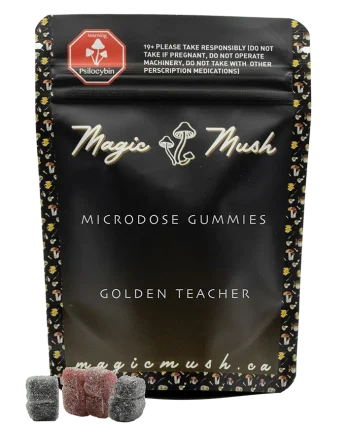
Price range: $60.00 through $240.00Golden Teacher Gummies for Microdosing
$25.00


The Real Harm This Causes, Beyond Abstract Ethics
The harm here isn’t theoretical. When Indigenous specificity is replaced with generic “tribal” spirituality, cultures are erased. Economic extraction happens when profits, platforms, and influence flow away from Indigenous communities while their symbols are used to sell experiences or identities, including romanticized narratives around sacred mushroom journeys that are detached from their cultural and ethical roots. Misrepresentation spreads misinformation and creates false authorities who speak over Indigenous voices.
Sacred practices can be reduced to content, stripped of privacy and meaning. Safety risks emerge when people imitate rituals without the cultural containers that held them safely for generations. Politically, consuming Indigenous symbols while ignoring Indigenous sovereignty reinforces the idea that culture can be taken without responsibility.
Importantly, all of this can happen even when intentions are sincere. Impact doesn’t require malice.
A Better Orientation for Learning Without Taking
Moving more ethically doesn’t require perfection. It starts with specificity—naming nations and traditions only when you can do so accurately. Permission matters more than projection. Reciprocity asks what you give back, not just what you receive. Humility means understanding that no experience makes you Indigenous-adjacent or grants authority.
Accountability asks who benefits and who is harmed, while relationship reminds us that learning is slow and belonging is earned, not consumed. This isn’t a checklist or a sourcing guide. It’s an orientation that prioritizes care over access.
Sitting in the Hard Middle Between Respect and Romanticization
Many people struggle here. You can be influenced by Indigenous worldviews without claiming them. You can repair language choices without self-flagellation. You can support Indigenous writers, educators, and organizations in ways they invite. You can have a rich spiritual life without borrowing someone else’s identity.
There is no single perfect solution, and purity politics help no one. Growth happens through ongoing attention, not one-time correctness.
🔍 The traditional use of shiitake mushrooms spans cultures and centuries. Read this article to get a thoughtful look at their benefits and history

Reflection Prompts That Invite Ethics Without Shame and Make Space for Slower, More Honest Self-Inquiry
This section isn’t meant to interrogate you or catch you doing something “wrong.” It’s here to slow the conversation down and create room for curiosity without self-punishment. Ethical reflection works best when it’s gentle enough to be sustained, and honest enough to actually change behaviour. The following prompts are meant to be sat with over time, revisited, and approached like mirrors rather than verdicts especially when questions like can mushrooms teach us anything sacred are held with openness rather than urgency.
One place to begin is by asking yourself what you are actually seeking when Indigenous traditions appear in your psychedelic language, imagery, or worldview. Is it healing, belonging, authority, legitimacy, depth, or relief from feeling unmoored in modern life? When you name the underlying need clearly, it becomes easier to meet it without borrowing someone else’s cultural identity to do so. This isn’t about denying your longing—it’s about locating it more truthfully.
Another useful point of reflection is the difference between being drawn to an aesthetic and being willing to engage with an ethic. Aesthetic attraction often shows up as imagery, clothing, ceremony language, or symbolic shorthand that feels meaningful or powerful. Ethical engagement, on the other hand, requires patience, limits, accountability, and an acceptance that not everything meaningful is accessible to us. Asking yourself which of these you’re responding to can quietly reorient how you move forward.
Language is another revealing place to pause. When you use words like “shaman,” “tribal,” “ancient,” or “plant medicine,” what do you actually mean? Do you know where those terms come from, who they belong to, and how they function within specific cultures? Or are they standing in for a vague sense of spirituality that feels hard to articulate otherwise? Precision in language isn’t about being politically correct—it’s about refusing to flatten living cultures into metaphors.
It can also be helpful to reflect on where status might be quietly operating. In Western psychedelic spaces, proximity to Indigenous practices is often treated as a form of spiritual credibility. Ask yourself whether referencing these traditions gives your story more weight, authority, or mystique in the eyes of others. If it does, that doesn’t make you a bad person—but it does suggest a power dynamic worth examining with care.
🔍 Maria Sabina’s life and work have inspired interest in traditional plant medicine across generations. Read this article for a thoughtful look at her story

Consider, too, how you talk about your own experiences. If your healing or insight genuinely intersected with teachings inspired by Indigenous worldviews, are you clear about where your knowledge ends and where your interpretation begins? Are you describing your personal meaning-making, or implying cultural authority you haven’t been given? There is room to honour impact without overstating lineage, just as there is room to appreciate symbols like sacred geometry without claiming ownership over the traditions that contextualize them.
Another grounding question is who benefits from the way you engage and share. When you post, teach, facilitate, or speak about these ideas, who gains visibility, credibility, or income—and who doesn’t? This isn’t a demand for perfection or purity, but an invitation to notice patterns. Ethical engagement often starts with noticing where attention and resources flow without us meaning them to.
It’s also worth reflecting on whether Indigenous frameworks are being used as a way to bypass other forms of responsibility. Sometimes spiritual language gets used to avoid professional care, community accountability, or difficult psychological work. Asking yourself whether Indigenous framing is supporting integration or substituting for it can help keep your healing grounded rather than mythologized.
Another prompt to sit with is how you relate to mystery. Western culture often treats understanding as ownership: if something feels meaningful, we want to name it, claim it, and share it. Indigenous traditions often hold knowledge as relational and partial, not something to be fully grasped or extracted. Can you allow something to influence you without fully possessing it or turning it into content?
You might also explore how comfort with slowness shows up in your process. Relationship-based learning—whether cultural, spiritual, or communal—rarely offers quick access or clear milestones. If you notice impatience, entitlement, or frustration around not being “let in,” that feeling itself can be a teacher rather than a problem to solve.
Finally, reflect on what repair could look like if you realize you’ve spoken carelessly or participated in extractive patterns in the past. Repair doesn’t require public self-flagellation or dramatic renunciation. It can look like changing your language, citing sources more carefully, amplifying Indigenous voices when invited, or simply stopping certain behaviours quietly and consistently. Growth is allowed to be private, uneven, and ongoing.
These prompts aren’t a checklist and they’re not meant to be completed once. They’re here to support a more mature relationship to meaning—one that values humility over identity, responsibility over performance, and respect as a lived practice rather than a label.
✨ Understanding historical spiritual practices can offer interesting context for modern conversations about consciousness. Discover what this article explains about the connections between Buddhism and psychedelics

Growing Up Spiritually, And Why at Magic Mush Canada We Believe Respect, Specificity, and Accountability Matter
This conversation isn’t about policing curiosity or shaming people for wanting meaning. It’s about growing up spiritually—moving beyond consumption, shortcuts, and borrowed authority into a more mature relationship with ethics, culture, and power. Western psychedelic culture often gets Indigenous traditions wrong not because people don’t care, but because systems reward abstraction over accountability and aesthetics over relationship. Throughout this article, we’ve explored where those misunderstandings show up, why they matter, and how humility, specificity, and reciprocity offer a steadier path forward.
At Magic Mush Canada, we take this responsibility seriously. We believe that psychedelics exist within cultural, historical, and ethical contexts that deserve respect, not romanticization. Our commitment is not just to providing high-quality, rigorously tested products, but to supporting education that encourages discernment, cultural literacy, and ethical reflection. We aim to help destigmatize magic mushrooms in Toronto without flattening Indigenous traditions into marketing language or spiritual props.
We see ourselves as part of a broader shift toward curiosity over certainty and care over spectacle. Through our blog and learning resources, we invite readers to explore the difference between meaning and marketing, between appreciation and appropriation, and between genuine relationship and consumption. Respect isn’t a statement—it’s a practice. And when approached with humility and accountability, it allows psychedelic exploration to grow deeper without taking what was never ours to claim.

