Shrooms and PTSD: What Psilocybin Research Shows
By Lily Pelenis / October 3, 2024 / 6 min read
Psilocybin, the active compound in magic mushrooms, is being studied for post-traumatic stress disorder (PTSD), and the first small trials are encouraging, but it is not an approved treatment. In a 2026 open-label pilot with 12 US military veterans whose PTSD had not responded to other treatment, two supervised psilocybin sessions with therapy were followed by a large drop in symptoms, and 75% were in remission one month later (Armstrong et al. 2026).
Neither that study nor the other psilocybin PTSD trial so far had a placebo group, so the results need confirming. This page covers what PTSD is, what the psilocybin trials found, how they compare with MDMA research, why trauma calls for extra care with mushrooms, and what to know before going further.
TLDR
Two open-label trials have tested psilocybin for PTSD. A single 25 mg dose with psychological support in 22 adults was followed by a clinically meaningful drop in symptoms that lasted to 12 weeks, with no serious adverse events (McGowan et al. 2026). In 12 veterans with severe, treatment-resistant PTSD, doses of 15 mg and 25 mg with about 16 hours of therapy produced a large reduction in clinician-rated symptoms (Armstrong et al. 2026).
The most studied psychedelic for PTSD is MDMA, not psilocybin: in a phase 3 randomized trial, MDMA-assisted therapy reduced symptoms more than the same therapy with placebo (Mitchell et al. 2023). For people with trauma, psilocybin outside a clinical setting carries real risks, including overwhelming fear and re-experiencing. Preparation, a safe setting and professional support were central to every trial.
Who this article is for
- People living with PTSD who want to know what the research actually shows.
- Veterans and first responders hearing about psychedelic therapy.
- Family members and partners supporting someone with trauma.
- Anyone comparing psilocybin with MDMA for PTSD.
Lily Pelenis
Author’s note
I am Lily, a lifestyle coach and yoga instructor who has used psilocybin for over a decade. Trauma is the area where I am most careful, because a psychedelic can bring up exactly the memories and body sensations a person has spent years protecting themselves from. An older version of this page included quotes from a researcher and a comedian that we could not verify, so I have removed them and kept to published studies.
The trials are hopeful, and I want people to know about them. But every one of them wrapped the psilocybin in hours of preparation and integration therapy. That support is not an extra; it appears to be part of how the treatment works.

What is PTSD?
PTSD is a mental health condition that can develop after a traumatic event, with symptoms such as re-experiencing the event over and over, recurring nightmares, and avoiding friends and family; symptoms usually appear within three months but sometimes not for years (CAMH). Standard treatments include trauma-focused psychotherapy and medication, but researchers note that they often have limited effect and high dropout rates (Modlin et al. 2025).
What did the psilocybin PTSD trials find?
Both published psilocybin PTSD trials were open-label (everyone knew they received psilocybin) and focused mainly on safety. Here is what they found.
| McGowan et al. 2026 | Armstrong et al. 2026 | |
|---|---|---|
| Participants | 22 adults with PTSD; 64% women | 12 US veterans with severe, treatment-resistant PTSD |
| Psilocybin | One 25 mg dose | Two doses, 15 mg then 25 mg, 2 to 3 weeks apart |
| Therapy | Preparation, psychological support, integration | About 8 hours before and 8 hours after dosing |
| Serious adverse events | None | None |
| Common side effects | Headache (50%), nausea (36%), crying (27%), fatigue (27%); most resolved by the next day | Headaches, anxiety, dizziness |
| Symptom change | CAPS-5 score down about 30 points at weeks 4 and 12 | CAPS-5 score down 27.5 points; 75% responded and were in remission at 1 month |
| Placebo group | No | No |
In the 22-person trial, symptom improvement was linked to the intensity of the psychedelic experience on the dosing day (McGowan et al. 2026). In the veterans trial, symptoms began improving during the preparation therapy, before any psilocybin, and that early change predicted the final result, while expectancy did not (Armstrong et al. 2026).
What participants described
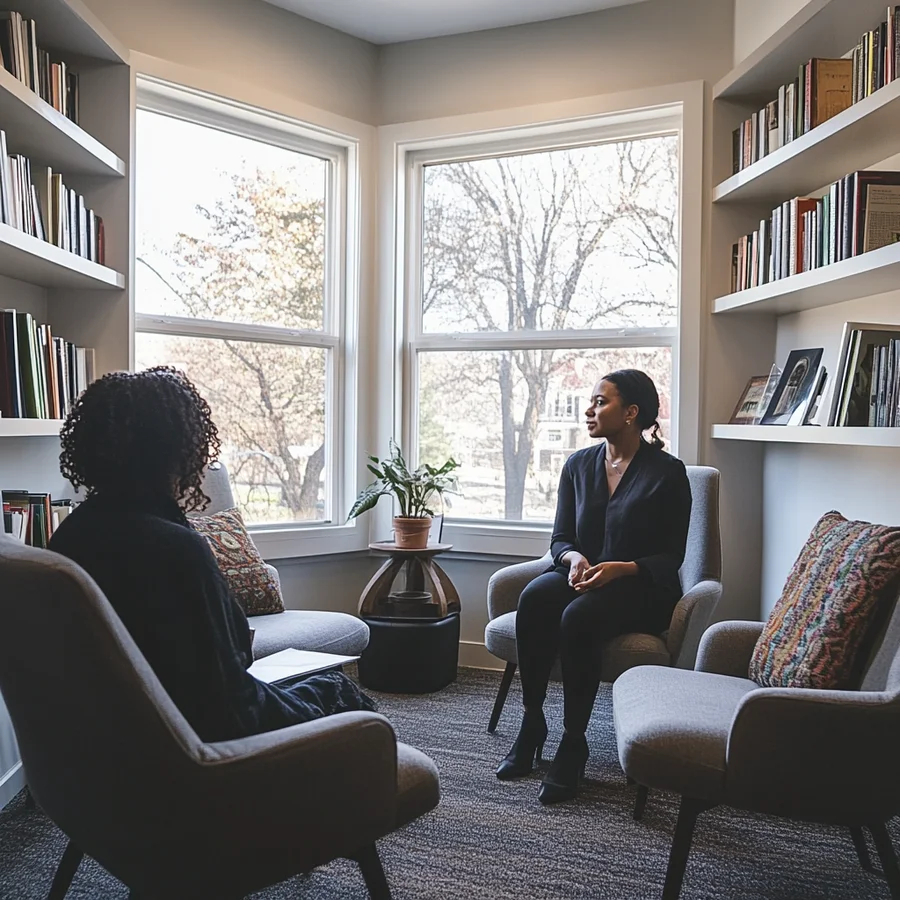
Interviews with people in the 22-person trial found that psychological safety and trust, built through preparation and education, were central. Participants engaged with their trauma both directly and indirectly during the session, and many described it as different from standard treatments that require direct, repeated exposure to the memory (Modlin et al. 2025).
How does psilocybin compare with MDMA for PTSD?
MDMA has much stronger evidence for PTSD than psilocybin so far. In a randomized, double-blind phase 3 trial of 104 people with moderate to severe PTSD, MDMA-assisted therapy lowered CAPS-5 scores by about 24 points against about 15 points for the same therapy with placebo (Mitchell et al. 2023).
Psilocybin, by contrast, has only the two small open-label trials described above, and the two drugs have never been compared head to head. They are different drugs with different effects: psilocybin acts mainly on serotonin 2A receptors (Kometer et al. 2013), and results from MDMA cannot be applied to it.
How might psilocybin help with trauma?
Researchers have several ideas, none proven for PTSD. Psilocybin reduces activity in brain hub regions involved in self-focused thinking (Carhart-Harris et al. 2012), and in mice it increased connections between neurons in the frontal cortex within a day (Shao et al. 2021). It also increased emotional empathy in a placebo-controlled study (Pokorny et al. 2017).
The trial data point to the experience and the therapy as much as the chemistry: improvement tracked the intensity of the dosing-day experience in one trial and the progress made in preparation therapy in the other (McGowan et al. 2026; Armstrong et al. 2026).
Is it safe to take shrooms if you have PTSD?
It carries more risk than for most people, and the trials were designed around that risk. Health Canada lists fear, paranoia, anxiety and panic attacks among psilocybin’s short-term effects (Health Canada), and for someone with trauma these can tip into reliving it.
- Re-experiencing without support. In a survey of difficult mushroom trips, the risk of harm rose with dose and with the absence of comfort and social support (Carbonaro et al. 2016).
- Lasting difficulties. Some people report anxiety, fear and feelings of unreality for months after a psychedelic experience; a guided setting was linked to a narrower range of problems (Evans et al. 2023).
- Medication. PTSD is often treated with antidepressants, and psychedelics can interact with them; lithium has been linked to seizures (Halman et al. 2024; Nayak et al. 2021).
- Psychosis risk. Research excludes people with a personal or family history of psychosis (Johnson et al. 2008).
- Suicide risk. The veterans trial monitored suicidal thoughts closely because veterans with PTSD face higher suicide risk (Armstrong et al. 2026). If you are having thoughts of ending your life, contact a crisis line or doctor now.
Some trauma responds better to slow, grounding work than to intense experiences. Our article on why some trauma needs grounding, not breakthroughs explores this, and if a session becomes overwhelming, see what to do when a trip turns dark.

Learning more safely
If you live with PTSD, the safest route to psilocybin is a clinical trial or authorized program with trained support. For more on trauma and psilocybin research, read our newsletter piece on psilocybin and childhood trauma, and see the Magic Mush dosing guide for the safety rules that apply to any psilocybin use.
FAQ
Can shrooms cure PTSD?
No. Early trials found large symptom reductions after supervised psilocybin therapy, but they were small and had no placebo group (McGowan et al. 2026).
Has psilocybin been tested in veterans with PTSD?
Yes. In a 2026 pilot of 12 veterans with severe, treatment-resistant PTSD, 75% were in remission one month after two psilocybin sessions with therapy (Armstrong et al. 2026).
What dose of psilocybin was used for PTSD?
The trials used pure psilocybin: one 25 mg dose in one study, and 15 mg followed by 25 mg in the veterans study, always with therapy (Armstrong et al. 2026).
Is MDMA or psilocybin better for PTSD?
MDMA has stronger evidence so far, from randomized phase 3 trials (Mitchell et al. 2023). Psilocybin has only small open-label trials, and the two have not been compared directly.
Can a mushroom trip trigger PTSD flashbacks?
It can bring up trauma-related memories and fear. In the trials, participants engaged with trauma material during sessions, but with preparation and professional support around them (Modlin et al. 2025).
Is psilocybin therapy for PTSD legal in Canada?
Psilocybin is illegal in Canada unless authorized by Health Canada (Health Canada). Our article on psilocybin therapy explains how it works in clinical settings.
Find your strain, then your dose
Every product on the shelf shows its potency rating and the effects people report. The dosing guide walks through amounts before you order, and a real person answers if you write to us.
About the author
Lily Pelenis
I'm a Toronto-based lifestyle coach, psilocybin enthusiast and certified yoga instructor. I guide people toward mindful, balanced living, and my coaching blends modern wellness practices with ancient wisdom to help clients find deeper self-awareness, resilience and joy.
I've been experimenting with shrooms for over a decade, and I write about my own experience. I love nature, psychology and humans. That is why my articles tend to follow a trip past its peak and into the weeks after it.
Some pieces start with a strain I have tried myself, such as Golden Teacher or Albino Roller Coaster. Others are the practical ones, like how much to take the first time or how to brew a tea that sits easier on the stomach. Over the years I've learned that intention is everything, so I write about why you are taking it before I get to how.
Related articles
50% off your first order
New strains, restocks, sales and new writing from the Notebook, by email. No spam, unsubscribe any time.