
I still remember the day we got the news. He had the diagnosis, all the paperwork in order, a doctor willing to supervise — everything lined up perfectly. On paper, he should have been able to access psilocybin under “Right to Try.” And yet, when the call came, it wasn’t to schedule a session. It was to tell us that, despite all the boxes checked, despite the law, psilocybin was still off-limits. The law said yes. The system said no. And sitting there in that room, feeling the hope drain away, I realized just how cruel that gap between possibility and permission could feel.
It wasn’t about chasing a psychedelic high. It wasn’t about curiosity or thrill-seeking. What we were hoping for was peace. Relief from the gnawing anxiety, the existential fear that comes with knowing your time is limited. Psilocybin wasn’t a luxury; it was a chance at dignity, at meaning, at a softer landing for someone who had already fought so hard and given so much. And to have it denied—not because of safety, not because of science, but because of bureaucracy—was a shock in the gut, the kind that leaves you quietly furious and heartbreakingly helpless at the same time.
I can still feel the tension in that room, the way the air seemed heavier after the call ended. We’d spent weeks preparing, talking through logistics, studying research, and imagining how this therapy might shift his final months. I thought I understood the legal landscape, but nothing could have prepared me for the emotional punch of realizing that the “Right to Try” might be more theoretical than real. And in that moment, I understood that this story wasn’t just ours—it was the story of countless patients and families stuck between hope and restriction, between evidence and access.
The more I’ve learned since that day, the more personal it feels. Every headline about psilocybin therapy, every new study showing its effectiveness, hits differently because I’ve seen what it could have meant in real life. It’s hard not to imagine how different things could have been if the system were more flexible, if compassion had carried more weight than red tape. I think about the people in hospice care, the parents watching their child wrestle with depression, the veterans carrying trauma—how many of them are just like us, staring at a potential lifeline that is legally “allowed” but practically unreachable?
And yet, even in that frustration, there’s a strange kind of hope. Because the fact that we can talk about this, study it, and fight for it means things are changing. The conversation about psilocybin is no longer fringe. Researchers, therapists, advocates, and patients are all pushing the boundaries of what’s possible, slowly challenging the laws and the stigma that have kept people from accessing this therapy for decades. It’s messy, it’s slow, and sometimes it’s heartbreaking—but it’s also profoundly human.
This is why I keep telling this story. Because beyond the legal complexities, beyond the studies and the policies, it’s really about people. It’s about watching someone you love grapple with fear, hope, and the denial of a right that should feel so basic. It’s about understanding that these laws are not just abstract rules—they shape real lives, real endings, and real chances at peace. And it’s about holding onto the belief that change is possible, even if it doesn’t happen fast enough, even if the system feels stacked against you.
🍄 Exploring the quiet war in psychedelics: soul-centered healing vs. pharma-driven protocols and who gets to define transformation

What Right To Try Was Supposed To Mean, And Why We Actually Thought Psilocybin Might Be Possible
When the Right to Try Act passed in 2018, it felt like a breakthrough. Finally, patients with terminal illnesses could access experimental treatments without having to fight through endless red tape. It was pitched as a compassionate law, one designed to give people more autonomy at the most vulnerable time in their lives. If the FDA hadn’t approved it yet but early data showed promise, patients could still try it. That was the point. Choice. Dignity. Control.
So when studies from places like Johns Hopkins and NYU started showing that psilocybin could ease end-of-life anxiety and depression, it seemed like the pieces were coming together. The data was compelling. People who faced death reported not just less fear, but more peace, more meaning, even a kind of acceptance. For families like ours, it was hard not to imagine what that could mean.
We really believed it might work out. We did the homework. We read the studies, learned about palliative care models, and started asking questions. There was momentum, a sense that we were part of a wave of change. We had a doctor on board, one who had read the research and agreed it was worth trying. For a while, it felt like we were on the path to something radical and humane. Something that might actually honor what “Right to Try” was supposed to stand for.
But the deeper we got into the process, the more it became clear: the promise of access and the reality of prohibition were two very different things.
The Crushing Moment When The Answer Turned Out To Be No, Even When It Should Have Been Yes
I can still hear the voice on the other end of the line. Calm, polite, almost apologetic. “I’m sorry, but psilocybin is still a Schedule I substance. That means it can’t be released under Right to Try. The DEA hasn’t made an exception.” Just like that, all the hope drained from the room.
There was no screaming, no dramatic scene. Just silence. He sat there, staring at the floor, absorbing the weight of what that meant. I think in some ways it hurt more because it wasn’t a surprise. Deep down, we had known it might play out this way. Still, it’s hard to describe the emotional whiplash of moving from cautious optimism to another brick wall.
What makes it worse is that the denial wasn’t about safety. It wasn’t about risk. It wasn’t about psilocybin being dangerous — decades of research have already shown otherwise, especially in controlled, therapeutic contexts. The denial was about control. Federal scheduling trumped everything else, and the system would rather maintain that control than allow dying people the dignity of making their own choice.
The impact was heavy. There was anger, of course, but also grief. Not just grief for the illness itself, but grief for the possibility that was stolen. Grief for a kind of peace that might have been possible but was kept out of reach.
🍄 Discover where magic mushrooms are legal and how you can access them safely

How Our Story Is Just One Of Many, And Why The Bigger Picture Makes It Even Harder To Swallow
As devastating as our experience was, I know we’re not alone. Across the country, patients and families keep running into the same wall. Advocacy groups like the Right to Try Psilocybin movement have documented case after case of people with terminal illnesses who meet every requirement — except the one that actually matters: federal permission. State laws are evolving, some more progressive than others, but federal prohibition still casts the longest shadow.
It feels like whiplash to see one headline about Oregon opening therapeutic psilocybin centers while another headline describes patients being denied access under Right to Try. It’s a patchwork system where your zip code can determine whether you have a chance at peace or not. And that’s what makes the whole thing so ethically gutting.
If the point of Right to Try is to give people more autonomy at the end of life, then why does psilocybin get excluded? Who gets to decide which risks are acceptable when someone is dying anyway? It’s a strange kind of cruelty to tell a person, “We trust you with the decision to refuse further treatment, to enter hospice, even to sign a DNR — but we don’t trust you to take a mushroom under supervision.”
That’s the contradiction at the heart of it. We want to believe the law protects choice, but in practice, it protects bureaucracy. And when you’re standing in a room with someone who has run out of time, that gap isn’t just theoretical. It’s devastatingly real.
Check out this magic mushroom!!

A.P.E Psilocybin Chocolate Bar
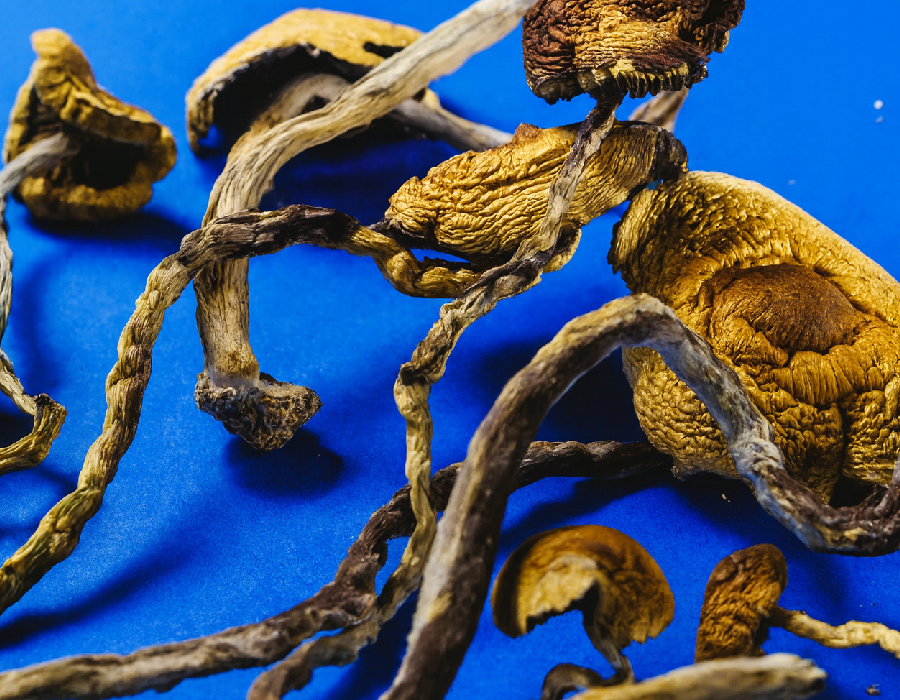
$60.00Dried Penis Envy Magic Mushrooms
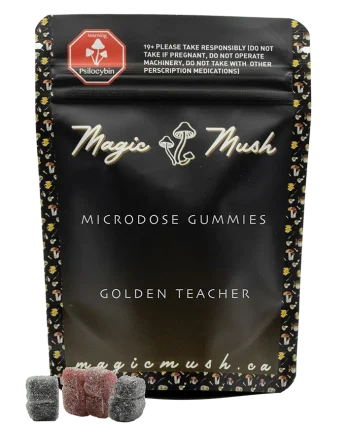
Price range: $60.00 through $240.00Golden Teacher Gummies for Microdosing
$25.00


What This Experience Taught Me About Law, Medicine, And The Meaning Of Dignity When Time Is Short
When I think back on the whole experience, what sticks with me most isn’t the legal details or the paperwork. It’s the human cost. It’s watching someone who wanted nothing more than peace be told that their peace wasn’t allowed. That’s a lesson I’ll carry with me for the rest of my life.
I’ve wrestled with the complexity of it. I understand the argument about safety, about setting precedents, about not rushing into legalization. But when someone is facing the end of their life, doesn’t the moral imperative shift? At that point, the harm isn’t in trying — the harm is in being denied.
Since then, I’ve gotten more involved with advocacy. I’ve read the studies, joined calls with groups pushing for reform, and tried to lend my voice to a growing chorus saying this isn’t just about medicine. It’s about human rights. Psilocybin won’t save lives in the traditional sense, but it can make the end of life more livable, more meaningful. That matters. That should matter enough to change the rules.
And the more I’ve learned, the more I see that even microdosing — something far less intense than a full trip — remains restricted. Even when small doses could support integration, reduce anxiety, and help people gently adjust, the door remains closed. It feels like another reminder that the gap between compassion and policy is still painfully wide.
Coming Back To That Room, And The Question I Still Can’t Shake No Matter How Much Time Passes
When I circle back to that day in the room — the paperwork on the table, the phone call that cut off the last thread of hope — what lingers isn’t just disappointment. It’s the haunting sense that the system robbed us of something deeply human. Not a cure, not a miracle, but a chance to face the inevitable with more grace.
I think about how calm he might have felt, how much lighter those final weeks could have been, if psilocybin had been allowed. I think about how unfair it is that the law claimed to offer a right, but in practice, that right vanished the moment it was needed.
And I can’t help but ask the same question, over and over: if someone is dying, who exactly are we protecting by keeping psilocybin out of reach?
🍄 Uncover the shocking truth behind why magic mushrooms are illegal while alcohol and cigarettes stay legal
Why You Should Explore Your Journey with Magic Mush Canada
As we’ve seen throughout this article, magic mushrooms are not just a fleeting trend or a curiosity from the counterculture era. They represent a profound opportunity to reconnect with the self, to heal from emotional burdens, and to explore new dimensions of mental and spiritual health. From their ancient ceremonial use to modern research-backed therapies, psilocybin continues to stand out as a natural ally for growth, transformation, and balance. While much of the journey relies on careful preparation and responsible use, the potential they hold for expanding consciousness and supporting wellness is hard to ignore.
At the same time, it’s important to remember that while science and tradition lay the foundation, your experience with mushrooms is always going to be personal. They can meet you where you are—whether you’re seeking relief from stress, a reset for your mental health, or simply a deeper understanding of yourself. By embracing these experiences with openness and mindfulness, you give yourself permission to step into new ways of living and thinking, far beyond the routines and expectations of daily life.
This is exactly where Magic Mush Canada comes into the picture. Instead of navigating the mushroom world alone, you’ve got a trusted friend who knows the ropes and has your back. With Magic Mush Canada, you don’t just get quality mushrooms—you also get a community, knowledge, and guidance that can make your journey safer and far more rewarding. Think of it as the difference between hiking through the woods with a trusted buddy who knows the trail versus stumbling around on your own.
At Magic Mush Canada, it’s never just about selling products. It’s about building a movement, one that values safety, openness, and connection. They’ve made it easy to shop online with privacy and care, while also offering reliable education to help you feel confident about your choices. The vibe here is personal and approachable, like a friend recommending something they know could genuinely make your life better. That’s the kind of energy you want when stepping into a world as transformative as psilocybin.
What really sets Magic Mush Canada apart is the combination of quality and community. Every product is rigorously tested and carefully curated so that you know exactly what you’re getting. Beyond that, their team is committed to helping break down the stigma around psychedelics in Canada, making space for honest conversations and shared experiences. You’re not just buying mushrooms—you’re joining a community that’s rewriting how society sees these powerful tools.
So if you’re ready to explore what mushrooms can bring into your life, there’s really no better place to start than with Magic Mush Canada. Whether you’re curious, cautious, or already experienced, they meet you where you are and help make the whole journey easier, safer, and more exciting. This isn’t about being sold to—it’s about being welcomed into something bigger, something meaningful, and something that just might change your life for the better.

- Before You Trip: The Questions That Actually Matter - 02/05/2026
- When Mushrooms Don’t Show You the Universe — They Show You You - 02/04/2026
- The Hidden Problem With “The Mushroom Told Me” - 02/03/2026
