If you spend even a few minutes scrolling through conversations about mental health and psychedelics online, it can feel like microdosing psilocybin has quietly become the answer to everything. People talk about clearer thinking, lighter moods, more emotional openness, and a general sense that something has “clicked” back into place. At the same time, formal research papers sound far more cautious, filled with qualifiers, limitations, and phrases like “self-reported outcomes” and “further study required.” This gap between lived stories and lab-based evidence is especially noticeable when the topic is mild depression, a form of emotional struggle that often flies under the radar because it doesn’t look dramatic from the outside. That tension between hype and hesitation is where this article lives, not to debunk curiosity or sell hope, but to slow things down and look carefully at what we actually know so far.
💬 Exploring the question of mushrooms and mood — here’s a thoughtful overview
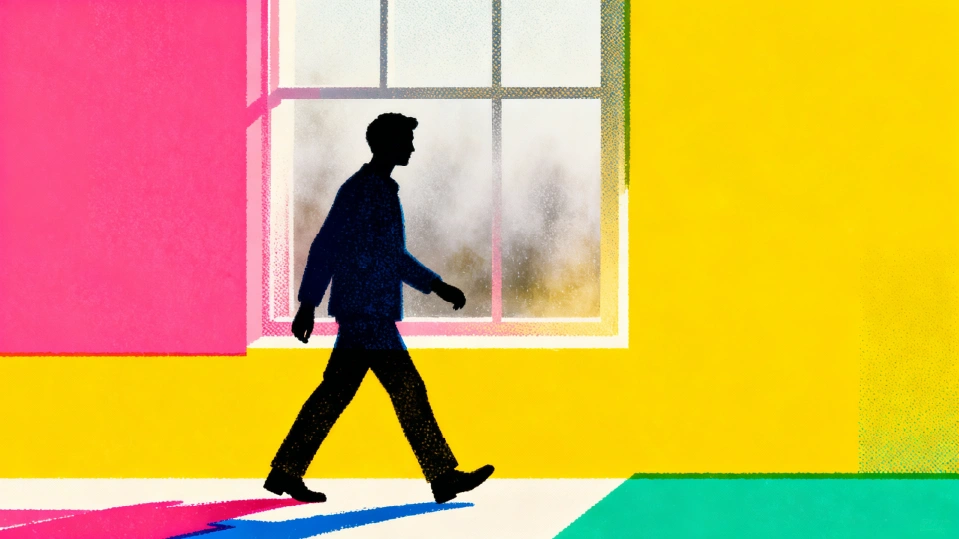
My Own Quiet Brush With Feeling Low Enough To Notice, But Not Low Enough To Stop Functioning
I’ve never been someone who would have checked the box for major depression on a screening form, and I’ve also never felt fully at ease calling myself “fine.” For a long stretch of time, my days worked on paper. I showed up, answered emails, kept commitments, laughed at the right moments, and didn’t alarm anyone around me. Internally, though, there was a dullness that felt hard to explain without sounding dramatic. Motivation took more effort than it used to, joy felt slightly muted, and everything emotional seemed to sit behind a pane of glass. When I first heard about microdosing psilocybin, it didn’t land as a solution so much as a question. Could something so subtle possibly matter for something that was also subtle? Or was it just another story we tell ourselves when we’re uncomfortable admitting we feel off? That curiosity—about how does depression affect the brain as much as how it feels—more than any expectation of change, is what pushed me to start reading the research instead of the testimonials.
What People Usually Mean When They Talk About Mild Or Subclinical Depression
Mild depression, sometimes referred to in research as subclinical depression, occupies an uncomfortable middle space. It isn’t severe enough to clearly meet diagnostic thresholds for major depressive disorder, yet it’s persistent enough to affect quality of life. People experiencing it often continue to work, socialize, and meet responsibilities, which can make the experience feel invalid or even invisible. Mood may be consistently low rather than acutely painful, energy levels may lag without fully collapsing, and interest in things that once felt meaningful can slowly erode rather than disappear overnight. Importantly, this state isn’t about self-diagnosis or labelling oneself prematurely. Researchers use the term to describe patterns seen in population studies, where people report ongoing depressive symptoms without reaching clinical severity. Understanding this distinction matters, because the kind of intervention that makes sense for someone barely getting out of bed may not apply to someone who is functioning but quietly disengaged from their own life.
🧠 Want to know what’s really helping people improve their mental health beyond prescriptions?

Why Microdosing Feels Especially Appealing When You’re Functioning But Not Thriving
For people living with mild or subclinical depression, the appeal of microdosing psilocybin often starts with a feeling that’s hard to put into words. Life isn’t falling apart, but it also isn’t fully landing. You’re showing up to work, responding to messages, keeping plans, and generally doing what’s expected of you, yet something underneath feels slightly dulled. Motivation exists, but it’s thinner than it used to be. Joy still shows up, but it doesn’t linger. In that in-between space, many traditional mental health options can feel mismatched, especially when people find themselves weighing psilocybin and antidepressants as very different ways of approaching the same quiet, persistent low mood.
Microdosing enters this picture because it promises subtlety rather than escape. Unlike full psychedelic experiences, which are often framed as intense, emotional, and disruptive to daily life, microdosing is talked about as something that fits into existing routines. People are drawn to the idea that a very small dose might gently influence mood, focus, or emotional responsiveness without knocking them out of their normal responsibilities. For someone who already feels capable but disconnected, that gentler framing can feel more aligned with what they’re actually seeking. It’s not about chasing euphoria or profound insight, but about nudging things just enough to feel a little more present or engaged.
There’s also a psychological layer to this appeal that’s worth acknowledging. Mild depression often comes with a sense of stagnation rather than acute distress. Thoughts can feel repetitive, emotional reactions predictable, and days can blur together without obvious highs or lows. Microdosing is frequently described, at least anecdotally, as introducing a slight shift in perspective or flexibility, which resonates strongly with people who feel mentally stuck rather than emotionally overwhelmed. The idea that something small could loosen rigid patterns without forcing dramatic change is compelling, especially for those who don’t identify with the narrative of being “broken” or in crisis.
Another reason microdosing feels relevant to this group is its positioning within broader conversations about autonomy and self-exploration. Many people experiencing mild depression are actively reflective and careful about their mental health. They read, they research, and they’re often wary of one-size-fits-all solutions. Microdosing is commonly framed as an experiment rather than a prescription, which appeals to individuals who want to understand themselves better without handing over control. That sense of agency can be particularly meaningful when low mood is tied to feeling disconnected from one’s own internal signals.
At the same time, this appeal is shaped heavily by culture and storytelling. Social media, podcasts, and long-form essays often present microdosing as a quiet upgrade to daily life, something that sharpens rather than disrupts. For people who already feel like they’re operating just below their potential, those narratives can feel deeply relatable. However, this is also where caution becomes important. The same subtlety that makes microdosing attractive can blur the line between genuine effect and expectation. When someone wants a small change, they may be more likely to notice and attribute any shift, however minor, to the practice itself.
Ultimately, microdosing feels appealing to people who are functioning but not thriving because it mirrors their experience. It exists in the grey area, just like mild depression does. It doesn’t demand a dramatic redefinition of self, nor does it promise a total overhaul. Instead, it offers the possibility of incremental change, which can feel more realistic and less intimidating. Understanding this appeal doesn’t mean endorsing the practice as a solution, but it does help explain why so many thoughtful, cautious people keep returning to the question of whether microdosing psilocybin might have something to offer them.
Check out this magic mushroom!!

A.P.E Psilocybin Chocolate Bar
$60.00Dried Penis Envy Magic Mushrooms
Price range: $60.00 through $240.00Golden Teacher Gummies for Microdosing
$25.00


What The Research Actually Shows When You Strip Away The Stories
When you look directly at the growing body of psychedelic research, a more nuanced picture emerges. Several recent studies have explored microdosing psilocybin using self-report measures, observational designs, and a smaller number of placebo-controlled trials. Some participants report modest improvements in mood, emotional awareness, or overall well-being over time. Others report no meaningful changes at all. One of the most consistent findings across studies is the powerful role of expectation. In placebo-controlled microdosing trials, participants who believed they were microdosing often reported benefits regardless of whether they received psilocybin or an inactive substance. This doesn’t mean the experience is “fake,” but it does complicate claims of direct causation, especially when people are also trying to understand broader questions like what is seasonal depression and how mood naturally fluctuates across different times of year. Current evidence suggests correlation rather than clear proof that microdosing itself produces antidepressant effects. Researchers also point out that sample sizes are often small, dosing protocols vary widely, and long-term outcomes remain largely unexplored. In short, the data invites curiosity, not certainty.
How Scientists Are Thinking About What Might Be Happening In The Brain And Mind
Although definitive conclusions are still out of reach, researchers are exploring several psychological and neurobiological mechanisms that could help explain reported effects. One area of interest is neuroplasticity, or the brain’s ability to form and reorganize connections. Psilocybin, even at low doses, may influence pathways related to learning and adaptation, potentially making thought patterns slightly more flexible. Another focus is cognitive and emotional openness, where people report being less stuck in habitual rumination and more able to notice thoughts without immediately reacting to them. These ideas are often discussed cautiously, because translating complex brain activity into everyday experience is never straightforward. What matters most is that these mechanisms are hypotheses being tested, not established facts. They offer a framework for future research rather than a finished explanation of how microdosing affects mild depression.
✨ Discover this article about navigating depression. It offers an honest look at the healing process
The Very Real Limitations, Risks, And Reasons To Approach With Caution
It’s easy to overlook risks when something is framed as low-dose and subtle, but caution remains important. Outcomes with microdosing psilocybin are inconsistent, and not everyone responds positively. Some people report increased anxiety, emotional discomfort, or disruption rather than relief. Mental health history also matters, as individuals with certain conditions may be more vulnerable to adverse effects, even at low doses. Another key factor is mindset and context, which can strongly shape experience and interpretation, especially when people are still learning about understanding the complex interaction between psilocybin and antidepressants alongside their own mental health needs. When expectations are high, disappointment can feel personal rather than informational. None of this is about discouraging exploration, but it is about acknowledging that microdosing is not neutral or universally benign. Responsible research emphasizes these uncertainties rather than glossing over them.
Thinking Of Microdosing As One Possible Support Rather Than A Standalone Answer
A recurring theme in more grounded discussions of mental health and microdosing is context. When people report benefits, those experiences often occur alongside other supportive practices, such as therapy, lifestyle changes, reflective journaling, or intentional rest. Framing microdosing psilocybin as a tool rather than a treatment helps keep expectations realistic. It shifts the focus away from quick fixes and towards integration, where any subtle changes are understood as part of a larger picture. This perspective also respects the complexity of mild depression, which rarely has a single cause or solution. By avoiding replacement narratives, we leave room for personal responsibility, professional guidance, and ongoing self-awareness.
A Reflective Closing On Curiosity, Care, And Not Rushing To Conclusions
Mild depression can be deceptively hard to talk about because it doesn’t always justify drastic action, yet it quietly asks for attention. Microdosing psilocybin sits at an interesting intersection of that experience, offering just enough promise to spark hope and just enough uncertainty to demand caution. The current research doesn’t support sweeping claims, but it does suggest there’s something worth continuing to study, especially when approached with humility and care. If there’s a takeaway here, it’s not to jump in or dismiss the idea outright, but to stay informed, ask better questions, and resist the pressure to find a single answer. Learning more, rather than rushing toward conclusions, is often the most respectful response to both the science and the lived experience of feeling slightly, persistently off.
🔍 Learn from this article about how microdosing is being explored for women with depression

Where All Of This Lands For Us At Magic Mush Canada, And Why Thoughtful Curiosity Still Matters More Than Big Claims Or Quick Answers
When we step back and look at everything this article has covered, a few themes keep coming up again and again. Mild depression is real, even when it doesn’t stop someone from functioning. Microdosing psilocybin is attracting attention precisely because it promises subtlety rather than intensity. And when you actually look at the research instead of the headlines, what you find is nuance: some people report small shifts in mood or perspective, placebo effects play a significant role, and science is still very much in the early stages of understanding what’s happening and for whom. There are no clean conclusions yet, no guarantees, and certainly no one-size-fits-all answers. What there is, however, is a growing body of thoughtful inquiry that invites people to slow down, stay informed, and approach mental health and microdosing with care rather than urgency.
That mindset is exactly where we come from at Magic Mush Canada. We don’t believe in miracle language, overnight transformations, or pushing anyone toward choices they’re not ready for. Our goal has always been to support informed, intentional exploration by grounding curiosity in education, safety, and respect for individual experience. When people come to us curious about microdosing and mild depression, we see it not as a problem to fix, but as a conversation to have. We focus on providing high-quality, rigorously tested products alongside clear information, realistic expectations, and a community that values responsibility over hype. As a Canadian company committed to destigmatizing dried magic mushrooms, we take seriously the role we play in shaping how these conversations unfold.
If you’re reading this and recognizing yourself in that quiet space of functioning but not quite thriving, our hope is that you feel better equipped to ask questions rather than pressured to act. Whether that means continuing to research, reflecting on your mental health, or eventually exploring microdosing in a thoughtful way, we’re here as a resource, not a push. At Magic Mush Canada, we see ourselves as partners in learning, offering support, education, and access for those who choose to explore psychedelics responsibly within the Canadian landscape. Curiosity paired with care is where meaningful change starts, and we’re proud to be part of that conversation with you.