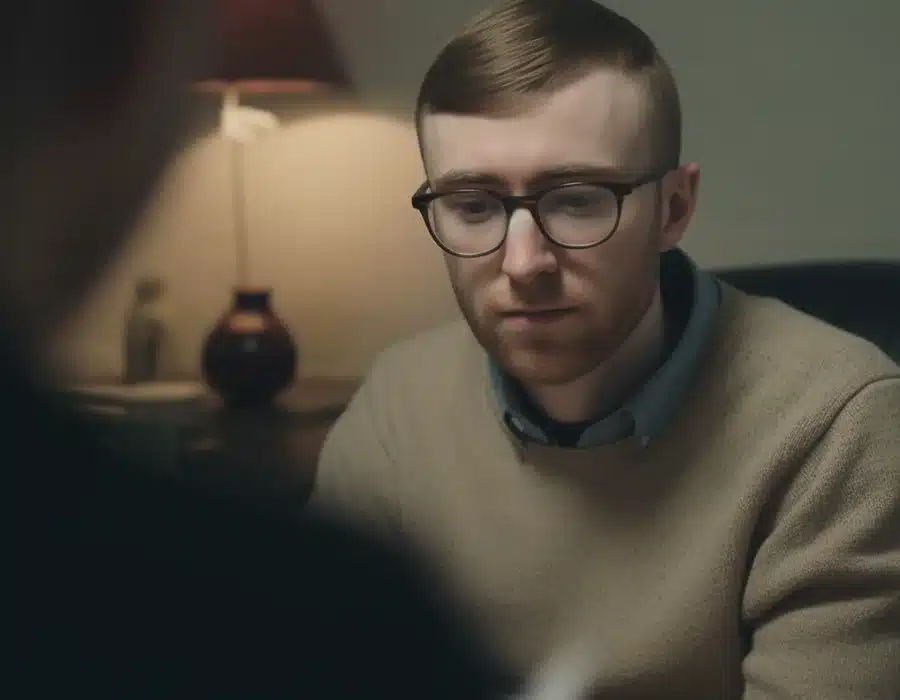
For years, I woke up every morning with a really heavy sense of dread, my mind clouded by an invisible weight that seemed to cling to me, no matter what I did. It wasn’t something I could easily explain to others, and I often found myself brushing it off as “just stress” or “feeling a bit down.” But deep down, I knew it was something much more profound, something that couldn’t simply be ignored or pushed through. It wasn’t until I hit a breaking point—when the days felt more exhausting than fulfilling—that I realized I was battling something far deeper: clinical depression.
I vividly remember the moment I reached out for help. It wasn’t easy to admit that I wasn’t okay, let alone that I needed help to heal. There’s a certain stigma around mental health, especially depression. It’s easy to convince yourself that you should be stronger, that you should be able to handle it, and that asking for help is a sign of weakness. But I reached a point where I could no longer ignore the reality of my situation. That was the moment when I finally sought a diagnosis. It was liberating to finally put a name to the overwhelming feelings of hopelessness and isolation that had been with me for so long. It wasn’t weakness—it was an illness, and like any illness, it deserved attention and care.
Starting the trauma healing journey wasn’t an overnight fix. It’s a path filled with ups and downs, twists and turns. But the first step was recognizing that healing was possible. It required vulnerability, self-compassion, and a commitment to finding the tools and support I needed to begin the process. Along the way, I discovered that healing wasn’t just about feeling “better” one day. It was about finding a way to live with the pain, to understand it, and to learn how to move forward despite it. Every step, no matter how small, brought me closer to reclaiming the parts of myself I thought were lost forever.
Overcoming depression is a deeply personal journey, and while our experiences with it may differ, the core of the healing process is the same. It’s about acknowledging the struggle, understanding that it’s okay to not have all the answers, and accepting that asking for help is the first and most important step. This article is not just about my journey; it’s about offering hope, insight, and practical tools that helped me along the way. If you’re reading this and struggling with your own mental health, know that you are not alone. Healing is possible, even if it feels impossible right now. I want to share my story in hopes that it can help you on your own path to resilience and healing.

Understanding Clinical Depression
Depression isn’t just about feeling sad or having a bad day. While everyone experiences moments of sadness or difficult emotions, clinical depression is different—it’s an ongoing, deep-seated condition that affects every part of your being. It’s like carrying an invisible weight, and while it’s unseen to others, it’s impossible to ignore for those who live with it. The emotional pain is constant, often accompanied by physical fatigue, brain fog, and an overwhelming sense of hopelessness.
One of the most difficult aspects of depression is the way it steals the joy from life. It’s not about just feeling down; it’s about losing interest in things that once brought you happiness, feeling like you’re stuck in an endless cycle of despair. Common symptoms include low energy, feelings of worthlessness, difficulty concentrating, and a loss of interest in activities you once enjoyed. For me, it was like watching the world through a thick, gray filter, where everything seemed muted and distant. The hardest part was realizing that, even though I tried to push through, the problem wasn’t something I could simply will away.
The Healing Journey: Tools and Practices
A. The Role of Therapy
Therapy wasn’t an instant fix, but it gave me a safe space to unravel years of bottled-up emotions. For so long, I’d kept everything inside, convinced that I could handle it on my own. But I quickly learned that holding everything in was only making things worse. Cognitive Behavioral Therapy (CBT) taught me how to challenge negative thoughts and reframe my thinking. It wasn’t easy at first; it felt unnatural to question my own thoughts and beliefs. But over time, I began to see the power in choosing how I responded to my emotions.
Alongside CBT, Acceptance and Commitment Therapy (ACT) helped me embrace self-compassion. Rather than fighting against my feelings, I learned to accept them without judgment. This approach was a game-changer. It allowed me to move forward, not by ignoring the pain, but by understanding that it didn’t have to define me. Therapy didn’t erase my depression, but it gave me the tools to manage it and rebuild my life from the inside out.
READ: Healing Depression Without Medication: A Holistic Approach
B. Holistic Practices
Meditation and Yoga
Yoga became my anchor. It wasn’t about fitness but about reconnecting with my body and finding moments of peace. The first few sessions were rough—I wasn’t used to slowing down or being so aware of my body—but gradually, I began to appreciate the stillness. It wasn’t about mastering poses; it was about feeling grounded and present in the moment. Yoga taught me to be kind to myself, to honor my body and mind as they were, not as I thought they should be.
Meditation, too, played a huge role in my healing. Even ten minutes a day helped me step out of my mind’s chaos and into a place of calm. I started with simple mindfulness techniques, focusing on my breath, and slowly worked my way into more structured practices. Over time, I noticed a shift. I became better at acknowledging my thoughts without letting them control me. Meditation gave me the space to just be, which was a radical departure from the constant mental chatter I had grown so accustomed to. It’s important that you know how to do it too.
Check out this magic mushroom!!

A.P.E Psilocybin Chocolate Bar
$60.00Dried Penis Envy Magic Mushrooms
Price range: $60.00 through $240.00Golden Teacher Gummies for Microdosing
$25.00


Books That Inspired Growth
I’ll admit that at first, I wasn’t sure if reading about depression would help me, but the right books opened my eyes to new perspectives. The Body Keeps the Score by Bessel van der Kolk gave me insight into how trauma and emotional pain are stored in the body, and how addressing these issues holistically is essential for recovery. Another powerful read was Lost Connections by Johann Hari, which made me realize how much of depression is tied to the loss of connection in our lives—whether it’s with ourselves, others, or the world around us. These books didn’t just provide information—they gave me hope, understanding, and a new lens through which to view my depression.
Physical Activity and Nutrition
Running wasn’t just exercise; it felt like reclaiming parts of myself I thought were lost. There’s something powerful about pushing your body to move, especially when you feel like you’re not capable of doing much at all. Running helped me build physical and mental strength. And alongside exercise, I made changes to my diet. Shifting to whole, nutrient-rich foods gave me the energy I didn’t know I was missing. Eating better didn’t magically cure my depression, but it made a noticeable difference in how I felt. The simple act of taking care of my body became an essential part of my healing process.

C. Building a Support System
Opening up to people felt risky at first, but the more I shared, the lighter the burden became. One of the hardest parts of depression is the isolation—it can feel like no one understands, like you’re carrying a weight no one else can see. But the truth is, asking for help and leaning on others is one of the most healing things you can do. My support system wasn’t just limited to friends and family; I also found communities of people who had gone through similar struggles. Their stories, their encouragement, and their willingness to listen were invaluable. Building a strong support network gave me the courage to keep going.
Microdosing Psilocybin: A Subtle Yet Powerful Aid
In the later stages of my healing, I explored microdosing psilocybin. It wasn’t a magic cure, but it helped me shift my perspective, allowing me to engage with therapy and mindfulness practices more deeply. For me, microdosing wasn’t about getting “high”—it was about creating subtle shifts in how I viewed my emotions and the world around me. I began to notice small changes: I felt more connected, more open, and less overwhelmed by negative thoughts.
Research supports these personal experiences. Studies show that psilocybin can promote neuroplasticity, allowing the brain to form new connections and pathways. This can be particularly helpful for individuals with depression, as it may help “reset” patterns of negative thinking. Psilocybin has also been shown to enhance emotional resilience, helping people face difficult emotions without being consumed by them. However, it’s important to approach microdosing with caution and always under professional guidance. It’s a tool in the healing process, but it’s not a replacement for therapy, self-care, and other practices that contribute to long-term mental health.

The Process of Integration
Therapy gave me tools, yoga grounded me, microdosing opened doors, and books gave me perspective. Together, they rebuilt parts of me I thought were irreparably broken. The real transformation came not from any one tool or practice, but from how they all fit together. They worked in tandem, each supporting the other, creating a well-rounded approach to healing. It was through this process of integration that I began to feel more whole, more resilient, and more capable of living a life beyond depression.
A Message of Hope
Depression doesn’t define you. Healing is possible, even if the steps feel small and slow. Take one step, and then another—every effort matters. The road to recovery can feel long, and there will be setbacks, but that doesn’t mean progress isn’t happening. Remember that you’re not alone on this journey. There’s hope, there’s support, and there’s always room for growth. Keep moving forward, even when it feels hard, because each step brings you closer to the light.

Start Your Healing Journey with Magic Mush
Throughout this article, we’ve explored the deeply personal journey of overcoming clinical depression, from recognizing its weight to discovering tools for healing and resilience. Depression is a complex, silent battle, and it can feel like there’s no way out. But with the right support and practices, healing is possible. Whether through therapy, physical activity, or holistic practices like yoga and meditation, each step, no matter how small, contributes to a larger journey toward mental wellness. Microdosing, while not a miracle cure, also offers promising results as part of a holistic approach to recovery, providing subtle yet impactful shifts in perspective.
At the heart of this journey is the understanding that recovery doesn’t follow a linear path. There will be good days and challenging ones. But with the right mindset, knowledge, and support systems, anyone struggling with depression can reclaim a sense of hope. Magic Mush believes in the transformative power of psychedelics and offers a compassionate space to explore this potential. Their commitment to safe, responsible use of magic mushrooms and their high-quality products ensures that individuals can begin their healing journeys with confidence and security.
For those considering exploring the benefits of magic mushrooms in their own healing process, Magic Mush is here to provide you with premium, rigorously tested products, supported by education and expert guidance. They are dedicated to destigmatizing the use of psychedelics, particularly psilocybin, in Canada, and offer a safe environment where you can learn about its therapeutic potential. From microdosing to the benefits of full-dose experiences, Magic Mush is your trusted partner in your mental health journey.
By joining the Magic Mush Toronto community, you’ll gain access to a wealth of knowledge, premium products, and a supportive environment where your wellness is the top priority. Their online platform offers a seamless shopping experience with privacy and customer support, ensuring that you can explore the transformative benefits of magic mushrooms without worry. Take the next step in your journey to healing—trust Magic Mush to be your guide and partner in mental wellness.