Do you ever notice a shift in your mood as the days get shorter? As fall transitions into winter, you might find yourself feeling more sluggish, irritable, or just plain down. If you experience these feelings year after year, it could be more than just a seasonal mood dip—it might be Seasonal Affective Disorder, commonly known as SAD, or what many refer to as the “winter blues.” For years, I would simply chalk it up to the change in weather or the fact that I was not a fan of the cold, but when the winter months hit, I could feel a noticeable drop in my energy levels, enthusiasm, and overall outlook on life. What once felt like a mild disinterest in the darker months evolved into a deeper, more persistent low, where even my favorite activities seemed like a chore.
It was not until I dove into learning more about Seasonal Affective Disorder (SAD) that everything clicked into place. All of a sudden, I realized that I was not alone in experiencing this pattern every year. It wasn’t just me being lazy or unmotivated—it was a biological response to the lack of sunlight and the seasonal changes that influence our brain chemistry. After learning about SAD, I began exploring the ways I could manage its effects—how light, diet, exercise, and even therapy could potentially lift my spirits during those long winter months. And while it may sound like a simple phenomenon, the reality is that SAD affects millions of people around the world every year, with varying degrees of severity.
In this article, we will be taking a closer into what seasonal stress really is, what causes it, and, most importantly, how you can take steps to treat it naturally. Whether you’re dealing with mild winter blues or you’re finding it harder to get through the day during these darker months, there are strategies that can make a significant difference. Let’s break it all down—understanding the science behind SAD, recognizing its symptoms, and learning how to treat it in a way that fits your lifestyle. So, grab a warm drink and let’s dig into this important topic.
READ: How Magic Mushrooms Helped People Conquer Social Anxiety
What Is Seasonal Depression?
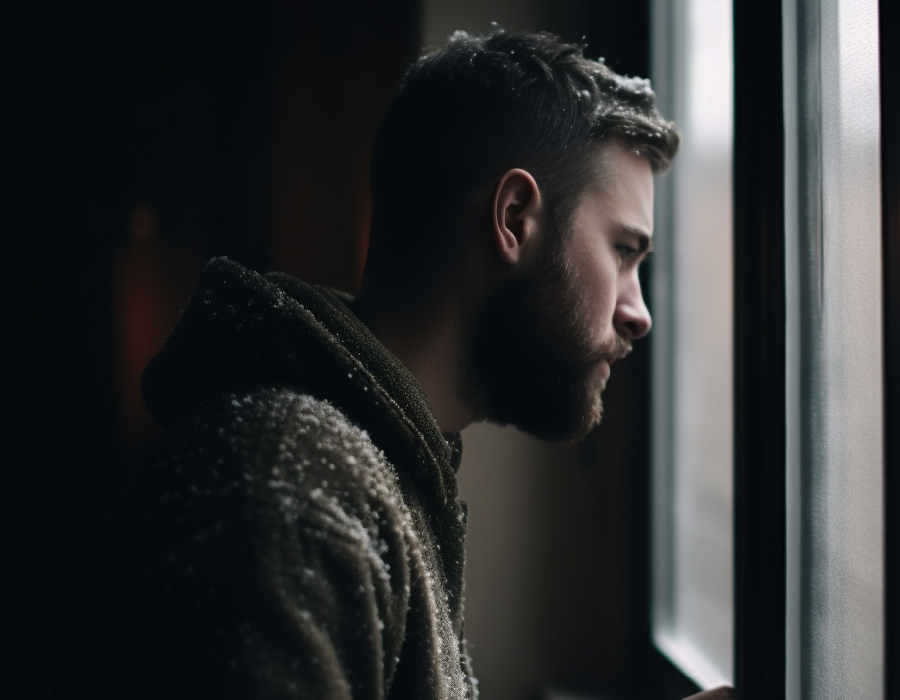
Seasonal Affective Disorder (SAD) is a subtype of depression that follows a seasonal pattern, typically occurring during the fall and winter months when sunlight exposure decreases. In rare cases, some people experience summer-onset SAD, but winter SAD is much more common. While many of us feel a little down during the colder months, for some, the symptoms of seasonal depression are more intense, affecting daily life. It’s important to distinguish between the normal seasonal mood fluctuations and a more serious condition like SAD.
Common Symptoms of Seasonal Depression
When you’re dealing with SAD, it’s not just the occasional “bad day” or feeling a bit tired. It’s a pattern that can last for weeks or even months. You might experience persistent low mood or sadness, where everything feels harder than usual. There’s often fatigue or low energy levels, making even simple tasks seem like an uphill battle. Concentration can become difficult, and it’s common to feel as if you’re in a fog, unable to focus on anything.
Sleep patterns tend to shift as well. Many with SAD find themselves sleeping more than usual, but still feeling tired when they wake up. It might seem like no amount of rest is enough. Alongside these changes, some people experience weight gain or a strong craving for carbs and sugar, further influencing their energy levels and mood. Social withdrawal is another red flag. The things that once brought joy—like spending time with friends or engaging in hobbies—might feel like chores. These symptoms, if they persist for weeks or months, are often an indicator that something deeper is at play.
READ: How To Meditate For Anxiety: Personal Tips And Techniques

What Causes Seasonal Depression?
There are several factors that contribute to the onset of SAD. Understanding these underlying causes can help individuals take steps toward managing the condition effectively.
Reduced Sunlight Exposure
Sunlight is essential for regulating serotonin, a neurotransmitter that has a significant impact on mood and emotional stability. During the fall and winter months, the decrease in sunlight can lead to lower serotonin levels, which in turn may trigger depressive symptoms. Essentially, when we don’t get enough sunlight, our body has a harder time maintaining balanced mood levels.
Disrupted Circadian Rhythms
Our circadian rhythm, or internal body clock, relies heavily on light to keep us on track. Shorter days and less exposure to natural sunlight can disrupt this rhythm, affecting sleep patterns, energy levels, and mood regulation. When our internal clock is thrown off, it can lead to fatigue, poor sleep quality, and irritability.
Melatonin Overproduction
Melatonin is a hormone produced by the pineal gland in response to darkness. Its primary role is to regulate sleep. During the darker months, melatonin production naturally increases, which can lead to symptoms of sleepiness, lethargy, and difficulty waking up in the mornings. The overproduction of melatonin can leave individuals feeling constantly tired, regardless of how much they sleep.
Vitamin D Deficiency
Vitamin D is primarily obtained through sunlight exposure. During the winter months, when sunlight is scarce, people are more likely to develop vitamin D deficiency. Low vitamin D levels are closely associated with an increased risk of depression. Since vitamin D plays a crucial role in regulating mood, its lack can lead to symptoms of seasonal depression.
READ: Are Magic Mushrooms Good For Anxiety And Depression: An In-Depth Look

Who Is Most at Risk for Seasonal Depression?
There are certain factors that make some people more vulnerable to experiencing SAD. While anyone can experience seasonal depression, certain groups are more likely to be affected.
People in Northern Latitudes
Those who live in regions with long, dark winters, such as Canada, Scandinavia, and northern parts of the U.S., are more likely to develop SAD. The extended periods of reduced sunlight make it more difficult to maintain balanced mood levels and healthy sleep patterns.
Individuals with a History of Depression or Anxiety
People who have previously experienced depression and anxiety are more susceptible to seasonal mood changes. If you have a history of mental health conditions, you may be more likely to experience depressive symptoms during the winter months.
Women Are More Likely to Experience SAD
Studies have found that women are four times more likely than men to be diagnosed with depression. The reasons behind this gender disparity are not fully understood, but it may be related to hormonal fluctuations, especially in relation to light exposure and serotonin regulation.
Younger Adults & Those with Family History
SAD tends to develop in young adulthood, typically in your 20s to 30s, and it is more common in individuals with a family history of depression. Genetics play a role in the likelihood of developing seasonal depression, so if your family has a history of mood disorders, you may be at a higher risk.
Check out this magic mushroom!!

A.P.E Psilocybin Chocolate Bar
$60.00Dried Penis Envy Magic Mushrooms
Price range: $60.00 through $240.00Golden Teacher Gummies for Microdosing
$25.00


How to Treat & Manage Seasonal Depression
Managing SAD often involves a combination of lifestyle adjustments, therapeutic interventions, and sometimes medications. There are various treatments available, and the right one for you will depend on the severity of your symptoms and personal preferences. However, some people choose to heal depression without medication.
Light Therapy (Bright Light Therapy Lamps)
One of the most effective treatments for SAD is light therapy, which involves sitting in front of a 10,000-lux light therapy lamp for 20 to 30 minutes each morning. This mimics natural sunlight and helps regulate serotonin levels, boosting mood and energy. Many people find that using light therapy consistently during the darker months significantly reduces their symptoms of seasonal depression.
Vitamin D Supplementation
Vitamin D plays a significant role in mood regulation, and deficiency can worsen symptoms of SAD. Taking a daily vitamin D supplement can help improve mood and combat fatigue. Since about 50% of people with SAD are found to have low vitamin D levels, supplementation is often recommended during the winter months.
READ: Understanding Separation Anxiety Disorder: Exploring Psilocybin Therapy
Regular Exercise & Movement
Physical activity is another effective way to manage SAD. Exercise helps boost endorphins and serotonin, counteracting depressive symptoms. It doesn’t have to be anything intense—even regular morning walks in natural light can be incredibly helpful in improving mood and energy levels.
Cognitive Behavioral Therapy (CBT-SAD)
CBT-SAD is a specialized form of cognitive behavioral therapy tailored specifically to treat SAD. This therapeutic approach focuses on reframing negative thoughts and behaviors associated with depression and establishing habits that can help lift your mood. Many people find CBT to be a valuable part of their treatment plan for seasonal depression.
Medication (SSRIs & Antidepressants)
In more severe cases of SAD, medication may be necessary. Doctors may prescribe selective serotonin reuptake inhibitors (SSRIs) or other antidepressants to help regulate mood during the winter months. These medications work by boosting serotonin levels in the brain, helping to alleviate depressive symptoms.
Diet Adjustments
What you eat can have a significant impact on your mood. Reducing processed carbs and sugars is essential, as they can cause mood crashes. Instead, focus on incorporating more omega-3 fatty acids into your diet, which are found in foods like salmon, walnuts, and flaxseeds. Omega-3s support brain health and may help reduce symptoms of depression.
Psychedelic/Microdosing Connection: Can Psilocybin Help with SAD?
There is growing interest in the potential of psychedelics—particularly psilocybin mushrooms—as a treatment for various forms of depression, including SAD. Psilocybin works by boosting serotonin receptors in the brain, much like antidepressants. It also enhances neuroplasticity, which can help rewire negative thought patterns.
While research on psilocybin as a treatment for SAD is still in the early stages, some individuals who microdose report feeling more energized, motivated, and positive during the winter months. Though more studies are needed, the early evidence suggests that psilocybin and other psychedelics may be a promising tool in managing seasonal depression.
READ: Which Mushroom is Best for Anxiety?

Take Control of Your Seasonal Depression with Magic Mush
Seasonal Depression, or Seasonal Affective Disorder (SAD), is a challenging condition that affects many during the fall and winter months. As the days get shorter and sunlight becomes scarce, many individuals find themselves battling low mood, fatigue, and a lack of motivation. The good news is that by understanding the causes of SAD—such as reduced sunlight, disrupted circadian rhythms, and melatonin overproduction—you can take proactive steps toward managing it. From light therapy and exercise to cognitive behavioral therapy (CBT), there are various approaches that can help ease the symptoms of SAD and allow you to regain control of your mental health.
Additionally, emerging treatments, like microdosing psilocybin, are gaining attention for their potential in alleviating seasonal depression. Early research suggests that psilocybin, found in magic mushrooms, can positively affect serotonin receptors and promote neuroplasticity, potentially improving mood and energy levels. While more studies are needed, anecdotal reports from microdosers suggest that mushrooms can be good for anxiety.
At Magic Mush, we understand the impact that mental health challenges like seasonal depression can have on your well-being, and we’re committed to providing a safe and supportive environment for those interested in exploring alternative treatments like psilocybin. As a trusted source of premium magic mushrooms in Vancouver, Magic Mush is dedicated to promoting safe and responsible usage, as well as providing education on the therapeutic potential of psychedelics. Whether you’re looking for high-quality products like dried mushroom bundles or edibles or seeking guidance on how to incorporate microdosing into your routine, our experts are here to help. With rigorous testing standards and a commitment to your safety, Magic Mush is your partner in exploring the transformative possibilities of magic mushrooms.
If you’re ready to take the next step in your mental health journey, Magic Mush offers a range of premium products designed to support your needs. Our seamless online shopping experience and exceptional customer service ensure that you have access to the best products with privacy and convenience. Join our community today, and let us help you unlock the benefits of magic mushrooms in a safe and supportive environment. Don’t forget to sign up for our newsletter to stay informed about sales, new products, and helpful tips for managing your mental health. Together, we can challenge stigmas, foster a supportive community, and embrace the transformative power of psychedelics.