\\Anxiety can feel overwhelming, like a never-ending loop of “what ifs” running through your mind. I know because I’ve been there. There was a time when my anxiety felt like a storm I couldn’t escape—a constant cloud of worry that left me mentally exhausted. One day, a friend suggested meditation, and while I was skeptical at first, it quickly became my lifeline. Meditation gave me something I hadn’t felt in a long time: control over my thoughts.
The beauty of meditation lies in its simplicity. You don’t need special equipment or a quiet mountaintop; all it takes is a willingness to pause and breathe. For me, it started with just five minutes a day, sitting cross-legged on the floor, focusing on my breath. Little by little, those moments of calm expanded, and the grip of anxiety began to loosen. In this article, I’ll share my journey, the techniques that worked for me, and how meditation can be a transformative tool for anyone looking to find relief from anxiety.
What is Anxiety, and How Can Meditation Help?
Anxiety is a natural response to stress, designed to keep us alert and ready to face challenges. However, when it becomes overwhelming or chronic, it can interfere with daily life. Symptoms like racing thoughts, rapid heartbeat, and muscle tension can make it feel like you’re always on edge, unable to relax or focus.
Meditation offers a way to counteract these effects by calming the mind and body. Unlike temporary fixes, meditation provides long-term benefits by training your brain to respond differently to stress. By focusing on the present moment, meditation helps break the cycle of anxious thoughts and fosters a sense of grounding and peace.
When I first started meditating, I noticed how it shifted my relationship with anxiety. Instead of feeling consumed by it, I began to observe it—acknowledging its presence without letting it take control. Meditation helped me recognize that anxiety doesn’t define me; it’s just a feeling that comes and goes.
Over time, scientific research has also supported meditation’s effectiveness. Studies show that regular meditation reduces cortisol levels (the stress hormone) and enhances activity in areas of the brain associated with emotional regulation. For those struggling with anxiety, it’s a gentle yet powerful practice that can lead to profound change.
Check out this magic mushroom!!

A.P.E Psilocybin Chocolate Bar
$60.00Dried Penis Envy Magic Mushrooms
Price range: $60.00 through $240.00Golden Teacher Gummies for Microdosing
$25.00


5 Practical Meditation Techniques for Anxiety
Meditation can seem intimidating at first, but it’s all about finding what works for you. Here are five techniques that helped me and might resonate with you too:
Breath Awareness Meditation
This technique involves focusing solely on your breath—its rhythm, depth, and sensation. It’s a simple yet profound way to anchor your mind when thoughts feel overwhelming. I remember how hard it was to focus in the beginning; my mind wandered endlessly. But as I kept practicing, even counting each inhale and exhale became a source of calm and comfort.
Breath awareness is one of the most accessible forms of meditation, making it an excellent choice for beginners. When I started, I would set a timer for just five minutes and focus entirely on the sensation of air entering and leaving my nostrils. This act of paying attention to something as basic as breathing was strangely powerful. It reminded me that amidst the chaos of my thoughts, there was always something steady and reliable within me—my breath.
As I became more consistent, I noticed that my ability to concentrate improved. Breath awareness isn’t just about calming anxiety; it also enhances your overall mindfulness, helping you stay present in daily life. For example, I found myself less reactive during stressful situations, able to pause and take a few grounding breaths before responding. It’s amazing how something so simple can have such a profound ripple effect on your mental and emotional well-being.
Another benefit of this technique is its versatility. Whether you’re sitting at home, standing in line, or even in the middle of a hectic day at work, you can practice breath awareness meditation anywhere. This portability made it one of my most valuable tools for managing anxiety, as it offered a quick reset whenever I needed it most.
Progressive Muscle Relaxation (PMR)
Anxiety often manifests physically, with tension in the shoulders, jaw, or other parts of the body. PMR involves consciously tensing and relaxing different muscle groups to release that tension.
When I first tried PMR, I was surprised at how much tension I was unconsciously holding in my body. Starting with my toes and working upward, I focused on each muscle group, tensing it for five seconds before releasing. This deliberate process not only helped me relax physically but also gave me a new awareness of my body and its connection to my anxiety.
One of the most powerful moments during my PMR practice came when I reached my shoulders and neck—areas where I habitually carried stress. As I consciously released the tension, it felt like a weight had been lifted, both physically and emotionally. The act of letting go became a metaphor for releasing my worries, even if just for a little while.
PMR is especially effective before bed or after a particularly stressful day. Over time, it became part of my nightly routine, helping me transition from the busyness of the day to a state of rest. This consistency reinforced its calming effects, turning it into a comforting ritual that I now look forward to.
Another unexpected benefit of PMR was how it improved my posture and overall physical health. By regularly releasing tension, I became more attuned to the signals my body sent me, learning to address stress before it escalated into aches or pains. It’s a technique that offers immediate relief while building long-term resilience.
Guided Meditation
When I first started meditating, I had no idea where to begin, so I turned to guided meditations. Apps like Calm and Headspace provided the structure I needed, with soothing voices walking me through the process.
Guided meditation felt like having a supportive friend by my side, gently encouraging me to let go of anxious thoughts. Whether it was a 10-minute session focused on gratitude or a longer practice for deep relaxation, these guided experiences taught me how to stay present and embrace mindfulness.
I particularly enjoyed guided meditations that incorporated visualizations. For instance, one session invited me to imagine my worries as leaves floating down a stream, slowly drifting away. This imagery was incredibly soothing, allowing me to distance myself from my thoughts and see them as temporary and fleeting.
The variety of guided meditations available is another advantage. Depending on my mood, I could choose a session tailored to stress relief, self-compassion, or even sleep. This flexibility kept me engaged and made meditation feel less like a chore and more like an act of self-care.
5-4-3-2-1 Grounding Technique
This technique is a lifesaver during moments of acute anxiety. It involves identifying five things you can see, four things you can touch, three you can hear, two you can smell, and one you can taste.
The 5-4-3-2-1 technique is one of the most effective grounding tools because it directly engages your senses, pulling you out of your head and into the present moment. I recall a particularly intense moment of anxiety when this method helped me regain control. I was sitting in a coffee shop, overwhelmed by thoughts, and decided to give it a try. The warmth of the coffee cup in my hands, the hum of conversation around me, and the rich smell of roasted beans brought me back to the present.
What makes this technique stand out is its adaptability. You don’t need any special environment to practice it; wherever you are, you can find something to focus on. For me, it became a portable toolkit for stressful moments, whether I was at home, at work, or in a public space.
Another benefit of this method is its ability to slow down racing thoughts. By focusing on each sensory element, you naturally decelerate your mental pace, creating space for calm and clarity to return. Over time, this practice became second nature, offering me a reliable way to break free from the grip of anxiety.
Visualization Meditation
Sometimes, all you need is a peaceful mental escape. Visualization meditation involves picturing a calming place or scenario—like a serene beach or a quiet forest.
Visualization meditation became my sanctuary. Whenever I felt overwhelmed, I would close my eyes and imagine myself in my favorite park, sitting under a large oak tree with sunlight filtering through its branches. This mental image offered a sense of safety and grounding that helped me navigate stressful days.
One powerful aspect of visualization is its ability to evoke positive emotions. By immersing myself in these mental scenarios, I could almost feel the warmth of the sun on my skin or hear the gentle rustling of leaves. These sensations were so vivid that they often lingered, leaving me feeling refreshed long after the meditation ended.
Over time, I began incorporating guided visualizations into my practice. Sessions that led me through peaceful landscapes or imagined interactions with supportive figures helped deepen my experience and connection to the practice. Visualization meditation not only eased my anxiety but also sparked creativity, inspiring me to write or draw about the places I’d “visited.”
Building a Daily Meditation Practice
Incorporating meditation into your daily routine doesn’t have to be complicated. Start small, with just five minutes a day, and gradually increase the duration as you feel comfortable.
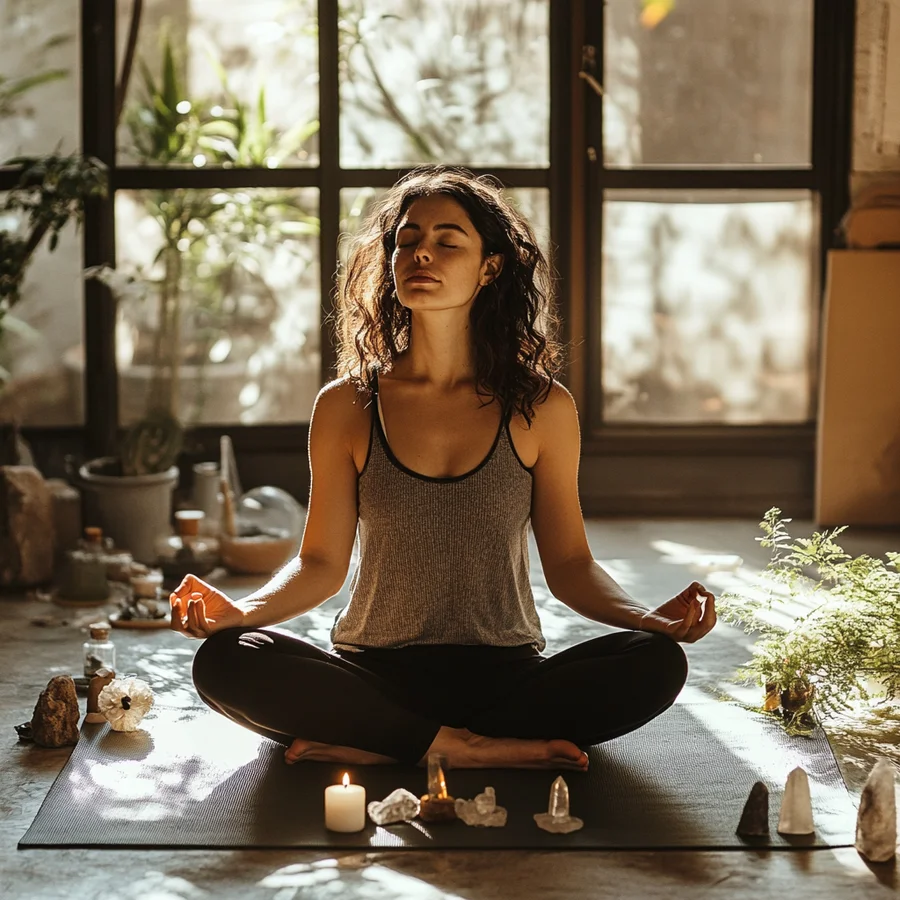
Finding a dedicated space for meditation can also make a big difference. For me, it was a corner of my living room with a soft cushion and minimal distractions. Having a consistent time and place for meditation helped me establish it as a daily habit, even on the busiest days.
Using tools like meditation apps or timers can add structure to your practice. I set a reminder on my phone each morning, and over time, it became a ritual I looked forward to—a moment of stillness amidst the chaos.
Meditation isn’t about perfection; it’s about showing up for yourself, even if your mind wanders or the session feels challenging. With patience and persistence, it can become a powerful anchor in your life.
What I’ve Learned from Meditating for Anxiety
Meditation has taught me to approach anxiety with curiosity rather than fear. By observing my anxious thoughts without judgment, I’ve gained a deeper understanding of my triggers and responses.
One of the most profound lessons has been the importance of staying present. Anxiety often thrives on “what ifs” about the future, but meditation brings me back to the here and now, where those worries hold less power.
Through meditation, I’ve also developed a stronger connection to my body and mind. Recognizing how anxiety feels physically—whether it’s a tight chest or clenched fists—has helped me address it more effectively, using breathwork or other techniques to release tension.
Meditation hasn’t “cured” my anxiety, but it’s given me tools to navigate it with greater ease and resilience. It’s a practice that continues to evolve, offering new insights and growth with each session.
Research Supporting Meditation for Anxiety
Scientific studies continue to validate meditation as a powerful tool for managing anxiety. Research shows that mindfulness practices can reduce cortisol levels, improve emotional regulation, and enhance overall mental well-being.
A 2014 study published in JAMA Internal Medicine found that mindfulness meditation programs significantly reduced symptoms of anxiety, depression, and stress in participants. Other research highlights the role of meditation in enhancing brain plasticity, allowing individuals to respond more adaptively to stress.
Organizations like Calm and Headspace have also compiled extensive resources on the benefits of meditation, offering accessible ways for people to explore its therapeutic potential.
Discover Calm and Balance with Magic Mush
Meditation offers a powerful gateway to a calmer, more balanced life, and the techniques shared in this article are practical tools you can begin using today. From focusing on your breath and releasing physical tension with PMR to immersing yourself in guided meditations or grounding exercises, each approach serves as a stepping stone toward greater emotional well-being.
Visualization meditation, in particular, can become a sanctuary where you find peace and clarity amid life’s chaos. Together, these practices form a comprehensive toolkit to manage anxiety, cultivate mindfulness, and foster inner harmony.
For those seeking even deeper transformation, consider exploring the therapeutic potential of magic mushrooms. At Magic Mush, we’re committed to empowering individuals to unlock the benefits of psychedelics in a safe and supportive environment. Whether you’re interested in mushroom gummies, microdose capsules, magic mushroom chocolates, or dried magic mushrooms, our high-quality products are rigorously tested for safety and effectiveness.
If you’re in Magic Mushrooms Toronto or shopping online, Magic Mush offers education, resources, and premium products to support your mindfulness practice and mental wellness journey. Join the wave of change and discover how meditation, combined with the transformative power of magic mushrooms, can revolutionize your approach to anxiety. Explore our products and learn more at Magic Mush.