I still remember the first time a friend asked me, half-joking and half-serious, “Do psychedelics even work if you don’t have someone in a Patagonia fleece sitting beside you taking notes?” We were sitting in my kitchen, drinking tea, and I had just finished describing a low-dose psilocybin experience I’d had on my own a few weeks before. It wasn’t dramatic or wild or life-shattering. It was quiet and honest and unexpectedly clarifying — not because anyone was “guiding” me, but because I gave myself enough space to listen to what rose up.
That conversation stuck with me, because the truth is that most psychedelic experiences happening today — in Canada, in the U.S., around the world — are not happening inside research clinics or therapeutic rooms with dim lighting and woven tapestries. They’re happening in bedrooms, living rooms, cabins, backyards, and sometimes, let’s be honest, in places that are decidedly not optimal. And yet, people keep wondering whether their experiences “count,” or whether the benefits people read about in studies even apply outside these carefully controlled therapeutic setups.
It’s a fair question. And honestly? It’s a complicated one.
Because yes, clinical psychedelic therapy includes layers of preparation, support, and integration that don’t magically appear when you’re on your own. But it’s also true that most real-world psychedelic use throughout history — and even today — happens without a therapist, and people still report meaningful insights, emotional breakthroughs, and long-lasting changes.
So rather than pretending the answer is simple, it’s more helpful to unpack what “work” even means, what the science actually shows, and what really makes the difference in whether psychedelics lead to healing, clarity, or just a mind-bending afternoon you don’t quite know what to do with afterward.
And that’s exactly where we’re going.
🤔 Thought everything was going well? What if the mushrooms don’t work this time and what to do next
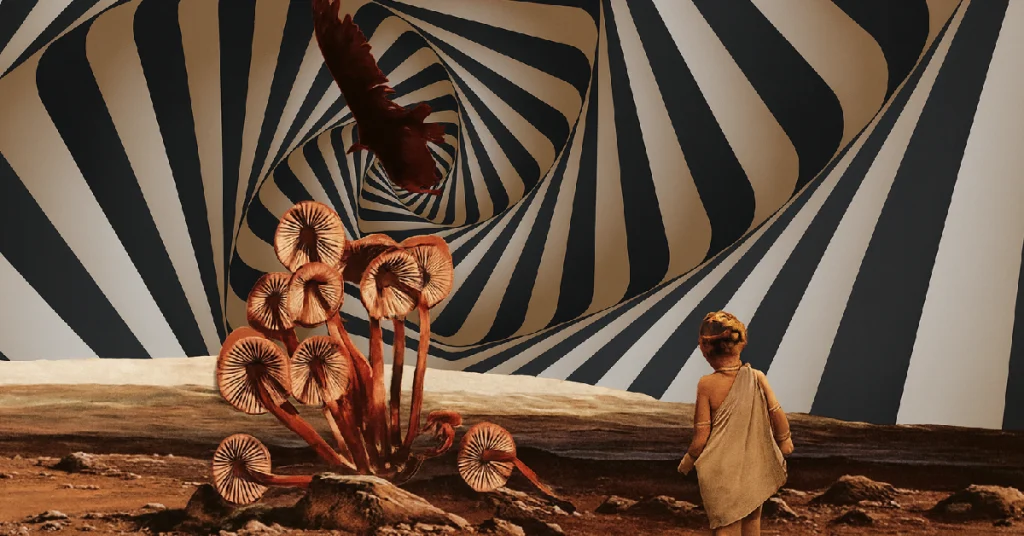
Before We Go Any Further, Let’s Get Real About What “Working” Even Means When We’re Talking About Psychedelics
“Do psychedelics work?” sounds like such a straightforward question — but the answer depends entirely on what the person asking actually wants. When someone says “work,” they might be talking about easing depression symptoms enough to feel like themselves again. Or maybe they want to break a habit, see their patterns from a different angle, or simply understand themselves in a deeper, more compassionate way. And for many people, understanding why sharing psychedelic insights helps you process them becomes part of that work, because expression often turns a fleeting realization into something grounded and usable.
Some people want emotional breakthroughs, others want clarity, others want behaviour change, and some simply want to feel more connected to themselves and the world around them. Psychedelics have shown potential across all these areas, but the level of support someone needs varies dramatically depending on their goals. A person hoping to unpack lifelong trauma is navigating a very different terrain than someone curious about shifting daily habits or exploring creative blocks.
So “working,” in the psychedelic world, isn’t one thing. It isn’t a pass/fail test. It’s incredibly personal. And once we understand what result someone is actually chasing, we can start having an honest conversation about whether they can get there with or without a therapist — or whether the support they need can come from more than one place.
Let’s Break Down What Clinical Trials Actually Show — Because They’re Testing More Than the Substance
If there’s one thing people forget about psychedelic research, it’s that clinical trials aren’t just testing the molecule. They’re testing the molecule inside a specific container. Those studies involve weeks of preparation, trust-building, intention-setting, and psychological groundwork. The dosing sessions themselves are structured, supervised, and woven into therapeutic frameworks. The integration period is equally important, sometimes even more so.
So when headlines say “psilocybin reduces depression symptoms for months,” what they’re actually describing is psilocybin taken in a setting where support is baked into every step. You can’t separate the outcomes from the environment — at least not honestly.
But here’s where the nuance comes in. While clinical trials are structured, some research — like microdosing studies, naturalistic surveys, and observational studies — shows that people still report benefits without a therapist present. And historically, a massive number of psychedelic experiences have happened outside formal settings.
So the science doesn’t say “you need a therapist.” It says “support matters.” And support can look a lot of different ways.
✨ Dive into mystical psychedelic experiences and discover the deeper journeys your mind might take
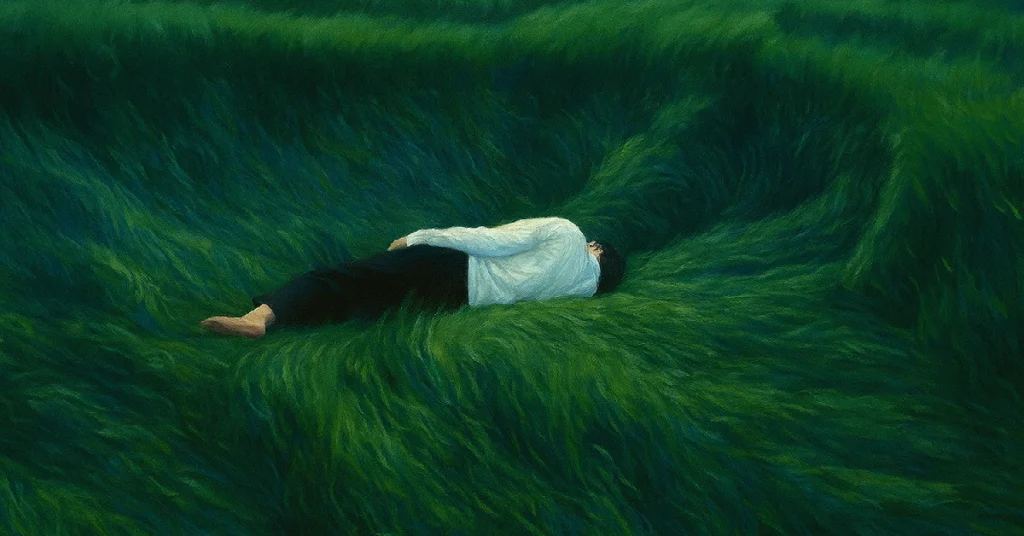
Here’s the Part People Don’t Always Realize: Psychedelics Can Do Quite a Bit on Their Own, Even Without Anyone Guiding the Process
One of the most important things to understand is that the core neurological effects of psychedelics don’t require a therapist to activate. The brain doesn’t need a clipboard and a professional presence to enter a more plastic, flexible, curious, and emotionally open state. Psychedelics can soften rigid patterns, interrupt cycles, and create space for new perspectives or insights entirely on their own. For many people, this alone can be meaningful — especially when comparing psilocybin versus traditional therapy and noticing that some shifts happen independently of clinical settings.
And naturalistic studies — the kind that track normal people doing psychedelics in their regular lives — show that a surprising number of users report benefits without supervision. Historically, the majority of people exploring psychedelics never worked with a guide or therapist, and yet many still described experiences that shaped their lives in profound ways.
So yes, psychedelics “work” on their own in the sense that the brain changes they trigger don’t require a professional to happen. The question is whether those changes move in a helpful direction — and that’s where context enters the picture.
Now Let’s Talk About What a Therapist Adds, Without Pretending They Hold Some Magical Key That Only They Can Turn
It’s important to be clear and grounded here. Therapists are not the source of psychedelic transformation. They don’t plant insights into someone’s mind or cause breakthroughs on their own. What they do bring is a steadying presence that can reduce emotional overwhelm and create a safer container when things get intense or confusing.
A therapist can help someone navigate trauma responses, regulate emotions, identify patterns in real time, interpret symbolic content without getting lost in it, and stay grounded when the experience becomes too much. They can help create meaning instead of letting the experience evaporate into confusion or misinterpretation, and they can ensure someone isn’t using psychedelics to bypass truths they need to face.
But a therapist amplifies the process. They shape it. They hold it. They don’t replace the inner work someone ultimately has to do themselves.
Check out this magic mushroom!!

A.P.E Psilocybin Chocolate Bar
$60.00Dried Penis Envy Magic Mushrooms
Price range: $60.00 through $240.00Golden Teacher Gummies for Microdosing
$25.00


But Let’s Also Be Honest — Doing Psychedelics Totally Alone Comes With Risks That Aren’t Worth Downplaying
None of this means psychedelics are harmless or simple. They’re not. And doing them without support — without a sitter, friend, guide, therapist, or community — can amplify the risks, especially for people who have a trauma history or who are already struggling with mental health challenges.
Emotional overwhelm is possible. So is panic, spiralling thoughts, resurfacing trauma, or simply getting lost in the symbolism of the experience without a grounding perspective. Some people come out of unsupervised trips feeling unsettled or confused, not because they “did it wrong,” but because psychedelics open emotional material faster than they can make sense of it.
And sometimes the hardest part isn’t the experience — it’s the days after. Without integration, it’s easy for insights to fade or to leave someone with more questions than answers. Psychedelics can shake the snow globe of the mind, but without support afterward, the snow doesn’t always settle in a pattern that makes sense.
Here’s Where It Gets Nuanced: Some People Truly Benefit More From Guided Support — And That’s Not a Sign of Weakness
There are groups for whom professional support is strongly recommended. People with trauma histories may need containment and grounding. People with mood instability may need structure and guidance to navigate emotional intensity. Those prone to dissociation often benefit from a trained presence. And anyone exploring large or high-intensity doses is usually safer with a guide, whether professional or not.
None of this is clinical advice. It’s simply acknowledging that some people do better in a supportive container — and that’s perfectly okay.
But Plenty of People Can Absolutely Have Meaningful Experiences Without a Therapist, Especially When They Have Emotional Tools and Supportive Environments
Not everyone seeking a psychedelic experience is trying to process trauma or navigate complex psychological terrain. Some people are exploring creativity, clarity, intention-setting, or habit-shifting. Others are microdosing or doing low to moderate doses that are emotionally manageable with the right preparation — especially when they understand the importance of set and setting, which can shape the tone and emotional direction of the experience. People with strong emotional literacy, grounded support systems, and stable environments often feel comfortable navigating psychedelics without a therapist.
And none of this means they’re “doing it wrong.” It simply means they’re finding an approach that fits their needs and comfort level.
So If Someone Isn’t Working With a Therapist, What Actually Supports the Process Instead? Quite a Lot, Actually
What replaces a therapist in non-guided experiences isn’t one thing — it’s a collection of intentional choices. Preparation helps set the tone. Music can act as a guide. A safe physical environment reduces anxiety. A sitter or sober friend can anchor the experience if needed. Journaling provides structure, while integration circles, community groups, and creative practices help someone make sense of what they experienced. Somatic grounding techniques, nature exposure, and reflection all help transform insight into action.
Support isn’t a single person. It’s a whole ecosystem.
🔎 Not seeing the results you were hoping for? Discover why microdosing might not be working and what to try instead
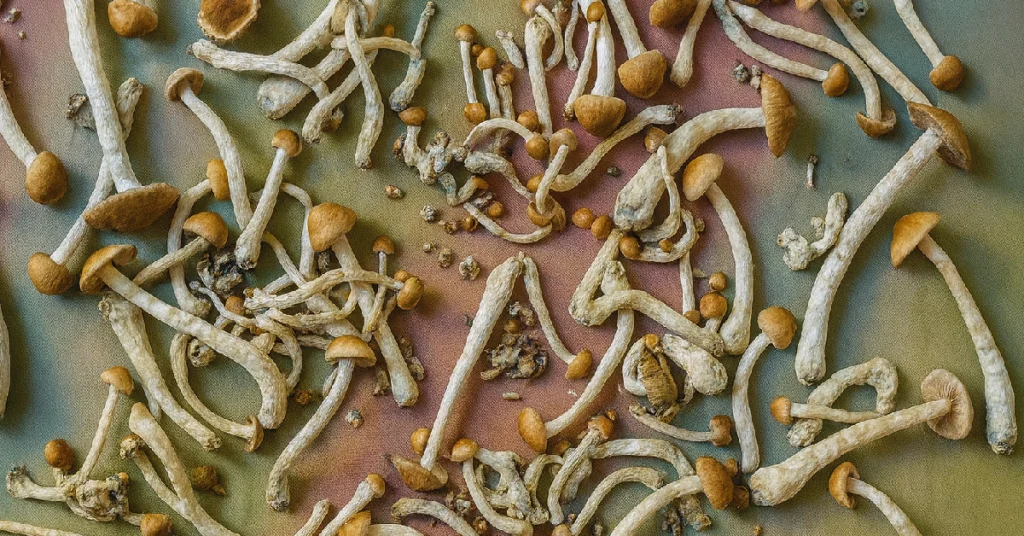
And Here’s the Heart of It All: Integration Is What Decides Whether the Trip Changes Your Life or Just Your Afternoon
The psychedelic experience itself is just the spark. The days, weeks, and months after are where the real work happens. Research consistently shows that integration — the meaning-making, the reflection, the conversations, the choices, the habits, the emotional processing — is one of the strongest predictors of long-term benefits.
Without integration after a psychedelic experience, the insights dissolve. With integration, they become part of your life.
The trip is the opening. Integration is the stitching. And you, ultimately, are the thread.
A Soft Landing to Bring It All Together — You Are the One Who Makes Psychedelics “Work,” Not the Therapist or the Substance
The truth is that psychedelics don’t “work” because someone is sitting beside you with training and a warm smile. They don’t “work” because of a playlist or a setting or a perfectly crafted intention. They work because psychedelics put you in a state where change becomes possible. They soften the internal walls, loosen old knots, widen your perspective, and help you see yourself with new eyes.
A therapist can help. A guide can help. A friend can help. A community can help.
But the transformation comes from you.
And that’s the most empowering truth of all.
⚠️ Not seeing the results you hoped for? Here’s what to do when microdosing doesn’t work like you expected and how to reset your approach

So If You’ve Been Wondering How to Explore Psychedelics Safely… This Is Where Magic Mush Canada Really Has Your Back (And I Mean That in the Most Personal, Not Salesy, Way Possible)
After spending this whole article talking about safety, support, context, and intentionality, it only feels right to bring things full circle. Because for many people who are exploring psychedelics outside clinical spaces — which, again, is most people — the question becomes: Where do you actually find products you can trust, guidance you can rely on, and a community that doesn’t make you feel weird for asking honest questions?
This is exactly where Magic Mush Canada comes into the picture, and I mean that in a genuinely friendly way — the kind of way you’d tell a buddy where to get something safe and not sketchy. When I say Magic Mush Canada, I’m talking about a group of people who actually care about education, harm reduction, and destigmatizing psychedelics in Canada, not just selling something and disappearing into the void.
They believe in safe usage, high-quality products, and giving people the knowledge they need to make informed decisions. And that matters a lot when you’re working with substances as powerful as psilocybin.
What I personally love is that Magic Mush Canada doesn’t take a preachy or mystical approach. They’re grounded, science-forward, and genuinely committed to helping people explore psychedelics with respect and intention. Whether someone is curious about microdosing, exploring different strains, or just trying to understand how to navigate integration, they put real effort into creating a space where people feel supported, not judged.
They rigorously test their products, maintain high quality standards, and offer a shopping experience that’s private, smooth, and backed by actual human support when you need it. And honestly? That kind of reliability goes a long way, especially when you’re trying to make choices that feel aligned with your safety, your goals, and your long-term wellbeing.
If you want a trusted partner in your psychedelic journey — one that treats you like a real person, not a transaction — Magic Mush Canada is absolutely worth checking out. Their team, their knowledge, their community, and the care they put into the entire experience make them a standout in the Canadian psychedelics space.
Whether you’re just dipping your toes in or you’re exploring deeper work, they’re the kind of folks you want in your corner.