Anxiety isn’t just a word or a feeling—it’s an all-encompassing experience that can infiltrate every corner of your life. I remember my own struggle vividly. It started subtly—a racing heart here, a sleepless night there—but soon grew into an unshakable presence. Everyday tasks became monumental challenges, and the mental chatter felt like a relentless storm. I tried to push through, thinking I could handle it, but I couldn’t.
The breaking point came during a work presentation. My hands trembled, my voice cracked, and all I could think about was the wave of panic washing over me. That was the moment I realized I needed help. My doctor suggested medication—a lifeline that could quiet the storm and give me a chance to breathe. Skeptical but desperate, I agreed. At first, the relief was profound. The medication felt like a warm blanket, shielding me from the chaos. But over time, I began to wonder: Was it truly fixing the problem or just masking it?
This journey led me to explore not only traditional medications but also alternative therapies like microdosing psilocybin. What I discovered was a path not just to managing anxiety but to understanding and healing its roots. This article will explore the intricate roles of medication, the emerging promise of psilocybin, and the holistic strategies that can guide anyone toward genuine relief.

READ: Healing Depression Without Medication: A Holistic Approach
The Role of Medications: Temporary Support, Not a Lifelong Solution
Medications for anxiety, such as SSRIs (selective serotonin reuptake inhibitors) and benzodiazepines, work by addressing the physical and chemical imbalances that fuel anxiety. SSRIs increase serotonin levels in the brain, promoting a sense of calm over time, while benzodiazepines act quickly to soothe acute anxiety by enhancing the effect of a neurotransmitter called GABA.
These medications can be incredibly effective in providing short-term relief. For me, they were like a buoy, keeping me afloat during the stormiest days. They allowed me to focus on my responsibilities without the constant weight of anxiety dragging me down. But as my doctor explained, they weren’t meant to be a lifelong solution.
Medications are tools—they create a window of opportunity for deeper healing. They gave me the stability I needed to engage in therapy, reflect on my triggers, and rebuild my resilience. However, the longer I relied on them, the more I realized their limitations. They helped me manage symptoms but didn’t address the underlying patterns that fueled my anxiety.
Personal Reflection: The Challenges and Limitations of Medications
As effective as medications can be, they aren’t without their drawbacks. Over time, I began to notice subtle but undeniable changes. Emotional numbness crept in, dulling not just my anxiety but also my joy. I felt like I was living life through a foggy lens, disconnected from my own experiences.
There were other concerns too—dependency being the most pressing. The idea of needing a pill to feel “normal” didn’t sit well with me. I wanted to believe I could manage my anxiety on my own, without relying on a pharmaceutical crutch. The side effects, though manageable, added another layer of complexity. Grogginess, occasional headaches, and the lingering worry about long-term impacts made me question whether medication was the best solution for me.
These experiences pushed me to explore alternatives. I wanted to heal—not just survive. That’s when I stumbled upon the concept of microdosing psilocybin, a practice that promised not only anxiety relief but also a renewed sense of clarity and connection.

Microdosing Psilocybin: A Complementary Approach
Microdosing psilocybin—taking tiny, sub-perceptual doses of magic mushrooms—has emerged as a fascinating alternative for anxiety relief. Unlike traditional medications, which often blunt emotions, psilocybin promotes neuroplasticity, or the brain’s ability to adapt and rewire itself. This can lead to enhanced emotional resilience and a deeper sense of well-being.
When I first learned about microdosing, I was intrigued but cautious. The idea of using a psychedelic, even in minuscule amounts, felt unconventional. But as I delved into the research, I realized its potential. Studies have shown that psilocybin can reduce symptoms of anxiety and depression, especially when paired with therapy or mindfulness practices.
After consulting a professional, I decided to try it. The effects were subtle but transformative. I felt more grounded, less reactive to stress, and increasingly connected to my own emotions. Microdosing didn’t just quiet my anxiety—it opened the door to a more profound understanding of myself.
How Medication and Microdosing Work Together
For many, the combination of traditional medication and microdosing can provide a balanced approach to anxiety management. Medications offer stability during acute phases, while microdosing enhances emotional depth and fosters long-term growth.
In my case, the two complemented each other beautifully. On days when my anxiety felt overwhelming, medication provided immediate relief. On calmer days, microdosing allowed me to explore my emotions without fear or judgment. Together, they created a foundation for healing that felt sustainable and empowering.
It’s important to note, however, that this approach isn’t one-size-fits-all. Working with a professional to tailor treatments to your specific needs is essential. Everyone’s journey with anxiety is unique, and finding the right balance may take time.

READ: Is Herbal Treatment Effective for Anxiety? A Look into Natural Remedies
Holistic Strategies for Anxiety Management
While medications can help manage the immediate symptoms of anxiety, a truly effective approach to mental health involves a holistic strategy that addresses the mind, body, and spirit. Relying solely on medication for anxiety can often leave gaps in addressing the broader factors contributing to stress. A more well-rounded approach integrates various therapeutic methods that promote emotional resilience, mental clarity, and physical well-being. These holistic strategies complement traditional treatments like medication, therapy, and microdosing, creating a comprehensive toolkit for long-term anxiety management.
Therapy: The Foundation for Emotional Healing
Therapy remains one of the most powerful tools in managing anxiety. Cognitive Behavioral Therapy (CBT) has shown significant success in helping individuals identify negative thought patterns and replace them with healthier, more productive ways of thinking. By learning to reframe anxious thoughts and challenge distorted beliefs, people with anxiety can gain greater control over their emotions. Moreover, therapy offers a space for individuals to explore their anxieties in a safe and supportive environment, helping them uncover deeper issues that may be contributing to their feelings of unease.
Other forms of therapy, such as Acceptance and Commitment Therapy (ACT) or Dialectical Behavioral Therapy (DBT), focus on mindfulness and emotional regulation. These therapies teach skills that can help individuals cope with anxiety in a more grounded and compassionate way. Therapy not only offers insights into how we think but also builds the emotional tools necessary to navigate life’s challenges without succumbing to overwhelming anxiety.
Check out this magic mushroom!!

A.P.E Psilocybin Chocolate Bar
$60.00Dried Penis Envy Magic Mushrooms
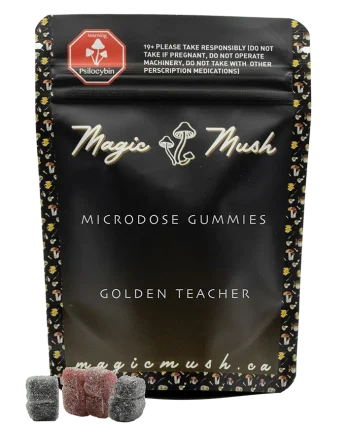
Price range: $60.00 through $240.00Golden Teacher Gummies for Microdosing
$25.00


Mindfulness Practices: Staying Present in the Moment
Mindful anxiety meditation is an essential practice for anyone. By focusing on the present moment without judgment, mindfulness techniques help reduce the rumination and worry that often fuel anxiety. Practices such as meditation, deep breathing exercises, and yoga allow individuals to center themselves, regulate their emotions, and create space for self-compassion. When the mind starts racing with anxious thoughts, mindfulness offers a gentle reminder to return to the present, focusing on the breath, physical sensations, or a peaceful mental image.
Mindfulness-based stress reduction (MBSR) programs have been shown to reduce anxiety significantly, providing a natural, non-invasive way to manage stress. By engaging in regular mindfulness practice, individuals can cultivate a sense of calm, clarity, and resilience that helps them face life’s challenges with greater ease. Moreover, mindfulness promotes neuroplasticity—the brain’s ability to adapt and rewire itself—allowing individuals to break free from the negative thought loops that fuel anxiety.

Physical Activity: The Connection Between Body and Mind
Regular exercise is not only beneficial for physical health but also for mental well-being. Physical activity releases endorphins, the brain’s “feel-good” hormones, which can help improve mood and reduce anxiety. Engaging in activities like walking, running, or swimming helps reduce the physiological tension that often accompanies anxiety, such as muscle tightness and shallow breathing. Exercise also improves sleep quality, which plays a crucial role in maintaining mental health.
Additionally, incorporating yoga or tai chi can have particularly calming effects on the mind and body. These practices combine physical movement with focused breathing, making them excellent tools for managing stress and anxiety. By improving flexibility, strength, and relaxation, these activities promote an overall sense of well-being and balance, offering long-term relief from the physical symptoms of anxiety.
Journaling: The Power of Self-Reflection
Journaling can be an incredibly effective tool for managing anxiety. Writing down thoughts and emotions allows individuals to process their experiences, identify triggers, and gain clarity about what’s contributing to their stress. It serves as a safe space for self-expression and reflection, helping people understand the patterns of their anxiety and develop strategies to overcome them.
Additionally, keeping a gratitude journal can shift the focus from anxiety to positive aspects of life, promoting a sense of appreciation and contentment. Studies have shown that expressing gratitude regularly can significantly reduce anxiety and improve overall mental health. By making journaling a daily practice, individuals can gain insights into their mental and emotional states, track their progress, and enhance their sense of self-awareness and empowerment.
Microdosing Psilocybin: A Complementary Tool for Mental Health
While medications and traditional therapies play a key role in anxiety management, emerging alternatives like microdosing psilocybin offer a promising option for those seeking to enhance their emotional and mental well-being. Microdosing—taking subperceptual doses of psilocybin—has shown potential in improving mood, reducing anxiety, and enhancing emotional resilience. It works by promoting neuroplasticity, or the brain’s ability to form new connections, which can help individuals break free from entrenched anxiety patterns.
Recent studies have demonstrated that microdosing can improve cognitive function, creativity, and emotional regulation. As part of a holistic treatment approach, microdosing psilocybin has the potential to work synergistically with other therapeutic practices, such as therapy, mindfulness, and exercise, offering a more comprehensive and personalized approach to managing anxiety.
Combining Strategies for Optimal Mental Health
The key to successful anxiety management lies in combining various holistic strategies to create a comprehensive approach to healing. Whether it’s using therapy to address the root causes of anxiety, practicing mindfulness to stay grounded, engaging in physical activity to release tension, or incorporating microdosing to enhance emotional resilience, each of these strategies contributes to a well-rounded mental health toolkit. By combining these approaches, individuals can tackle anxiety from multiple angles, increasing their chances of achieving lasting relief.
Ultimately, it’s important to recognize that anxiety is not something that can be completely eliminated overnight. A holistic approach focuses on sustainable healing, helping individuals develop the tools they need to manage anxiety in a balanced and effective way. Each person’s journey will be unique, and finding the right combination of strategies is a deeply personal process. But with patience and the right support, it’s possible to create lasting, meaningful change in how we approach and manage anxiety.

Short-Term Relief vs. Long-Term Healing
When it comes to managing anxiety, many people initially turn to medications for short-term relief. These medications—such as SSRIs (selective serotonin reuptake inhibitors) or benzodiazepines—can be incredibly effective at stabilizing mood, alleviating immediate symptoms, and providing a sense of calm during periods of intense anxiety. In fact, for those experiencing crippling anxiety, these medications can serve as an essential lifeline, providing the necessary time and space to function in daily life. However, while medications offer fast-acting relief, they don’t necessarily address the root causes of anxiety. It’s crucial to understand the difference between the temporary relief medications provide and the deeper, long-term healing that is required for sustained mental health.
Short-Term Relief: A Quick Fix for Intense Anxiety
Medications, especially benzodiazepines, are often prescribed for acute anxiety episodes, such as panic attacks or moments of overwhelming stress. These medications work quickly to calm the central nervous system, which can provide immediate relief. For instance, in moments of crisis, taking lorazepam or alprazolam can stop the body’s fight-or-flight response and bring a sense of peace and relaxation almost instantly. This type of short-term relief can be incredibly beneficial when you need to function, whether it’s getting through a meeting, making it through a difficult conversation, or simply finding a moment of calm after an anxiety attack. In these cases, medications act as a bridge, allowing individuals to regain control long enough to pursue longer-term solutions.
However, relying on medication for too long can have drawbacks. While they might help you get through tough moments, they don’t address the underlying causes of anxiety, such as past trauma, negative thought patterns, or the environmental factors that contribute to chronic stress. As a result, without addressing these issues, anxiety may resurface once the medication wears off.
Long-Term Healing: Addressing the Root Causes of Anxiety
While medication can offer a temporary solution, true healing requires a more comprehensive approach. Long-term healing focuses on addressing the root causes of anxiety rather than just alleviating the symptoms. Therapy, such as Cognitive Behavioral Therapy (CBT), mindfulness practices, and lifestyle changes like exercise, play an essential role in building emotional resilience. These approaches focus on understanding the mental and emotional patterns that contribute to anxiety and working to reframe negative thoughts, establish healthier coping mechanisms, and manage stress in a sustainable way.
Unlike medications, which often mask symptoms, long-term healing requires a willingness to explore and address deeper emotional wounds. By engaging in therapy and mindfulness practices, individuals can develop more sustainable mental health strategies that don’t rely on external substances. It’s a process that takes time, effort, and patience, but ultimately leads to a more profound sense of peace and stability.
Combining Short-Term Relief with Long-Term Solutions
For many people, the key to managing anxiety lies in striking a balance between short-term relief and long-term healing. Medication can provide the immediate relief needed to get through high-stress situations, while therapy, mindfulness practices, and lifestyle changes work to address the underlying causes of anxiety. In some cases, microdosing psilocybin—a promising alternative treatment—can help support long-term healing by promoting neuroplasticity and emotional resilience. By combining both short-term and long-term approaches, individuals can create a more holistic and sustainable approach to managing anxiety.
Ultimately, finding a solution that works for you is a deeply personal journey. It’s important to recognize that there is no one-size-fits-all approach, and the right balance of treatments will vary depending on your unique needs and experiences.

Transform Your Anxiety Journey with Magic Mush
Finding relief from anxiety is a deeply personal journey, one that often requires patience, courage, and exploration. In this article, we delved into the role of traditional medications, their benefits, and limitations. From temporary relief offered by SSRIs and benzodiazepines to the often-overlooked challenges of dependency and side effects, it’s clear that while these treatments may help in the short term, they don’t always offer long-term solutions. We also explored the emerging world of microdosing psilocybin, a promising alternative that could provide lasting, holistic healing for anxiety and other mental health concerns.
As you continue on your path toward managing anxiety, it’s important to explore different options that may work for you. Everyone’s healing journey is unique, and with the right guidance and support, you can find what truly makes a difference in your life. At Magic Mush Mississauga, we offer a range of high-quality psilocybin products designed to empower you in your healing process. With our commitment to education, safe usage, and rigorous testing, we provide a supportive environment where you can learn about and experience the potential benefits of psychedelics.
Whether you’re curious about microdosing for anxiety relief or interested in discovering the therapeutic potential of magic mushrooms, Magic Mush is here to support you every step of the way. Join us in challenging the stigma around psychedelics and embrace a new approach to mental health. Explore our premium products, take advantage of our seamless online shopping experience, and enjoy exceptional customer service. Your journey to mental well-being starts here—let Magic Mush be your trusted partner in this transformative process.