
I remember my first real yoga class like it was yesterday. I had started yoga mostly to manage anxiety and a stiff back that no amount of stretching at home seemed to loosen. I was the typical newbie: awkwardly holding poses, wondering if anyone could see me wobbling, and mostly trying to breathe through the discomfort of my racing mind. Months later, I stumbled into psilocybin—first microdosing, then exploring slightly larger doses in a controlled setting. I thought I understood my body and mind through yoga, but combining the two unexpectedly opened up corners of myself I had always skipped over.
It was during a yin yoga session that it really hit me. Forty minutes into the class, I hadn’t moved much, but I realized I’d been crying softly, silently. Not a bad trip, not even a particularly strong one—just a microdose that had subtly nudged me into parts of myself I usually breathed past. It felt strange, but oddly illuminating. The contrast between yoga’s gentle discipline and psychedelics’ surrender was startling and fascinating. Yoga asked me to inhabit my body, while the mushrooms seemed to dissolve it at the edges. Both practices were teaching me awareness, but in very different ways.
That moment left me curious. Could these two paths complement each other, or were they inherently at odds? Was it possible to combine the structured, mindful effort of yoga with the chaotic, surrender-driven flow of psychedelics? And if so, how could one navigate that intersection without overstepping either practice? Over the past several months, I’ve explored, reflected, and even experimented with intentional combinations, learning some surprising lessons about embodiment, integration, and the value of patience.
🍄Check out the integration tools I wrote about that are surprisingly effective for making your psychedelic experiences stick
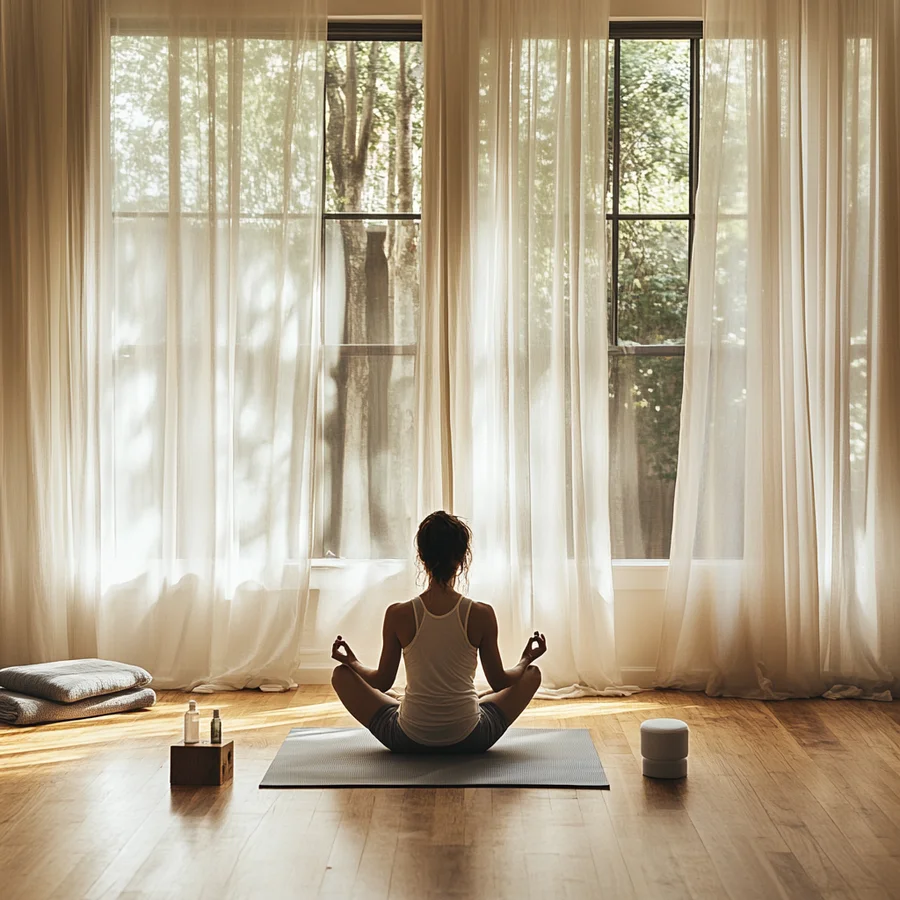
When Yoga and Psychedelics Meet: Similar Goals, Different Roads, and What That Really Feels Like
Yoga and psychedelics share a fundamental goal: expansion. Yoga, with its historical roots stretching back thousands of years, emphasizes self-discipline, presence, and the union of body, mind, and spirit. Each asana, each breath, is a deliberate act of cultivating awareness. Psychedelics, particularly psilocybin, have a long history in indigenous cultures as tools for vision, insight, and ego dissolution. The intent is similar—growth, awareness, and connection—but the methods differ dramatically.
In contemporary Western culture, the overlap has become increasingly visible. Wellness influencers, retreat centers, and modern seekers often practice both, sometimes in tandem. Yoga sessions are paired with intentional microdosing, and psilocybin retreats frequently integrate movement and breathwork. But even in these spaces, the relationship isn’t always straightforward. Yoga encourages focus and control, while psychedelics encourage surrender and unpredictability. The challenge lies in honoring both approaches without letting one overshadow the other.
It’s also worth considering embodiment. While yoga is about inhabiting the body fully, psychedelics can sometimes blur or dissolve bodily awareness. This isn’t inherently negative, but it raises questions. Are psychedelics enhancing embodiment by revealing hidden emotional layers, or are they temporarily overriding the deep work yoga encourages? Similarly, yoga can offer grounding after psychedelic experiences, but if approached mechanically, it risks becoming just another task rather than an integrative practice.
Finally, integration is key. Intentional movement, gentle asanas, and mindful breathwork can help process the sometimes disorienting effects of psilocybin. Conversely, a psychedelic experience may illuminate areas where yoga practice can expand or deepen. Observing, reflecting, and experimenting with intention rather than expectation is crucial. The interplay is dynamic, subtle, and deeply personal.
Overlap in Intentions, Divergence in Methods: How Yoga Wants Control and Psychedelics Want Surrender
Both yoga and psychedelics aim for healing, awareness, and presence—but they do it in remarkably different ways. Yoga emphasizes control, precision, and consistency. The discipline of holding a posture, observing breath, or moving through a flow is about cultivating awareness within a structured framework. Psychedelics, on the other hand, break down frameworks. They dissolve rigid boundaries, challenge habitual patterns, and encourage surrender to the unknown.
This divergence creates both opportunity and tension. A yoga practitioner accustomed to structure may feel disoriented under the influence of psilocybin. Conversely, someone used to psychedelic exploration might find the slow, deliberate pace of yoga confining or mundane. Yet it is precisely this tension that can be transformative. By noticing how control and surrender interact, practitioners can cultivate flexibility, resilience, and a deeper awareness of the body-mind connection.
Awareness of intention is critical. Practicing yoga immediately after a psychedelic experience may amplify insights and emotional release. Conversely, approaching a microdosing-yoga combination without intention may lead to overstimulation, distraction, or even dissociation. Understanding the divergent methods helps create space for thoughtful experimentation, allowing each practice to complement rather than compete with the other.
Check out this magic mushroom!!

A.P.E Psilocybin Chocolate Bar
$60.00Dried Penis Envy Magic Mushrooms
Price range: $60.00 through $240.00Golden Teacher Gummies for Microdosing
$25.00



The Risk of Spiritual Bypassing in Both Directions: Why Neither Yoga Nor Mushrooms Are Magic Shortcuts
A subtle but important challenge is spiritual bypassing. In yoga communities, there’s a risk of over-intellectualizing or using philosophy to avoid confronting discomfort. In psychedelic spaces, there’s a risk of over-sensationalizing or using substance experiences to sidestep emotional work. Both forms of bypassing can prevent genuine growth, leaving patterns unexamined.
It’s tempting, for instance, to use dried magic mushrooms to bypass challenging yoga poses or internal reflections. Likewise, one might lean on rigorous yoga practice to avoid the raw, vulnerable emotions that psychedelics can uncover. Recognizing these tendencies is essential. Both paths demand honesty, presence, and a willingness to sit with discomfort rather than flee from it. Integration is about respecting the practice, not shortcutting it.
Understanding this risk also encourages humility. Neither yoga nor psychedelics are universal solutions. They are tools—powerful tools—but their effectiveness relies on conscious, intentional engagement. Bypassing inner work through either path undermines potential benefits and can create confusion or disillusionment over time.
Using the Body as an Anchor: How Gentle Yoga Can Support Psychedelic Integration
One of the most tangible ways yoga complements psychedelics is through grounding and somatic awareness. Gentle yoga practices—restorative poses, breathwork, or mindful movement—can help integrate insights from a trip, anchoring experiences in the body. Trauma release, emotional processing, and subtle shifts in perception are often more accessible when the body is engaged intentionally.
Breathwork, in particular, can harmonize the sometimes disorienting effects of psychedelics. Conscious breathing techniques support emotional regulation, reduce anxiety, and help maintain presence during introspective journeys. Even simple stretches or gentle flows can create a sense of coherence and continuity, helping the mind and body process new insights.
Moreover, returning to yoga post-trip can reinforce lessons learned during the experience. By revisiting familiar poses, flows, and meditative practices, practitioners can translate psychedelic experiences into embodied understanding, rather than leaving them as abstract insights floating in the mind. This iterative integration deepens self-awareness and reinforces the potential for lasting transformation.
Microdosing and Yoga: Can a Little Bit of Mushrooms Help Your Daily Practice or Just Confuse You?
Some practitioners have found microdosing—sub-perceptual doses of psilocybin—enhances their yoga practice. Microdosing before a session can deepen awareness, creativity, or emotional attunement, subtly shifting focus without overwhelming sensory input. Movements may feel more connected, breath more resonant, and the mind more present.
However, caution is key. More vigorous practices like vinyasa or power yoga combined with microdosing may lead to overstimulation or dissociation. Sensory sensitivity, balance challenges, or unexpected emotional release can occur. Starting with gentler practices and observing responses is essential. Microdosing should support, not destabilize, the yoga experience.
Importantly, microdosing is not a shortcut to mindfulness. It is a tool to enhance practice, not replace it. Combining intention, awareness, and physical engagement ensures that the benefits of both practices are realized safely and effectively. Over time, careful observation and self-reflection help individuals understand how microdosing can complement their personal yoga practice.
🍄Discover my guide on how the real work of psychedelic integration starts after the peak and why it matters for lasting transformation
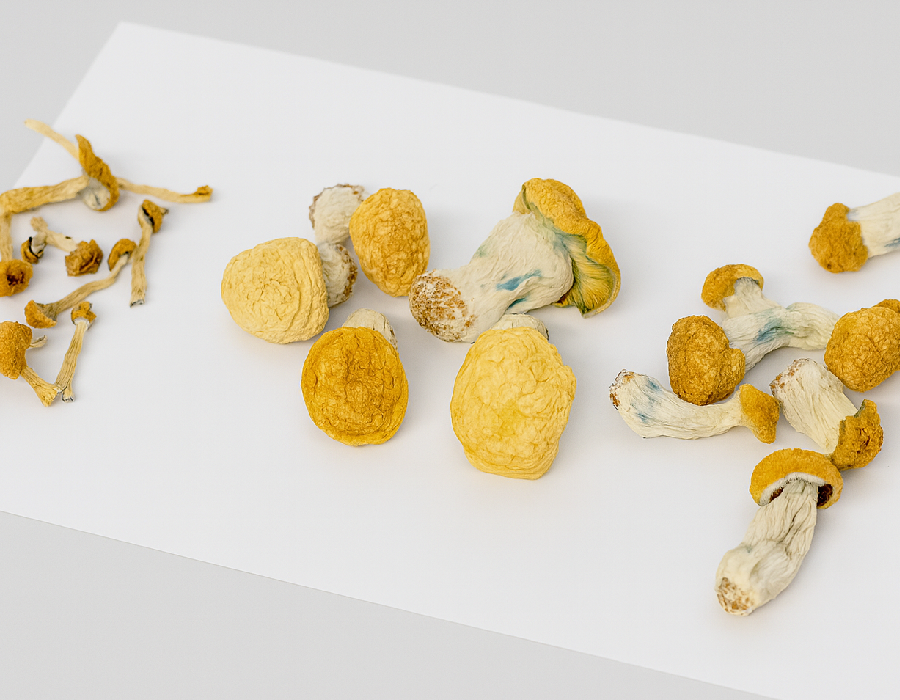
Respecting Lineage and Practicing Mindful Fusion Without Falling Into Trendy Pitfalls
While the intersection of yoga and psychedelics is appealing, it raises questions of lineage, cultural respect, and ethical fusion. Both yoga and psilocybin have deep cultural and spiritual histories. Approaching either as a trendy tool without understanding or reverence risks reducing rich traditions to superficial experiences.
Mindful integration involves honoring origins, learning from knowledgeable sources, and approaching practices with humility. Retreats and communities that blend yoga and psychedelics responsibly often emphasize education, consent, and safe guidance. Observing these principles ensures the practice is meaningful rather than performative.
Trendiness can also dilute the transformative potential of these practices. Instagram-ready “yoga + mushroom” combinations may look appealing, but without intention, reflection, and respect, they may offer little beyond novelty. True synergy comes from deliberate, informed engagement, recognizing the value of each path individually and in combination.
The Science Behind the Magic: How Yoga and Psychedelics Both Support Brain, Mood, and Emotional Health
Science increasingly validates the benefits of both yoga and psychedelics. Yoga practices activate the vagus nerve, improve emotional regulation, and foster neuroplasticity. Mindful movement and breathwork have been linked to decreased stress, improved mood, and enhanced cognitive function.
Psilocybin research similarly highlights increased brain connectivity, emotional openness, and self-transcendence. Studies at Johns Hopkins and Imperial College suggest psychedelics may increase neuroplasticity and offer therapeutic potential for depression, anxiety, and trauma.
When approached intentionally, yoga and psychedelics may complement each other scientifically as well as experientially. Yoga can prime the body and mind for a psychedelic experience, enhancing focus and awareness, while post-trip yoga can support integration, grounding, and embodied insight. The potential synergy is both subtle and profound, inviting curiosity and experimentation guided by respect and care.
🍄Explore my guide on how psychedelics can bridge science and spirit, offering a path to healing and personal recovery
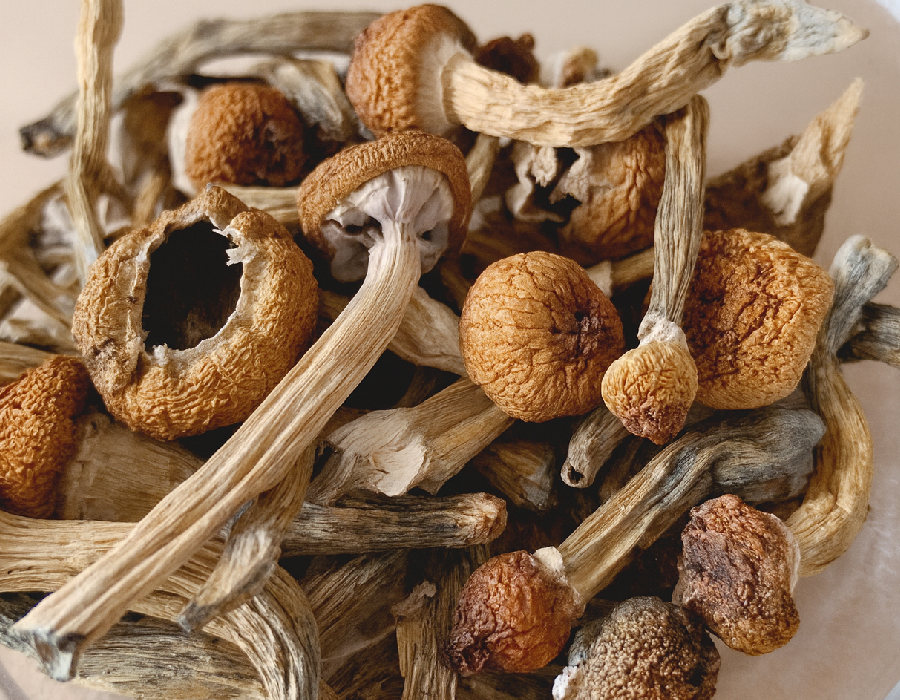
Curious About Exploring Yoga and Psychedelics Safely? Let Magic Mush Canada Be Your Friendly Guide
Yoga and psilocybin both offer profound opportunities for self-exploration, but they do so in very different ways. Yoga asks us to inhabit our bodies, embrace discipline, and cultivate presence through intentional movement and breath. Psilocybin, on the other hand, encourages surrender, insight, and expanded awareness, often dissolving boundaries we usually cling to. When approached thoughtfully, these paths can complement each other, offering both grounding and insight. The key is intention: knowing when to step into one practice, when to step back, and how to honor the unique benefits of each.
Throughout this article, we explored how gentle yoga can support psychedelic integration, how microdosing might subtly enhance daily practice, and how respecting the lineage and intention of both practices ensures meaningful experiences. From understanding the risk of spiritual bypassing to practical tips on sequencing and mindful combination, the ultimate message is clear: yoga and psilocybin aren’t opposite roads—they’re different tools for growth, each deserving attention, respect, and careful exploration.
This is where Magic Mush Canada comes in. Think of us as your buddy who quietly points you toward resources, advice, and products without pressure or judgment. Whether you’re curious about microdosing, want to explore psychedelics alongside a yoga practice, or simply want trustworthy guidance, we make it easy to take the first step. We’re here to help you navigate this journey safely, thoughtfully, and with a bit of fun along the way.
At Magic Mush Canada, we’re all about creating a supportive space for exploration. Our high-quality magic mushrooms and educational resources are designed to help you discover the benefits of psychedelics while keeping safety and intention front and center. You can trust our team for guidance, reliable products, and thoughtful advice, just like you’d trust a friend who’s walked the path before you.
And the best part? Joining Magic Mush Canada means becoming part of a curious, respectful community. You can explore at your own pace, share experiences, and learn from others without any pressure. Whether it’s reading our beginner-friendly articles, checking out our educational guides, or shopping for your first product, we make it easy to integrate psychedelics into your personal wellness journey. So go ahead—take that first step, explore responsibly, and let your curiosity lead the way.

