I still remember the morning after my first deep psilocybin journey. The world felt raw and rearranged — soft light spilling across the kitchen, my breath syncing with the rhythm of something larger. I’d spent hours the night before crying, laughing, and dissolving into what felt like truth itself. It was the kind of experience that rearranges your inner furniture. But there he was, sitting across from me, scrolling through his phone, sipping coffee like nothing in the universe had shifted. He asked if I wanted toast. I nodded, but something in me already knew: we weren’t quite in the same room anymore.
That’s the part no one really prepares you for — the quiet after the breakthrough. When your heart opens wide, and you suddenly see the seams in your old life, including the person you share it with. It’s not dramatic at first. It’s the soft ache of realizing your partner doesn’t feel the same hum in the air, the same reverence for ordinary moments. You want to tell them everything — how the trees breathed with you, how you forgave yourself for years of numbness — but the words collapse between you. It’s not their fault. They just haven’t been there.
Psychedelics can change you. So can therapy, grief, breathwork, or one honest conversation that cuts through decades of pretending. But what no one talks about enough is what happens after the change. When one of you grows faster than the relationship was built to hold. When love meets evolution, and suddenly you’re learning a new language your partner doesn’t speak yet.
And maybe that’s the beauty and the heartbreak of it — realizing that growth doesn’t always walk hand in hand. Sometimes one of you steps forward into the unknown, while the other stays rooted in what feels safe. And the space between those two realities becomes its own living, breathing thing that demands to be faced with tenderness.
🌀 Discover how to navigate the integration process after a psychedelic experience and turn your insights into real-life growth

When the New You Meets the Old Us and You Realize You’re Not in the Same Story Anymore
Integration doesn’t always arrive as a grand revelation. Sometimes it sneaks into the room like sunlight through blinds. You sit together on the couch, watching the same show you’ve watched a hundred times, but something feels different. The jokes don’t land. The silences stretch too long. You start to realize how much of your old connection was built on the comfort of sameness.
After my first real journey, I wanted to talk about everything — love, consciousness, death, forgiveness. I wanted to hold his face and tell him he was sacred. But he looked at me like I was speaking a dialect from another planet. “You okay?” he asked. I was more than okay. I was cracked open. But I couldn’t make him feel what I’d felt. And in that moment, a kind of tenderness and grief washed through me at once. I loved him. I also knew we weren’t the same pair we used to be.
That’s what it’s like when the new you meets the old us. You see the relationship from above for the first time. All the little habits, unspoken rules, and mutual blind spots become visible. You’re still there physically, but spiritually, you’re standing in a doorway the other person hasn’t noticed yet. Psychedelic integration, it turns out, is not just about bringing your trip into daily life — it’s about seeing where that daily life no longer fits who you’ve become.
And still, there’s a strange kind of compassion that blooms from that awareness. You begin to see your partner not as someone holding you back, but as someone who represents who you once were. It’s like watching your old self through their eyes. And if you can meet that version of yourself — and them — with gentleness, integration becomes less about moving apart and more about understanding what still connects you underneath it all.
The Shock of Integration: When Your Heart Has Expanded but the World Hasn’t Caught Up Yet
The days after a journey can be tricky. You come back radiant, hopeful, more alive than ever — but the rest of the world didn’t drink the same cup. Your partner might still be wrapped up in work, stress, or the small talk of everyday life. You try to share the revelations, but they sound abstract, even self-indulgent. The same person who used to know you best suddenly feels like a stranger.
A facilitator I once met in Toronto put it perfectly: “Every shift in consciousness demands a new relational contract. If the contract doesn’t update, friction is inevitable.” She was right. When you change, everything about how you love changes too — your needs, your patience, your boundaries, your capacity for honesty. Post-journey integration is the process of renegotiating not just your inner world but also your shared one.
The awkwardness is real. You might feel lonely in your own relationship. You might even feel tempted to preach — to tell your partner that if they just tried psilocybin Toronto–style, they’d understand. But integration isn’t about conversion; it’s about compassion. It’s the art of holding both your awakening and your partner’s pace with equal gentleness.
Sometimes the shock of integration feels like being caught between two realities — one full of depth, the other full of dishes. You’re learning how to live again, but this time with a wider heart. And that’s not easy when the person next to you hasn’t seen what you’ve seen. The challenge is learning how to stay open without needing them to follow. How to love them from where you are, not from where you wish they’d be.
Check out this magic mushroom!!

A.P.E Psilocybin Chocolate Bar
$60.00Dried Penis Envy Magic Mushrooms
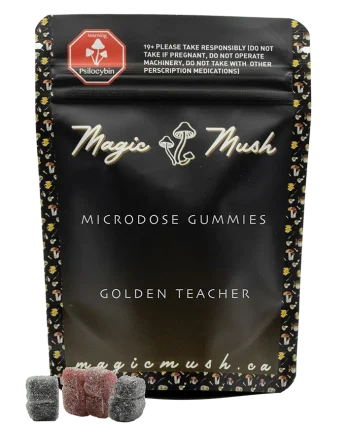
Price range: $60.00 through $240.00Golden Teacher Gummies for Microdosing
$25.00


The Unseen Work of the Partner Who Stayed the Same (and Why They Deserve Compassion Too)
Here’s the truth I had to learn the hard way: while I was busy transforming, he was busy adapting to someone who no longer fit the old blueprint. That’s its own kind of labour. Imagine loving someone who suddenly speaks in metaphors and cries over trees. You’d feel disoriented too.
He told me once, “You said I’d understand when I was ready. But what if I never am?” His voice cracked when he said it. There it was — the fear beneath the friction. The fear of being left behind.
We don’t talk enough about what it’s like for the person who doesn’t go on the journey. They might not have the language or the framework to understand “integration,” but they still feel the distance. They feel your absence even when you’re right there. And if they’re not careful, that absence starts to look like rejection.
But maybe we can soften around that realization. The partner who “stayed the same” isn’t static — they’re just navigating the shock of change in their own way. They’re grieving, too. Integration asks both people to evolve, even if in different directions. And when compassion flows both ways — when the person who’s changed can still honour the one who hasn’t — sometimes, that’s where a new kind of love can quietly begin again.
The Subtle Traps That Appear After the Trip (And Why “Woke Love” Isn’t Always Better Love)
There’s a moment after every awakening where you want to share the light. You want your partner to feel what you’ve felt, to see what you’ve seen. That instinct is beautiful — but it can also backfire. Because somewhere in that sharing, you might start teaching instead of relating.
A facilitator from Vancouver once told me, “The moment you start teaching your partner, you’ve stopped relating to them.” That hit me hard. I realized I’d been trying to turn him into a student of my transformation. Every conversation became a lesson, every disagreement an opportunity for “expanded awareness.” I wasn’t being present — I was performing my enlightenment.
It’s easy to slip into the myth of “conscious love,” the idea that a relationship is only real if it’s spiritually evolved. But love isn’t a syllabus. It’s a living thing that needs humour, imperfection, and space to be messy. Sometimes the most conscious thing you can do is admit you’re both just figuring it out.
What I’ve learned since then is that true connection doesn’t come from being “awakened.” It comes from humility. The best love stories aren’t built on perfect consciousness but on shared humanness — the willingness to stumble, to listen, to laugh mid-argument. Psychedelics can open your eyes, but it’s the daily practice of staying kind that keeps love alive.
🗣️ Learn how to talk openly about magic mushrooms with those you care about — share your journey clearly and compassionately

When Relationships Stretch Just Enough to Hold the Change — and When They Break Because They Can’t
Some relationships evolve beautifully through this process. The couple learns to translate across realities. One becomes more patient, the other more curious. They build bridges of communication, learning to speak honestly about the subtle shifts between them. I’ve seen couples in psilocybin Ottawa integration circles do this work — sitting in shared silence, journaling for emotional integration, holding each other’s hand through the uncertainty. When it works, it’s like the relationship grows a second soul.
But other times, the distance widens. No matter how much love there is, the mismatch becomes too large to sustain. It’s not that one person is wrong — it’s just that the structures that once held the relationship can’t bear the new weight. The rituals that once connected you — movie nights, shared jokes, inside references — start to feel like ghosts.
That’s when surrender becomes the teacher. Sometimes integration means letting go, not out of failure, but out of honesty. Love doesn’t always need to last forever to be sacred. Sometimes it arrives to awaken you, and then it leaves to make space for who you’re becoming.
And strangely, endings can hold the deepest tenderness of all. There’s something profoundly human about looking at someone and realizing you’ve both outgrown the shape of the life you built — and still loving them for it. Maybe that’s the ultimate lesson of transformation: learning to say thank you, even as you say goodbye.
How to Stay Grounded Between Two Realities Without Losing Either One
Integration is rarely clean. It’s more like learning to walk again, but this time on a shifting floor. One foot in the old world, one in the new. The key, I’ve learned, is curiosity — not conversion. To ask, not preach. To listen, not fix.
Honouring the old connection matters. Even if you outgrow the relationship, it once held you when you needed it most. That deserves reverence, not rejection. I used to light a candle for us during my solo reflection nights — not as a ritual to bring him back, but to thank the love that had once helped me survive.
If the relationship can adapt, beautiful. If it can’t, find community outside of it. Integration circles, therapy, or just long walks with friends who understand what it means to re-enter the world after a deep experience. In places like Toronto or Vancouver, there are growing networks where people can share their post-trip stories without judgment — spaces where change is not something to be feared but witnessed.
And remember, science and soul can coexist. Psilocybin’s link to empathy, openness, and emotional regulation is real, but harmony can’t be engineered. You have to show up for it — through laughter, humility, and the courage to stay open. In the Magic Mush community, we often say integration isn’t just personal — it’s relational. The trip ends, but the ripple keeps moving through everyone who loves you.
🌟 Explore a powerful story of relationship revival when one partner believed all was lost, and psychedelics helped them find each other again.

Keep Growing With Magic Mush Canada: Where Transformation Meets Connection
At its heart, this whole exploration is about the invisible dance between love and evolution. When one person changes and the other doesn’t, it can feel like the end of something — but it’s often just the beginning of a deeper kind of honesty. Integration isn’t about dragging your partner into your new reality; it’s about finding grace in the gap between who you were and who you’re becoming. Sometimes, that grace grows the relationship. Other times, it gently releases it. Either way, what’s revealed is truth — and that’s always worth honouring.
Every shift, every uncomfortable silence, every heartbreak is part of the broader cycle of awakening. Psychedelics, therapy, and deep healing don’t just show us new dimensions of ourselves; they show us what love really is when it’s stripped of illusion. The work doesn’t end with the trip — it continues in how you listen, forgive, and let others meet you as you are now.
This is where Magic Mush Canada comes in — and honestly, this part feels close to home for me. At Magic Mush Canada, we’ve seen firsthand how psychedelics can change not just individuals but relationships, communities, and even the way we see connection itself. We’re not just about products — we’re about people. About guiding safe, mindful exploration and giving Canadians access to trusted, premium-quality dried magic mushrooms.
We believe in helping you integrate your experience fully — not just the mind-blowing parts, but the messy, human parts too. Whether you’re new to this or already familiar with microdosing Canada–style, we’ve got your back with expert guidance, top-tier mushroom chocolate Canada creations, and carefully sourced psilocybin options that meet the highest safety standards.
And the best part? We’re doing it together. We’re building a community that celebrates curiosity, encourages open conversation, and helps destigmatize what’s long been misunderstood. At Magic Mush Canada, we want you to feel supported on every level — from education to experience, from first trip to full integration. So if you’re ready to keep evolving, keep loving, and keep discovering who you are (and who you’re becoming), we’re right here for you.
Shop now, join our growing community, and let’s make transformation something we don’t just go through — but grow through. Together.