When I first heard about microdosing psilocybin, I was convinced it would be my magic escape hatch. I imagined it smoothing out the rough edges of anxiety, melting away the loneliness, and wiping clean the tension that clung to my chest like an old sweater. I wasn’t looking to dive deeper into my feelings—I just wanted relief, a little boost to feel better, more creative, more me. And for a little while, that’s exactly what I thought I was getting.
But then, a few weeks in, something shifted. Instead of running away from my discomfort, I found myself noticing it more. Not in a panicky or overwhelming way—more like it was sitting there, right beside me, quietly demanding to be seen. The anxiety, the ache, the sadness—they didn’t vanish. Instead, they became clearer, sharper, somehow realer. I realized that the mushrooms weren’t here to rescue me from my pain. They were here to remind me something profound: my pain wasn’t a glitch or a bug in my system. It was a message, a teacher, a whisper I’d been too busy to hear.
At first, that felt confusing. I had signed up for a tool to help me feel lighter, not to sit so closely with my own heaviness. But over time, that closeness became something else—a kind of deep listening. Microdosing wasn’t erasing my pain; it was teaching me how to listen to it with curiosity and kindness. And in that listening, I found a new way forward.
This shift was subtle but powerful. The usual urge to push away discomfort started to soften. I realized that pain had been my constant companion, one I hadn’t learned to sit with before. Rather than a problem to solve, it became a doorway—one that invited me to explore my inner world with patience. I began to notice how the small moments of tension, sadness, or unease were actually signals, reminders that I had stories and emotions begging for attention.
It wasn’t a linear process. Some days, I wanted to throw the whole microdosing experiment out the window because the feelings felt too raw or uncomfortable. Other days, I felt breakthroughs, moments of clarity where I could actually name what was underneath the pain. Slowly, this practice became less about escaping and more about embracing.
If you’re here because you thought microdosing would take your pain away, and you’re surprised or even frustrated that it hasn’t, I want you to know you’re not alone. This journey is about more than escaping discomfort—it’s about learning to live alongside it with awareness. Let me share what I’ve learned about how microdosing changed my relationship with pain, and how it might change yours too.
🍄 How does your brain get into that state? Learn how depression impacts your thinking
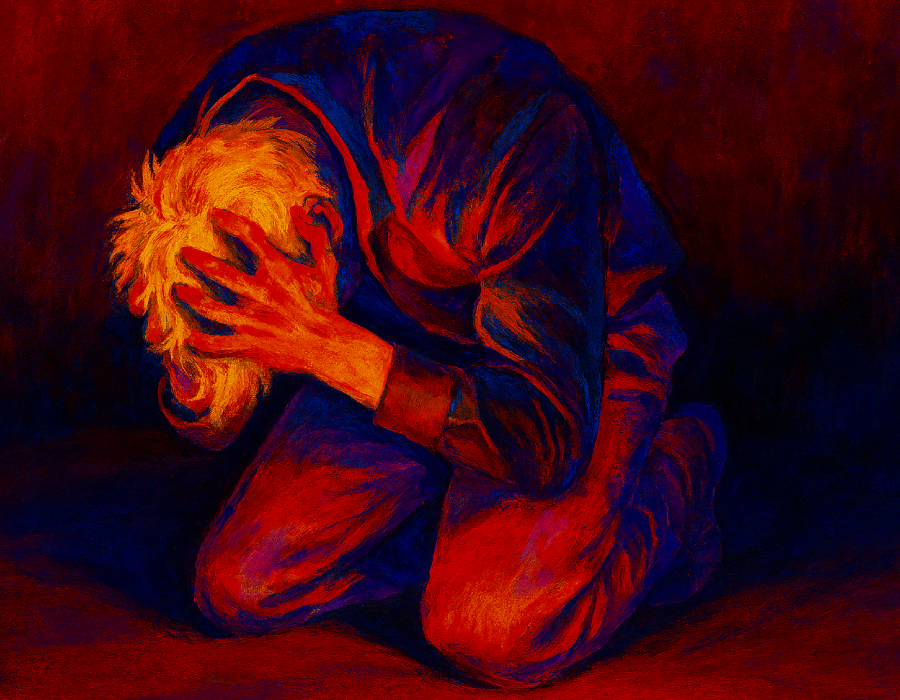
Okay, So Why Does Western Culture Treat Pain Like an Enemy? And What Does Microdosing Teach Us Instead?
In our Western world, pain tends to be the ultimate villain. When something hurts—whether physically, emotionally, or mentally—the first instinct is to fix it, numb it, or get rid of it as fast as possible. We have painkillers, therapy, distractions, and endless self-help hacks all designed to make pain disappear. And while that approach works sometimes, it also creates this hidden problem: we get really good at not feeling what’s actually going on inside us.
Microdosing psilocybin, especially when done with intention, flips this idea on its head. Instead of pushing pain away, it asks us to lean in and see pain as information rather than just suffering. Rather than making the pain louder, microdosing often quiets the chatter in our minds—the judgments, the self-criticism, the endless mental loops—and invites us to listen to what the body and emotions are trying to tell us. It creates space for awareness, not erasure.
For me and many others, microdosing softens the noise that usually drowns out subtle sensations. You start to notice how that tightness in your shoulders isn’t random tension but a response to stress you didn’t fully acknowledge. Or how a sudden wave of irritation might connect back to something unresolved from childhood or a current boundary being crossed. Even the sadness that shows up on quiet Sunday afternoons isn’t meaningless—it’s trying to communicate.
This process also challenges the cultural tendency to avoid discomfort at all costs. In many ways, our society has trained us to fear pain and discomfort, labeling them as weaknesses or failures. But pain, when approached with awareness, becomes a kind of wisdom that can guide us toward healing and growth. Microdosing invites us to slow down and pay attention, to listen deeply rather than rush to fix or escape.
It’s not just about emotional pain either. Physical sensations, subtle shifts in energy, and moments of tension in the body can all carry meaning. The psilocybin gently amplifies these signals, urging us to notice what we usually ignore. Over time, this builds a richer, more embodied relationship with ourselves.
This isn’t a one-size-fits-all approach, either. Everyone’s experience of pain and healing is unique, and microdosing encourages a personalized exploration of what your pain means for you. It’s an invitation to reclaim your own wisdom and to see pain not as something to erase, but as something to understand.
Check out this magic mushroom!!

A.P.E Psilocybin Chocolate Bar
$60.00Dried Penis Envy Magic Mushrooms
Price range: $60.00 through $240.00Golden Teacher Gummies for Microdosing
$25.00


Microdosing Doesn’t Promise to Make Pain Disappear Overnight—But It Can Help You Build the Capacity to Hold It and Learn From It
One of the hardest things to accept is that microdosing isn’t a quick fix or a magic eraser for pain. If you’re hoping for instant relief, that’s okay—many of us start there. But what I found is that microdosing builds something deeper: capacity. It teaches you how to be with your pain without being overwhelmed or running from it.
Think of it like building emotional and bodily muscles. At first, the sensations might feel intense or uncomfortable because you’re simply not used to paying attention. But over weeks and months, you start to notice that you can sit with those feelings longer, without getting swept away. You can observe without judgment. You become more grounded and present.
Pain itself can become a form of intelligence. It tells you where you’re holding tension, where wounds might need attention, and where boundaries are being tested. The psilocybin gently invites you back into your body, that place where so much of your emotional history is stored. This isn’t just about mental insights—it’s about embodied presence.
It’s also crucial to recognize that noticing pain isn’t a failure or a sign that microdosing isn’t working. On the contrary, it often means the medicine is working exactly as it should. The discomfort might feel like a sign of deeper healing underway—the kind that doesn’t skip over the hard parts but moves through them with awareness.
Along with building capacity, microdosing encourages patience and gentleness. There’s no rush to “fix” things or to achieve some perfect emotional state. Instead, the medicine supports you in staying present with whatever is arising, even if it’s hard. This practice of presence itself is healing.
Over time, this builds a kind of emotional resilience. You learn to meet pain and discomfort with curiosity rather than fear or resistance. And that shift can ripple into other areas of your life, helping you respond to stress, relationships, and challenges with more calm and clarity.
Microdosing also highlights the importance of consistency. Sporadic use might offer moments of insight, but it’s the ongoing practice of showing up that deepens your relationship with your pain and your body’s wisdom. The cumulative effect can lead to profound shifts in how you relate to yourself.
🍄 Wondering why magic mushrooms sometimes make you cry? Here’s the science and emotions behind those powerful feelings during a trip
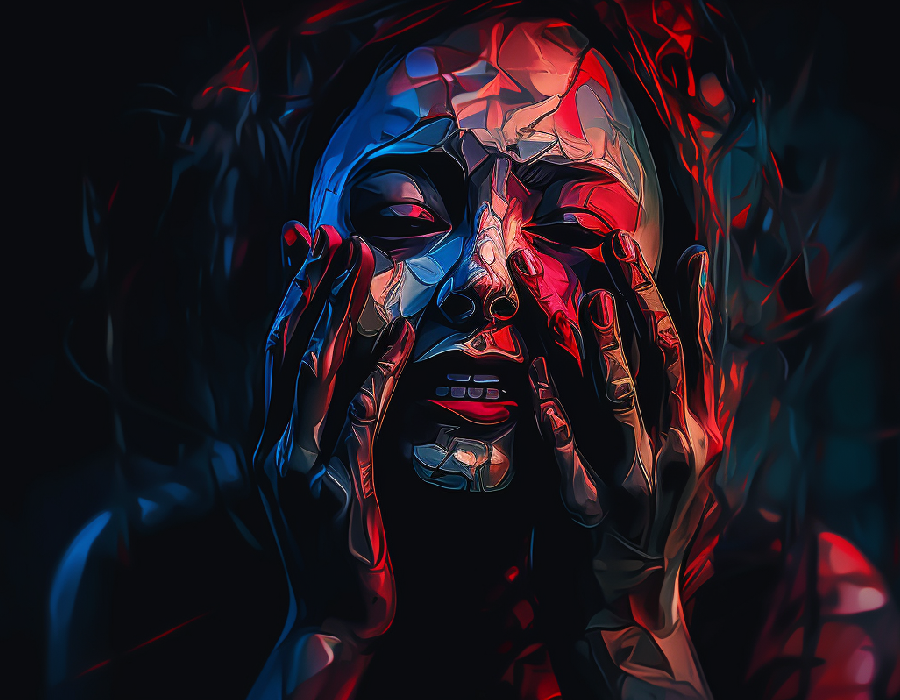
The Community Talks a Lot About the “Good Stuff”—But The Real Power Often Starts When the Mushrooms Show You What You’ve Been Avoiding
If you spend any time in the Magic Mush community or other psychedelic circles, you’ll hear a lot about the “good stuff” — the clarity, focus, creativity, joy, and calm that microdosing can bring. And those benefits are real and wonderful. But some of the most profound transformations happen when the medicine shines a light on what you’ve been avoiding.
Maybe it’s the breakup you never fully processed, the burnout you kept pushing through without pause, or the grief your body still holds tight. These aren’t bugs or side effects—they’re signals that your inner world is asking for attention.
This can feel scary or disappointing at first. You might wonder if your microdosing routine is wrong or if you’re “doing it right.” The truth is, these challenging moments mean the process is unfolding authentically. Microdosing isn’t a shortcut out of pain but a mindfulness tool that brings it gently to the surface so it can be seen and heard.
Beyond just revealing hidden wounds, microdosing often encourages a new kind of emotional honesty. You might find yourself more willing to acknowledge difficult feelings rather than burying them under busyness or distraction. This honesty is a key step toward healing.
The community aspect is also huge. Sharing these experiences with others who understand can make all the difference when pain feels isolating. Magic Mush has created spaces where vulnerability is welcomed and normalized, which helps people stay engaged with their psychedelic journeys.
Moreover, this process can foster self-compassion. Instead of beating yourself up for feeling pain or struggling, you begin to treat yourself with kindness, knowing that healing isn’t linear or easy. The medicine supports you in finding patience and grace along the way.
🍄 Could psilocybin be the miracle cure for pain? Discover the shocking study that’s set to change pain medicine forever
Embrace Your Healing Journey and Let Magic Mush Support You Every Step of the Way
Many of us come to microdosing hoping the medicine will erase the pain, make us feel “fixed,” or whisk us away from the hard feelings we carry. But what I learned—and what many others in the Magic Mush community know—is that the mushrooms don’t take your pain away. Instead, they invite you to sit with it, gently hold it, and listen to what it has to say.
If you’re microdosing and pain is coming up, please don’t panic or think you’re doing it wrong. This is often a sign that the medicine is doing exactly what it’s supposed to do: helping you develop a new, kinder, and clearer relationship with your discomfort.
Take a moment to pause. Breathe deeply. Journal what you’re feeling. Notice where the pain lives in your body and what it might be trying to communicate. And if you need support, know that the Magic Mush community is here for you—full of people who understand that healing is messy, nonlinear, and deeply personal.
Magic Mush offers more than just quality products like shroom gummies; we provide a safe space and community for those navigating the highs and lows of psychedelic healing. Whether you’re just starting out or deep into your microdosing journey, our guides, customer support, and community forums are here to help you feel seen and supported.
Remember, healing isn’t about erasing pain—it’s about learning to live with it, understand it, and grow through it. Microdosing teaches us that sometimes the best way forward is to stop running and start listening. And when you do, you’re never truly alone.