Could a mushroom hold the key to unlocking better brain health? It may sound strange at first, but Lion’s Mane is gaining attention as a powerful ally for cognitive support, and here’s why. This unique mushroom has been a staple in traditional Eastern medicine for centuries, praised for its healing properties. In recent years, however, it has garnered attention in the scientific community for its potential to support brain health and cognitive performance. As someone who has always been curious about natural remedies and their benefits, I’ve found myself intrigued by the promises of Lion’s Mane. After adding it to my own routine and noticing subtle but impactful changes in my mental clarity and focus, I decided to dig deeper into the growing body of research surrounding this fascinating mushroom.
Recent studies have shown that Lion’s Mane may not only improve cognitive functions like memory and focus, but it could also play a crucial role in neurogenesis—the growth of new brain cells. As we age, keeping our brains sharp becomes more important than ever, and Lion’s Mane might be one of the natural ways to support our cognitive health. This article will explore the science behind Lion’s Mane, its potential benefits, the latest research, and how you can incorporate it into your daily life.
Based on the facts on the table, Lion’s Mane is not just a supplement; it’s a natural powerhouse that has been used in traditional medicine for centuries. Now, modern science is catching up, validating what ancient cultures have known all along. Whether you’re seeking to boost your memory, enhance focus, or simply maintain a sharp mind as you age, Lion’s Mane presents an intriguing solution. The fact that it’s a mushroom makes it even more exciting—this humble fungus is packed with potent compounds that might just be the key to unlocking better brain health and cognitive longevity. With growing interest and promising research, it’s no wonder that Lion’s Mane has earned a place in the wellness routines of so many.
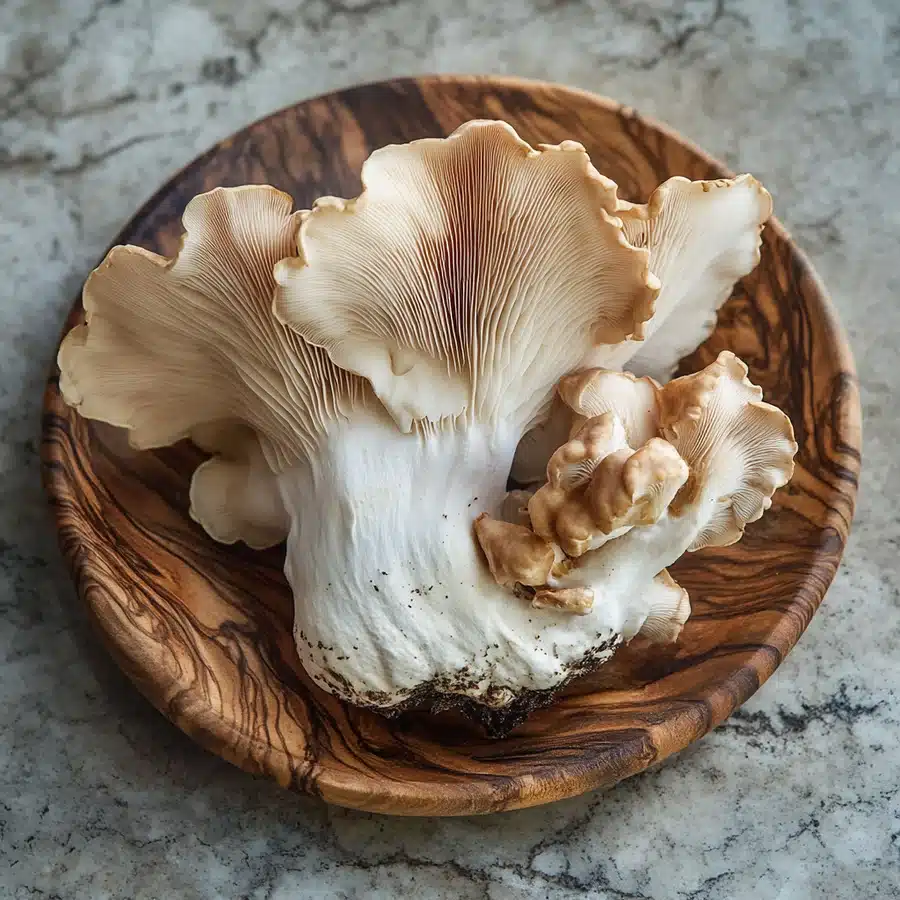
What is Lion’s Mane Mushroom?
Lion’s Mane mushroom, scientifically known as Hericium erinaceus, is a type of medicinal fungus that has been used for centuries in traditional Chinese medicine. Its name comes from its striking appearance—long, white, spiny tendrils that resemble a lion’s mane, which is why it’s often called “the monkey head mushroom” as well. It is typically found growing on hardwood trees in Asia, Europe, and North America. While it’s been used in Eastern medicine for its general health benefits, it is only in recent years that it has gained widespread attention for its effects on brain health.
In traditional medicine, Lion’s Mane was believed to support a variety of bodily functions, including digestion and immune health, but modern research has focused primarily on its potential cognitive benefits. Its growing popularity as a natural supplement for mental clarity, memory improvement, and focus is a direct result of these research findings. What makes Lion’s Mane particularly interesting is its bioactive compounds, hericenones and erinacines, which are believed to promote the production of Nerve Growth Factor (NGF), a protein essential for maintaining and regenerating neurons. This is what sets it apart from other mushrooms and plants that are often touted for their health benefits.
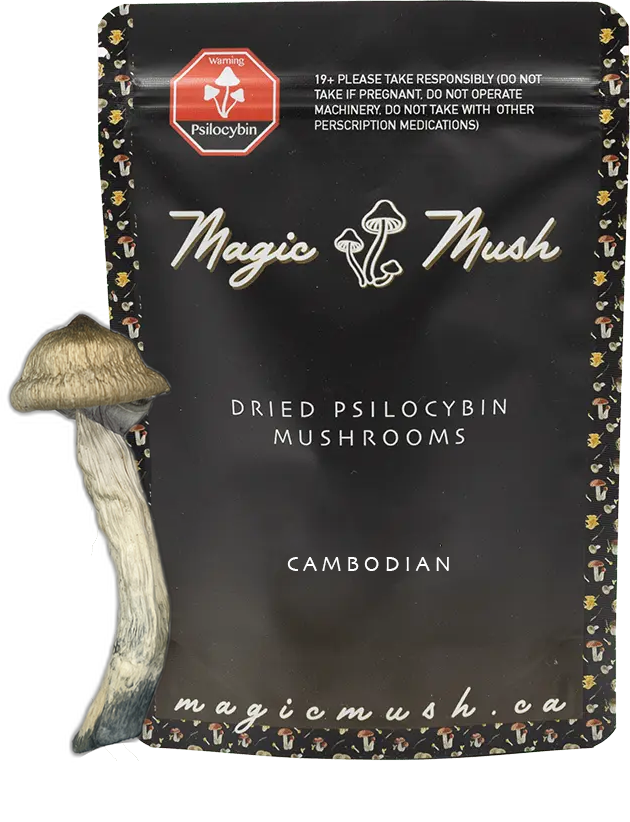
Check out this magic mushroom!!

Aztec Gods Magic Mushrooms Bundle Item
$60.00Golden Teacher Microdosing Capsule
Price range: $50.00 through $90.00Cambodian Dried Magic Mushroom
Price range: $60.00 through $195.00


The Connection Between Lion’s Mane and Brain Health
Lion’s Mane’s impact on brain health can be traced back to its effects on neurogenesis—the ability of the brain to grow new neurons and repair damaged ones. Neurogenesis plays a crucial role in cognitive functions like memory, learning, and overall brain performance. One of the key ways that Lion’s Mane supports brain health is through its ability to stimulate the production of Nerve Growth Factor (NGF), a protein that promotes the growth, maintenance, and survival of neurons.
Neurogenesis and Nerve Growth Factor (NGF)
The active compounds in Lion’s Mane—hericenones and erinacines—have been shown to increase the production of NGF in the brain. NGF is essential for the health of neurons, particularly in the hippocampus, the part of the brain responsible for memory and learning. As we age, our production of NGF naturally declines, which can lead to cognitive decline. By boosting NGF levels, Lion’s Mane may help slow this decline, potentially reducing the risk of neurodegenerative diseases like Alzheimer’s and Parkinson’s.
In addition to supporting the growth of new brain cells, NGF also plays a role in repairing damaged neurons. This is particularly important for individuals who may be experiencing age-related cognitive issues or those at risk for neurodegenerative diseases. By enhancing NGF production, Lion’s Mane could help the brain repair itself, maintain cognitive functions, and preserve overall brain health.

Cognitive Function
Several studies have highlighted Lion’s Mane’s potential to improve cognitive function, including memory, focus, and mental clarity. One clinical trial published in 2009 found that older adults who took Lion’s Mane supplements showed significant improvements in cognitive function compared to those who took a placebo. Participants who took the mushroom experienced better short-term memory, improved focus, and enhanced mental clarity, making it a promising supplement for those looking to maintain cognitive performance as they age.
In another study, Lion’s Mane was shown to help alleviate symptoms of mild cognitive impairment (MCI), a condition that often precedes Alzheimer’s disease. These findings suggest that Lion’s Mane may have both preventative and therapeutic benefits for cognitive decline.
Neuroprotection
Beyond promoting neurogenesis, Lion’s Mane also shows promise as a neuroprotective agent. It may help protect the brain from damage caused by oxidative stress, inflammation, and neurodegenerative diseases. In fact, some studies have suggested that Lion’s Mane could be useful in managing symptoms of diseases like Alzheimer’s and Parkinson’s, as it may help protect neurons from the damage caused by these conditions. The neuroprotective effects of Lion’s Mane could also extend to mitigating the cognitive decline associated with normal aging, making it an attractive option for those looking to maintain their mental sharpness as they age.
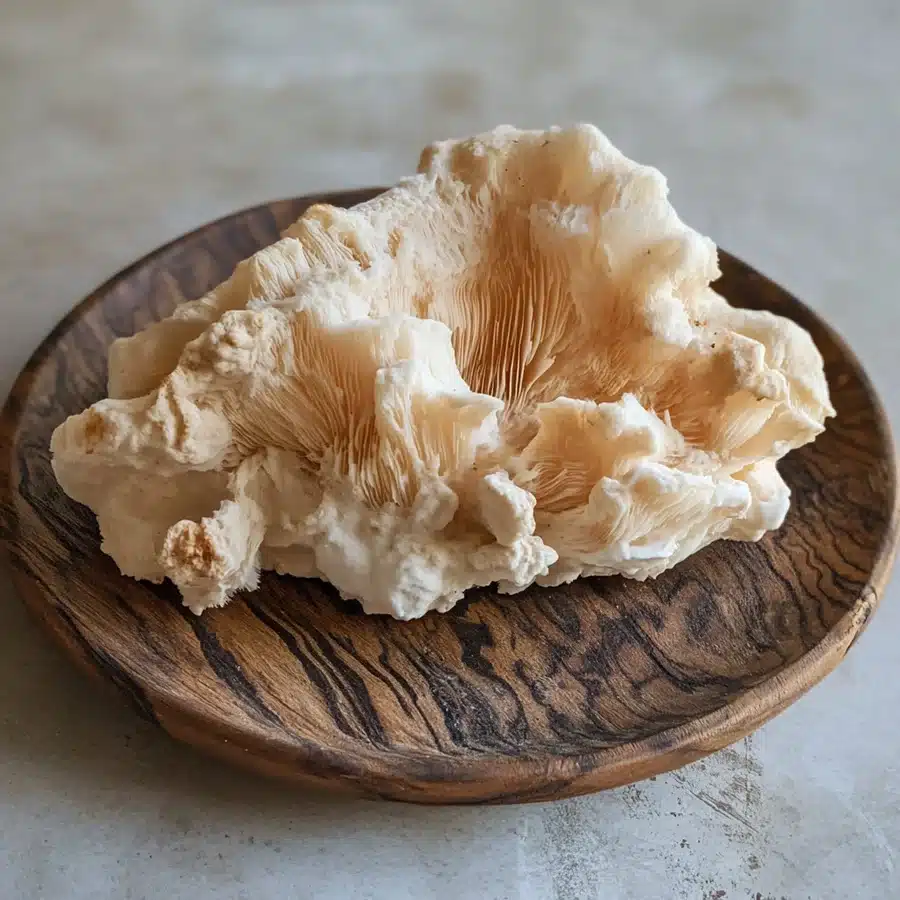
Latest Research Insights
Recent research on Lion’s Mane has provided exciting insights into its potential benefits for brain health. Several studies have focused on its ability to enhance cognitive function, promote neurogenesis, and protect the brain from degenerative diseases. One of the most significant studies was conducted in Japan in 2009, where participants aged 50 to 80 years with mild cognitive impairment were given Lion’s Mane supplements for 16 weeks. The results were remarkable: those who took the mushroom showed significant improvements in cognitive function compared to the placebo group, including better memory, attention, and overall mental clarity.
In another study published in 2015, researchers explored the potential of Lion’s Mane in treating neurodegenerative diseases like Alzheimer’s and Parkinson’s. The study found that the compounds in Lion’s Mane helped protect neurons from the damaging effects of these conditions and supported the regeneration of damaged nerve cells. The results suggest that Lion’s Mane could be a valuable tool for managing or even preventing neurodegenerative diseases in the future.
Moreover, animal studies have shown that Lion’s Mane has the potential to enhance memory and learning. In one study, mice that were given Lion’s Mane extract showed improved performance in memory tests, indicating that the mushroom’s compounds may enhance cognitive function in mammals, including humans.
While more research is needed to fully understand the extent of Lion’s Mane’s benefits, the current body of evidence is promising. As the interest in functional mushrooms continues to grow, researchers are likely to uncover even more insights into how Lion’s Mane can support brain health and prevent cognitive decline.

How to Incorporate Lion’s Mane into Your Daily Routine
If you’re interested in experiencing the cognitive benefits of Lion’s Mane, there are several ways to incorporate it into your daily routine. One of the most common methods is through supplements, which are available in various forms such as capsules, powders, and tinctures. Capsules are a convenient option for those who prefer a quick and easy way to get their dose of Lion’s Mane, while powders and tinctures can be added to drinks or smoothies for a more flexible approach.
For those who prefer a more natural approach, Lion’s Mane can also be consumed in its whole form. Fresh or dried Lion’s Mane mushrooms can be cooked in a variety of dishes, from soups and stews to stir-fries and risottos. The mushroom has a mild, slightly sweet flavor, making it a versatile addition to many different meals. Cooking with Lion’s Mane can be a great way to enjoy its benefits while also adding a nutritious and flavorful ingredient to your diet.
In addition to supplements and culinary uses, Lion’s Mane is increasingly being incorporated into functional foods and beverages. You can now find Lion’s Mane-infused coffee blends, teas, and even snacks, which makes it easy to get your daily dose while enjoying your favorite foods and drinks. Whether you prefer a hot cup of tea in the morning or a healthy snack in the afternoon, there are plenty of options to choose from.
Before starting any new supplement regimen, it’s always a good idea to consult with a healthcare professional, especially if you have pre-existing health conditions or are taking medications. While Lion’s Mane is generally considered safe for most people, it’s important to ensure that it won’t interact with other treatments or conditions you may have.

The Future of Lion’s Mane and Brain Health
As the interest in functional mushrooms like Lion’s Mane continues to grow, so does the potential for future research and applications. Emerging areas of research include the role of Lion’s Mane in preventing and treating neurodegenerative diseases such as Alzheimer’s, Parkinson’s, and dementia. Scientists are also exploring how Lion’s Mane may enhance neuroplasticity—the brain’s ability to adapt and form new neural connections, which is essential for learning and memory.
The growing popularity of functional mushrooms in wellness circles is also contributing to the expansion of Lion’s Mane’s uses. More people are seeking out natural, plant-based solutions to support their overall health, and brain health is at the top of the list. As more studies are conducted, it’s likely that new benefits and applications for Lion’s Mane will emerge, making it an even more integral part of the wellness industry.
In the future, Lion’s Mane may become a mainstream tool for supporting cognitive function, improving memory, and preventing cognitive decline. Its potential to improve quality of life, especially for aging populations, makes it an exciting area of research and exploration. As we continue to prioritize mental health and cognitive well-being, Lion’s Mane may play an increasingly important role in maintaining a sharp, healthy brain.

Enhance Your Cognitive Wellness with Magic Mush
Lion’s Mane has proven itself to be much more than just a culinary mushroom—it holds significant promise for supporting brain health and improving cognitive function. Through its unique compounds that promote neurogenesis and the production of Nerve Growth Factor (NGF), Lion’s Mane is poised to become a key player in the realm of natural cognitive enhancers. The latest research suggests that this mushroom has the potential to improve memory, focus, and mental clarity, as well as protect the brain from age-related decline and neurodegenerative diseases.
As more studies are conducted, Lion’s Mane’s reputation as a brain-boosting superfood is likely to grow, offering a natural solution to support cognitive health. Whether you choose to incorporate it into your diet through supplements or fresh mushrooms, the benefits of Lion’s Mane are well worth considering for anyone looking to maintain or enhance their brain health.
If you’re curious about Lion’s Mane, I highly recommend giving it a try. After all, maintaining a healthy brain is just as important as taking care of the rest of your body, and Lion’s Mane could be the perfect natural supplement to add to your wellness routine. And if you’re looking to explore the benefits of functional mushrooms, Magic Mush is a trusted source for premium products and transformative experiences.
Based in Canada, Magic Mush is dedicated to promoting safe usage and education around magic mushrooms, including the therapeutic potential of psychedelics like Lion’s Mane. Whether you’re seeking mushroom gummies, microdose capsules, magic mushroom chocolates, or dried magic mushrooms, Magic Mush ensures the highest quality through rigorous testing and expert knowledge. Their mission to destigmatize magic mushrooms in Canada aligns with their commitment to helping individuals safely explore these powerful natural supplements.
If you’re in Magic Mushrooms Toronto or shopping online, Magic Mush is your trusted partner for enhancing cognitive well-being and exploring the transformative potential of magic mushrooms. With a seamless shopping experience, exceptional customer support, and a growing community dedicated to challenging biases and fostering positive change, Magic Mush is unlocking the potential of these incredible natural resources. Explore their selection today and join a movement that’s reshaping how we think about mental health and wellness.