You’ve had a life-shifting experience with psilocybin—but how do you share that with people who might not understand? Talking about magic mushrooms doesn’t have to feel like a debate; it can be an invitation.
When I first started exploring psilocybin, I didn’t expect it to ripple so far beyond my own mind. It wasn’t just about easing anxiety or feeling more creative—it reshaped how I saw myself, my emotions, and my relationships. Naturally, I wanted to share this with the people I love. But I quickly realized not everyone was ready to hear it. Some looked at me like I’d joined a cult; others simply shut down the conversation. That’s when I knew: if I wanted to be heard, I had to change how I spoke about it. I had to learn the art of meeting people where they are—not where I thought they should be.
It was awkward at first. I stumbled over words, tried to sound overly scientific, or swung too far into the spiritual zone. None of it landed. But the more I listened—to their fears, their questions, their hesitation—the more I learned how to translate what I’d felt into something relatable. That’s what this guide is about. Whether you’ve just had your first trip or you’re deep into the microdosing world, here’s how to talk about magic mushrooms in a way that invites curiosity rather than confrontation.
READ: Psychedelics, Intimacy, and the Space Between Us: How Mushrooms Help Us Come Home to Ourselves
What’s at Stake
Talking about psychedelics—especially with family or skeptical friends—can feel like navigating a minefield. There’s the generational divide, the cultural stigma, the fear of being judged. But the desire to share these experiences isn’t about proselytizing. It’s about connection, curiosity, and maybe even planting a seed. You’re not trying to convert someone to your belief system—you’re offering a glimpse into what’s been meaningful for you.
Sometimes, what’s at stake isn’t just whether they “get it”—it’s whether they still see you the same way. That can be scary. But the truth is, psilocybin tends to make us braver. Braver about feeling, about speaking, about showing up honestly. And if this is a part of your truth now, it’s worth finding a way to express it that invites, rather than alienates. Think of it like storytelling, not selling. You’re offering a narrative, not a product.
Step 1: Timing Matters
The first lesson I learned? Timing is everything. You can have the most thoughtful, well-articulated insights in the world, but if the person you’re talking to just watched a fear-mongering documentary on psychedelics or heard about some celebrity overdose, they’re not going to hear you. They’re going to hear the noise that’s already in their head.
Start with empathy, not evangelism. That means tuning into their world. If your best friend is deep into wellness culture, start there. Mention how psilocybin is helping people manage anxiety, become more present, or feel more connected. If your cousin is a science geek, talk about the studies coming out of Johns Hopkins and Imperial College London. If your mom’s always been interested in emotional healing, share how therapists are exploring mushrooms as tools for trauma work.
And if the moment doesn’t feel right? Wait. This isn’t a one-time pitch. You’re planting seeds, not selling a timeshare.
Check out this magic mushroom!!

A.P.E Psilocybin Chocolate Bar
$60.00Dried Penis Envy Magic Mushrooms
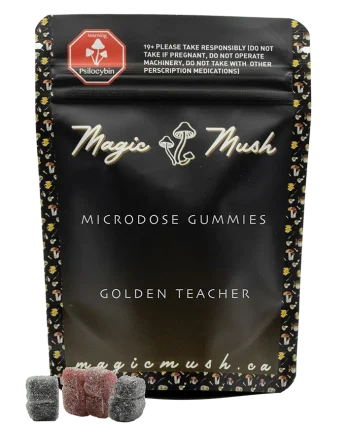
Price range: $60.00 through $240.00Golden Teacher Gummies for Microdosing
$25.00


Step 2: Keep It Personal, Not Preachy
People don’t respond to pressure—they respond to stories. That’s something I learned the hard way. In my early mushroom enthusiasm, I came off a little intense. I’d list all the benefits, quote all the studies, throw in ancient history references like I was writing a college paper. And my audience? Mostly tuned out.
What finally worked was keeping it human. Relatable. Real. One day, talking with a friend who struggles with anxiety, I said something like, “You know how you feel when your brain won’t shut up, and it’s just spinning with stuff you can’t control? I used to feel like that every day. And when I started microdosing, I didn’t feel ‘high’—I just felt like I had a little more space between thoughts. Like I could breathe again.”
That landed. Because it wasn’t about what mushrooms do in the abstract. It was about what they did for me. No preaching, no pressure—just truth.
Step 3: Share the Science (Lightly)
You’re not giving a TED Talk. You’re having a conversation. But a few well-placed facts can really shift the energy, especially for people who need something concrete.
For example, if someone raises the classic “Are shrooms bad for health?” concern, you can gently offer that psilocybin is actually considered one of the least harmful psychoactive substances, especially when compared to alcohol or prescription drugs. You can mention that it’s being studied for PTSD, treatment-resistant depression, end-of-life anxiety, and more. It’s non-addictive. It’s being decriminalized and even legalized for therapeutic use in places like Oregon, Colorado, and parts of Canada.
And if they hit you with one of those old-school myths—like “Shrooms fry your brain”—don’t get defensive. Ask a question instead. Something like, “That’s interesting—have you ever read any of the recent research on it?” Curiosity opens more doors than confrontation. The goal isn’t to win—it’s to keep the door open.
READ: More Parents Take Psychedelics Than You Think
Step 4: Introduce Microdosing Without the Woo
One of the best entry points into the mushroom conversation is microdosing. It strips away the psychedelia and focuses on functionality. And let’s be real: people love things that make them feel sharper, calmer, and more productive—without the rollercoaster of a full-blown trip.
So when you say things like, “Yeah, some of the most grounded, high-functioning people I know are microdosing,” that gets attention. Especially when you clarify that it doesn’t involve visuals or ego death—just a subtle shift in mood and awareness. Executives are doing it. Therapists are doing it. Parents are doing it. Not because they want to hallucinate through soccer practice, but because it helps them stay present, patient, and emotionally balanced.
Frame it as a wellness tool, not a spiritual quest—unless, of course, the person you’re talking to is already spiritually inclined. Meet them where they are, always.
Step 5: Let the Conversation Breathe
This might be the most important part: don’t try to say everything at once. Let the conversation breathe.
Sometimes, after you’ve shared your story or dropped a couple of insights, the best thing you can do is leave space. Let them sit with it. Let them process. You might not get a lightbulb moment in that conversation—but two weeks later, you might get a text that says, “Hey, remember what you said about mushrooms and anxiety? Can you tell me more?”
I’ve had this happen more times than I can count. You think the conversation went nowhere—and then boom, it blooms later. People need time. Your job isn’t to convince them. It’s to be a trustworthy, honest voice they can come back to when they’re ready.
READ: Can You Overdose on Psilocybin? What Science (and Psychonauts) Say
Ready to Talk Shrooms? Let Magic Mush Help You Start the Conversation
Talking to your loved ones about magic mushrooms isn’t easy—but it’s worth it. Whether you’re navigating fear, misinformation, or cultural taboos, remember that this isn’t about persuading people to trip—it’s about sharing your truth. From understanding the emotional weight of the conversation to choosing the right moment and keeping things personal rather than preachy, we’ve walked through every step that helps bridge the gap between experience and understanding. Microdosing often serves as a relatable entry point, while science and cultural history can offer credibility and context. Most importantly, we’ve learned that this kind of dialogue works best when it grows organically—when we plant the seed and give it space to sprout.
Magic mushrooms have never just been about “getting high.” They’re about healing, reflection, and connection—an ancient tool that’s finding a new voice in our modern world. If you’ve experienced their impact firsthand, you already know how profound that shift can be. And if you’re ready to bring your friends and family into that understanding, this article has hopefully given you a roadmap for that journey. Just like a mushroom trip, these conversations don’t follow a straight line—but they often lead somewhere beautiful.
That’s where Magic Mush comes in. As a trusted source for premium magic mushrooms in Vancouver, we don’t just sell high-quality products like dried magic mushrooms and shroom gummies. We offer education, support, and community. Whether you’re brand new to psychedelics or already deep into your journey, our team is here to guide you every step of the way. We believe in safe, intentional use, and we’re proud to back our offerings with rigorous testing and a deep commitment to quality and care.
At Magic Mush, we’re more than just a shop. We’re on a mission to destigmatize magic mushrooms and empower people to explore their therapeutic and spiritual potential. From our educational resources to our seamless shopping experience and discreet customer service, we make it easy to take that next step—whatever that looks like for you. Whether you’re microdosing for focus, exploring deeper healing, or simply curious about what’s possible, we’re here to help you feel informed, supported, and inspired.
So if you’re ready to continue this journey or help someone else start theirs, trust Magic Mush to walk with you. Dive into our carefully curated selection, explore our learning tools, and discover why so many Canadians are choosing Magic Mush as their go-to partner in the psychedelic space.