There I was, curled up on my bedroom floor, shaking like my body had its own mind, sobbing so hard I thought my chest might collapse. My head felt like it was splitting, my heart racing, my stomach twisting in ways that made me nauseous. Panic, heartbreak, and a kind of raw, animal grief had rolled over me all at once, and I was drowning in it. Every breath felt like inhaling fire, and yet I couldn’t stop. The only thing I could think was: Get out of this. Please, get out of this.
And yet, for the first time in a long while, a tiny, trembling part of me wondered: What if the goal isn’t to escape the wave, but to learn how to hold it gently?
I’d always believed that big emotions were something to fight, to push away, to suppress before anyone else could see the chaos inside me. But in that moment, I decided, with shaky hands and a quivering heart, to stay. I allowed myself to sit with the intensity instead of running. I noticed the heat in my chest, the trembling in my legs, the tears on my cheeks. I tried a shaky breath in, a slow breath out, and whispered, “I see you. I’m here.”
It didn’t make the emotion vanish. It didn’t erase the grief or fear. But for the first time, I wasn’t drowning. I was floating. And the difference? The difference was everything.
🍄Discover my guide on how to set healthy emotional boundaries without building walls that block connection and growth

Why Big Emotions Feel Like They Might Swallow You Whole
Emotions are like waves. Big ones can crash over you, seemingly endless, and the instinct is to resist, brace, or fight. When they hit hard, your nervous system—your body’s own survival mechanism—kicks into overdrive. That’s the fight, flight, freeze response in action. Your heart races, your thoughts scatter, your muscles tense. The sheer intensity of it feels like too much, like your body is betraying you, and often, we respond by trying to escape the feeling entirely.
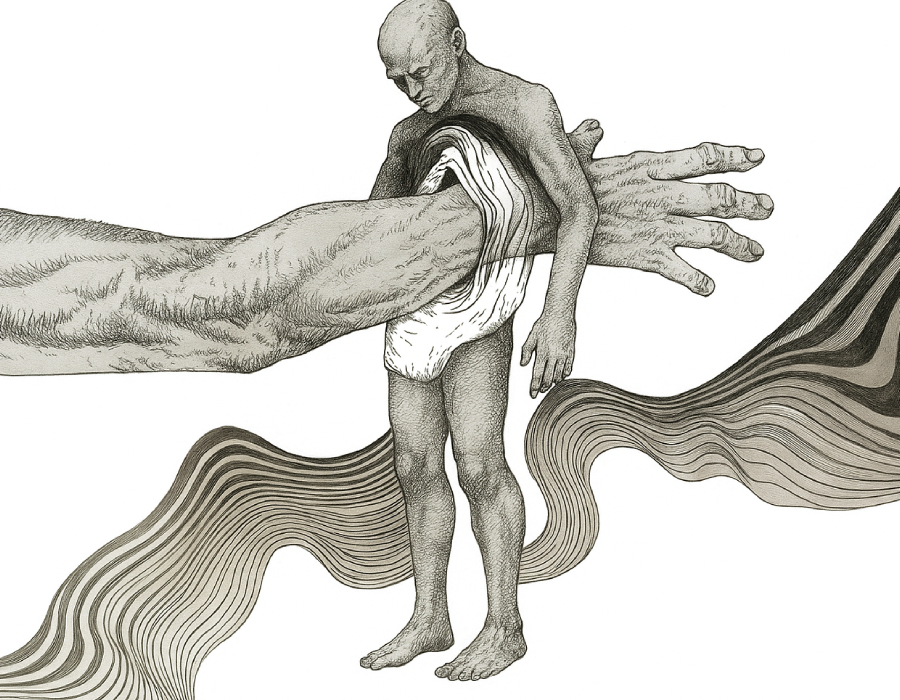
But here’s the paradox: you survive these waves not by escaping them, not by bracing against them, but by softening into them. By expanding your “window of tolerance,” you build the capacity to hold emotions without letting them break you. This isn’t about control. It’s about presence. Emotional holding is a skill, one you can practice and grow, not a magic trick that suddenly erases sadness or rage.
Learning to stay with big emotions is like learning to float in choppy water. You might thrash and gasp at first, but over time, you notice the way the wave lifts you, carries you, and eventually, lets you down gently.
How to Make Space Inside So Your Emotions Don’t Push You Outside Yourself
When emotions come roaring, they want your entire attention—and often, they take it by force. One way to practice holding them is to imagine creating a container around the feeling. I like to visualize a soft, glowing box inside me, big enough to hold the grief, rage, or panic. I don’t merge with it, I don’t try to push it away—I hold it, let it exist, and watch it move.
This mental container gives your mind a boundary, a kind of gentle reassurance that the feeling is temporary, manageable, and safe to be here. You’re not trying to fix the emotion; you’re just giving it a place to exist while you remain yourself. It’s surprisingly calming to realize you can be with the emotion without being consumed by it.
🍄Check out my complete guide on psilocybin microdosing and learn how it can support emotional well-being, balance, and personal growth

How to Anchor Yourself in Your Body Like It’s Your Safety Net
Big emotions can scatter your attention and make you feel untethered. That’s why grounding tools are lifesavers. Breath is the simplest anchor: slow, intentional inhales and exhales remind your nervous system that you’re alive and present. Pressing your feet into the floor or feeling the texture of a chair beneath you can create a physical reminder that your body is here, sturdy and supporting you. Cold water on your face or hands, naming five things you see around you, or feeling a soft blanket can all act as tiny but powerful anchors, reminding you that you’re in your body, not lost in the storm.
The more you anchor, the more you realize that your body is not your enemy—it’s a vessel, carrying you through the waves with resilience and strength you often forget you have.
How to Remind Yourself That This Too Shall Pass Without Minimizing What You Feel
It might sound trite, but saying, “This will pass” in the middle of a big emotional storm is surprisingly effective. Big feelings are intense but temporary. Like waves, they rise, peak, and eventually subside. Reminding yourself of this truth, over and over, helps reduce the panic. It’s not about minimizing what you feel or pretending the emotion isn’t real—it’s about remembering that intensity is temporary, and you can survive it.
Even if you feel like you’ve been underwater for hours, the reminder that the storm has an edge helps you breathe, stay present, and trust your capacity to float instead of sink.
How to Speak to Yourself With Compassion Because You Deserve Kindness in the Midst of Chaos
Here’s something most of us forget: when emotions rage, we tend to criticize ourselves, adding guilt, shame, or anger to the mix. Instead, try gentle, compassionate self-talk. Say, “Of course this is hard. I’m allowed to feel this.” “I’m doing my best.” “I can handle this, even if it’s uncomfortable.” These phrases act like emotional cushions, softening the blow of the intensity. Compassion is not weakness. It’s a buffer that allows you to hold what’s coming without breaking under it.
Think of it like being a kind coach to yourself in the middle of an extreme emotional workout. Your words shape how your body and mind experience the wave. And when the storm passes, you’ll notice you’ve survived without harsh self-criticism, which is a kind of victory in itself.
Check out this magic mushroom!!

A.P.E Psilocybin Chocolate Bar
$60.00Dried Penis Envy Magic Mushrooms
Price range: $60.00 through $240.00Golden Teacher Gummies for Microdosing
$25.00


How to Practice in Small Doses Because You’re Building Capacity, Not Expecting Mastery Overnight
Emotional holding is a skill, and like any skill, it improves with small, deliberate practice. Start with minor discomforts—feel frustration when traffic slows down, or allow yourself to feel embarrassment without immediately diverting or numbing it. Slowly, these small exercises expand your window of tolerance.
You’re not looking for instant mastery, and that’s okay. Each time you allow yourself to feel, each time you hold an emotion instead of fleeing, you’re training your nervous system. Over time, the small practices accumulate, and when a truly big wave hits, you have more resilience, more confidence, and more calm within you.
Why Psychedelic Experiences Can Teach You More About Emotional Holding Than You Think
Psychedelics, including microdosing practices, have a way of surfacing deep emotions you might not even know were hiding. Joy, grief, fear, shame—they can all arise with a clarity and intensity that feels almost too much to bear. Without tools to anchor and hold yourself, the experience can become overwhelming, even frightening.
Having grounding techniques ready—breath, body awareness, safe companions, sensory anchors—transforms the experience. Instead of being pulled under, you can float through, witness, and integrate. Microdosing is a gentle rehearsal for this emotional holding: small waves you practice riding between the larger tsunamis, slowly building capacity without needing to confront overwhelming intensity every day.
Integration is key. The emotions that surface during a journey need attention afterward. Ignoring or pushing them down only leads to bottling, which increases intensity next time. By sitting with your feelings afterward—journaling, talking with a trusted friend, or doing somatic work—you honor the emotions, process them, and build your resilience.
🍄Explore my guide on recognizing and healing emotional trauma in adults and learn practical steps to start the journey from within
Resources and Approaches That Can Support Your Journey With Big Emotions
If you want to explore these concepts further, there’s a wealth of tools, practices, and research that can help. The “window of tolerance” model by Dan Siegel is foundational, helping you understand the range of arousal your nervous system can handle. Somatic approaches from Peter Levine and trauma-informed care teach how the body stores and releases emotion safely. Gabor Maté’s work illuminates the dangers of repression and the importance of emotional presence.
Emotional regulation practices—like breathwork, shaking, sensory grounding, or co-regulation with a safe companion—help you stay present when intensity rises. Shadow work, microdosing, and intentional journaling offer pathways to explore, process, and integrate big emotions into your daily life. The combination of these methods slowly builds emotional capacity, letting you navigate life with more stability, insight, and self-compassion.
Staying With Big Feelings Until They Soften, Not Disappear
The ultimate practice is simple in theory but challenging in application: stay with the feeling until it softens. This doesn’t mean it disappears entirely, and it doesn’t mean you should expect perfection. It means holding the wave without trying to crush it, judging it, or escaping it. Imagine sitting with a storm cloud on your shoulder—not trying to blow it away, just letting it move until it dissipates on its own.
Over time, this practice transforms your relationship with emotion. You no longer fear being overwhelmed because you’ve discovered that you can float, even when the waves are high. Your nervous system learns that intensity is survivable. Your mind learns that microdosing with presence is powerful. And your heart learns that compassion, patience, and gentle attention are enough to carry you through even the most turbulent moments.
Next Time a Big Feeling Rises, Try Saying, “You’re Safe Here. I Can Hold You”
Next time a wave of grief, panic, rage, or shame rises, try this: pause, breathe, place your hands on your body if it helps, and say quietly, “You’re safe here. I can hold you.” You don’t have to fix the feeling. You don’t have to disappear it. You only have to remain grounded, present, and compassionate with yourself.
The goal isn’t to become unshaken. The goal is to become the ground under the waves—a steady presence, a calm center, a witness who can float through the storm and emerge on the other side, intact, alive, and stronger than before. Over time, holding your emotions this way becomes second nature. You’ll notice that life’s highs and lows are no longer threats but invitations to practice presence, resilience, and self-compassion.
Emotions, no matter how big, are temporary. You have the capacity to hold them. You have the ability to witness them. And you have the power to emerge from each wave not only surviving but growing, learning, and thriving.
🍄Discover my guide on how to handle unexpected emotions during microdosing and learn strategies to process and integrate them safely

Ready to Embrace Your Emotions with a Little Help from Magic Mush Canada?
By now, you’ve learned that big emotions aren’t something to run from—they’re waves to float through, not storms to fight against. From creating space inside yourself, anchoring in your body, and practicing small doses of emotional exposure, to speaking with compassion and remembering that “this too shall pass,” each technique builds your capacity to stay present without drowning. We’ve explored how emotions surge, peak, and eventually soften, and how holding them gently can transform your relationship with yourself and the world.
We’ve also looked at how psychedelics and microdosing can surface intense emotions, giving us opportunities to practice emotional presence in a safe, supportive environment. Whether it’s through grounding exercises, journaling, or learning from your nervous system’s signals, emotional holding becomes a skill that grows with each moment of mindful attention. It’s about being steady under the waves, not trying to erase them, and creating a life where even the hardest emotions can be felt and integrated.
This is where Magic Mush Canada comes in. We see ourselves as part of your journey—a buddy who’s been there, who knows the ropes, and wants to make sure your experience is safe, approachable, and empowering. We provide high-quality dried magic mushrooms and guidance so you can explore emotional and psychedelic experiences without unnecessary stress. Think of us as a friend saying, “We’ve got you—let’s navigate this together,” as you take those first steps into a transformative adventure.
And the best part? We make sure you feel empowered, informed, and ready to grow. With Magic Mush Canada, you get quality products, privacy, and support from people who genuinely care about your experience. Whether you’re dipping a toe into microdosing or exploring deeper psychedelic journeys, we’re here with you every step of the way. Take a breath, feel the wave, and let Magic Mush Canada guide you through it. Shop with us, join the community, and be part of a movement that’s opening doors to the magic of psychedelics while challenging stigma across Canada.