I was halfway through washing the dishes when I realized I’d been humming the same song for ten minutes. No phone, no racing thoughts, no mental to-do list pulling me in a dozen directions at once. Just warm water, the smell of soap, and the gentle clink of plates in the sink. For the first time in a long time, I felt truly present in the moment. It wasn’t dramatic, not the kind of euphoric revelation I’d imagined when reading about psychedelics online. It was subtle, almost imperceptible, like a soft undercurrent threading through my awareness. Yet it hit me with clarity: maybe this microdosing thing was actually working. That small, quiet moment of presence—the kind you can’t force, only notice when it shows up—was proof enough for me.
Before I started microdosing, presence was more of a concept than a lived experience. I knew it existed, I could see it in other people, but I had little access to it myself. My days felt fractured, split between obligations, screens, and a restless mind that never seemed to pause. Even my attempts at mindfulness—meditation, yoga, guided breathing—felt performative, like I was going through the motions rather than inhabiting my body or my surroundings. The irony wasn’t lost on me; I wanted to slow down, but I couldn’t find the brake. So I turned to microdosing capsules, hoping it might serve as a gentle nudge, a reminder of what it felt like to actually inhabit the present without demanding or forcing it.
🍄 Experience the magic of microdosing with chocolate and discover how this sweet ritual can enhance your mind and mood
Let Me Take Back to How Life Felt Before I Decided to Try Microdosing for Presence
Before I began microdosing, my baseline was distraction, restlessness, and a kind of low-grade anxiety that hovered just beneath my consciousness. My mornings started with my phone in hand, scrolling endlessly through emails and news, as though waking my brain required a flood of external stimuli. By mid-afternoon, I was juggling half-completed tasks, emails, and household chores, rarely finishing any of them fully. Even my evenings, which I hoped would be restorative, often involved replaying every awkward exchange or misstep from the day, leaving me tired but strangely unsettled. It wasn’t extreme stress or anxiety; it was the constant feeling that I wasn’t fully inhabiting any part of my own life.
I had tried other approaches to presence. Meditation apps filled my phone, but half the time I would drift off mentally, planning dinner or worrying about the next day. Yoga classes offered brief moments of awareness, but by the final poses, my mind had wandered to everything I had neglected that day. Even when I tried walking mindfully or sitting quietly with a cup of tea, I felt a tug back into distraction, a pull toward screens, tasks, or internal chatter. It became clear that traditional methods alone weren’t cutting it. I needed a tool—or rather, a catalyst—that could gently guide me back to myself without forcing it. That’s where microdosing entered the picture, not as a cure or a magic pill, but as a subtle reminder of what it felt like to truly be present.
I remember one evening vividly. I sat on my balcony, a cup of chamomile tea in hand, watching the sun dip behind the trees. I tried to focus on the colors, the slight chill in the air, the taste of the tea. And yet, my mind immediately began replaying my to-do list for tomorrow. It was frustrating, this constant tug between wanting to be present and being pulled away. That evening encapsulated exactly why I turned to microdosing shroom gummies: I wasn’t chasing creativity or productivity; I was chasing the ability to live my life moment by moment without my mind hijacking the experience.
How I Actually Started Microdosing Without Feeling Like I Was Taking a Leap Into the Unknown
Starting microdosing was a deliberate process. I spent hours reading, learning about different schedules, doses, and strains, particularly leaning on James Fadiman’s protocol as a guide. I chose a conservative psilocybin microdose, small enough not to interfere with daily responsibilities but potent enough to influence awareness. My goal wasn’t to have hallucinatory experiences or mystical revelations—it was simply to explore my own capacity for presence, to notice the subtleties of daily life with slightly more clarity and attention.
I set clear intentions before even taking my first dose. I journaled about what I hoped to notice: more patience in conversation, less internal distraction, an ability to feel fully in the moment without obsessing over past or future events. I also committed to documenting my experiences without judgment, knowing that the changes I sought would be subtle and gradual. The first week brought a mixture of curiosity, excitement, and doubt. Some mornings I didn’t notice any difference at all, and I worried that maybe it was placebo, or that I was overthinking the process. Other times, I caught myself lingering over the taste of my morning coffee or noticing the texture of the countertop while doing dishes. These small observations became proof points, gentle nudges that something was shifting, even if imperceptibly.
The process also involved creating a routine that supported reflection and awareness. I journaled twice daily, noting my moods, attentiveness, and any moments of unusual clarity. I reminded myself not to obsess over “results,” because microdosing isn’t a linear experience. Some days I felt nothing; other days, the subtle shifts accumulated into noticeable moments of presence. The key, I realized, was consistency, patience, and the willingness to notice the little things without expecting fireworks.
🍄 Feeling stuck with your microdosing? Here’s how to tweak your approach and get the results you’ve been hoping for

The Signs It Was Working
The changes didn’t announce themselves dramatically. They were quiet, slow, and often arrived unbidden. I started noticing more patience in conversations, listening without immediately formulating responses or judgments. When walking outside, I began observing birds, the subtle patterns of leaves, the way sunlight fell on the sidewalk. Even minor irritations felt less magnified; I responded rather than reacted. These weren’t moments of exhilaration—they were moments of engagement, of truly inhabiting experience.
One morning, I realized I had spent nearly twenty minutes watching a neighborhood cat chase leaves in the wind, and I hadn’t felt the urge to check my phone even once. Another evening, I found myself laughing more freely during a phone call with a friend, noticing her expressions and pauses rather than planning my own next words. These moments became proof points, gentle confirmations that the microdose wasn’t doing anything magical in itself—it was creating the mental space for me to access awareness I had always had but often overlooked.
I also noticed changes in my internal dialogue. Instead of ruminating on mistakes or projecting future worries, I began acknowledging thoughts and letting them pass without attachment. It was subtle, like watching clouds drift across the sky rather than trying to grab onto them. I didn’t feel euphoric or altered; I felt present, alert, and gently attentive. Over time, these moments of presence stitched together, forming a thread that ran through my daily life. The effects were quiet rewiring, less like a spotlight and more like a dim light gradually brightening a room I hadn’t realized was dark.
Integration Into Daily Life
As the weeks went by, presence began to feel less like a conscious effort and more like a natural part of my days. Even on non-dosing days, I noticed small moments of awareness: savoring the texture of my morning toast, feeling the weight of my feet on the floor, listening fully during conversations without distraction. Supporting practices helped reinforce these gains. Journaling allowed me to reflect on subtle shifts, and limiting phone time prevented my attention from fracturing. Mindful walks became a cherished ritual, giving me repeated opportunities to practice being present without pressure.
I also learned to trust the process, understanding that microdosing isn’t a tool for instant results. Some days I felt completely absorbed in the moment; others, the mind wandered. Both were acceptable. The key was noticing without judgment, allowing awareness to emerge naturally rather than forcing it. Over time, these small practices coalesced into a lifestyle shift. Presence wasn’t something I achieved; it was something I allowed to inhabit my life gradually, gently, and consistently.
I remember a particular afternoon when I was folding laundry, absentmindedly humming along to a song. The sun filtered through the window, casting patterns across the clothes. I felt my mind settle into the rhythm of the task, aware of the textures, sounds, and movement. In that moment, presence wasn’t an achievement; it was a companion, quietly walking beside me, reminding me that life is composed of these small, vivid fragments if we only notice.
Check out this magic mushroom!!

A.P.E Psilocybin Chocolate Bar
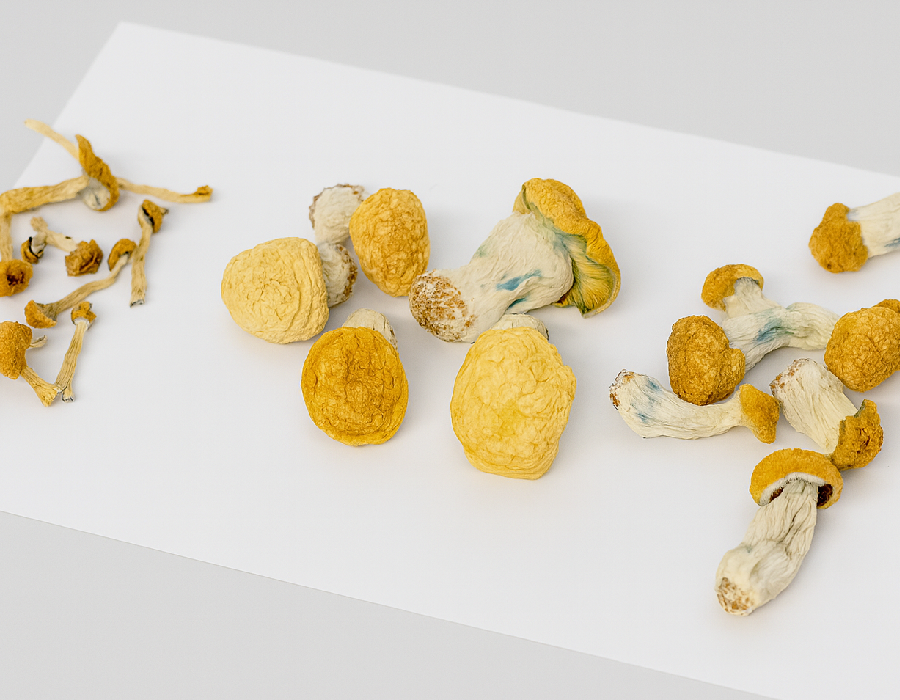
$60.00Dried Penis Envy Magic Mushrooms
Price range: $60.00 through $240.00Golden Teacher Gummies for Microdosing
$25.00


Microdosing Helped Me Recognize My Presence
Months into this journey, I recognize that microdosing didn’t give me presence; it reminded me how to access it. The benefits are quiet, subtle, and deeply human. I catch myself lingering over a cup of tea, noticing the sound of rain against the window, or fully engaging with a friend’s story without internal distraction. These moments, mundane yet profound, have become touchstones of my everyday life. Presence isn’t dramatic—it doesn’t announce itself with fireworks. It lives in the soft clink of dishes, the texture of a breeze on your skin, the attentive gaze of a loved one.
Looking back, I realize that microdosing was less about altering reality and more about altering my relationship to it. It served as a gentle catalyst, nudging me to notice, to inhabit, and to engage. And in doing so, it reminded me of a truth that had always been there: presence isn’t something to chase; it’s something to welcome, moment by moment, breath by breath, in the quiet rhythms of ordinary life. Those small, vivid experiences—the humming, the sipping, the listening—are proof enough that the mind can learn to slow down, pay attention, and inhabit the beauty of now, one subtle shift at a time.
🍄 Unlock the full potential of microdosing by learning why strategic breaks are your secret weapon

Ready to Explore Microdosing and Mindfulness? Let Magic Mush Canada Be Your Guide
Looking back, the journey I’ve shared here is all about noticing the little things—the moments of quiet presence that often slip by unnoticed. Microdosing didn’t suddenly make me enlightened or dramatically change my life overnight. Instead, it nudged me into paying attention, helped me slow down, and made those everyday experiences—doing dishes, sipping tea, walking outside—feel fuller and more vivid. The subtle shifts, like being more patient in conversations or noticing the texture of sunlight on my skin, were proof that presence isn’t about big, flashy moments—it’s about consistently showing up for yourself and your life, one small observation at a time. By approaching microdosing with intention, journaling, and reflection, I discovered that the real magic wasn’t in the mushroom; it was in learning to inhabit my own life more fully.
Through this process, I’ve realized that microdosing can be a gentle catalyst for mindfulness, but having the right support, guidance, and quality products makes all the difference. The small, quiet changes become more meaningful when paired with trustworthy sources and clear intentions. It’s about cultivating awareness in a safe, thoughtful way, letting presence grow organically, and enjoying those tiny, often overlooked moments that truly make life feel alive.
This is where Magic Mush Canada comes in. If you’re curious about exploring microdosing for mindfulness or just want to dip your toes into the world of magic mushrooms, these folks are like your knowledgeable buddy who’s got your back. They provide premium products, clear guidance, and a supportive community so you don’t have to feel lost or overwhelmed. I’ve found that having access to their high-quality mushrooms and practical advice makes experimenting safe, approachable, and actually enjoyable.
At Magic Mush Canada, it’s not about fancy corporate jargon—they talk like someone who’s been there, tried it, and wants you to have a positive experience too. Whether it’s helping you pick the right strain, explaining microdosing schedules, or just answering all those little questions that pop up in your head, they make the process feel simple and personal. You’re not just buying mushrooms; you’re getting support, education, and reassurance that your journey toward presence and mindfulness is in good hands.
So, if you’re ready to see what subtle shifts in awareness might look like for you, I’d honestly recommend checking out Magic Mush Canada. They’ve got the products, the expertise, and the friendly approach that makes exploring microdosing less intimidating and more meaningful. Plus, with their easy online shopping, privacy, and customer support, it feels like a no-brainer to get started. Dive in, stay curious, and see how these little nudges can help you experience the everyday a bit more vividly—just like I did.