We often imagine spirituality as this serene, untouchable mountain — always calm, bathed in light, untouched by storms. At least, that’s what I thought for the longest time. I pictured the “spiritual person” as someone who floated through life without ever getting upset, sad, or anxious. But let me tell you, real spiritual growth rarely comes wrapped in a soft, quiet blanket of peace. For me, the breakthrough didn’t come while meditating in a sunlit room with perfect posture. It came during a messy night when grief, frustration, and fear all collided at once, and I finally let myself feel them fully.
For years, I believed that being “spiritual” meant always being serene, no matter what life threw at me. Whenever anger flared, or sadness flooded me, I felt like I was failing, like I wasn’t enlightened enough. I’d try to bypass the emotions — distract myself with meditation, affirmations, or spiritual reading — but the feelings always came back, bigger and more stubborn than before. It wasn’t until I allowed myself to cry, rage, and grieve without judgment that I realized spirituality isn’t about escaping the human experience. It’s about embracing it, even when it’s uncomfortable, even when it hurts.
🍄Explore my guide on setting healthy emotional boundaries and learn how to protect yourself without shutting others out

Let’s Break The Myth: Spirituality Isn’t About Constant Calm, And That’s Okay
Modern wellness culture has a funny way of selling us the idea that being spiritual is synonymous with endless positivity and perfect emotional control. Instagram posts show people meditating on mountaintops, smiling serenely as the wind tousles their hair. You see endless quotes about “good vibes only” and “manifesting joy,” and it can make you feel like if you’re experiencing anger, grief, or fear, you’re doing spirituality wrong.
But here’s the thing: emotional waves are normal, and they’re vital. Neuroscience confirms this. Our emotions are not random glitches; they’re signals from our nervous system, messages about our boundaries, needs, and inner states. When we suppress them, we disconnect from ourselves, from our authenticity, from the very essence of being alive. Real spirituality doesn’t require denying what’s alive in you. It asks that you meet your emotions with presence and curiosity, not judgment.
Why “Spiritual Bypassing” Might Be Sneakily Sabotaging Your Growth
There’s a term coined by psychologist John Welwood called “spiritual bypassing.” Essentially, it’s when spiritual practices are used to avoid dealing with unresolved emotional pain. Meditation becomes a tool for running away. Positive affirmations turn into walls hiding grief. And this avoidance, while it may feel safe in the short term, actually delays growth and healing.
I’ve personally fallen into this trap more times than I can count. I remember one week in particular, when a breakup hit me harder than I expected. I spent hours chanting mantras and trying to “rise above it,” thinking tears were a sign of weakness. But the tears were trying to tell me something — about loss, about longing, about love I hadn’t fully honored. The moment I finally allowed myself to sit with the grief, without trying to change it, I felt an expansion, a depth of understanding I couldn’t have reached by bypassing it.
🍄Check out my guide on recognizing and healing emotional trauma in adults and learn how to start the journey of recovery from within
Real Spirituality Is About Wholeness, Not Perfection
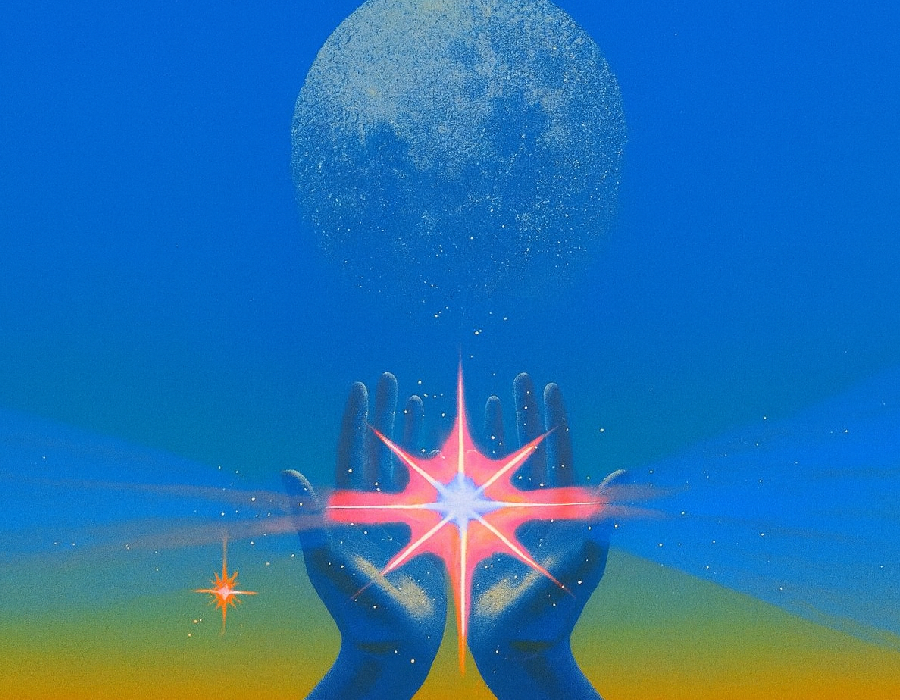
Here’s a little secret that took me ages to accept: true spirituality embraces the full spectrum of human experience. Light and dark, grief and joy, fear and wonder — all of it belongs. There’s no sacred badge for never feeling anger. There’s no enlightenment certificate for skipping past sadness. Wholeness, not perfection, is the aim.
When we stop resisting, we open a space where even the hardest emotions can transform us. Anger can teach boundaries. Grief can deepen empathy. Fear can reveal what we truly value. In this sense, emotions aren’t obstacles to spirituality — they’re fuel for it.
The Magic of Emotional Alchemy: Turning Hard Feelings Into Growth
When we meet emotions with presence, they can become a form of alchemy. I once spent a night in what felt like pure panic, waves of anxiety crashing over me relentlessly. But instead of trying to fight it, I focused on my breath, felt the trembling in my body, and let it exist without labeling it as “bad” or “wrong.” By the morning, I noticed something amazing: a sense of clarity, insight, and even compassion for myself that had been absent before. The very emotion I feared became a teacher.
This is what I call emotional alchemy — the ability to transform pain into insight, frustration into motivation, grief into connection. It’s not easy, and it’s not instant, but it’s real. And it’s the heart of what makes spirituality alive rather than ornamental.
Feeling Isn’t A Sign You’re Backward Or Failing — It’s A Signal You’re Healing
Let’s be clear: emotional waves do not mean you’re “back at square one.” They often indicate that deeper layers of healing are surfacing. When grief, anger, or fear arise, they’re signaling that there’s something worth paying attention to. I’ve personally noticed that every time I allow myself to feel fully, it’s like peeling off a layer of armor I didn’t know I was wearing. It’s messy, yes. It’s uncomfortable, absolutely. But it’s also proof of life, proof of engagement, proof that transformation is happening.
Check out this magic mushroom!!

A.P.E Psilocybin Chocolate Bar
$60.00Dried Penis Envy Magic Mushrooms
Price range: $60.00 through $240.00Golden Teacher Gummies for Microdosing
$25.00



Trying To Bypass Pain Often Makes It Louder
I’ve been guilty of this more times than I’d like to admit: avoiding emotions through the benefits of meditation, affirmations, or even endless journaling, thinking that spiritual practice alone will heal me. What I learned, sometimes painfully, is that the harder you try to bypass pain, the more it festers. Unacknowledged emotions don’t disappear; they go underground, where they intensify and sometimes manifest in unexpected ways — panic attacks, resentment, fatigue, or a general sense of emptiness.
It’s ironic, isn’t it? The very strategies meant to bring peace sometimes create more turbulence. Letting yourself feel, even when it’s uncomfortable, is actually the fastest route to authentic serenity.
Your Nervous System Is Part Of Your Spiritual Practice, Whether You Realize It Or Not
Spiritual growth isn’t just about meditation, affirmations, or cosmic insight. It’s also about your body — your nervous system, your heartbeat, your physical sensations. Emotional regulation, somatic awareness, grounding exercises — these aren’t side practices. They’re spiritual practices. When we ignore the body, we ignore the primary vehicle through which we experience life.
I remember a time during an intense period of therapy when I was asked to simply notice the sensation of my feet on the floor while processing grief. I thought, “How is this spiritual?” But that small act of grounding allowed me to feel without drowning, to be present without shutting down. Spirituality, in its truest form, is embodied, not abstract.
Shadow Work Isn’t Scary — It’s Sacred
Exploring the rejected, wounded, or hidden parts of ourselves — shame, jealousy, anger, self-doubt — is often called “shadow work.” It can feel intimidating, but it’s one of the most sacred spiritual practices there is. Every emotion we’ve been taught to hide holds a key to wholeness. Facing these shadows doesn’t make you less spiritual; it makes you more human, and ultimately, more enlightened.
In my experience, the moments of deepest spiritual clarity often came immediately after confronting uncomfortable truths about myself — the envy I didn’t want to admit, the rage I feared, the grief I tried to run from. Those were the times I felt most alive, most real, and most connected to the sacred thread weaving through existence.
🍄Check out my guide on psilocybin microdosing and learn how it can support emotional well-being, balance, and personal growth
Integration Is Far More Valuable Than Chasing An Ideal
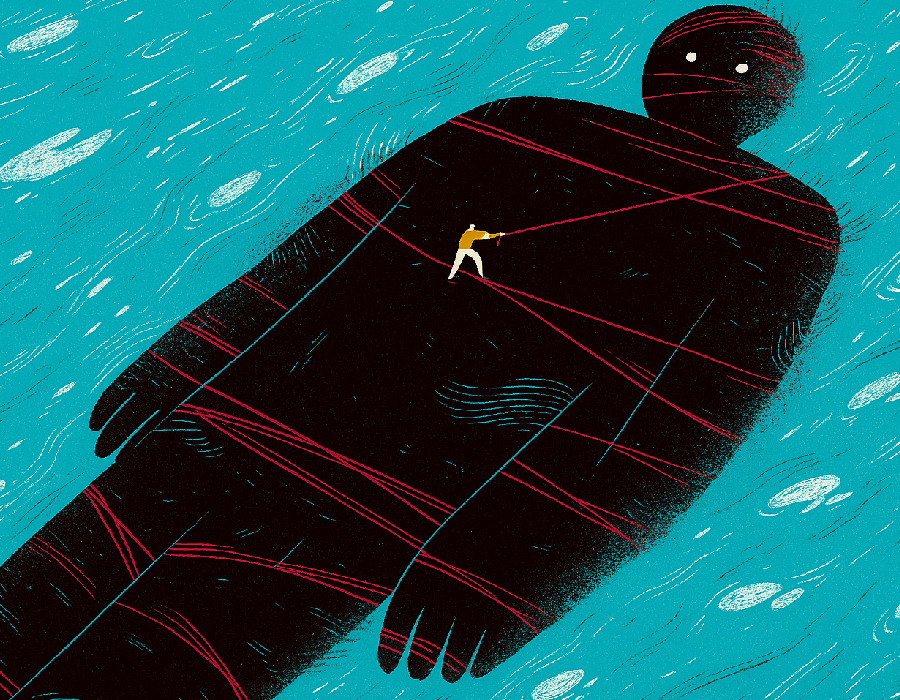
Spiritual maturity isn’t about transcending humanity or achieving a constant state of bliss. It’s about integrating your humanity into your spiritual practice. That means letting emotions in, understanding them, learning from them, and letting them guide you. It means embracing imperfection, contradiction, and vulnerability as essential ingredients of spiritual growth.
I’ve found that when I stop trying to meet an idealized version of spirituality, I feel freer, lighter, and more authentic. My emotions are no longer enemies but allies, messengers guiding me toward love, clarity, and insight.
How Psychedelics And Microdosing Can Help You Befriend Your Emotions
Many people have discovered that psychedelics can act as a sort of emotional magnifying glass. High-dose experiences can open floodgates of suppressed feelings, bringing buried grief, anger, or fear to the surface. Somatic microdosing, on the other hand, provides a gentler approach, allowing emotions to arise without becoming overwhelming.
Psychedelics can soften the ego’s defenses, revealing parts of yourself you’ve hidden even from yourself. When paired with integration practices like somatic therapy, breathwork, or intentional reflection, these experiences can be profoundly transformative. They aren’t a shortcut, but they can make the work of befriending your emotions a little more approachable.
I personally tried microdosing during a period when I was avoiding some deep sadness. The experience didn’t erase the grief, but it gave me the space to sit with it, notice it, and understand it without panic or shame. By the end of the week, I felt more connected to myself than I had in months.
Feeling Deeply Is Not Failure — It’s Proof You’re Alive, And That’s Something To Celebrate
Let’s end with this: feeling deeply isn’t a setback, a regression, or a failure. It’s evidence that you are fully engaged with life, that you are willing to meet yourself honestly. True spirituality doesn’t demand that you transcend your emotions; it asks that you hold them tenderly, listen to them, and let them teach you. It asks that you embrace wholeness over perfection, courage over avoidance, and authenticity over idealization.
Here’s a simple exercise I recommend: pick one “hard” emotion you’ve been avoiding, sit with it for ten minutes in silence, and ask it what it needs instead of trying to fix or escape it. You might be surprised at the insights it offers. Over time, these small acts of emotional presence compound, turning ordinary pain into extraordinary growth, and ordinary life into a sacred practice.
🍄Explore my guide on handling unexpected emotions during microdosing and learn practical ways to process and integrate them safely

How Magic Mush Canada Can Help You Navigate the Messy, Beautiful Stuff
Feeling your feelings deeply isn’t a setback—it’s proof that you’re alive, engaged, and willing to meet yourself honestly. Throughout this article, we’ve explored why spirituality isn’t about escaping the hard parts of life but about leaning into them when you’re ready. From understanding that emotional waves aren’t regression, to recognizing how bypassing backfires, and realizing that shadow work and integration are sacred practices, it’s clear that true growth comes from fully showing up for yourself. Emotions, even the uncomfortable ones, are messengers guiding you toward clarity, compassion, and self-understanding.
We’ve also looked at how psychedelics, including microdosing, can gently help open doors to emotions we might normally avoid. When paired with practices like somatic therapy, breathwork, or intentional reflection, these experiences can teach you to meet your feelings without being overwhelmed. The path isn’t always smooth, but leaning into life’s full range of experiences—light, dark, messy, and everything in between—helps create a spirituality that’s alive, grounded, and real.
This is where Magic Mush Canada comes in. Think of them like that friend who knows the ropes and wants to make sure you explore safely. They offer high-quality products, trustworthy guidance, and a space to learn without judgment. Whether you’re curious about microdosing for emotional clarity or simply want to experience the therapeutic potential of psychedelics, Magic Mush Canada is there to help you do it right.
At Magic Mush Canada, it’s not just about the dried magic mushrooms—it’s about the experience. Their team is passionate about education, safety, and building a community where exploring psychedelics doesn’t have to be stressful or confusing. With carefully tested products and expert advice, they help make your journey smoother and more meaningful. It’s like having a buddy who can guide you toward discovering what’s possible in a safe, supported way.
And the best part? Getting started is simple. With Magic Mush Canada, you can explore from the comfort of home with privacy, easy ordering, and customer support that actually cares. By joining their community, you’ll also be the first to hear about new products, sales, and tips for safe, transformative experiences. If you’ve been waiting for a nudge to explore psychedelics and your own emotional landscape, consider this it—Magic Mush Canada is ready to walk that path with you.