
Turkey Tail mushrooms, or Trametes versicolor, exhibit a fan-like shape with color patterns reminiscent of a wild turkey’s tail feathers. This resemblance is not just a visual curiosity but a distinguishing feature of these widely studied fungi. Found predominantly in wooded areas across various continents, Turkey Tail mushrooms thrive on decaying wood, contributing to nutrient cycling in forest ecosystems.
These mushrooms are esteemed not only for their ecological role but also for their therapeutic properties. Rich in polysaccharides, specifically beta-glucans, Turkey Tail mushrooms are recognized for their potential in modulating the immune system and enhancing antioxidant activity. These properties have sparked significant scientific interest, leading to numerous studies that investigate their potential in oncology and immune support.
This guide aims to detail the biological and ecological characteristics of Turkey Tail mushrooms, their traditional uses in various cultures, and the current scientific research surrounding their medicinal benefits. For enthusiasts of mycology and natural medicine, understanding Turkey Tail mushrooms offers insights into both the complexity of fungal ecology and the potential of natural substances in health applications.
What Is Turkey Tail (Trametes versicolor)?🦃🍄
Turkey Tail mushrooms are a type of polypore fungus that thrives on decaying wood and forest debris. Their name is derived from their appearance—broad, fan-shaped caps with concentric rings of color that mimic the feathers of a wild turkey. But Turkey Tail is more than just a pretty mushroom; it has a fascinating biological makeup and a significant role in both natural ecosystems and traditional medicine.
Appearance and Characteristics
Turkey Tail mushrooms are easily recognizable due to their distinctive features:
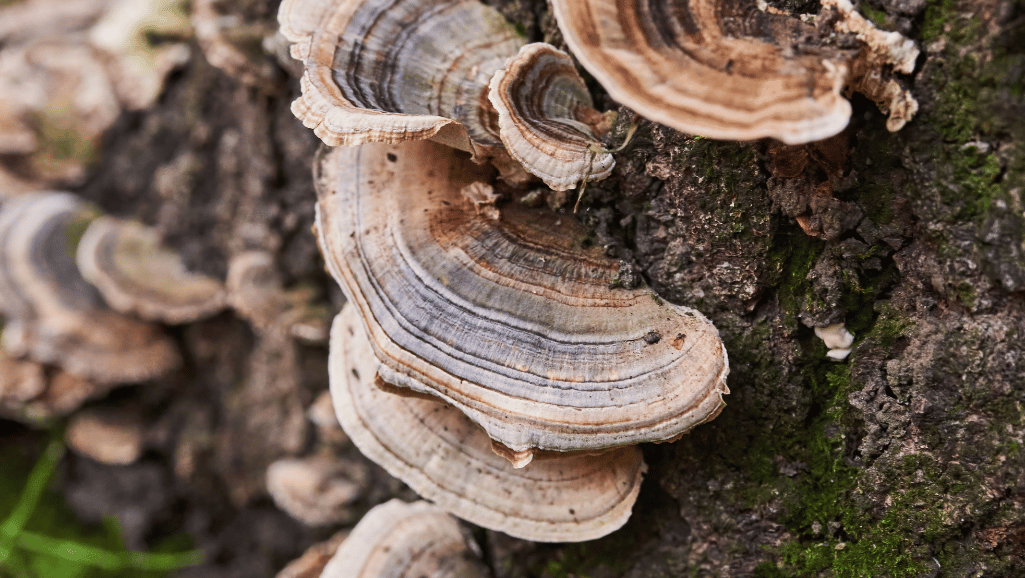
- Shape and Size: These mushrooms typically have a fan-like or semicircular shape. The caps can grow up to 4 inches in diameter and are found in overlapping clusters on decaying wood. The size and shape allow them to cover large areas, forming intricate patterns on their substrate.
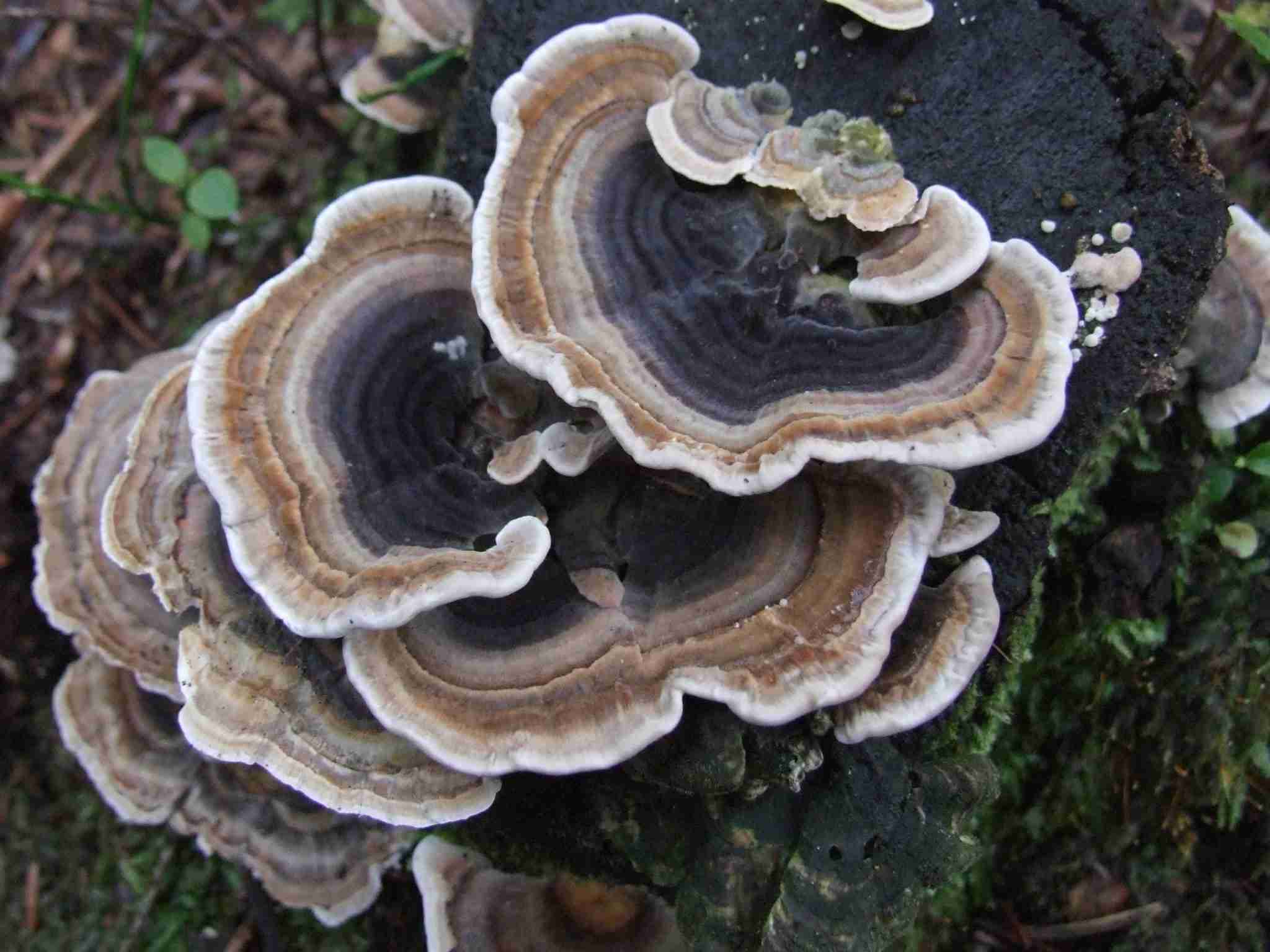
- Coloration: The most striking feature of Turkey Tail mushrooms is their vibrant coloration. The caps exhibit concentric bands of color, including shades of brown, orange, red, yellow, and even blue or green. This vivid coloration gives them their name and makes them stand out in their natural habitat.
- Texture: The texture of Turkey Tail mushrooms is tough and leathery. This makes them less suitable for culinary uses, as they are not particularly palatable when cooked. However, their durable texture makes them ideal for extraction into supplements and teas, where their beneficial compounds can be utilized.

Habitat and Growth
Turkey Tail mushrooms are versatile and can be found in a variety of forest environments:
- Natural Habitat: They are typically found growing on decaying hardwood, such as fallen logs, stumps, and branches. They play a crucial role in breaking down and recycling nutrients from dead wood, contributing to the health of the forest ecosystem.
- Distribution: These mushrooms are widespread and can be found in temperate forests across North America, Europe, and Asia. Their adaptability to different climates and environments makes them a common sight in many forests around the world.
- Seasonality: Turkey Tail mushrooms can be found throughout the year, but they are most commonly seen during the cooler months. Their ability to thrive in various conditions allows them to be a year-round feature in many forest ecosystems.
The Medicinal Benefits of Turkey Tail Mushrooms
Turkey Tail mushrooms are well-regarded for their extensive medicinal properties, thanks to their abundance of polysaccharides, antioxidants, and various bioactive compounds. These mushrooms have been used for centuries in traditional medicine, and modern research continues to validate their health-boosting effects. Below is an exploration of how Turkey Tail mushrooms contribute to overall well-being and immune health.
Check out this magic mushroom!!

A.P.E Psilocybin Chocolate Bar
$60.00Dried Penis Envy Magic Mushrooms
Price range: $60.00 through $240.00Golden Teacher Gummies for Microdosing
$25.00


Immune System Support
A standout feature of Turkey Tail mushrooms is their powerful ability to strengthen and support the immune system. This is largely due to their rich composition of polysaccharides, which are crucial for immune modulation. Polysaccharide-K (PSK) and polysaccharide-peptide (PSP) are two specific compounds found in Turkey Tail that have shown remarkable results in promoting immune cell activity. These compounds enhance the function of T-cells and macrophages, which are essential components of the body’s natural defense system, helping to fight off infections and maintain overall health.
Studies have shown that these polysaccharides, particularly PSK, can enhance the effectiveness of conventional cancer treatments, such as chemotherapy, by boosting the body’s immune response. PSP, on the other hand, has demonstrated the ability to improve immune function and aid in the recovery from a range of illnesses. This combination of immune support and recovery makes Turkey Tail an invaluable resource for maintaining robust health, especially in individuals with weakened immune systems or those recovering from illness.
Antioxidant Properties
In addition to its immune-supporting benefits, Turkey Tail mushrooms are a potent source of antioxidants, which play a critical role in protecting the body from oxidative stress and the damaging effects of free radicals. These antioxidants, including phenolic compounds and flavonoids, help to neutralize free radicals, reducing inflammation and oxidative damage throughout the body.
Regular consumption of antioxidant-rich foods like Turkey Tail mushrooms can significantly lower the risk of developing chronic diseases, such as heart disease, diabetes, and neurodegenerative disorders. The antioxidants found in Turkey Tail also contribute to improved energy levels, healthier skin, and enhanced vitality, making it a valuable addition to a daily health regimen. By reducing inflammation and oxidative stress, Turkey Tail mushrooms help promote longevity and overall well-being.
Gut Health and Digestion
Maintaining optimal gut health is crucial for overall well-being, and Turkey Tail mushrooms offer significant benefits in this area. These mushrooms not only support digestion but also play a role in promoting a healthy gut microbiome, which is essential for both digestive and immune health.
One of the key advantages of Turkey Tail mushrooms is their prebiotic properties. The polysaccharides in these mushrooms serve as prebiotics, substances that nourish and stimulate the growth of beneficial bacteria in the gut. By fostering a healthy balance of gut bacteria, Turkey Tail mushrooms contribute to improved digestion, better nutrient absorption, and overall gut health. A balanced microbiome is essential for preventing digestive issues and promoting smoother, more efficient digestion.
Additionally, a healthy gut is closely connected to a strong immune system. Since a large portion of the immune system resides in the gut, maintaining a balanced microbiome through prebiotics like those found in Turkey Tail mushrooms can enhance the body’s immune defenses. By supporting gut health, Turkey Tail mushrooms help the immune system function more effectively, increasing resilience against infections and illnesses. This dual impact on digestion and immunity makes Turkey Tail mushrooms a powerful ally in maintaining overall health.
How to Identify Turkey Tail Mushrooms in the Wild 🔎
Foraging for Turkey Tail mushrooms can be a rewarding experience, but it requires careful observation and identification skills. Here’s a detailed guide to help you recognize and identify these fascinating fungi in their natural habitat.
Key Identification Features
- Cap Shape and Size: Look for fan-shaped or semicircular caps that can be up to 4 inches in diameter. The mushrooms grow in overlapping clusters, often covering large areas of decaying wood.
- Color Patterns: The caps are characterized by concentric rings of color, including various shades of brown, orange, red, and yellow. Occasionally, you may find Turkey Tail mushrooms with green or blue hues. The colors are arranged in distinct bands, creating a striking visual pattern.
- Texture and Surface: The surface of Turkey Tail mushrooms is tough and leathery. The underside features tiny pores where the spores are released. These pores are typically very small and densely packed.
Where to Find Turkey Tail Mushrooms
Turkey Tail mushrooms thrive in temperate forest environments, typically growing on decaying wood like fallen logs, stumps, and branches. They are particularly common on coniferous wood, making them easy to spot in forested areas with abundant plant debris. These mushrooms are versatile and can be found in various seasonal conditions, although they are most prevalent during the cooler months. Their ability to adapt allows them to flourish year-round in many temperate regions, but autumn and winter are when they are most abundant.
Safety Considerations
When foraging for Turkey Tail mushrooms, proper identification is essential to avoid mistaking them for other fungi species, some of which may be toxic. Turkey Tail mushrooms have distinct features, but to ensure accuracy, it’s important to use reliable field guides, consult with experienced mushroom foragers, or seek expert advice. Understanding the unique characteristics of Turkey Tail mushrooms will help prevent potential risks associated with misidentification.
Foraging should always be done with respect for the environment. Sustainable foraging practices involve collecting only what you need, allowing the remaining mushrooms to contribute to the ecosystem. This mindful approach not only preserves the local biodiversity but also ensures future growth for wildlife and other foragers. Avoid disturbing the surrounding environment, and always be aware of the impact your actions may have on the ecosystem.
The Science Behind Turkey Tail’s Health Benefits 🔬
Understanding the scientific basis for Turkey Tail mushrooms’ health benefits can enhance your appreciation of their medicinal properties. Here’s a closer look at the science behind their effectiveness.
Polysaccharides and Immune Function
- PSK and PSP: Polysaccharide-K (PSK) and Polysaccharide-Peptide (PSP) are the primary bioactive compounds in Turkey Tail mushrooms. PSK, in particular, has been extensively studied for its role in immune modulation and cancer treatment. PSP also contributes to immune support and overall health.
- Mechanism of Action: These polysaccharides work by enhancing the activity of immune cells, such as macrophages and T-cells. They stimulate the production and activity of these cells, which play crucial roles in fighting infections, cancer cells, and other threats to the body.
- Clinical Research: Clinical studies have demonstrated the efficacy of PSK in improving immune responses and supporting cancer treatment. For example, research has shown that PSK can enhance the effects of chemotherapy and reduce recurrence rates in certain types of cancer.
Antioxidant Activity
- Phenolic Compounds: Turkey Tail mushrooms contain phenolic compounds that contribute to their antioxidant activity. These compounds help neutralize free radicals, reducing oxidative stress and inflammation in the body.
- Impact on Health: Antioxidants are essential for maintaining cellular health and reducing the risk of chronic diseases. By incorporating Turkey Tail mushrooms into your diet, you can benefit from their antioxidant properties and support overall health and well-being.
Turkey Tail in Traditional Medicine
Turkey Tail mushrooms have a long history of use in traditional medicine across various cultures. Here’s a look at their historical significance and traditional applications.
Traditional Uses in Asia
- China and Japan: In traditional Chinese and Japanese medicine, Turkey Tail mushrooms have been used for centuries to support overall health and treat various ailments. They are often incorporated into soups, teas, and tinctures for their health benefits.
- Historical Records: Historical texts from these regions describe the use of Turkey Tail mushrooms to support immune function, enhance vitality, and treat conditions such as respiratory infections and digestive issues.
Indigenous Practices
- Native American Traditions: Indigenous peoples in North America have also utilized Turkey Tail mushrooms in their traditional healing practices. They were used in various forms, including poultices and decoctions, to treat ailments and support health.
- Cultural Significance: The use of Turkey Tail mushrooms in indigenous medicine highlights their cultural and historical importance. They are valued not only for their medicinal properties but also for their role in traditional practices and rituals.
How to Use Turkey Tail Mushrooms
Incorporating Turkey Tail mushrooms into your wellness routine can be done in various ways. Here are some practical tips for using these mushrooms effectively.
Culinary Uses
- Soups and Teas: Turkey Tail mushrooms can be added to soups and teas to extract their beneficial compounds. Simmering the mushrooms in water creates a nourishing broth that can be enjoyed on its own or used as a base for other dishes.
- Powders and Extracts: Turkey Tail mushroom powder and extracts are available as dietary supplements. These can be mixed into smoothies, shakes, or other recipes to provide a convenient way to consume the mushroom’s beneficial compounds.
Supplements
- Choosing Quality Supplements: When selecting Turkey Tail mushroom supplements, look for products that provide standardized extracts containing PSK and PSP. Ensure that the supplements are from reputable sources and have undergone quality testing.
- Dosage Recommendations: Follow the dosage recommendations provided on the supplement packaging or consult with a healthcare professional to determine the appropriate dosage for your needs.
Turkey Tail Mushroom Supplements: What to Look For
When choosing Turkey Tail mushroom supplements, it’s important to select high-quality products to ensure you receive the maximum benefits. Here’s what to look for:
Key Considerations
- Standardized Extracts: Choose supplements that contain standardized extracts of Turkey Tail mushrooms, specifically those with known levels of polysaccharides like PSK and PSP. This ensures that you’re getting a product with consistent potency and effectiveness.
- Reputable Brands: Opt for supplements from reputable brands that provide transparent information about their sourcing, manufacturing processes, and quality testing. Look for certifications such as Good Manufacturing Practices (GMP) to ensure product safety and quality.
- Form and Dosage: Turkey Tail mushroom supplements come in various forms, including capsules, powders, and tinctures. Choose the form that best suits your preferences and lifestyle, and follow the recommended dosage instructions.
Potential Side Effects and Considerations
While Turkey Tail mushrooms are generally considered safe, it’s important to be aware of potential side effects and considerations when using them.
Possible Side Effects
- Digestive Issues: Some individuals may experience mild digestive discomfort, such as bloating or gas, when consuming Turkey Tail mushrooms. If you experience any gastrointestinal issues, consider adjusting the dosage or discontinuing use.
- Allergic Reactions: Although rare, allergic reactions to Turkey Tail mushrooms can occur. If you notice any signs of an allergic reaction, such as rash, itching, or swelling, discontinue use and seek medical advice.
Precautions
- Consultation: If you’re pregnant, nursing, or taking medications, consult with a healthcare provider before adding Turkey Tail mushrooms to your routine. This is especially important if you have any underlying health conditions or are undergoing medical treatments.
- Interactions: Be aware of potential interactions with medications, particularly those that affect the immune system. Turkey Tail mushrooms may interact with certain medications, so it’s important to consult with a healthcare professional if you have any concerns.
Conclusion
Turkey Tail mushrooms offer a captivating blend of beauty, tradition, and health benefits. From their striking appearance in the wild to their powerful medicinal properties, these fungi have earned a prominent place in the world of natural wellness. Whether you’re interested in their historical significance, scientific research, or practical applications, Turkey Tail mushrooms provide a wealth of information and potential health benefits.
As you explore the possibilities of incorporating Turkey Tail mushrooms into your diet or wellness routine, consider their impressive array of benefits and the rich history that accompanies them. With their immune-boosting properties, antioxidant activity, and versatile uses, Turkey Tail mushrooms are a valuable addition to the world of natural health.

- Autumn Is a Season of Metabolism - 09/28/2026
- What If Creativity Isn’t Something You Create? - 09/24/2026
- Quick Relief Or Lasting Shift? The Psychedelic Trade-Off - 03/30/2026
