I’ll be honest right from the jump: the first time I ever took a psychedelic alone, I didn’t do it because I was brave, spiritual, or especially prepared. I did it because I didn’t want to perform my experience in front of anyone else. I didn’t want to manage someone’s energy, or worry that I was being “too much,” or have a friend hovering over me waiting for something profound to happen. I just wanted to be left alone with myself, even though I knew that wasn’t what people usually recommend. And if I’m even more honest, that desire for privacy came with a little undertone of guilt — that feeling of I know this might not be ideal, but I just need this to be mine.
It wasn’t epic or cinematic. It wasn’t the trip that made me forgive myself, though it did show me how deeply I craved an unfiltered encounter with my own emotions. What I didn’t realize then is that many people come to psychedelics in moments like this — times of transition, self-doubt, heartbreak, or the lingering ache of grief that quietly leads them to the mushroom without them even realizing that’s what’s happening.
That contradiction — wanting independence while also knowing the risks — is something so many people quietly hold but rarely say out loud. Most psychedelic writing leans heavily on the idea of guides, community, facilitators, or experienced sitters, and many harm-reduction messages stress the importance of not being alone. Yet in reality, countless adults take psychedelics in the privacy of their own spaces. Many have done so for years. And, for the most part, people are not having these conversations because they’re afraid of being judged or lectured.
That’s why this article exists. Not to glamorize solo use, not to shame it, and absolutely not to offer instructions for “how” to do it. Instead, the goal is to explore the question itself — Is there a safe way to trip on your own? — and really sit with its complexity. Because the truth is messy. Safety isn’t a switch you flip. It’s contextual, personal, and sometimes contradictory. And whether your curiosity comes from past experiences, future possibilities, or simple reflection, you deserve a nuanced conversation rather than avoidance or fearmongering.
So let’s get into it — gently, honestly, respectfully — and acknowledge that while so many people prefer privacy, autonomy, and solitude, the idea of “safety” in psychedelics is never absolute.
🧠 Want a smoother trip? This guide shows how to prep your mind and space for psychedelics
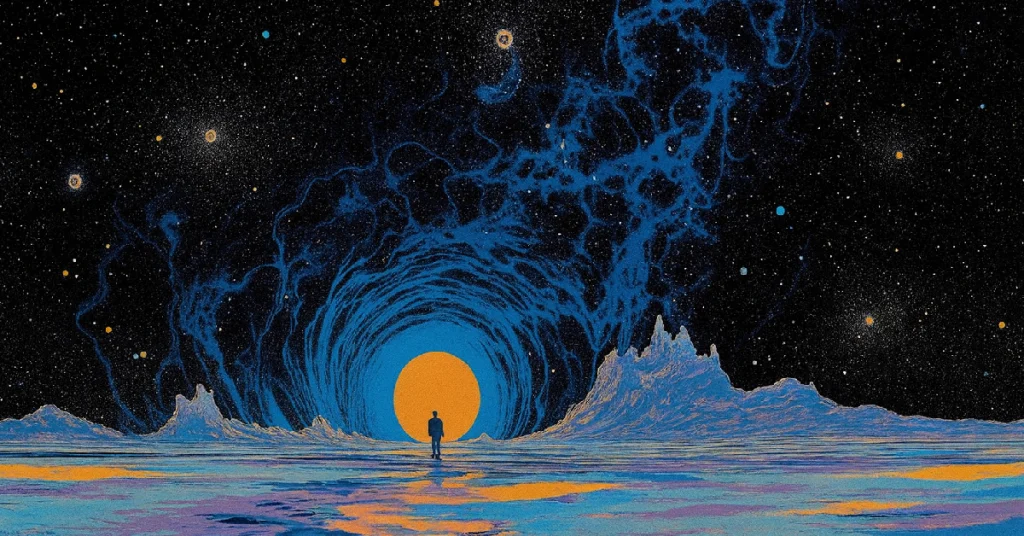
Let’s Talk About What You’re Really Asking When You Ask, “Is This Safe?”
When someone wonders whether tripping alone is safe, they’re not usually asking a simple yes/no question. They’re asking about dozens of variables that overlap, influence one another, and shift from moment to moment. Psychedelic safety is never one-dimensional; it’s woven through psychological, relational, emotional, environmental, and biographical threads.
Then there’s environment: what you’re sensing, what the room holds, and how your surroundings respond if your set and setting start to fall apart, which can happen even to experienced users.
Safety, when it comes to psychedelics, is contextual. A dose that feels manageable one day may feel overwhelming the next, just based on where your heart or head is. Safety is also psychological. Trauma history, emotional stability, anxiety patterns, and even sleep quality can drastically shape a psychedelic experience. Then there’s environment: where you are, what’s happening around you, and what you’re sensing. Safety is relational, too — even if you’re physically alone, the relationships you carry inside you (your attachment patterns, your sense of trust, your emotional resources) shape how you navigate extreme states. And, of course, safety is dose-dependent. A low-dose experience and a high-dose one are entirely different universes.
So when people ask, “Is it safe to trip alone?”, the honest answer isn’t yes or no. It’s: What do you mean by safe? Safe for whom? Safe in what way? Safe under which circumstances?
The question itself is layered. And the most responsible answer sits in the nuance: safety is not absolute, and the idea of “solo psychedelic use” will always live in this grey area between human desire, psychological complexity, and the unpredictable nature of altered states.
Why So Many People Choose To Trip Alone (Even When They Know It Comes With Complications)
A huge number of adults — far more than mainstream conversations acknowledge — choose solo psychedelic experiences. And they do so not out of recklessness but out of deeply human reasons that deserve empathy rather than judgment.
Privacy is one of the most common reasons. Psychedelics can make you feel emotionally exposed, and many people don’t want witnesses during moments of raw vulnerability. For some, crying through an entire journey raises the question: Is crying the whole trip a sign of healing or overwhelm? And they’d rather answer that privately.
For others, it’s about trust. Not everyone trusts therapists, facilitators, or guides. Some have had bad experiences. Some simply don’t believe that someone else should be the gatekeeper to their inner world. And then there are the practical barriers: money, access, legality, and geography. Not everyone can afford trained professionals. Not everyone has friends who understand psychedelics. Not everyone lives near legal retreats.
And for a lot of people, the appeal is simply wanting an unmediated inner experience — a moment where nothing and no one interrupts the intimacy of meeting yourself.
These reasons don’t make solo tripping safe. They make it human. And understanding these motivations is important before we can examine the risks honestly and respectfully.
🧠 Curious why some choose to take psychedelics alone? This guide explores the factors people often consider
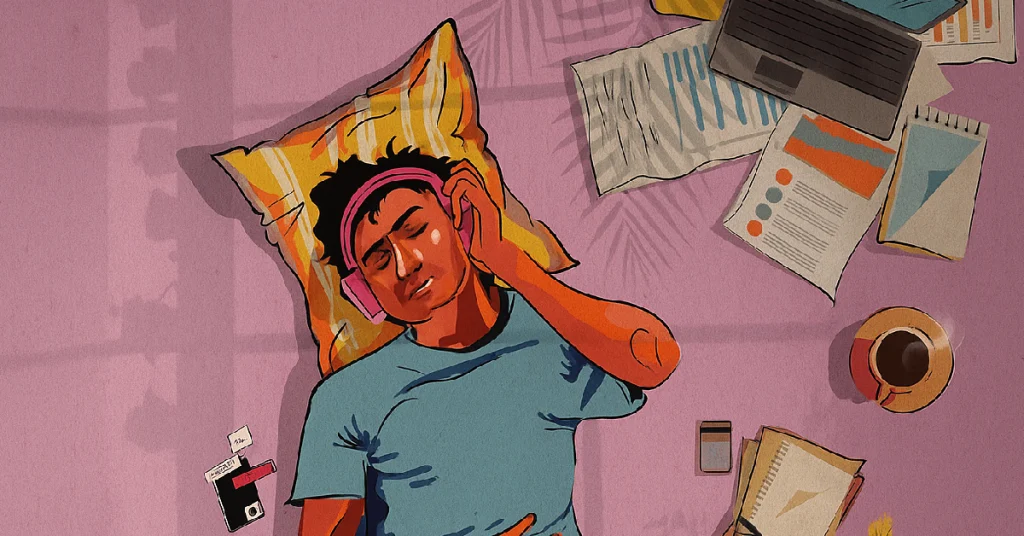
The Core Risks of Tripping Alone, Explained Without Drama or Judgment
Solo psychedelic use comes with real risks. These don’t need exaggeration, but they shouldn’t be minimized either. A thoughtful conversation has to acknowledge what can go wrong, not in a sensational way, but in a grounded, research-aware, harm-reduction-informed way.
One of the most significant risks is emotional overwhelm. Psychedelics can amplify feelings in unpredictable directions, and without someone present to offer reassurance or perspective, panic can spiral. Traumatic material may surface suddenly, which can be destabilizing, especially for people with childhood trauma or complex psychological history. Confusion is another possibility — symbols or visions can be interpreted literally, leading to frightening or disorienting thought loops.
On a practical level, physical vulnerability matters. Being disoriented means you might not respond quickly to your environment. Even simple tasks can feel confusing or impossible. Loneliness during distress is another risk. Having no one available for a grounding voice or supportive presence can make challenges feel more intense.
Self-interpretation becomes its own challenge: How do you know if it’s integration or avoidance? Alone, that line gets blurry.
None of these risks mean that every solo trip will be difficult. But they illustrate the complexity and unpredictability of altered states — especially when navigating them alone.
The Subtle Factors That Influence Relative Safety (Without Giving “Tips” or “How-To” Advice)
Instead of offering guidance, it’s important to discuss the factors researchers and clinicians consider when examining psychedelic safety. These aren’t instructions — they’re frameworks to understand why experiences vary so widely.
Personal psychological history plays a major role. Someone with a background of trauma, dissociation, or severe anxiety may have a different baseline than someone without those experiences. Emotional regulation capacity also matters. People differ in how they handle intense feelings even on ordinary days, and psychedelics magnify that.
Experience level is another variable. People deeply familiar with altered states may feel more oriented than those exploring them for the first time. Dose shapes everything: lower intensities tend to be more predictable, while higher doses can introduce chaos, beauty, or both. Intention influences the direction of the experience — exploring identity, confronting trauma, seeking curiosity, spiritual self-inquiry, or simply experimenting each create different emotional landscapes.
Environment matters too, though not in a prescriptive “set and setting checklist” kind of way. It’s more about acknowledging that sensory input, predictability, and emotional associations influence how the mind responds.
Finally, support availability — even if not physically present — affects outcomes. Knowing someone is reachable, connected, or aware of your general well-being can reduce psychological pressure. This doesn’t mean arranging sitters; it simply acknowledges that humans are relational beings, and connection shapes emotional resilience.
These factors don’t answer whether solo tripping is safe. They show why the answer is always “it depends.”
Check out this magic mushroom!!

A.P.E Psilocybin Chocolate Bar
$60.00Dried Penis Envy Magic Mushrooms
Price range: $60.00 through $240.00Golden Teacher Gummies for Microdosing
$25.00


Does “Safe Solo Use” Actually Exist? A Debate Without Taking Sides
Some people argue that solo psychedelic use can be relatively safe, especially for individuals who are experienced, emotionally grounded, and using lower doses. They point out that millions of adults have taken psychedelics alone without incident, and that some research on naturalistic use shows many positive outcomes. People often describe solo journeys as introspective, clarifying, creative, or spiritually meaningful.
On the other hand, many researchers, facilitators, and clinicians argue that no psychedelic experience is entirely predictable — and that the absence of emotional containment or support increases the chances of distress becoming unmanageable. They emphasize the risks of trauma resurfacing, the difficulty of navigating confusion, and the impact of challenging experiences on long-term mental health if not integrated properly.
Both perspectives contain truth. Both perspectives reflect real-world experiences. And both perspectives reinforce one central point: “safe solo use” isn’t a universal category. It’s a subjective tension between possibility and unpredictability.
Harm-Reduction Ideas Without Offering Any Instructions or Guidance
Harm reduction in psychedelics doesn’t mean telling people what to do. It means acknowledging the psychological realities that influence experiences. Conceptually, emotional preparation matters — not as a checklist, but as a general understanding of one’s inner world. Environment influences outcomes because the brain interacts with surroundings in heightened ways. Lower-intensity experiences tend to be more predictable than high-dose ones.
Support — in whatever form feels right — can reduce the sense of isolation, whether it’s relational, emotional, or community-based. And post-experience integration is essential for making sense of what happened.
These aren’t instructions. They’re principles of psychedelic psychology that help explain why some experiences feel grounding while others feel destabilizing.
What “Support” Really Means (And Why It’s Not Just About Having Someone in the Room)
Support is a broad concept. It doesn’t require a therapist sitting beside you or a psychedelic guide monitoring every moment. Instead, support can look like having a trusted person in your life who understands your emotional landscape — someone who can help you reflect after the fact. It can mean participating in integration circles, where people share insights and challenges in a non-judgmental setting. It can involve therapists, counsellors, or mentors who aren’t specifically psychedelic-trained but are emotionally grounded and capable of helping you process experiences.
Support can also be internal — your emotional literacy, your coping skills, your relationship with yourself. It can be community-based, relational, spiritual, or reflective. The point isn’t how you get support. The point is recognizing that psychedelic experiences exist within relational ecosystems, even when experienced alone.
🧠 Curious why so many feel anxious before their first trip? This guide breaks down the common concerns people talk about
Why Intention and Integration Matter More Than the Experience Itself
Regardless of whether someone uses psychedelics alone or with others, intention shapes the experience and integration shapes the outcome. Psychedelics open psychological plasticity — a window of malleability where emotions, beliefs, memories, and patterns shift. What someone does with that openness afterward determines whether the journey becomes meaningful, confusing, destabilizing, or transformative.
Integration doesn’t need to be elaborate. It’s about reflection, conversation, pattern awareness, and emotional processing. Solo journeys are not complete just because the effects wear off. The real work happens in the days and weeks afterward — in the stitching together of what emerged.
A Grounded, Empowered Closing Without Claims, Promises, or Instructions
So, is there a safe way to trip on your own? The honest answer is that there is no universally safe approach. Psychedelics are complex, unpredictable, and deeply personal. And yet, many people continue to seek solo experiences for reasons that are human, relatable, and rooted in privacy, autonomy, and inner exploration. The question isn’t about right or wrong; it’s about acknowledging complexity and respecting the diversity of people’s needs.
The reality is that safety in psychedelics is shaped by emotional readiness, psychological history, dose, environment, experience level, and support structures. Some people navigate solo journeys without issue. Others struggle. And these differences don’t reflect strength or weakness — just the enormous variability of human experience.
Rather than trying to categorize solo psychedelics as safe or unsafe, the most grounded approach is to reflect on your own emotional needs, your relationship with intensity, and the kind of support — internal or external — that helps you make sense of deep experiences. Psychedelics aren’t just about the hours spent in an altered state. They’re about the integration, the meaning-making, the softening, and the reflection that follow.
For many, the question isn’t “Should I do this alone?” but “Who am I, and what do I need to feel emotionally anchored before, during, and after any transformative state?” And that kind of introspection is where true harm reduction begins — not in instructions, but in honest self-knowing.
🌿 Trying to understand the differences between a shared experience and a solo one? This article breaks it down thoughtfully
Ready to Explore More? Here’s Where Magic Mush Canada Comes In To Support Your Journey (Without Telling You What To Do)
When you step back and look at everything this article has unpacked, the takeaway is pretty clear: the question “Is there a safe way to trip on your own?” doesn’t come with a neat, clean answer. Safety with psychedelics is never absolute and never universal. It shifts depending on who you are, what you’re carrying emotionally, the kind of intensity you’re navigating, and the kind of support you have access to — whether that support is internal, relational, or community-based. What we explored here is the nuance: why people choose privacy, why solitude feels comforting to some and overwhelming to others, and why psychedelics can crack open layers of emotion, memory, and meaning in ways that don’t always fit into tidy labels.
And if there’s one thing this conversation really shows, it’s that solo psychedelic use isn’t about being brave, reckless, irresponsible, or self-reliant. It’s about being human. People want privacy. People want autonomy. People want space to meet themselves honestly. And those desires exist alongside real risks — emotional overwhelm, resurfaced trauma, confusion, physical vulnerability, and post-trip destabilization. We also saw that no two people move through altered states the same way, which is why factors like emotional regulation, past experiences, dose, environment, and integration shape every psychedelic journey in subtle, powerful ways. None of this points toward a definitive answer, but it does give you a grounded framework to understand why this question is so complicated, and why the experience itself is always personal, contextual, and deeply individual.
This is exactly where Magic Mush Canada fits into the bigger picture — not as some authority trying to tell you what to do, but more like a knowledgeable friend who actually gets it. At Magic Mush Canada, we care about giving people the kind of information that actually respects their intelligence and autonomy. We’re all about education, transparency, and access — not pressure, not fearmongering, and definitely not judgement. We know people explore psychedelics for very real reasons: curiosity, healing, introspection, creativity, or simply wanting a more honest relationship with themselves. And we also know that having high-quality products, trustworthy information, and a supportive community makes those explorations feel more grounded, no matter what direction you’re headed in.
When you come to Magic Mush Canada, you’re not just getting premium, rigorously tested dried magic mushroom products — you’re getting a place that genuinely wants you to feel informed, understood, and supported. We’ve made it our mission to destigmatize magic mushrooms in Ottawa by offering resources, guidance, and a safe, private online space where adults can shop, learn, and connect without feeling judged or rushed. Everything we do is rooted in harm reduction, respect, and the belief that psychedelic experiences deserve thoughtful conversations — just like the ones you’ve had here.
So if you’re curious to explore more — whether that means reading, learning, shopping, or joining a community of people who care about these conversations as much as you do — we’d love to have you. Magic Mush Canada is here to help you navigate your path with honesty, nuance, and support. Come browse, connect, and stay in the loop by joining our newsletter to be the first to know about new products, sales, and updates. We’re right here with you, ready when you are.