I’ll never forget the first time I stumbled across the legendary Viking berserkers in one of my late-night history dives. These fierce, seemingly unstoppable warriors were known for their trance-like battle rage. Imagine a group of warriors who could enter a state of mind where they seemed immune to pain, fought without fear, and displayed an animal-like frenzy on the battlefield. For someone fascinated by psychedelics, the question that immediately popped into my head was: “Were they just naturally ferocious, or was there something else going on behind the scenes?” Turns out, I wasn’t alone in pondering this question. A growing number of historians and researchers have speculated that the berserkers’ wild battle state might have been induced by mind-altering substances, including magic mushrooms. And as I dug deeper into Viking history, the more I found myself captivated by this theory. Could it be that the berserkers were tripping their way into battle? Or was there another, more grounded explanation for their legendary rage?
This question about the role psychedelics may have played in Viking culture is one that has intrigued scholars, mythologists, and enthusiasts alike. The idea that psychedelics could have been used in ancient cultures is not as far-fetched as it may seem. The use of mind-altering substances for religious, spiritual, or even war-related purposes has a long history, from the Soma in ancient India to the sacred use of peyote among Native American tribes. The Vikings, known for their complex spirituality and unique worldview, were no strangers to altered states of consciousness. In fact, it’s quite possible that they employed substances like Amanita muscaria, a powerful mushroom, to help them achieve the berserkergang—the intense, almost otherworldly battle frenzy that characterized the berserkers’ fearsome combat style.
As someone who’s delved into the world of psychedelics for personal growth, I found myself wondering whether the berserkers’ trance-like states were simply the result of mental conditioning or if there was indeed a psychedelic influence at play. What if their battle rage wasn’t just a psychological phenomenon, but the result of substances that could alter their perception of pain, fear, and reality? That’s where the theory about Amanita muscaria, the red-and-white mushroom commonly known as the fly agaric, starts to get interesting. So, let’s dive into the fascinating—and somewhat mysterious—connection between Viking berserkers and psychedelics, and explore whether these warriors were truly tripping their way into battle.
READ: How to Prepare for a Psychedelic Journey
Who Were the Viking Berserkers?
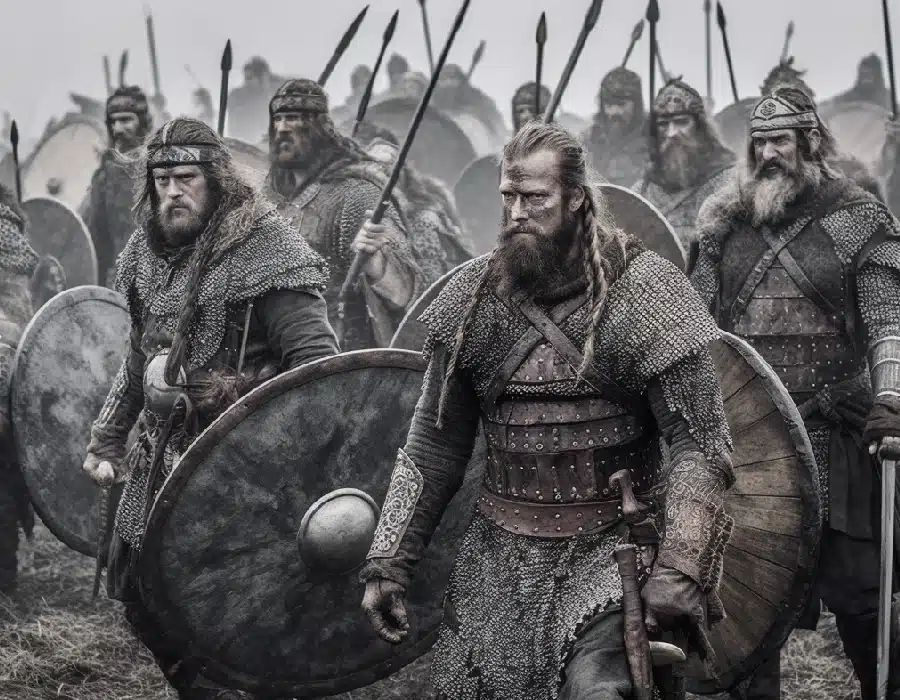
The Viking berserkers are one of the most legendary aspects of Norse culture, famous for their fierce and fearless battle behavior. These elite warriors were said to enter a trance-like state before heading into combat, where they exhibited extraordinary strength, an overwhelming disregard for pain, and an almost otherworldly ferocity. Descriptions of these warriors—dating back to ancient Norse sagas—paint a picture of men who could transform into ferocious beasts, howling like animals and striking with the power of a bear or wolf. But who exactly were these berserkers, and what made them so terrifyingly formidable? Let’s dive deeper into the world of these fearsome fighters and explore their defining characteristics, the infamous “berserkergang” trance, and some of the possible explanations for their incredible battle rage.
The Definition: Elite Norse Warriors
At their core, berserkers were a select group of Viking warriors who fought with unmatched intensity and ferocity. They were often associated with the Viking chieftains or kings and were seen as their most fearsome fighters—men who could take on entire armies with little regard for their own safety. The term “berserker” is derived from the Old Norse words ber (bear) and serk (shirt), which together translate to “bear-shirt.” This name likely refers to the legendary way they would wear bear pelts or even become imbued with the spirit of the bear in battle, a powerful symbol of primal strength and fearlessness.
In battle, berserkers were considered almost unstoppable, and their ability to enter a wild, animalistic state made them the epitome of Viking warrior culture. They were known to fight with a frenzy that was both terrifying and awe-inspiring—often charging into battle without any armor, fueled by their sheer rage and driven by an almost supernatural energy. This was not simply the behavior of reckless warriors; it was part of their reputation as “elite soldiers” who were both respected and feared.
READ: The Strongest Psilocybin Mushrooms: Exploring Nature’s Most Potent Psychedelics
The Berserkergang Trance: Transforming Into Beasts
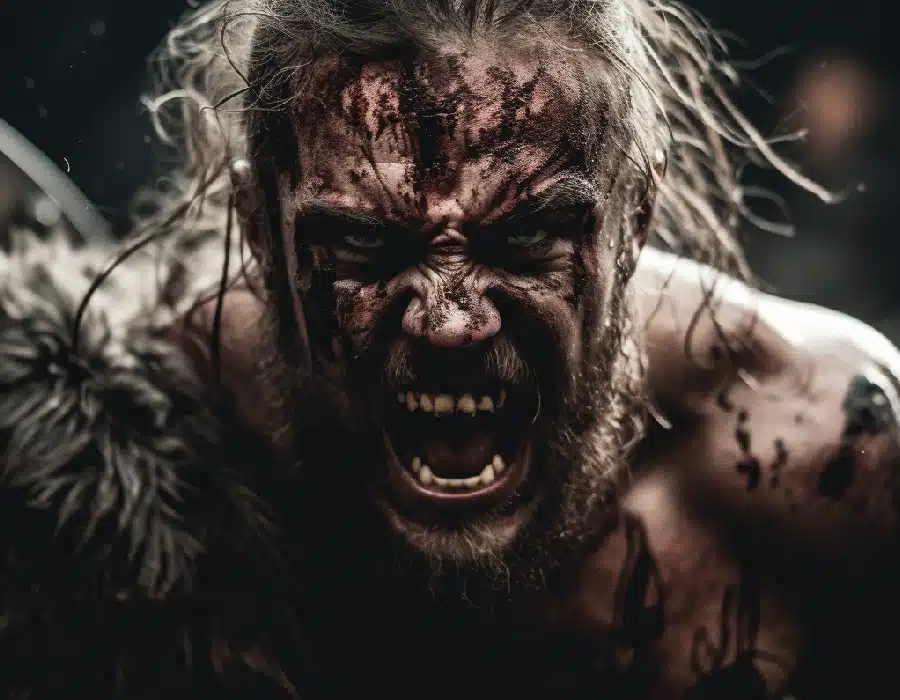
The berserkergang is perhaps the most famous and mysterious aspect of the Viking berserkers’ battle tactics. This trance-like state was said to overcome the warriors before, during, and even after combat. The word “berserkergang” literally means “the berserker’s way” or “berserker’s trance,” and it refers to the wild, frenzied behavior that these warriors exhibited. According to Old Norse sagas, warriors entering this state would often howl, growl, and make animalistic sounds as they charged into battle. The berserkers were said to have an uncanny ability to withstand pain and injury, feeling little to no physical discomfort as they tore through their enemies.
In their berserkergang, they would sometimes be described as having an almost supernatural strength, as if they had taken on the physical traits and power of the very animals they were believed to channel—bears, wolves, or even wild boars. There are several descriptions in the sagas of berserkers who would foam at the mouth, their eyes wide and bloodshot, and their minds seemingly consumed with madness. Their combat style was characterized by an overwhelming, unrelenting aggression that seemed to come from a deeper, more primal place.
While the idea of berserkers transforming into literal animals is undoubtedly a myth, the way in which these warriors seemingly altered their mental and physical state cannot be ignored. They were able to block out fear and pain, allowing them to fight with a ferocity that made them virtually unstoppable on the battlefield.
Possible Explanations for Their Battle Rage
As fascinating as their feats were, the berserkers’ seemingly superhuman abilities have prompted much speculation. How could these warriors enter such a trance-like state, and what was responsible for the immense rage and pain resistance they exhibited in battle? There are several theories that attempt to explain this phenomenon, ranging from psychological conditioning to the use of mind-altering substances.
READ: What is Psilocybin? Uncovering the Science and Spirit of the Magic Mushroom

Psychological Conditioning and Group Rituals
One of the most widely accepted theories is that the berserkers’ state of fury was a result of intense psychological conditioning, ritualistic practices, and tribal traditions. The Viking culture, like many warrior societies, placed a high value on mental toughness and battle prowess. It’s possible that berserkers went through grueling mental and physical training, which included techniques to help them access their primal instincts and suppress their fear. Their fearlessness on the battlefield could have been attributed to group rituals or ceremonial practices that heightened their sense of unity and collective purpose.
These rituals could have involved chanting, drumming, or the symbolic wearing of animal pelts, all of which would serve to help them tap into the power and spirit of the creatures they revered. The trance-like behavior might have also been a result of heightened group dynamics, where the collective energy of the berserkers fueled each individual’s aggression and psychological state.
Ritualistic Trance States and Shamanic Practices
Another theory suggests that the berserkers’ behavior was tied to shamanic practices, where they accessed altered states of consciousness to prepare for battle. In many ancient cultures, including Viking society, rituals that involved entering trance states were common in religious or spiritual practices. These rituals were often led by shamans or seers, individuals who had a deep understanding of altered states and how to use them for guidance or strength.
It’s possible that berserkers engaged in such shamanic practices before battle, perhaps through drumming, chanting, or even the use of ritualistic substances. These altered states of consciousness could have helped them disconnect from fear, anxiety, and pain, enabling them to enter a fierce, almost otherworldly mindset that was conducive to brutal combat.
The Role of Psychoactive Substances
Perhaps one of the most intriguing theories is that the berserkers used psychoactive substances to induce their battle trance. In particular, the use of the Amanita muscaria mushroom, also known as the fly agaric, has been suggested as a possible explanation. This mushroom, which is native to the Northern Hemisphere, has powerful hallucinogenic properties that could have caused intense disorientation, delirium, and even a sense of aggression. It’s well-documented that the Sámi people of Scandinavia used this mushroom in shamanic rituals, and it’s conceivable that the berserkers might have used it for similar purposes, to enhance their combat abilities.
The consumption of Amanita muscaria, however, would have been different from the effects of psilocybin mushrooms, which are more commonly associated with introspection and spiritual journeys. Instead, the muscaria mushroom would have induced a more delirious, dissociative state, which could explain the berserkers’ erratic behavior, heightened aggression, and altered perception of pain. While there is no definitive evidence linking Amanita muscaria directly to the berserkers, its potential role in Viking warrior culture is an interesting possibility that cannot be easily dismissed.
In conclusion, the Viking berserkers were much more than just ferocious warriors; they were figures wrapped in myth and mystery. Their trance-like state, legendary strength, and fearlessness on the battlefield have intrigued historians for centuries. Whether the berserkers’ abilities were the result of psychological conditioning, ritualistic practices, or the use of mind-altering substances, one thing is clear: these warriors were more than just men—they were symbols of the untamed, primal power that lay at the heart of Viking culture. The legend of the berserker continues to captivate the imagination, and their place in history is forever marked by their unique ability to tap into a deep, otherworldly power before going into battle.
Check out this magic mushroom!!

A.P.E Psilocybin Chocolate Bar
$60.00Dried Penis Envy Magic Mushrooms
Price range: $60.00 through $240.00Golden Teacher Gummies for Microdosing
$25.00


The Henbane Hypothesis: A Stronger Candidate?
While the idea of berserkers using Amanita muscaria is fascinating, some researchers argue that a different substance may have been responsible for their battle-induced frenzy: henbane (Hyoscyamus niger). Henbane, a plant containing tropane alkaloids like scopolamine and hyoscyamine, has long been used in European pagan rituals and for inducing altered states of consciousness.
Henbane’s effects are particularly interesting because they include aggression, hallucinations, and a numbing of pain—all symptoms that align more closely with the berserker’s behavior than those caused by Amanita muscaria. Additionally, henbane was known to have been used by various ancient cultures, including the Celts, to help induce a trance state before battle. This makes it a stronger candidate for being the substance that fueled the berserkers’ rage.
Moreover, henbane’s psychoactive properties can cause confusion, a sense of euphoria, and even a loss of inhibitions, which could explain how the berserkers felt invincible during battle. It’s possible that they may have mixed psychedelics with alcohol to create a potent cocktail that helped them tap into their primal, animalistic nature.
READ: Synthetic Psilocybin vs. Natural Mushrooms: What’s the Difference?
Join the Psychedelic Exploration with Magic Mush: Discover the Truth Behind Viking Berserkers
In this article, we’ve explored the fascinating connection between Viking berserkers and psychedelics, particularly focusing on substances like Amanita muscaria and henbane. Viking berserkers were legendary for their trance-like battle states, and while we can’t say for certain whether psychedelics were involved, the theory that they may have used mind-altering substances to fuel their rage is both compelling and plausible. Substances such as Amanita muscaria could have induced delirium and aggression, while henbane’s numbing effects and mental disorientation align closely with the berserkergang trance. Though we can’t pinpoint one definitive substance, the connection between altered states and these fierce warriors remains an area of intrigue.
Ultimately, the evidence points to a fascinating, yet elusive, relationship between ancient cultures and mind-altering substances. Whether the berserkers were truly under the influence of psychedelics or simply tapped into their primal instincts through ritual and mental conditioning, the use of substances like Amanita muscaria and henbane remains a tantalizing theory in understanding how these warriors reached the peak of battle-frenzied rage. This intersection of mythology, culture, and psychedelics continues to be an important conversation in the ongoing research surrounding mind-altering substances.
At Magic Mush, we are passionate about helping individuals explore the transformative potential of psychedelics in a safe and educational environment. Whether you’re interested in understanding the history of psychedelic use or you’re looking to explore the therapeutic benefits of magic mushrooms today, we provide high-quality products and reliable information to ensure a safe, enriching experience. We are committed to challenging the stigma surrounding magic mushrooms, offering a variety of premium, rigorously tested products that promote healing, personal growth, and enhanced well-being.
Magic Mush is your trusted source for all things related to magic mushrooms. With our seamless online shopping experience, top-tier magic mushroom delivery, and dedication to quality, we empower you to confidently explore the world of psychedelics. Join our community to stay up-to-date on sales, new product launches, and valuable educational content. Experience the benefits of magic mushrooms in a safe, supportive environment with Magic Mush, where we are helping people unlock the full potential of these powerful substances.
Whether you’re a first-time user or an experienced psychonaut, Magic Mush is here to guide you on your journey. We offer a wide range of products designed to meet various needs, from mushroom bundles to chocolate shrooms. With locations in Ottawa and Toronto, we’re proud to serve the Canadian community with top-notch products, discreet shipping, and expert advice. Visit us online or in-store today, and start your transformative journey with the highest quality magic mushrooms available.
Discover more and get started today—Magic Mush is here to support you every step of the way.