
Premenstrual Syndrome (PMS) — it’s that rollercoaster of emotions, physical discomfort, and general moodiness that many of us women are all too familiar with. Whether it’s the irritability that sneaks up on you, the low energy, or the cravings that feel impossible to resist, PMS can take a serious toll on our daily lives. Like most women, I’ve tried the usual remedies: over-the-counter painkillers, herbal teas, yoga, and even cutting back on caffeine. While some of these options do help, they don’t always address the emotional ups and downs that come with PMS. It wasn’t until I stumbled upon microdosing psilocybin that I found a more holistic solution to managing my symptoms.
About six months ago, a friend mentioned how microdosing psilocybin—yes, the “magic” mushrooms everyone seems to be talking about these days—had helped her with anxiety. She also mentioned that she found unexpected relief from her PMS symptoms, like mood swings and fatigue. Intrigued but skeptical, I decided to do a bit of research and give it a try. With guidance from online forums and expert advice, I started with a low dose and a lot of caution. The results? Subtle yet noticeable improvements in my mood, more emotional stability, and a sense of mental clarity. It wasn’t a magic bullet (no pun intended), but it made PMS a little easier to handle, which was enough for me to keep going.So, in this guide, we’ll dive into the world of microdosing psilocybin specifically for PMS. Whether you’re curious about trying it yourself or just want to learn more about how it works, I’ll walk you through everything you need to know. From the science behind psilocybin to real-life stories of relief, this guide covers it all. Let’s get started!
READ: Microdosing Psilocybin for Chronic Pain Management in Women
Real Stories of Relief: Microdosing Psilocybin for Premenstrual Syndrome
The conversation around alternative therapies is expanding, and psilocybin—often referred to as “magic mushrooms”—has caught the interest of women seeking relief from premenstrual syndrome (PMS). As traditional healthcare treatments for PMS don’t always address the full range of symptoms, many women are looking elsewhere for solutions. Psilocybin microdosing, in particular, is emerging as a potential option, offering subtle mood enhancements without the intense effects of a full psychedelic experience.
Personal stories of women who have tried microdosing provide an intimate look into its potential benefits. These firsthand experiences show how microdosing might help with emotional regulation, irritability, and mood swings associated with PMS. Through these accounts, we gain insight into the possible positive effects of this alternative therapy, fostering curiosity about its broader applications in women’s health.
Microdosing Psilocybin: A New Frontier for Premenstrual Syndrome
Microdosing with magic mushrooms involves taking small, sub-perceptual doses of psychedelics like psilocybin, typically just a fraction of a recreational dose. At these low levels, the effects are subtle, without the intense hallucinogenic experiences often linked to larger amounts. Instead, users commonly report improved mood, enhanced focus, and greater emotional stability, making it particularly helpful for women managing PMS.
Premenstrual syndrome isn’t just about physical symptoms; it can profoundly affect emotional and mental well-being. Many women experience mood swings, anxiety, irritability, and depression in the lead-up to their menstrual cycle. While traditional treatments like hormonal therapies and antidepressants can provide some relief, they often come with side effects and don’t always address the emotional challenges of PMS.
This is where microdosing with magic mushrooms shows great potential. By gently adjusting brain chemistry—especially serotonin regulation—microdosing may help stabilize mood and alleviate emotional discomfort. Whether through Microdose capsules, Mushroom gummies, or other forms like Magic mushroom chocolates and Dried magic mushrooms, this approach opens up new possibilities for women seeking natural, holistic alternatives to conventional treatments. For those in Toronto, exploring magic mushrooms in Toronto might provide access to a promising new avenue of relief.
The Science and the Mystery of Microdosing Psilocybin for Premenstrual Syndrome
While the concept of microdosing may seem new, the science behind psilocybin’s effects on the brain has been studied for decades. Psilocybin interacts with serotonin receptors in the brain, particularly the 5-HT2A receptors, which are linked to mood regulation, anxiety, and emotional processing. This interaction may explain why some women find relief from mood swings and irritability during PMS.
One of the most intriguing aspects of psilocybin’s effects is its potential to promote neuroplasticity—the brain’s ability to reorganize and form new neural connections. This process could be key in alleviating the emotional turbulence that accompanies PMS. While more research is needed, early studies suggest that psilocybin may foster greater emotional resilience, making it easier to navigate the hormonal shifts that occur before menstruation.
The precise mechanisms are still shrouded in mystery, but this emerging field is ripe for further exploration. As more women experiment with microdosing, the anecdotal evidence continues to grow, fueling interest in the science behind this potential therapy.
READ: A Guide to Microdosing Psilocybin for Chronic Pelvic Pain in Women
Real Stories of Relief: Microdosing Psilocybin for Premenstrual Syndrome
“Could magic mushrooms be the answer to PMS relief?” This question lingers as more women share their personal stories of microdosing psilocybin to manage their PMS symptoms. While the scientific research is still catching up, the real-life experiences of women are painting a picture of promise.
Take, for instance, Sarah, a 35-year-old woman who struggled for years with severe mood swings and anxiety during her menstrual cycle. After trying various treatments with limited success, she turned to microdosing psilocybin. Within a few cycles, Sarah noticed that her emotional outbursts became less intense, and her overall mood was more stable. She describes feeling more in control of her emotions, a common thread among women who have tried this alternative therapy.
These personal accounts highlight the unexpected benefits of microdosing, from improved emotional regulation to a newfound sense of balance during a typically challenging time. While these stories aren’t a substitute for clinical trials, they offer valuable insights into the potential of psilocybin for PMS relief.

Microdosing Psilocybin and Premenstrual Syndrome: What’s the Deal?
Microdosing may sound complex, but in practice, it’s a simple concept: taking small, sub-perceptual doses of psilocybin to achieve therapeutic effects without the intense psychedelic experience. These microdoses, usually about 0.1 to 0.3 grams of dried psilocybin mushrooms, can have profound effects on mood, creativity, and emotional well-being.
Living with PMS is no small feat. For many women, the hormonal fluctuations leading up to menstruation can cause a cascade of physical and emotional symptoms that interfere with daily life. From debilitating cramps to mood swings that make even the simplest tasks feel overwhelming, PMS can be a difficult, recurring challenge.
Microdosing psilocybin offers a new perspective on managing PMS. By subtly adjusting brain chemistry, psilocybin might help smooth out the emotional highs and lows, making it easier to cope with daily stressors. For women who have tried conventional treatments without much success, this approach may be a transformative alternative.
Check out this magic mushroom!!

A.P.E Psilocybin Chocolate Bar
$60.00Dried Penis Envy Magic Mushrooms
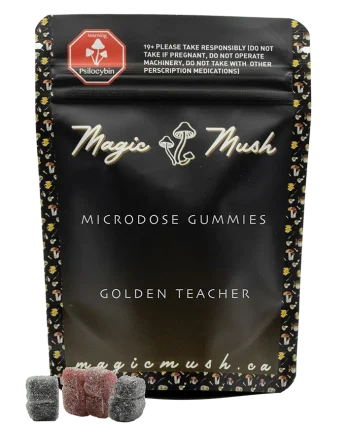
Price range: $60.00 through $240.00Golden Teacher Gummies for Microdosing
$25.00


The Science of Microdosing Psilocybin for Premenstrual Syndrome: Not Just Hocus Pocus
Despite the skepticism that often surrounds psychedelic substances, the science behind psilocybin’s effects is compelling. Psilocybin’s interaction with serotonin receptors plays a critical role in its ability to influence mood and emotional regulation. This is especially relevant for PMS, where serotonin fluctuations can lead to feelings of irritability, sadness, or anxiety.
Additionally, psilocybin’s ability to promote neuroplasticity—the brain’s adaptability—can be especially beneficial during times of hormonal change. For women experiencing PMS, this might mean increased emotional resilience and a greater ability to manage stress and mood swings.
While there’s still much to learn about how microdosing specifically affects women with PMS, the growing body of research supports the idea that psilocybin could be more than just a passing trend. It represents a promising frontier in the intersection of women’s health and mental well-being.
READ: Microdosing Psilocybin for Postoperative Pain Management in Women: An Emerging Path to Healing
Real Stories: Women Who Took the Leap into Microdosing Psilocybin for Premenstrual Syndrome
Sarah’s journey is one of many that illustrate the potential of psilocybin in managing PMS symptoms. After years of trying everything from hormonal birth control to antidepressants, she found herself increasingly frustrated with the lack of effective solutions. It was only when she began microdosing psilocybin that she noticed a significant change in her emotional stability.
Each month, Sarah experienced fewer mood swings, and the intensity of her PMS symptoms lessened. She reports that, while microdosing isn’t a cure-all, it has given her a newfound sense of control over her body and emotions.
These stories provide a glimpse into the growing community of women who are finding relief in unexpected places. As more women share their experiences, the anecdotal evidence continues to build, highlighting the potential for psilocybin to revolutionize how we approach PMS treatment.
How to Microdose Psilocybin for Premenstrual Syndrome Like a Pro
If you’re considering microdosing psilocybin for PMS, there are a few key guidelines to follow. First, start low and go slow. Begin with a dose as low as 0.1 grams and see how your body responds. It’s essential to listen to your body and adjust your dosage accordingly, increasing gradually if necessary.
Research is your best friend. Before diving in, take the time to understand how psilocybin works and consult with a healthcare professional, particularly if you have any underlying health conditions or concerns. While microdosing is generally considered safe in small amounts, it’s always wise to be cautious.
Lastly, keeping a journal of your experiences can help you track changes in your symptoms and adjust your dosage as needed. Monitoring your emotional and physical responses will provide valuable insight into whether this approach is right for you.
READ: Microdosing Psilocybin for Stress and Burnout in Women

Personal Journeys: Voices of Courage and Change in Microdosing Psilocybin for Premenstrual Syndrome
Jennifer Gural, a psychotherapist who has worked with women struggling with hormonal imbalances, has seen firsthand how microdosing can offer a new avenue of relief. She highlights the need for more comprehensive options in women’s healthcare, emphasizing the potential of psilocybin to fill gaps left by conventional treatments.
Jennifer Chesak, author of The Psilocybin Handbook for Women, also offers insight into how psilocybin affects women’s health. She points to anecdotal reports from women who have used psilocybin to regulate their menstrual cycles and alleviate PMS symptoms, underscoring the need for more research in this area.
Together, these voices are part of a growing movement toward embracing psychedelics as a tool for emotional and mental health. While the journey is still in its early stages, the potential for change is undeniable.
Embracing Microdosing Psilocybin for Premenstrual Syndrome: Practical Wisdom
For women interested in microdosing psilocybin for PMS, mindful and informed use is crucial. Consulting with healthcare professionals, conducting thorough research, and approaching microdosing with care are key steps toward ensuring a positive experience.
While the science is still emerging, personal stories and anecdotal evidence suggest that microdosing psilocybin could be a game-changer for women seeking relief from the challenges of PMS. By fostering emotional resilience and balancing mood, this alternative therapy offers new hope for those who have struggled with traditional treatments.
READ: Harnessing Nature’s Calm: Top Mushrooms for Stress Relief
Frequently Asked Questions
1. What is microdosing?
Microdosing refers to taking a very small, sub-perceptual amount of a psychedelic substance, such as psilocybin, with the goal of achieving subtle benefits. The amount is typically around 1/10th to 1/20th of a typical recreational dose, meaning you consume just enough to experience positive effects without strong hallucinations or profound shifts in consciousness. For psilocybin mushrooms, this usually translates to about 0.1 to 0.3 grams of dried mushrooms. In the context of PMS, microdosing may help manage emotional fluctuations, enhance mood, and create a sense of calm, allowing for better management of premenstrual symptoms without altering your day-to-day functioning.
2. How much psilocybin is considered a microdose?
A microdose of psilocybin is generally between 0.1 and 0.3 grams of dried mushrooms, although the exact dose varies based on personal factors like body weight, sensitivity, and previous experience with psychedelics. The aim is to stay sub-perceptual, meaning you should not feel high or experience strong visual or sensory distortions. Many women find that starting with the lower end of the range, around 0.1 grams, allows them to gauge their body’s reaction before adjusting upward if necessary. This microdosage guideline ensures you find the most effective dose for alleviating PMS symptoms while maintaining clarity and focus in daily activities.
3. How often should I microdose for PMS relief?
A common microdosing schedule is to take a dose every third day, often referred to as the “Fadiman Protocol.” You might microdose on Day 1, skip Day 2 and Day 3, and then dose again on Day 4. This pattern helps prevent tolerance and allows the body time to reset. However, many women adjust this schedule to align with their menstrual cycle, focusing on the days leading up to their period when PMS symptoms are more pronounced. For instance, some women might microdose more frequently or slightly increase their dosage in the premenstrual phase and then reduce it as symptoms subside. The key is to monitor your body’s response and find a rhythm that best alleviates your symptoms without overdoing it.
4. Can microdosing psilocybin cure PMS?
While microdosing psilocybin is not a cure for PMS, it has the potential to help manage the emotional and psychological symptoms that often accompany the menstrual cycle. Many women report experiencing greater emotional stability, reduced anxiety, and an overall improvement in their mood while microdosing, making it easier to handle PMS-related irritability, sadness, or mood swings. Psilocybin interacts with serotonin receptors in the brain, which can positively influence emotional regulation and mental clarity. While it may not address the physical aspects of PMS (like cramps or bloating), it offers a tool for women seeking a more balanced emotional state during this time.
5. Can I microdose psilocybin while taking other medications for PMS?
It’s always advisable to approach microdosing alongside any medication you’re already taking with thoughtful consideration. Microdosing is often used by women as a complementary tool to support emotional balance and alleviate PMS-related mood changes, but the effects may vary depending on the type of medication you’re on. Many women use hormonal treatments or mood stabilizers for PMS, and integrating microdosing into that regimen may offer a different layer of support. Tracking how your body responds and consulting a healthcare provider experienced in holistic or integrative practices can help you create a balanced and effective wellness routine that incorporates microdosing.
READ: How to Prepare for a Psychedelic Journey: Setting the Stage for a Meaningful Experience
6. What does a microdosing schedule look like?
There are a few different approaches to microdosing schedules. The most popular one is dosing every third day, which ensures that your body doesn’t develop a tolerance to the effects of psilocybin. This might look like taking a microdose on Monday, skipping Tuesday and Wednesday, then dosing again on Thursday. Another option is to align your microdosing schedule with your menstrual cycle. For example, some women microdose more frequently in the luteal phase (the week or so before their period starts) when PMS symptoms tend to be more intense, and then scale back during the follicular phase (after menstruation ends). The key is to experiment and find a schedule that provides consistent relief.
7. How soon can I expect to see results from microdosing?
Most women notice subtle changes within the first few days of microdosing, particularly in terms of mood, focus, and overall emotional regulation. However, the benefits of microdosing can sometimes build over time. It’s common for people to experience more pronounced improvements in their mood and emotional resilience after a few weeks of consistent microdosing. With PMS, you may find that microdosing provides noticeable relief during the first cycle you try it, though results can vary. Keep a journal to track your symptoms and emotional state, as this can help you assess the effectiveness of the routine and make any necessary adjustments.
8. How do I know if microdosing is working for me?
The effects of microdosing can be subtle, so it’s important to stay attuned to changes in your mood, mental clarity, and emotional stability. Many women report feeling more balanced, emotionally resilient, and better able to handle stressors that might otherwise feel overwhelming during PMS. If you find yourself less prone to mood swings or irritability, or you notice an overall improvement in your sense of well-being, microdosing may be working for you. Keeping a journal where you log your mood, energy levels, and any shifts in your PMS symptoms can help you determine if microdosing is making a positive difference. Over time, you’ll gain a clearer picture of how it affects your day-to-day life.
9. Can I still function normally while microdosing?
Yes, one of the core principles of microdosing is that it allows you to function normally without any significant disruption to your daily activities. A microdose is designed to be sub-perceptual, meaning that it’s not intended to induce the intense psychedelic effects associated with higher doses of psilocybin. You shouldn’t feel “high” or experience hallucinations. Instead, many women report feeling more focused, calm, and emotionally balanced while microdosing. Some describe it as a subtle shift in their mood or mental clarity, making it easier to engage in tasks like work, socializing, or family life without impairment. Microdosing is about enhancing your experience rather than altering it dramatically. As always, it’s a good idea to start with a lower dose and see how you respond before making any adjustments, so you can ensure it fits seamlessly into your routine.
10. How does microdosing psilocybin affect emotions during PMS?
Many women experience heightened emotions during PMS, including irritability, mood swings, anxiety, or even depressive feelings. Microdosing psilocybin has been reported to help regulate these emotional fluctuations by interacting with serotonin receptors in the brain, which play a significant role in mood regulation. Psilocybin may enhance emotional resilience, helping you feel more grounded and less reactive to stressful situations. Women who microdose often report feeling more centered and able to manage premenstrual emotions with greater ease. It can lead to a calmer, more balanced state of mind, making it easier to navigate the emotional rollercoaster that sometimes accompanies the menstrual cycle.

- Should You Be Able To Patent A Mystical Experience? - 02/21/2026
- The Shadow Side Of The Psychedelic Industry - 02/19/2026
- Will Psychedelics Repeat Cannabis’ Biggest Mistake? - 02/18/2026
