Postoperative recovery can be a challenging and often grueling experience for many women. Whether the surgery was minor or major, dealing with pain and discomfort afterward can leave you feeling drained, anxious, and frustrated. Traditionally, pain management options like opioids and over-the-counter medications have been the go-to for alleviating discomfort, but they come with their own set of challenges, including side effects, dependency risks, and long-term health implications. For many women, these solutions can feel inadequate or even harmful in the long run.
Enter psilocybin, a natural compound found in magic mushrooms, which has recently sparked interest as a potential alternative for managing pain, including postoperative discomfort. Known for its hallucinogenic properties when taken in large doses, psilocybin, when microdosed, provides subtle effects that are non-intoxicating yet transformative. While still in its early stages of research, microdosing psilocybin has shown promise in helping women manage pain post-surgery without the fog of traditional medications.
Personally, I first heard about microdosing psilocybin from a close friend who had been through a major surgery. She shared her experience of how microdosing helped her manage pain in a way that felt more natural and holistic, avoiding the side effects of strong painkillers. Intrigued, I began looking into it myself and realized that psilocybin’s potential to provide relief, emotional stability, and a greater sense of well-being after surgery is something worth exploring.
In this guide, we’ll explore the growing body of research surrounding microdosing psilocybin for postoperative pain in women. We’ll look at personal stories, scientific insights, and the ways in which this natural remedy might revolutionize recovery in the future. Whether you’re skeptical or hopeful about the possibilities, this article is meant to offer a comprehensive look at microdosing as an alternative pain management strategy for women post-surgery.

Nikhita Singhal’s Story: A Breath of Transformation with Psilocybin for Postoperative Pain in Women
Nikhita Singhal’s story is a powerful example of how microdosing psilocybin can change not only physical pain but also emotional and psychological well-being during recovery. Nikhita, a 34-year-old woman from California, underwent surgery for endometriosis, a painful condition that causes chronic pelvic pain. The surgery itself was successful, but the postoperative pain left her feeling defeated. Despite being prescribed strong painkillers, she experienced nausea, dizziness, and a sense of numbness that she described as “almost worse than the pain itself.”
Desperate for relief but wary of dependency on opioids, Nikhita turned to an alternative approach: microdosing psilocybin. She had heard about its pain-relieving effects from a friend and decided to give it a try, under the supervision of a healthcare professional experienced in psychedelic therapies. Her results were life-changing. Within just a few days, Nikhita noticed a significant reduction in her pain levels, but beyond that, she also felt an improvement in her mood, energy levels, and overall emotional state. “I felt like I was in control again, not just of my pain but of my recovery,” she shared. “The microdoses didn’t make me high, but they gave me a subtle lift, enough to get through the day with clarity and strength.”
Nikhita’s story is a testament to the transformative potential of psilocybin, especially when used responsibly and in the context of microdosing. It illustrates how a holistic, nature-based approach to pain management can help women reclaim not only their physical health but also their emotional well-being.

Exploring Microdosing Psilocybin for Postoperative Pain in Women: Insights from Emerging Research
In recent years, researchers have begun to investigate the potential of psilocybin as a natural alternative to traditional pain management, including postoperative pain. While much of the early focus has been on its use for mental health conditions such as depression and anxiety, there is a growing body of evidence that suggests microdosing psilocybin could be highly effective in managing physical pain, too.
A 2020 study published in the journal Pain found that psilocybin can activate specific serotonin receptors in the brain that are involved in the regulation of mood and pain perception. These receptors play a crucial role in modulating how we experience pain, and when stimulated, they can help reduce the intensity of pain signals sent to the brain. Microdosing, which involves taking very small, sub-perceptual doses of psilocybin, allows for these effects without inducing the hallucinogenic experiences associated with higher doses.
What makes microdosing particularly interesting for women recovering from surgery is its ability to address both physical and emotional aspects of pain. Postoperative recovery often involves a combination of physical pain and emotional stress, whether it’s the anxiety of healing, the frustration of immobility, or the fear of long-term complications. Psilocybin has shown promise not only in reducing physical pain but also in improving emotional resilience, helping women feel more empowered and less overwhelmed during the recovery process.
While research is still in its early stages, these findings open up exciting possibilities for integrating psilocybin into postoperative care plans. Imagine a future where women can recover from surgery without the need for addictive painkillers, instead relying on a natural, plant-based solution that enhances their overall well-being.

The Alchemy of Psilocybin: Unlocking the Brain’s Secrets for Postoperative Pain in Women
To understand how psilocybin works in managing postoperative pain, it’s important to explore its interaction with the brain’s pain pathways. Psilocybin is classified as a psychedelic compound because of its ability to alter perception, but its effects on the brain go much deeper than simple hallucinations. When microdosed, psilocybin interacts with the brain’s serotonin receptors, particularly the 5-HT2A receptor, which plays a key role in mood regulation, cognition, and pain perception.
The activation of this receptor by psilocybin leads to a cascade of neurobiological changes that can help modulate the brain’s response to pain. In essence, psilocybin helps “rewire” how the brain processes pain, making it less intense and more manageable. Additionally, psilocybin promotes neuroplasticity, the brain’s ability to form new neural connections. This is particularly beneficial for women in recovery, as it helps the brain adapt to changes in the body and reduces the emotional toll of dealing with chronic pain. Interestingly, this same neuroplasticity is being studied in applications like psilocybin for obsessive compulsive disorder, where rewiring rigid thought patterns may offer promising therapeutic benefits.
Another key aspect of psilocybin’s effectiveness in pain management is its impact on inflammation. Inflammation is a common cause of pain following surgery, and research has shown that psilocybin has anti-inflammatory properties. By reducing inflammation, psilocybin not only alleviates pain but also promotes faster healing, allowing women to recover more quickly and with fewer complications.

Susan Sarandon’s Psychedelic Adventures: A Glimpse into the World of Mushrooms
Public figures like Susan Sarandon have played a significant role in bringing psychedelics, including psilocybin, into the mainstream conversation. Sarandon, an Academy Award-winning actress, has been open about her use of psychedelics for personal growth, healing, and exploration. While she hasn’t specifically talked about using psilocybin for pain management, her advocacy for the responsible use of psychedelics has helped break down the stigma surrounding these substances.
Sarandon’s openness about her experiences with psilocybin has lent credibility to the conversation, showing that these substances are not just for “hippies” or counterculture figures but can be a legitimate tool for healing and personal transformation. As more public figures come forward to share their stories, it’s likely that the acceptance of psilocybin as a therapeutic tool, including for postoperative pain, will continue to grow.
The growing acceptance of psychedelics in mainstream culture has been instrumental in advancing research and expanding access to these treatments. In the past, discussions around psychedelics were often relegated to the fringes, but today, we’re seeing a shift towards open, informed dialogue. This shift is helping pave the way for future research and, hopefully, the eventual inclusion of psilocybin in conventional medical treatments for women’s health issues, including postoperative pain.

Heather Jackson’s Research: Navigating the Self-Experimentation Landscape
Heather Jackson is a pioneer in the field of psychedelic research and self-experimentation. Her work, particularly in the realm of psilocybin, has provided invaluable insights into how individuals can safely explore the benefits of microdosing for pain relief. Jackson, who has experimented with microdosing psilocybin herself, advocates for a balanced approach that combines personal exploration with scientific rigor.
Jackson’s research has highlighted the importance of self-awareness and responsibility when it comes to microdosing. She emphasizes that while microdosing can be incredibly beneficial, it is not a one-size-fits-all solution, and each person’s experience with psilocybin will be unique. For women recovering from surgery, this means understanding your own body’s needs and limitations and working closely with a healthcare professional to ensure the best outcomes.
For those considering microdosing as part of their postoperative recovery, Jackson’s work serves as a reminder that safety should always come first. It’s essential to start with very small doses, track your progress, and be mindful of any potential side effects. While psilocybin is generally considered safe when used in small amounts, it’s still a powerful substance, and care should be taken to avoid negative interactions with other medications or health conditions.

A Comparative Lens: Microdosing Psilocybin vs. Traditional Painkillers for Women Post-Surgery
One of the most compelling aspects of microdosing psilocybin for postoperative pain management is how it compares to traditional painkillers. Women who undergo surgery often face a complex recovery process, one that is not limited to physical pain alone. Emotional distress, anxiety, and a sense of loss of control often accompany the healing process, making comprehensive pain management all the more essential. Traditional options, such as opioids, have long been a go-to for managing intense postoperative pain. Opioids, including drugs like morphine, oxycodone, and hydrocodone, can be effective but are fraught with serious downsides.
First, opioids are notoriously addictive, posing a significant risk of dependency even with short-term use. The opioid crisis is a stark reminder of the dangers associated with these medications, and women, in particular, are at risk of becoming dependent on these drugs after surgery. Moreover, opioids often come with a range of undesirable side effects, including nausea, constipation, drowsiness, and dizziness. For women trying to recover from surgery while balancing daily responsibilities, these side effects can add significant stress to an already challenging period.
On the other hand, over-the-counter (OTC) painkillers like ibuprofen and acetaminophen may be safer in terms of addiction risk, but they are not without complications. Long-term use of ibuprofen, for instance, can lead to stomach ulcers, gastrointestinal bleeding, and cardiovascular issues, while acetaminophen can cause liver damage if used excessively. Additionally, these medications often prove inadequate for managing severe postoperative pain, leaving many women seeking alternatives.
Check out this magic mushroom!!

A.P.E Psilocybin Chocolate Bar
$60.00Dried Penis Envy Magic Mushrooms
Price range: $60.00 through $240.00Golden Teacher Gummies for Microdosing
$25.00


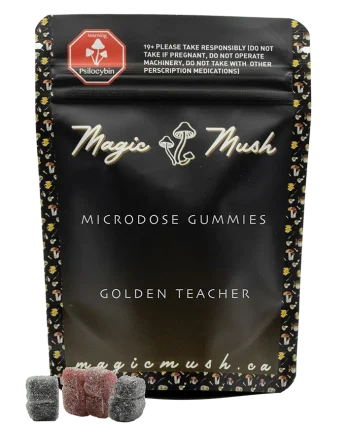
Microdosing psilocybin offers a strikingly different approach to pain management. Unlike traditional painkillers, which either block pain signals or dull the senses, microdosing works on a deeper, more holistic level by influencing the brain’s perception of pain and enhancing mood. Psilocybin has been shown to interact with serotonin receptors, which play a critical role in regulating both mood and pain. By modulating these receptors, microdoses of psilocybin can reduce the intensity of pain while simultaneously elevating mood, providing a dual benefit that traditional painkillers often lack.
Another key advantage of psilocybin is its non-addictive nature. While opioids can quickly lead to tolerance and dependency, there is no evidence that microdosing psilocybin leads to addiction. This makes it an attractive option for women who are looking to manage pain without the risks of becoming reliant on strong pharmaceuticals. Moreover, because psilocybin promotes neuroplasticity, it has the potential to help the brain form new, healthier connections in response to pain, offering long-term benefits beyond mere symptom relief.
However, it is important to note that psilocybin is not yet a widely accepted or legal treatment for postoperative pain, and its use remains in the experimental stages. But as the body of research grows and more clinical trials are conducted, there is hope that psilocybin could one day become a mainstream alternative to traditional painkillers, providing women with a safer, more effective way to manage postoperative recovery.

Conclusion
As research continues to expand, the future of using psilocybin for postoperative pain management in women looks increasingly promising. With its potential to alleviate pain, boost emotional well-being, and support faster healing, microdosing magic mushrooms could revolutionize traditional pain management strategies. While this approach is still in its early stages, the growing evidence points to psilocybin as a game-changer in postoperative recovery, offering women a safer and more holistic way to manage pain and restore their health.
For those considering microdosing with Microdose capsules, Mushroom gummies, Magic mushroom chocolates, or Dried magic mushrooms as part of their recovery journey, it’s crucial to proceed with caution and responsibility. Consulting with a healthcare professional ensures a personalized and informed experience. If you’re in the area, exploring magic mushrooms in Toronto can provide accessible options for integrating this natural remedy into your recovery toolkit. With the right support and a deeper understanding of your body’s needs, psilocybin could become a transformative tool in your healing journey.
FAQ
Can microdosing psilocybin replace conventional painkillers post-surgery?
While microdosing psilocybin shows promise, it should be viewed as a complementary approach rather than a replacement for conventional painkillers.
What are the potential risks of microdosing psilocybin for postoperative pain?
As with any treatment, there are potential risks. It’s important to discuss these with a healthcare provider and consider factors like dosage, individual health conditions, and possible interactions with other medications.
How can I get involved in advocating for psilocybin therapy?
Stay informed, participate in community discussions, and support organizations that are working towards legal reforms and scientific research in this field.
What should I consider before trying microdosing psilocybin for postoperative pain?
Consult with healthcare professionals, consider legal aspects, and ensure a supportive environment for your therapy journey.
Is microdosing psilocybin safe for postoperative pain management?
While research is ongoing, early studies suggest that when done under supervision, microdosing psilocybin can be a safe and effective method for managing postoperative pain.
How does psilocybin impact the brain’s perception of pain?
Psilocybin has been shown to rewire certain neural pathways, potentially altering the way the brain processes and perceives pain, leading to reduced pain sensation and improved recovery experiences.