
I’ll never forget one of my first experiences with psilocybin as an adult woman. It was a quiet weekend, just me, some good music, and a dose that I thought I could handle easily. What I didn’t anticipate was how raw, intense, and emotionally loaded the trip would feel. Scenes that normally might have elicited a mild curiosity instead hit me like waves, and moments that I expected to feel playful or reflective felt almost painfully real. At the time, I chalked it up to the dose or my mental state, but later, looking back, I realized I had been in a hormonally sensitive phase of my menstrual cycle—right in the luteal window, just before my period. Suddenly, a lot of things made sense. The sensitivity, the emotional amplification, the way the trip seemed to dig into feelings I wasn’t even consciously aware of. It wasn’t random. My body was speaking in a language I didn’t fully understand yet.
This realization sparked a bigger question: Why isn’t this talked about more? Why do so many women experience intense, sometimes destabilizing reactions to psychedelics, and yet most research still frames results around male participants? It became clear to me that we’re missing a vital conversation about women, hormones, and psilocybin. The emotional depth, the sensitivity to dosage, the fluctuations in introspection and insight—they all interact with our hormonal rhythms in ways that are rarely addressed in mainstream psychedelic literature. This is also where the concept of the divine feminine becomes deeply relevant, inviting us to explore not just biology but the sacred intelligence of the body itself. That’s the conversation I want to have here: one grounded in science, experience, and respect for the complexity of being a woman navigating psychedelic spaces.
🌸 Explore how psilocybin microdosing is emerging as a potential tool for women struggling with major depression — and what the research suggests

Why It Feels Like Nobody Has Been Talking About Women’s Unique Experiences With Psychedelics Until Now
Let’s be honest: the research on psychedelics has been overwhelmingly male-centric for decades. Early studies simply excluded women or avoided studying hormonal cycles because they were considered “too complicated” or variable to measure. The result? A huge blind spot in our understanding. Most of the dosing recommendations, reported experiences, and even safety guidelines are extrapolated from male participants. That means when women take psilocybin recreationally or therapeutically, many are left to navigate heightened sensitivity, emotional intensity, and hormonal fluctuations on their own — often on top of real-life pressures like mom burnout, identity shifts, and the emotional labor that disproportionately falls on women.
Emerging research is slowly beginning to acknowledge this gap. Some studies are starting to explore how estrogen and progesterone modulate serotonin pathways and influence the Default Mode Network during psychedelic experiences. Others are beginning to examine sex differences in psilocybin sensitivity and emotional processing. But we are still in the early days. Women deserve guidance and research that actually considers the interaction between hormones and psychedelics, rather than treating it as an afterthought. And this isn’t about weakness or fragility—it’s about understanding patterns and providing clarity for safer, more intentional journeys.
Here’s What’s Happening Biologically When Your Hormones Meet Psilocybin and Why That Emotional Amplification Makes Total Sense
Let’s break it down in a way that’s approachable. Estrogen and progesterone fluctuate throughout the menstrual cycle, and these fluctuations influence serotonin receptors in the brain—the very receptors that psilocybin interacts with, particularly the 5-HT2A receptor. Estrogen appears to increase sensitivity to psychedelics, which can heighten visual and emotional perception, as well as introspective states. Progesterone, on the other hand, may increase emotional reactivity, sometimes making anxiety, agitation, or strong emotional processing more likely.
There’s also the Default Mode Network (DMN) to consider. Psilocybin quiets the DMN, which is associated with self-referential thinking, habitual patterns, and the sense of ego. Hormonal shifts can modulate DMN activity as well, creating a sort of double effect: the psychedelic loosens entrenched patterns while hormonal fluctuations modulate emotional intensity and cognitive focus. Put together, this explains why women often report trips that feel emotionally deeper, more intuitive, or even overwhelming, depending on the timing of their cycle.
Understanding this biological interplay doesn’t overcomplicate things—it contextualizes the experience and validates why certain journeys feel more potent. It’s not just the substance or the setting; it’s the synergy between your hormones, your brain chemistry, and the neuroplastic window that psychedelics open.
🤱 Discover why some moms turn to microdosing for anxiety and what to consider before choosing that path

Breaking Down the Cycle Phases: Why You Might Notice Different Emotional and Cognitive Responses Depending on Timing
If we consider the menstrual cycle in phases, you start to see patterns in how psilocybin might interact with hormonal rhythms. In the follicular phase—the days after your period, before ovulation—estrogen is rising. Many women report clearer thinking, smoother emotional regulation, and experiences that feel lighter or more focused. This phase may support positive mystical-type experiences, gentle insight, and reflective journeys without excessive emotional volatility.
During ovulation, estrogen peaks and women may experience heightened emotional presence and confidence. Psychedelic journeys during this time can feel very “alive,” with strong insights and a sense of vivid connection to internal and external experience. Some report a more pronounced sensitivity to the dose, meaning even familiar amounts can feel amplified.
The luteal phase, leading up to menstruation, brings progesterone dominance and increased limbic reactivity. Emotional amplification is common here—trips may feel more intense, confrontational, or cathartic. This phase often surfaces trauma, shadow material, or unresolved emotions more readily, which can lead to profound breakthroughs but also a sense of overwhelm if not integrated carefully.
Finally, menstruation itself is highly individual. Some women report feeling flat or numb, while others feel deeply open and reflective. Both are valid experiences, and the key takeaway is to listen to your body and plan journeys with awareness of your phase rather than following rigid rules.
Beyond Cycles: Birth Control, Postpartum, and Perimenopause Add More Layers to the Psychedelic Experience
Hormonal contraceptives introduce synthetic hormones that can blunt or alter psilocybin sensitivity. Emotional fluctuations may be amplified in unexpected ways, and some women notice different qualities in introspection or insight when on birth control. Postpartum, the dramatic hormonal drop can make psychedelics feel destabilizing or clarifying, depending on context, and perimenopause introduces irregular cycles and emotional lability that may trigger intense introspection or sudden shifts in trip tone. For those already navigating challenges like chronic pelvic pain in women, these hormonal landscapes can shape not just the psychedelic experience but also the emotional meaning drawn from it. In all cases, these are patterns to be aware of, not problems to fix. Respect, awareness, and careful integration are key.
How Hormones Shape the Emotional Meaning-Making That Psychedelics Amplify
It’s important to remember that psychedelics amplify what’s already active in the emotional body, and hormones play a big part in that baseline. Estrogen might create more sensitivity to relational themes, emotional nuance, or aesthetic experiences. Progesterone may intensify limbic responses, surfacing anxiety, unresolved grief, or deeply held emotional memories. These hormonal influences interact with neuroplasticity windows, trauma history, and relational themes, meaning that the content of a trip and how it’s interpreted is deeply shaped by where you are in your cycle. Emotional intensity is not a flaw; it’s your biology interacting with the substance, producing information your mind and body might need to process.
Check out this magic mushroom!!

A.P.E Psilocybin Chocolate Bar
$60.00Dried Penis Envy Magic Mushrooms
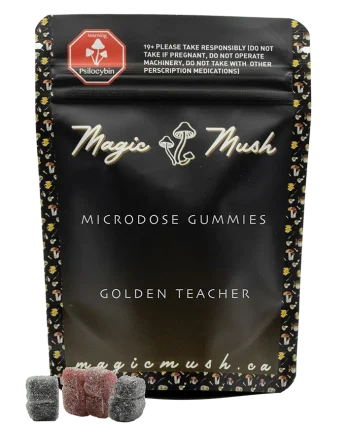
Price range: $60.00 through $240.00Golden Teacher Gummies for Microdosing
$25.00


Why It Matters for Women: Understanding Patterns Without Feeling Fragile or Overly Cautious
This conversation isn’t about fragility; it’s about understanding your own patterns and creating safer, more intentional psychedelic experiences. Women deserve research and guidance that includes them, not as an afterthought. Awareness of cycle timing can enhance clarity, reduce unexpected overwhelm, and make it easier to integrate insights. Knowing that hormonal sensitivity is intelligence, not weakness, can empower women to navigate journeys with confidence and self-compassion.
Practical Guidance for Navigating Psilocybin Journeys as a Woman Without Overthinking or Over-Controlling
First, track your cycle. Simply noting whether you’re in the follicular, ovulatory, luteal, or menstrual phase can provide context for how intense or emotionally loaded a trip might feel. Second, consider microdosing or lower doses during phases of extreme PMS or heightened emotional reactivity—this is not about avoiding the experience but about managing intensity. Third, when integrating, note your cycle phase along with your reflections. This can help distinguish whether emotional content was amplified by hormones or represents something more general about your psychology.
Seek supportive integration if your emotions feel amplified. Conversations with a facilitator, therapist, or trusted community member can create grounding perspective. Remember, a difficult experience doesn’t mean anything is wrong—it’s an opportunity to observe and reflect, not to judge or over-interpret. Awareness and thoughtful harm reduction are your best tools.
💬 See whether psychedelics can be part of couples therapy and find out what to consider before using them together

What the Research Actually Tells Us (Even if It’s Limited) and Why It’s Still a Start
There are a few key points that help ground these observations in science. Estrogen impacts serotonin systems, which psilocybin interacts with directly. 5-HT2A receptor density changes across the menstrual cycle, meaning that sensitivity fluctuates naturally. Early psilocybin studies, while limited, note sex differences in both emotional intensity and cognitive patterns. Even research on bipolar II and hormonal influence highlights that hormonal fluctuations can significantly shape emotional and cognitive responsiveness to interventions, psychedelic or otherwise. While more studies are needed, what exists provides a starting framework for understanding how hormonal cycles intersect with psychedelic experiences in meaningful ways.
Why This Conversation Is Long Overdue and How Women Can Take Ownership of Their Experiences
This conversation is missing because it’s complicated, but complexity is no excuse for omission. Women’s experiences, sensitivities, and patterns matter and deserve attention in both research and practice. Sensitivity isn’t weakness; it’s a valuable lens for deeper understanding, emotional intelligence, and intentional use. Listening to your body, observing patterns across cycles, and integrating with awareness can make psilocybin journeys safer, more insightful, and personally transformative without resorting to mysticism or absolutes.
By understanding the interplay between hormones and psychedelics, women can approach their journeys with nuance, confidence, and compassion. Each experience is unique, and the more we validate and explore these differences, the closer we get to equitable psychedelic research and safer practices for all.
✨ Discover how microdosing psilocybin may help overcome treatment-resistant addiction and learn what that could mean for women

Take Control of Your Psychedelic Experiences and Learn With a Little Help From Magic Mush Canada
So, let’s wrap this up in a way that actually lands. We’ve spent some time exploring why women often feel psilocybin more deeply, how hormones—estrogen, progesterone, and the various phases of the menstrual cycle—interact with your brain chemistry, and why certain trips can feel emotionally amplified or unexpectedly intense. We’ve talked about how birth control, postpartum shifts, and perimenopause add extra layers to your psychedelic sensitivity. Most importantly, we’ve emphasized that these experiences aren’t about fragility—they’re about pattern recognition, emotional processing, and approaching your journey with awareness. By paying attention to your cycle, noting how your body responds, and integrating with intention, you can navigate psilocybin journeys in a safer, more insightful, and grounded way.
This isn’t just theory; it’s about actionable understanding. You now know that timing, context, and personal biology play huge roles in shaping your trip, and that reflecting on the experience—without over-romanticizing the “message”—can lead to meaningful personal growth. Emotional amplification isn’t a flaw. Hormonal sensitivity isn’t a problem. With the right awareness, preparation, and integration, these journeys can be insightful, even transformative, without veering into overwhelm or confusion.
This is where Magic Mush Canada comes in. Think of us like your friendly, knowledgeable buddy who actually gets the science and the nuance of women’s psychedelic experiences. We’re not here to hand you mystical promises or tell you what your journey “means.” We’re here to provide premium, rigorously tested dried magic mushrooms, education on safe use, and the resources you need to approach your experiences with confidence. Whether it’s understanding dosage, integration practices, or simply knowing the products you’re using are high quality, we’ve got your back.
At Magic Mush Canada, we also care about community. Exploring psychedelics can feel isolating if you’re not sure how your experiences fit into the bigger picture. That’s why we foster a supportive space where curious psychonauts—especially women navigating the complexities of hormonal cycles—can share, learn, and grow without judgment. We want you to feel empowered to make your own choices, with access to education, guidance, and science-backed insights that help you integrate your journeys safely and effectively.
Finally, our goal is simple: to make it easy and safe to explore psychedelics while honoring your body, your biology, and your personal growth. Seamless online shopping, privacy, high-quality products, and exceptional customer support aren’t just perks—they’re our promise. So if you’re ready to dive deeper, track your cycles, and approach psilocybin with clarity and confidence, we invite you to check out “Magic Mush Canada”. Join our community, stay informed about new products, and explore psychedelics on your terms—because understanding yourself, your body, and your experiences should always feel empowering, never overwhelming.

