The best way I can describe emotions is like watching a wave crash on the shore. They rise up, they curl, they crest, and then they release back into the ocean. But I didn’t always see it this way. For most of my life, I treated emotions like something dangerous, like I needed to build a wall around them before they swallowed me whole. I still remember this one particular day when I tried to “hold it together” in front of everyone. My throat locked up, my chest tightened like a vice, and I felt this strange numbness wash over me. I thought I was in control, but what I really did was turn into a stone version of myself.
That moment planted the seed of a question that’s been growing ever since: what if emotions aren’t meant to be controlled or caged? What if they’re actually supposed to move through us, just like waves move through the ocean?
🍄Discover my guide on why embracing hard emotions is essential for true spiritual growth and how feeling deeply can lead to transformation
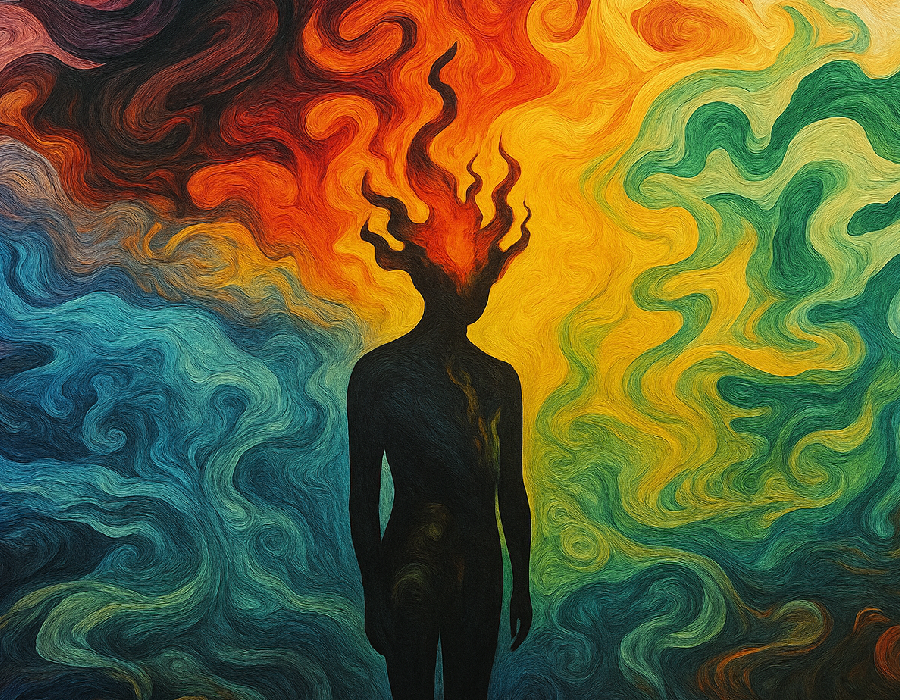
When I Tried To Bottle Grief, Rage, And Fear, It Almost Broke Me (And Not In A Cute Way)
There was a season in my life when grief and anger kept circling me like storm clouds. I told myself I had to be strong, that crying or raging or even letting myself shake with fear would make me weak. So I bottled everything up. My body became the container for emotions I didn’t want to touch. The grief sat in my chest like a heavy stone. Rage burned in my jaw because I clenched it so hard. Fear lived in my stomach, making me feel sick every time I had to face the world.
And then came the day everything cracked. I couldn’t hold it anymore. I broke down crying so hard that my whole body shook, my throat ached from the sounds that poured out, and my hands trembled like I was releasing something ancient. And you know what? Afterward, I felt lighter. Not magically healed, not suddenly free of pain—but there was a release, a space, a breath I hadn’t felt in months. That messy, unfiltered release showed me something I wish I’d known all along: emotions are meant to move. They are not meant to stay stuck inside us.
Let’s Get Into What’s Actually Going On: Emotions Are Energy-In-Motion
The more I’ve learned, the more I understand that emotions really are what the word suggests: energy in motion. They’re not static things, and they’re not here to punish us. They’re processes our body is designed to run. When an emotion rises, it wants to peak, move through, and eventually complete its cycle. That’s how our nervous system maintains balance.
But when we block that cycle, the nervous system doesn’t just shrug and say, “Cool, we’ll just let that go.” No—it stores it. It tucks the unexpressed emotion into our muscles, our posture, our gut, and sometimes even into chronic pain or illness. In the short term, that shutdown is protective. It lets us get through the tough moment, survive the meeting, or function when life feels impossible. But long term? The cost is burnout, anxiety, disconnection, and often illness.
What trauma research has shown is that trauma isn’t only about the event itself. It’s about what happens when the body never gets to complete its natural emotional response. That freeze response, that stuckness, is what keeps us in cycles of fear, pain, or numbness.
And here’s the reframe that changed everything for me: emotions are not problems that need fixing. They are processes that need completing.
🍄Check out my guide on psilocybin microdosing and learn how it can support emotional well-being, balance, and personal growth
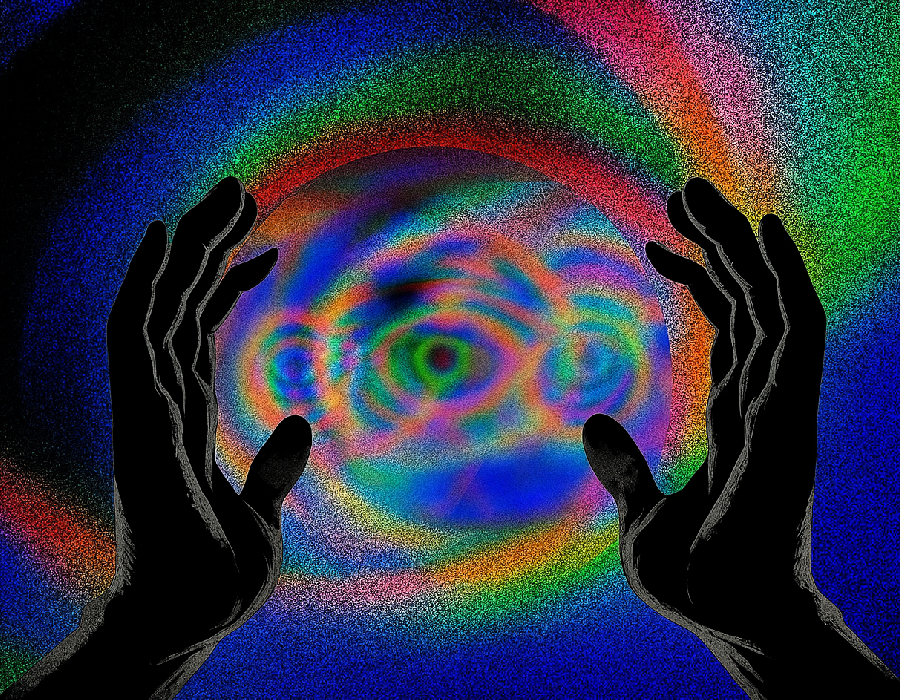
Emotions Are Waves, Not Walls (And I Wish Someone Told Me That Earlier)
The wave metaphor is one of the simplest, but also one of the most accurate. Imagine a wave forming in the middle of the ocean. It rises, it builds, it crests, and then it dissolves. That’s the natural process. But when we resist an emotion—when we fight it, suppress it, or clench against it—it’s like trying to freeze a wave mid-crest. Impossible. The energy has to go somewhere, and instead of flowing back into the ocean, it just stays stuck, suspended, draining our energy as we try to hold it in place.
When we let emotions be waves, we notice they don’t actually last forever. Anger might rise like a tidal wave, but if we allow it to move safely, it eventually dissolves. Grief can crash hard, but it doesn’t hold us under permanently. Emotions are not walls that imprison us. They’re waves reminding us to move with life.
The Body Always Holds What The Mind Doesn’t Want To Face
One of the most humbling lessons I’ve learned is that the body doesn’t lie. When I tried to avoid grief, my chest felt heavy. When I pushed down anger, my jaw and neck turned into stone. When I avoided fear, my stomach clenched into knots. That’s the body doing the work the mind refuses to.
We think we’re clever by avoiding feelings, but the body always knows. Tension, chronic headaches, digestive issues, autoimmune flares, even numbness—so often they trace back to unprocessed emotions stuck in the nervous system. The body becomes the storage unit for all the feelings we decided weren’t safe to feel.
Suppression Doesn’t Make Emotions Go Away, It Just Makes Them Leak Out Everywhere
Here’s the kicker: suppressed emotions don’t disappear. They leak. I didn’t realize this for years, but my irritability, my random fatigue, my obsessive overthinking—those were all emotions trying to find a way out. The anger I swallowed came out as snapping at people over tiny things. The grief I buried showed up as endless exhaustion. The fear I tried to ignore turned into constant worry and overplanning.
Suppression is like pressing down on a balloon. You might flatten it in one place, but it’s going to bulge somewhere else.
Check out this magic mushroom!!

A.P.E Psilocybin Chocolate Bar
$60.00Dried Penis Envy Magic Mushrooms
Price range: $60.00 through $240.00Golden Teacher Gummies for Microdosing
$25.00


Expression Is What Restores Flow (And Yes, That Means Letting Yourself Get Messy)
The antidote is expression. Not in a polished, Instagram-aesthetic, “crying prettily” kind of way. I mean raw, somatic, body-level expression. Crying until your body shakes. Trembling and letting the nervous system discharge. Moving in strange, awkward ways that help energy shift. Making sounds you didn’t know were inside you. Writing furiously until your pen digs into the paper.
Expression is what restores flow. It’s what allows the nervous system to complete the loop and return to regulation. Every time I’ve let myself cry, scream into a pillow, shake during breathwork, or move with music until my body feels lighter, I’m reminded: the body knows how to heal if we let it move.
Why Safety Is The Secret Ingredient That Unlocks Emotional Release
But here’s something important: emotions don’t move in unsafe spaces. If your nervous system feels threatened—if you think you’ll be judged, rejected, or overwhelmed—those feelings are going to stay locked up tight. That’s why safety is everything. It’s the foundation that allows release.
And sometimes, psychedelics can create that temporary sense of safety. They can soften the walls of the ego, lower defenses, and let emotions we’ve avoided finally surface. It can be overwhelming if you’re not prepared, but it can also be deeply liberating if supported with intention and care.
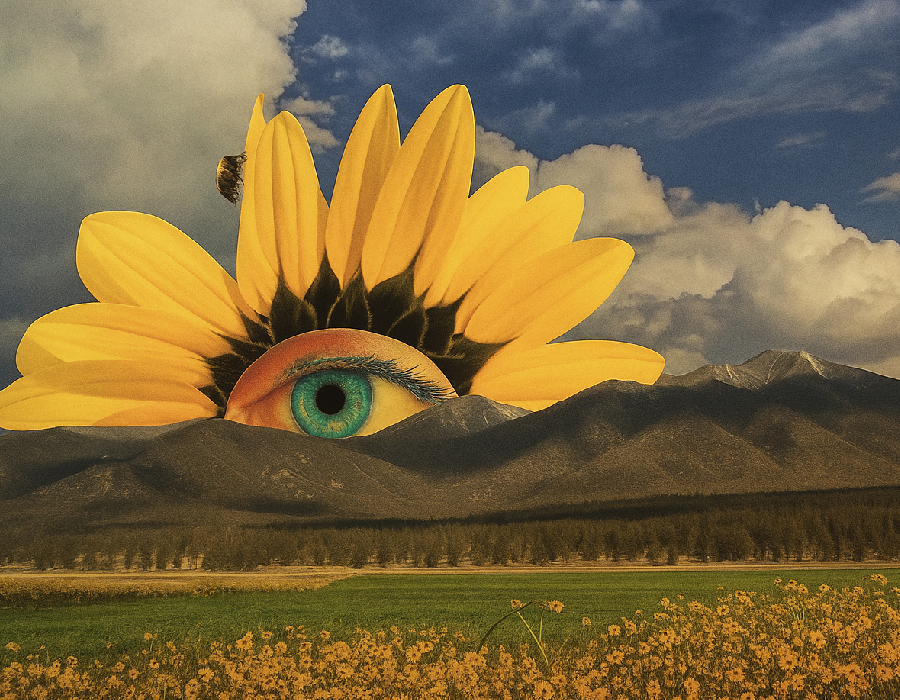
🍄Explore my guide on how to handle unexpected emotions during microdosing and learn practical ways to process and integrate them safely
Psychedelics And Microdosing: When Feelings Finally Find A Way Out
One of the most powerful gifts psychedelics can bring is the chance for emotions to finally move. Under the influence of dried magic mushrooms or MDMA, people often find themselves crying, shaking, or laughing in ways they never could sober. Defenses drop, and the body gets to release what it’s held for years.
Microdosing works differently. It doesn’t flood the system with emotion, but it gently loosens the ice around them. It’s like a slow thaw. Over time, microdosing can help people process emotions in manageable, bite-sized ways, rather than all at once. This can be especially helpful if you’ve spent a lifetime holding it all in.
And because emotions don’t always move on their own, grounding practices matter. Breathwork, movement, touch, journaling—these are the tools that help the wave crest and recede, rather than crash in a way that feels unsafe.
Coming Back To The Point: Emotions Aren’t Meant To Stay, They’re Meant To Move
There was a time when grief terrified me. I thought if I let it out, I’d drown in it. But now, when grief comes, I cry, I shake, I let the tears stream. And then, like rain clearing from the sky, I feel clearer, softer, more human.
So here’s my gentle invitation to you: pick one feeling you’ve been avoiding and give it five minutes today. Sit with it. Cry, shake, write, move—whatever feels real. Let it have its moment.
Because feelings are not meant to be prisons. They are waves, they are rain, they are movement. They are here to flow through you, not stay stuck inside.

Ready To Let Your Feelings Move? Here’s How We At Magic Mush Canada Can Support You
If there’s one thing I’ve learned through all of this, it’s that emotions aren’t here to trap us or weigh us down. They’re waves that are meant to rise, crest, and then release. Every time I’ve tried to hold them back—whether it was grief, rage, or fear—I ended up carrying them in my body like heavy baggage. But the moments I actually allowed myself to cry, shake, or just breathe through it, I felt lighter and more alive. That’s the whole point: emotions are meant to move through us, not get stuck inside.
I’ve also seen how psychedelics can play a role in that process. A big journey can bring old feelings rushing to the surface, while microdosing can gently thaw the layers of numbness over time. Pairing those experiences with grounding tools like breathwork, movement, or journaling has helped me create space for emotions to move without overwhelming me. At the end of the day, it always comes back to the same truth: emotions aren’t meant to stay forever—they’re meant to move and shift, leaving us more open to life.
And this is where we at Magic Mush Canada come in. We know how intimidating it can feel to take those first steps into exploring mushrooms, which is why we’ve worked so hard to make it safe, supportive, and stigma-free. For us, it’s never just about selling products—it’s about creating a community where we can all explore and grow together.
What I love most about what we’re building at Magic Mush Canada is that we’re not only offering premium, carefully tested mushrooms—we’re also committed to making sure you feel informed and supported every step of the way. We care about education, about safety, and about shifting the way magic mushrooms are viewed in Toronto. For us, it’s personal. We’ve seen the healing potential and we want you to experience it in a way that feels safe and empowering.
So if you’ve been carrying emotions that feel stuck and you’re curious about what’s possible when you let them move, we’d love for you to join us. At Magic Mush Canada, we’re here to walk alongside you—whether that means helping you choose the right product, answering your questions, or simply giving you a place to feel connected. Sign up for our community, stay close for updates and new offerings, and let’s discover together what it means to let our feelings move. Because we believe in this journey, and we believe in you.