I still remember the exact moment it happened to me. My best friend texted, “So…what is microdosing exactly?” I froze for a second. I’d been hoping someone would ask for ages, but suddenly it wasn’t hypothetical—it was real. I wanted to share, but I didn’t want to overwhelm her or sound like I was preaching. I wanted to meet her where she was, not where I was. I wanted to offer a doorway, not push her through it.
This moment is rare. Most people don’t casually ask about psychedelics, personal growth, or unconventional wellness habits. So when someone finally does, it’s a small, precious opportunity to guide them in a thoughtful, human-centered way. You don’t need to have all the answers. You just need to respect their curiosity, match it to their level of readiness, and provide resources they can digest at their own pace.
I’ve learned that the way we respond shapes how they see the topic—and whether their curiosity will grow—or shrink. Sometimes, it’s a single podcast link. Sometimes, it’s a short article that’s easy to read with a cup of coffee. And sometimes, it’s just an invitation to talk again later. This isn’t about impressing anyone or proving a point. It’s about caring for their curiosity and holding space for it.
When you’re asked, it’s tempting to feel pressure. “What if I say too much? Too little? What if they judge me?” These worries are normal. But approaching the conversation with humility and presence makes the biggest difference. You don’t need perfect words—you need honesty and attention. Listening carefully before responding is often more impactful than any article or podcast you could share.
Finally, remember that curiosity is an invitation, not a demand. Even if they ask today, they might not follow up immediately. That’s okay. The door is open, and that alone can be meaningful. Simply holding space and providing thoughtful guidance can spark a long-lasting interest that unfolds gradually.
🍄Discover why speaking out about your psychedelic insights can help you process them, integrate lessons, and make your experiences truly transformative

The Moment They Ask Is Rare—Treat It Like Gold
Let’s be honest: how often does someone actually pause to ask about something so personal and potentially misunderstood? Very rarely. And that’s why you have to treat it gently. Their curiosity is like a delicate flower—it can bloom beautifully if nurtured, or wilt if mishandled. That means no overloading with information, no “here’s everything I’ve ever learned” emails, and definitely no pressuring them to take action.
When someone asks, slow down. Take a breath. Listen carefully to their question and observe their tone. Are they skeptical? Curious? Overwhelmed? Each of these moods deserves a different kind of response. The key is to honor the rarity of the moment and treat their inquiry as a privilege. Think of it as a small crack in the door, not an invitation to stage a full-blown seminar.
Treating the moment with care also means being patient. If they need time to think before responding, that’s perfectly fine. Curiosity isn’t a race, and pushing someone to “catch up” can backfire. Instead, validate their interest and make it clear that you’re happy to provide resources when they’re ready. This gentle approach builds trust and fosters an open, nonjudgmental dialogue.
It’s also worth noting that timing matters. Some people ask at a moment when they’re most receptive—perhaps after a stressful week, a milestone, or a personal revelation. Pay attention to these cues. Responding with care and timing your suggestions thoughtfully can make your guidance more meaningful and memorable.
Finally, remember that rarity makes the moment precious. Don’t squander it with anxiety, over-preparation, or fear of saying the “wrong thing.” Showing up with attentiveness and a willingness to guide them at their own pace is often the most powerful thing you can offer. Curiosity deserves reverence, and your response can set the tone for the entire journey.
Don’t Flood Them With Everything You Know—Ask Back First
One of the mistakes I made early on was assuming I knew what someone wanted. My cousin once asked why I seemed calmer and more present lately. I immediately sent her five links, three podcasts, and a detailed description of my microdosing schedule. She never replied. Later, when I checked in, she admitted she just wanted a single, simple article she could read in the morning.
This taught me an important lesson: always ask back. Before sharing, ask, “What are you curious about?” or “Do you want a quick intro or something more in-depth?” It sounds simple, but it changes everything. It allows you to tailor your response and prevents information overload. You’re not hiding anything; you’re shaping the information to meet them where they are.
Asking back also shows that you respect their curiosity. It turns a potential lecture into a conversation. They feel heard, and you feel confident that the resources you provide will actually land. It’s a small step, but it sets the stage for a more meaningful exchange.
Another benefit of asking first is that it builds agency. By inviting them to articulate their curiosity, you empower them to explore topics on their own terms. They aren’t passive recipients of knowledge—they’re co-creators in the learning process. This shared ownership often makes the experience more memorable and transformative.
Finally, asking first prevents miscommunication. You might assume they want research-heavy resources when they’re actually looking for something reflective or spiritual. Clarifying their interest early avoids sending them down the wrong path and keeps the conversation gentle, focused, and respectful.
🍄Explore how psychedelics can open new doors in couples therapy and help transform circular conversations into deeper connection

Common Curiosity Archetypes and What to Share (So You Don’t Have to Guess)
Different people approach curiosity in different ways, and knowing the archetypes can save you from sending resources that don’t resonate. Here are some common types I’ve encountered and what tends to work best for each.
The Skeptical Parent
Parents are often cautious. They want to understand but may feel protective or skeptical. For them, gentle, trustworthy resources are key. A documentary like Fantastic Fungi on Netflix is perfect. It’s visually compelling, grounded in science, and framed in a way that emphasizes personal growth rather than “try this now.”
Pair it with Michael Pollan’s How to Change Your Mind, either the book or the docuseries. Pollan presents psychedelics in a research-backed, thoughtful way that reassures skeptical viewers. The goal is to meet them where they are, giving them information that is credible, digestible, and relatable. This combination helps build understanding without pushing them out of their comfort zone.
Parents also tend to appreciate context and safety information. Providing brief notes about the scientific backing, history of research, or therapeutic applications can reassure them that the topic is grounded in credible science. They don’t need everything at once—just a clear, compassionate introduction that respects their caution.
Finally, remember that patience is key. A parent might need days, weeks, or even months to process new ideas. Follow up gently, without pressure. A small, thoughtful gesture—a link, a note, a shared video—can open the door without overwhelming them.
The Burned-Out Friend
Some friends are exhausted, stressed, or just looking for a bit of relief. They don’t need heavy science—they need practical, approachable insights. A podcast episode, like Huberman Lab’s discussion on psychedelics and mental health, is a great start. It’s conversational, evidence-based, and feels like a friend explaining something over coffee.
Pair that with a beginner-friendly article on microdosing and mood. Keep it simple, relatable, and focused on emotional wellness. The idea is to offer an introduction, not a prescription. Burned-out friends are already overwhelmed; overloading them will likely shut the door rather than open it.
Burned-out friends also benefit from tangible examples. Sharing short stories or case studies—like someone using microdosing to reduce stress or improve focus—makes the concept feel real and applicable. It transforms abstract curiosity into something concrete and approachable.
Finally, don’t forget encouragement. A burned-out friend might doubt whether any of these practices could help them. Offering reassurance that exploring these resources doesn’t require commitment can reduce anxiety and make them more willing to engage at their own pace.
Check out this magic mushroom!!

A.P.E Psilocybin Chocolate Bar
$60.00Dried Penis Envy Magic Mushrooms
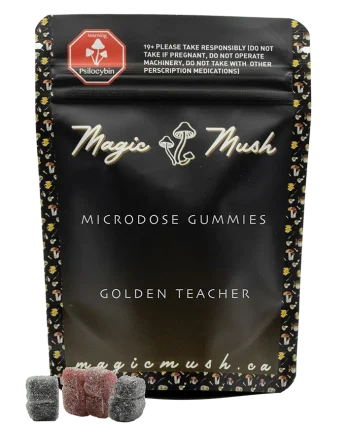
Price range: $60.00 through $240.00Golden Teacher Gummies for Microdosing
$25.00


The Science-Brain Type
Some people thrive on data, neuroscience, and research studies. They want to know what’s happening in the brain and whether studies are credible. For them, MAPS.org research summaries are perfect. They’re authoritative and digestible. Another excellent resource is the Imperial College London study on psilocybin for depression.
These resources offer evidence, methodology, and results in a way that satisfies their analytical curiosity. The key is to respect their need for data without turning it into a lecture. Provide the resources, highlight the findings, and invite discussion, rather than insisting on personal interpretation.
Science-minded individuals also appreciate updates on ongoing studies, emerging research, and citations for further reading. Providing these resources signals credibility and supports a deeper dive for those who want to explore the subject thoroughly.
Finally, framing scientific information in relatable terms helps them connect theory to experience. Explaining how studies relate to mood, cognition, or creativity bridges the gap between abstract data and personal application, making the material more digestible and meaningful.
The Spiritual Seeker
Then there are those drawn to psychedelics for introspection, meaning, or spiritual growth. Books like The Psychedelic Explorer’s Guide are excellent for this audience. Podcasts featuring Aubrey Marcus or East Forest’s conversations with therapists also resonate well, as they combine personal stories, guidance, and reflective inquiry.
Spiritual seekers often respond to resources that honor their journey and encourage reflection. They don’t need facts and figures first—they need context, inspiration, and a sense of shared exploration.
Sharing experiences from trusted guides or therapists also helps build a sense of safety. Spiritual seekers may feel vulnerable exploring inner landscapes, so curated guidance reassures them that exploration is supported and intentional.
Finally, encourage reflection rather than action. Questions, journaling prompts, or gentle discussion topics allow spiritual seekers to integrate their curiosity meaningfully, rather than feeling rushed into a specific practice or outcome.
The Artist/Creative
Artists and creatives often approach psychedelics as a tool for inspiration. Short, accessible articles on microdosing for creativity can be very effective. Additionally, interviews with creatives who use psilocybin—whether written or video—help normalize the experience and show practical, real-world applications.
The goal here is to highlight creativity, curiosity, and exploration. These resources allow the person to imagine possibilities without pressure. They can engage at their own pace and explore creativity safely and responsibly.
Artists also benefit from examples that demonstrate tangible outcomes, such as improved focus, divergent thinking, or enhanced problem-solving. Showcasing real-world stories helps them envision possibilities without prescribing a one-size-fits-all approach.
Finally, emphasize that creative exploration is personal. There’s no “right” way to engage, no timeline, and no requirement for specific outcomes. Offering resources that respect individuality fosters curiosity and empowers them to explore with intention and freedom.
🍄Learn how to talk to your parents about psychedelics in a way that’s honest, approachable, and actually gets them listening

Use Your Story Sparingly—But Honestly
It’s tempting to say, “This changed my life, and you have to try it.” Resist that urge. Your story is powerful, but it works best when shared as a personal reflection, not a universal prescription. Focus on “This helped me with X” rather than “You need to do this.”
Authenticity matters more than quantity. A brief anecdote about your experience can help humanize the topic and make it approachable. The goal is to offer insight, not instruction. Sharing honestly builds trust and opens the door for continued conversation.
When telling your story, include the context that shaped your decisions and experiences. Explain your motivations, challenges, or uncertainties. This makes your narrative relatable, showing that personal exploration is nuanced rather than prescriptive.
Finally, leave space for questions. Avoid framing your experience as definitive. Instead, share it as a perspective that may inform or inspire curiosity. This encourages dialogue and lets them explore without pressure or judgment.
Offer to Keep the Door Open
Curiosity isn’t always a one-time event. Let people know it’s okay to ask again—or not at all. Suggest a follow-up conversation, a chance to revisit the topic later, or simply an ongoing space to explore questions.
This approach reduces pressure, fosters trust, and honors the individual’s pace. Sometimes, the simple act of leaving the door open is more impactful than any single article or podcast you might share.
It’s also a chance to reinforce that learning and curiosity are ongoing processes. By emphasizing that it’s okay to return to questions, you normalize exploration and make them feel supported rather than pressured.
Finally, maintain a gentle presence. Check in occasionally, offer new resources sparingly, and celebrate their curiosity. This consistent, low-pressure approach strengthens trust and encourages continued engagement over time.
Optional Psychedelic Tie-In (Microdosing)
Microdosing is often the first point of curiosity for people new to psychedelics. It’s low-barrier, non-intimidating, and aligns with goals like mood, focus, or creativity. You can gently introduce microdosing as a “gateway curiosity”—a safe way to explore without a full psychedelic experience.
Mention that many people start with questions about microdosing because it feels approachable. Offering a brief overview or beginner-friendly article can spark interest without pressure, giving them the space to explore safely and thoughtfully. If you want a full guide, we’ve got you covered here.
Microdosing also allows individuals to test curiosity in a controlled way. They can experiment with small, intentional doses, observe changes, and integrate experiences gradually. This often reduces fear or uncertainty associated with full psychedelic experiences.
Finally, microdosing serves as a conversation starter. Sharing experiences, research, or credible resources about microdosing can open doors to broader discussions, helping others explore curiosity responsibly and safely.
🍄Discover when to speak and when to simply feel during a psychedelic trip to make the most of your experience

Share Your Curiosity and Explore Safely with Magic Mush Canada
Curiosity is a gift, and when someone finally asks, it’s a rare moment worth treating with care. Throughout this guide, we’ve explored how to handle that first “So…what have you been doing lately?” moment. From understanding different curiosity archetypes—whether it’s a skeptical parent, a burned-out friend, or a creative soul—to choosing the right resources, the key takeaway is simple: meet people where they are, offer thoughtful guidance, and leave the door open for continued conversation. Your story is powerful, but it works best when shared honestly and sparingly, giving others space to explore at their own pace.
We also touched on microdosing as an approachable entry point, highlighting that it can act as a gentle introduction to psychedelics without overwhelming someone new to the topic. Along the way, we offered practical resources—podcasts, books, documentaries, and research sites—that allow curiosity to blossom safely and thoughtfully. The goal is never to sell or persuade, but to provide access, context, and support so people can make informed decisions for themselves.
This is where Magic Mush Canada comes in. Think of us as that friend who quietly nudges you in the right direction without pressure. We’re here to make it simple to share beginner-friendly resources or explore your own curiosity in a safe, supportive environment. From easy-to-understand guides to tips on responsible usage, we’ve got your back whenever someone asks and you want to help them out.
At Magic Mush Canada, we’re all about making this journey approachable. Our high-quality magic mushrooms and carefully curated experiences are designed to let people explore safely, without the stress or overwhelm. You can trust us to provide education, guidance, and the best products in the Canadian market, all delivered with the same care you’d expect from a knowledgeable friend sharing a recommendation.
And the best part? We make it easy to join a community of curious, like-minded people who are exploring psychedelics responsibly. Whether you’re looking to share resources with someone who just asked or dive in yourself, Magic Mush Canada offers seamless online shopping, privacy, and personal support at every step. So go ahead—send that link, share that article, or explore our shop—and let curiosity lead the way.