Trauma is an invisible weight that can cast a shadow over every aspect of our lives, affecting the way we think, feel, and interact with the world. It can shape how we see ourselves, how we navigate relationships, and how we cope with challenges. For a long time, I didn’t even realize that the weight I was carrying was trauma. It wasn’t until years of living in survival mode—where I was simply going through the motions of life without ever truly feeling or addressing the pain—that I started to realize something was wrong. I had become so accustomed to this emotional numbness, to pushing away the hurt, that I didn’t even know how to acknowledge the scars inside me. It wasn’t until I began peeling back the layers, one by one, that I started to understand that healing was not only possible, but it was also necessary.
My journey wasn’t quick, and it wasn’t linear. The road to healing complex trauma is messy, and in many ways, it still is. In the beginning, I felt overwhelmed and uncertain. But there was a quiet, stubborn voice deep within me that knew I couldn’t keep living the way I was. I had to face my trauma, whether I was ready or not. It wasn’t easy. I had spent so long suppressing my emotions that they had built up into a mountain of anger, sadness, and confusion. The first step was acknowledging that this trauma existed, that it was part of my story, and that it mattered. This awareness was the hardest, but the most freeing, step I took. From there, I learned to embrace healing, not as a destination, but as an ongoing journey of growth and self-discovery.
As I began to understand more about trauma and its impact, I found a mix of tools and practices that helped me on my path. Therapy was a crucial part of this, giving me the space to explore the past and its effects on my present. Mindfulness helped me stay grounded in the moment, while creative outlets like painting and writing allowed me to express the emotions I had buried for so long. And, eventually, I stumbled upon psilocybin microdosing—an experience that offered me a fresh perspective and enhanced the healing work I was already doing. Microdosing didn’t solve everything overnight, but it provided me with clarity and calmness, helping me open up to the process in a more compassionate and self-aware way.
This article is an exploration of my own healing journey, and the seven stages of trauma healing that I believe many of us experience. It’s important to understand that healing doesn’t happen in a straight line, and the process looks different for everyone. But what I’ve come to realize is that trauma recovery is not about “getting over it.” It’s about learning to live with it, understanding its impact, and slowly transforming it into a source of strength. Whether you’re just beginning your journey or are already well into the healing process, I hope this article offers you insights, support, and inspiration to continue moving forward.

Acknowledgment and Awareness
The first step in healing from trauma is often the hardest: simply acknowledging that it exists and that it affects you. For a long time, I lived in denial, pushing away the feelings and memories that seemed too painful to confront. It wasn’t until one night, after an overwhelming wave of anger and sadness took over me, that I realized I had been suppressing these emotions for years. That moment was a turning point. Acknowledging that trauma had shaped my responses, thoughts, and interactions was both a relief and a burden. It was like opening a door I had long been afraid to walk through.
This stage is about coming to terms with the reality that trauma has affected you, even if you’ve never fully recognized it before. You don’t have to have all the answers or know how to fix everything right away. Simply naming your trauma and recognizing its influence is the beginning. Journaling became my first tool during this phase—an outlet where I could begin to process my emotions and reflect without judgment. The key here is acceptance: “Yes, this happened, and it matters.” It’s an essential first step toward true healing.
Safety and Stabilization
Before diving into the depths of trauma healing, creating a sense of safety is crucial. For me, this involved setting clear boundaries with people who were toxic in my life. I had to learn to say no without feeling guilty, to protect my emotional space. On a practical level, this meant building a morning routine—simple things like mindful breathing, stretching, and even just taking a moment to sit quietly. These small actions provided me with a sense of control during a time when my emotions often felt chaotic.
Emotional safety is just as important as physical safety in this stage. Creating a stable environment where you feel supported and secure is the foundation for the deeper work ahead. Whether through therapy, grounding exercises, or small rituals like lighting a candle, it’s vital to cultivate a space where healing can begin. It’s about taking care of yourself first—ensuring that you feel safe enough to begin addressing the deeper layers of your trauma.
Mourning and Processing
Grieving is a natural but often challenging stage of trauma healing. For years, I resisted it, afraid of the sadness and vulnerability it would bring. But when I finally allowed myself to truly mourn, it felt like I was releasing years of pent-up tension. Mourning is not just about sorrow or loss; it’s about honoring what was and giving yourself permission to feel deeply.
During this stage, I found that creative outlets helped me process emotions that words alone couldn’t express. I took up painting and free writing, allowing myself to explore the deeper layers of grief. While the pain was immense, it was also incredibly freeing. Mourning allows us to acknowledge the weight of what we’ve been through without fear. It’s an essential part of processing trauma, helping us let go of the old patterns that no longer serve us.

READ: 20 Ways to Connect with Yourself Every Day
Reconnection and Meaning-Making
Healing doesn’t erase trauma; it integrates it into the broader story of who we are. This stage is about finding meaning in the pain and reconnecting with both yourself and the world around you. For me, this shift began when I decided to stop seeing my experiences as burdens. Instead, I started to view them as lessons that could offer me a deeper understanding of life.
Volunteering at a local shelter helped me find purpose in my pain. Giving back allowed me to transform my experiences into something meaningful. Reconnection isn’t just about connecting with others; it’s also about rediscovering who you are and what you want from life. It’s about seeing your trauma as a part of your journey, not something that defines you.
Integration and Acceptance
This stage is about making peace with your past and accepting that while trauma may have shaped you, it doesn’t define you. I began to see myself not as a victim but as someone who had endured and grown. Meditation and mindfulness practices helped me quiet the voice of the inner critic and embrace self-compassion.
Integration doesn’t mean forgetting or pretending that everything is fine. It means acknowledging that healing is messy and that it’s ongoing. I came to realize that trauma might always be a part of me, but it no longer controlled my life. It’s about creating space for both the pain and the resilience that comes from overcoming it. This stage is key to developing emotional resilience and inner strength.

READ: The Benefits of Solitude for Spiritual Growth
Growth and Transformation
While trauma leaves scars, it also unveils hidden strengths. Moving into this stage, I began to notice a newfound resilience within myself. I rekindled hobbies that had once brought me joy—things like hiking and photography—and I found that these activities weren’t just distractions. They were ways to reclaim joy and reconnect with a life I thought I had lost.
Growth is about recognizing that life after trauma can be rich, vibrant, and full of possibility. I started embracing the idea that transformation isn’t about returning to who I was but becoming someone new, someone stronger. This stage is all about acknowledging that healing leads to new opportunities and experiences, and that the future, while uncertain, holds much potential.
Maintenance and Resilience
Healing is not a destination—it’s a lifelong practice. For me, this meant committing to habits that supported my emotional health on a daily basis. I continued journaling, staying connected with loved ones, and spending time in nature. These practices helped me maintain the progress I had made.
In this stage, I also found psilocybin microdosing to be incredibly helpful. The subtle clarity it provided allowed me to stay present and mindful, which, in turn, enhanced my emotional regulation. Microdosing helped me maintain the emotional resilience I had worked so hard to build. It wasn’t a magic cure, but it was an invaluable tool in my ongoing healing process.

READ: Attachment Trauma: Effects, Examples, And How To Heal
The Role of Psilocybin in Trauma Healing
When I first heard about psilocybin and its potential role in trauma healing, I was both skeptical and intrigued. Having struggled with the effects of trauma for years, I was open to anything that might offer a new perspective, but at the same time, I had my doubts. The idea of using psychedelics for emotional healing seemed foreign, even though I had already been on a long journey of self-discovery through therapy, mindfulness, and creativity. However, after doing some research and speaking to others who had explored this path, I felt a growing curiosity that eventually led me to try psilocybin microdosing.
Psilocybin is the active compound found in magic mushrooms like Albino Roller Coaster, and it has long been studied for its therapeutic potential. What intrigued me most about psilocybin is how it works on the brain. Research has shown that it enhances neuroplasticity—the brain’s ability to form new neural connections—which is particularly valuable in trauma recovery. After experiencing years of emotional numbing and entrenched negative thought patterns, I realized that healing meant rewiring these patterns, and psilocybin seemed like it could help me do just that. By fostering a sense of openness and enhancing my emotional awareness, microdosing psilocybin helped me confront the parts of myself I had long avoided. It didn’t magically erase my trauma, but it provided a shift in perspective that allowed me to approach healing from a place of curiosity and compassion, instead of fear or resistance.
What I found in my experience with psilocybin was a subtle, yet profound, shift in how I related to my trauma. I had spent so much time distancing myself from the pain that it had become a part of my identity. With psilocybin, I felt more connected to myself, allowing me to sit with my emotions rather than running from them. The microdosing sessions, which typically involve taking very small, non-psychedelic doses, weren’t about having a mind-altering experience. Instead, they helped clear the mental fog that had clouded my perception, making space for clarity and self-reflection. During these moments, I noticed I was able to engage with my emotional experiences in a much deeper way. I could look at painful memories from a less reactive place, allowing me to process emotions without getting stuck in them.
Check out this magic mushroom!!

A.P.E Psilocybin Chocolate Bar
$60.00Dried Penis Envy Magic Mushrooms
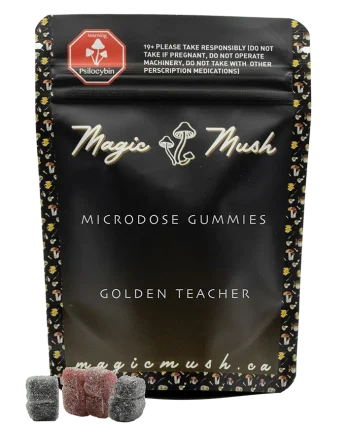
Price range: $60.00 through $240.00Golden Teacher Gummies for Microdosing
$25.00


One of the most significant impacts of psilocybin for me was the reduction in the emotional numbness that had defined much of my life after trauma. Trauma often leaves us feeling disconnected from our own emotions, and it can be incredibly difficult to even know what we’re feeling. This emotional disconnection can create a sense of being trapped in an unchanging cycle. Psilocybin, however, helped me break through that wall. It made me feel alive again—more connected to my body, my emotions, and the present moment. It was as though a veil had been lifted, allowing me to see and feel the world through a more authentic lens. This sense of emotional reconnection was crucial for me, as it enabled me to process grief, sadness, and even anger without becoming overwhelmed by them.
The scientific backing behind psilocybin’s role in trauma healing only confirmed what I was experiencing personally. Studies from institutions like Johns Hopkins University and Imperial College London have demonstrated the benefits of psilocybin for trauma-related conditions, including PTSD. These studies highlight how psilocybin can help individuals break free from negative thought patterns, allowing them to approach their trauma with less fear and more openness. Psilocybin therapy has also shown potential in helping individuals with depression, anxiety, and addiction—conditions often linked with unresolved trauma.
In addition to enhancing neuroplasticity, psilocybin helps individuals view their trauma from a different perspective, fostering emotional resilience. It offers a window into a more compassionate view of oneself and one’s experiences. But it’s important to approach psilocybin with care and respect. This isn’t a magic cure, and it’s not a one-size-fits-all solution. For me, psilocybin was an important tool in my toolbox, but it was never meant to replace therapy or mindfulness practices. Rather, it worked in tandem with those techniques, making them more effective. If you’re considering incorporating psilocybin into your healing journey, it’s essential to consult with professionals and approach it with an open mind, understanding that it can have profound effects on your emotional and mental state.

Begin Your Healing Journey with Magic Mush
Healing from trauma is a deeply personal and transformative process. Throughout this article, we’ve explored the seven stages of trauma healing, from acknowledging and processing your pain to integrating and finding meaning. Whether you’re navigating trauma recovery through therapy, mindfulness, or other healing practices, the path forward is filled with hope and possibilities. Remember, healing isn’t linear, but every step you take, no matter how small, brings you closer to emotional resilience and peace.
Trauma can shape our lives, but it doesn’t have to define us. As we’ve seen, with the right support systems in place—like therapy, mindfulness, creative outlets, and even tools like psilocybin microdosing—it’s possible to find peace, growth, and transformation. Healing is a journey that requires patience and self-compassion, but it’s one that can lead to a more vibrant, fulfilling life. Embrace each stage with an open heart and trust that the challenges you face today are laying the groundwork for a stronger, more resilient version of yourself.
If you’re ready to explore the potential benefits of psilocybin in your own healing journey, Magic Mush is here to support you every step of the way. We’re more than just a provider of premium magic mushrooms; we’re a community committed to promoting safe, responsible use and providing education to empower individuals on their personal transformation path. With a focus on the highest quality products, rigorous testing, and a safe environment, Magic Mush is your trusted partner in the psychedelic space.
At Magic Mush, we believe in challenging the stigma surrounding magic mushrooms and creating a supportive, informed community. Our team of experts is here to guide you in your exploration, offering resources and the highest quality standards that delivers to Edmonton. Whether you’re looking for microdosing products or seeking advice on the best ways to incorporate psychedelics into your healing journey, Magic Mush has everything you need. Explore our shop, learn from our resources, and take the first step toward transforming your life with the help of our premium products. Join the Magic Mush community today and unlock a world of possibilities.