
It was one of those crisp afternoons when the campus buzz feels louder than usual—students spilling out of classrooms, music drifting from someone’s Bluetooth speaker, the smell of coffee mixing with autumn air. I was heading across the quad when I stopped in my tracks. A small crowd had gathered around a table piled high with flyers. Next to it, someone was bent over with a box of chalk, sketching a giant mushroom onto the concrete. In bold letters across the top, the words “Psychedelics: Science, Safety, and Freedom” shouted back at me.
At first, I thought I’d misread it. Psychedelics? Out here? In the middle of campus where professors, administrators, and students of every stripe were strolling past? I half expected someone to swoop in and shut it all down, but no one did. Instead, students stopped to chat, to laugh, to ask questions. A girl in a denim jacket waved a flyer at her friend like she’d just scored free concert tickets.
I stood there frozen for a moment, stunned. My whole life, psychedelics had existed in whispers and shadows. If you wanted to talk about them, you lowered your voice. If you wanted to try them, you followed vague directions, shady contacts, and endless layers of secrecy. And yet here I was, in broad daylight, watching students openly teach and advocate for psychedelics like they were discussing a new environmental policy or a music festival lineup. It was like watching the underground rise right through the cracks of the sidewalk and bloom on the surface for everyone to see.
That moment stuck with me because it challenged everything I thought I knew. I’d spent years believing psychedelics were something to hide, something to bury under code words and closed doors. But these students weren’t hiding—they were amplifying. And I couldn’t help but wonder: if they were brave enough to bring this into the open, what else might be possible?
🍄 Join the student resistance against the DEA and discover why psychedelics are worth defending
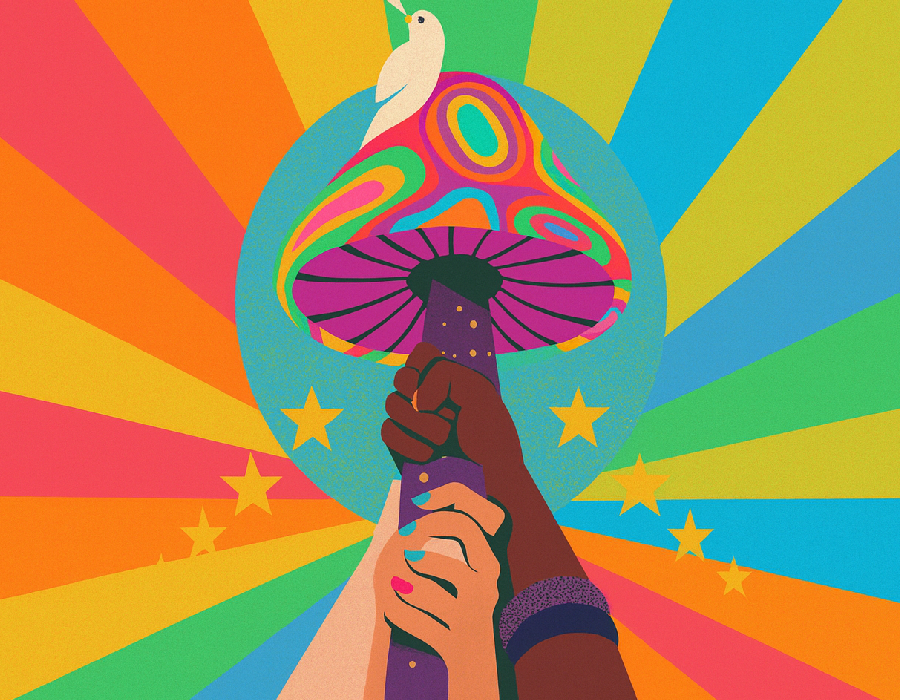
Back in My Day, Psychedelics Existed Only in the Underground, and I Truly Thought That’s Where They Would Stay Forever
When I first dipped my toes into the world of psychedelics, everything about it felt like an initiation into a secret society. You didn’t Google “where to find mushrooms.” You whispered to a friend of a friend. You waited weeks for a cryptic text to come through. Even then, you walked into a stranger’s living room or a candlelit basement and hoped you weren’t about to make a terrible mistake.
The secrecy was suffocating, but it also gave the experience an intensity. It was all very cloak-and-dagger, like you were slipping behind the curtain of normal life into something forbidden. And while there was beauty in those moments—the strange comfort of strangers tripping together, the quiet revelations under low light—there was also fear. Fear of getting caught. Fear of losing your job if anyone found out. Fear that the wrong word to the wrong person could unravel everything.
I remember one night in particular, sitting cross-legged on the floor with incense smoke curling toward the ceiling, sharing mushrooms with people I barely knew. We laughed, we cried, we dissolved into each other’s stories—but when I left, I carried a deep loneliness with me. I couldn’t tell my family. I couldn’t tell my coworkers. And if I wanted to find community again, I had to claw my way back through the underground network, hoping someone might grant me access.
For years, I thought this was just the way it had to be. Psychedelics were powerful but hidden, sacred but stigmatized, beautiful but dangerous to admit. It felt like a cultural law of physics: these things could never be brought into the light. Which is why, standing on that campus years later, watching students hold a psychedelic teach-in without fear, shook me to my core.
Check out this magic mushroom!!

A.P.E Psilocybin Chocolate Bar
$60.00Dried Penis Envy Magic Mushrooms
Price range: $60.00 through $240.00Golden Teacher Gummies for Microdosing
$25.00


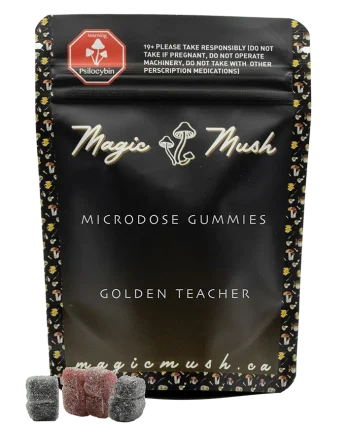
The Students Who Flipped the Script and Brought Psychedelics Out into the Open
That day on campus, I wandered closer to the student group’s table, half-expecting them to be shut down at any second. Instead, I was met with a kind of fearless enthusiasm I hadn’t seen in years. They weren’t just passing out flyers; they were having real conversations. Students were leaning in, asking about microdosing, about therapy, about safety. And the activists—bright-eyed, unshaken—were answering calmly and confidently, as if this was the most natural topic in the world.
It turned out they were part of a student psychedelic movement that had been slowly gaining traction—groups organizing teach-ins, inviting researchers to campus, hosting harm-reduction workshops, and even lobbying for policy changes. They weren’t waiting for society to give them permission. They were creating the space themselves.
What floored me wasn’t just the information—they had data, science, and harm-reduction resources ready to go—it was the courage. I’d spent so many years treating psychedelics like contraband, and here were students treating them like a public health and justice issue worth fighting for. Their energy made me question how many doors I’d left closed simply because I assumed they couldn’t be opened.
Seeing It All Out in the Open Made Me Realize Just How Much Things Are Changing, and Honestly, It Left Me Pretty Shaken in the Best Way
Walking away from that event, my emotions were all tangled up—equal parts inspired, cautious, and curious. On one hand, I was thrilled. The fact that psychedelics were being openly discussed on campus meant stigma was cracking, and with it, the fear that had kept so many of us underground for years. On the other hand, I knew visibility could be risky. It’s one thing to whisper in a basement; it’s another to challenge the law in public.
Still, there was something electric about watching students dismantle secrecy with confidence. It made me reflect on generational shifts: how younger activists aren’t satisfied with the quiet status quo. They’re bringing conversations aboveground, using the language of science, policy, and human rights to reshape the narrative. And it’s working—slowly but surely, conversations that once got you fired now get you published in peer-reviewed journals or featured on campus flyers.
For me, the shift was personal too. Seeing psychedelics treated openly—without shame, without whispers—gave me permission to stop hiding. It made me want to join the conversation instead of lurking at the edges. It reminded me that cultural change doesn’t happen in secret circles. It happens when brave people stand up and speak.
🍄 Discover why connection matters more than access when chasing underground psychedelic trips
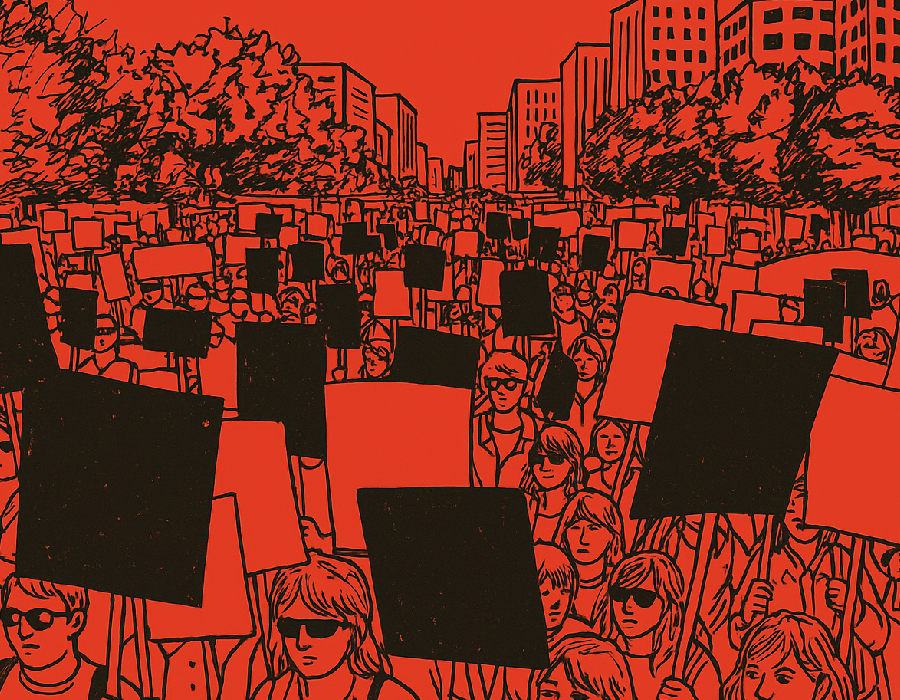
How I Finally Started Talking About Psychedelics Out Loud and the Surprising Community That Welcomed Me In
After that campus encounter, I found myself testing the waters. At first, it was small—dropping hints in conversations with friends, sharing an article about microdosing on social media, mentioning my past experiences without lowering my voice. Each time, I expected judgment. Instead, I found curiosity. People wanted to talk. Some had tried psychedelics quietly, like I had. Others had only heard rumors but wanted to learn. And slowly, the conversations expanded.
I started attending local meetups, joining online forums, and connecting with communities that weren’t hiding in basements but meeting in coffee shops, libraries, and wellness studios. These weren’t underground gatherings—they were open, public, and welcoming. There was something profoundly healing in that shift. For the first time, I didn’t feel like I had to leave pieces of myself at the door.
It also helped me see how important these movements are for harm reduction. When psychedelics are hidden, misinformation thrives. But when they’re out in the open, people can ask questions, share experiences, and learn about safety. Microdosing, for example, came up constantly in these new conversations. It was often the entry point—the safer, more approachable way people were learning about psychedelics without jumping headfirst into a full journey. By destigmatizing the discussion, students and activists were giving people real tools to explore responsibly.
Coming Back to That Campus Scene, I Realize the Underground Will Always Exist—But the Aboveground Is Growing, and That Changes Everything
Months after that first shock, I found myself back on the same campus. The quad was bustling again, but this time, the mushroom chalk art wasn’t surprising—it was familiar. The student group had grown, more tables were set up, and the conversations felt even richer. Professors were stopping to chat. Alumni were donating books. Parents passing by glanced curiously but didn’t rush their kids away. The movement had carved out space, and it wasn’t going anywhere.
Of course, the underground is still alive and always will be. There’s a sacredness in small circles, in privacy, in journeys held quietly. But now there’s also an aboveground—a place where ideas, safety, and advocacy can thrive in public. And to me, that feels like liberation. It feels like possibility.
When I think back to the secrecy I grew up with, I never imagined a day when psychedelics could be discussed out loud, without fear. Yet here we are, and it’s largely thanks to the courage of students who decided to stop whispering. They remind me that cultural change doesn’t just happen behind closed doors—it happens in the open air, on sidewalks covered in chalk mushrooms, where anyone passing by can stop, ask a question, and maybe even join the movement.
🍄 Discover why something as radical as psilocybin could be a right to try and why it’s still off-limits
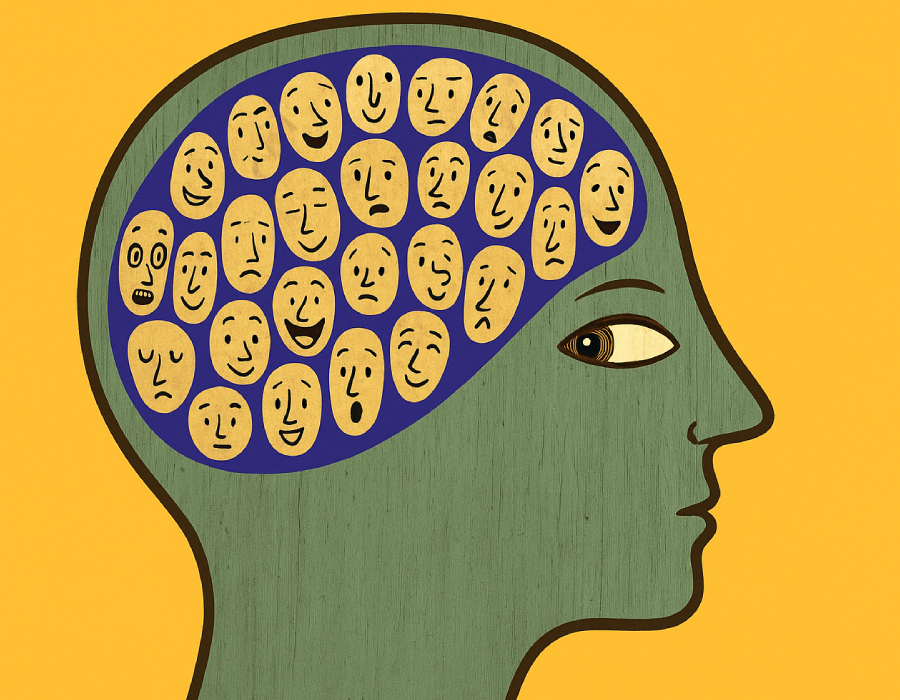
If You’re Ready to Explore Psychedelics Openly and Safely, Here’s How Magic Mush Canada Can Be Your Buddy in the Journey
Looking back on my campus experiences and the student-led psychedelic events, it’s clear how much has changed in recent years. What used to be whispered about in basements or shadowed circles is now being discussed openly in classrooms, quads, and public spaces. Students are leading the charge, educating their peers, and destigmatizing psychedelics, showing that curiosity, courage, and knowledge can transform cultural narratives. For me, witnessing this shift changed everything. I realized that the underground isn’t the only place for exploration—connection, safety, and openness matter just as much, if not more, than secrecy.
The key takeaway is that psychedelics work best when paired with community, trust, and thoughtful guidance. Microdosing has emerged as a public-friendly entry point, helping people explore consciousness while staying grounded in their daily lives. Open dialogue, harm reduction, and student advocacy are making these experiences safer and more accessible, proving that the cultural landscape is shifting and that being part of it doesn’t require hiding anymore.
And this is where Magic Mush Canada can really help. Think of them like a buddy who’s been there, knows the ropes, and wants to make sure you have a safe, positive experience. They offer top-quality, rigorously tested magic mushrooms so you don’t have to guess what you’re taking. More than that, they’re approachable, easy to talk to, and genuinely care about your journey—not just the sale. If you’re curious or ready to explore, they make it simple and stress-free to start safely.
What I love about Magic Mush Canada is that they make education part of the experience. They provide resources, tips, and guidance so you can learn about psychedelics, microdosing, and integration in a way that’s clear and non-intimidating. It’s like having a friend in your corner who can answer questions, calm anxieties, and help you navigate this new world confidently. No lectures, no judgment, just support and knowledge at every step.
So, whether you’re intrigued by student-led psychedelic conversations, curious about microdosing, or just looking for a safe entry into this world, Magic Mush Canada is the buddy you want on your team. They make exploring psychedelics approachable, informed, and connected, giving you the chance to experience the transformative potential without fear or confusion. The underground will always exist, but with the right guidance and community, the aboveground can be just as rewarding—and Magic Mush Canada is the friend that helps you get there.
And honestly, part of what makes Magic Mush Canada feel so different is how they blend accessibility with responsibility. You don’t have to feel intimidated or like you’re stepping into some secret world; instead, you get guidance, safe products, and a community that genuinely wants to see you thrive. Whether you’re just dipping your toes into microdosing, curious about full experiences, or hoping to join conversations like the ones happening on campuses, they make the whole journey feel less scary and more exciting. It’s about feeling supported every step of the way, not just getting access.

