
We taped the last banner to the university gate just as campus security rounded the corner, their radios crackling in the crisp spring air. The chant started softly, hesitant at first, then grew into a roar: “Our minds! Our choice! Our minds! Our choice!” I gripped the banner, feeling a mix of adrenaline, fear, and an unfamiliar clarity settle into my chest. It wasn’t just about psilocybin anymore. It wasn’t even just about psychedelic research. It was about claiming the right to our own minds. Every student around me seemed to feel it—the electricity of being part of something bigger than ourselves, of stepping into a fight that was as much personal as it was political.
I remembered my first psychedelic experience, curious and cautious, thinking I was merely exploring consciousness for fun and reflection. But the more I learned about research and access barriers, the more frustrated I became. The DEA’s restrictive policies were not abstract—they were actively preventing meaningful studies, keeping life-changing knowledge out of reach. That morning at the gate, gripping a handmade banner, it became clear that our fight was bigger than substances. It was about mental liberty, cognitive freedom, and the right to explore our minds without arbitrary interference. The banners, chants, and meetings were just tools to defend something far more fundamental: the freedom to think and feel on our own terms.
Walking across campus that day, the smells of coffee, wet grass, and poster paint hit me like a sensory map of our mission. Each step toward the gate carried weight—the thrill of rebellion, the fear of reprimand, and the undeniable sense that we were participating in something vital. I could see it in everyone’s eyes, the spark of idealism, and the shared understanding that we were risking more than detention or a fine. This was a stand for our mental sovereignty, a declaration that the rules governing what we could ingest or explore would no longer be silently accepted. I remember thinking, even in the chaos, that this adrenaline, this tiny rebellion, might very well change how I lived and thought forever.
The experience also forced me to confront my own fears about authority and consequences. I realized that standing up for something so fundamental came with discomfort, doubt, and vulnerability—but also an unexpected clarity about my values and priorities. By the time the chants died down, I understood that this was not a fleeting protest. It was a defining moment, a spark that would shape how I approached activism, community, and personal freedom in the years to come.
🍄 Discover why psilocybin could be a right to try, yet still stays illegal and out of reach—learn how to safely explore it today
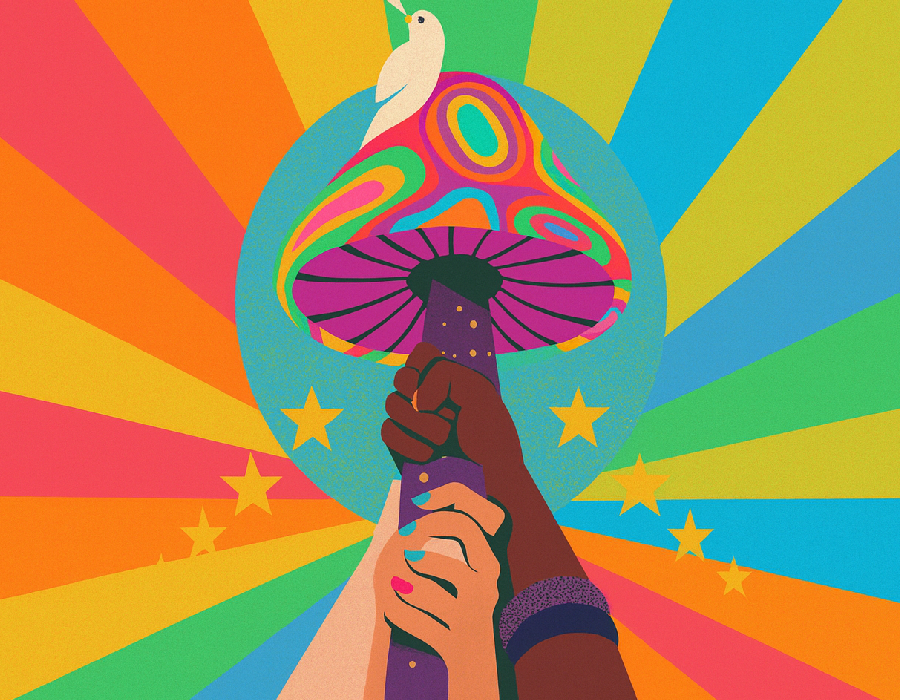
How I Went From Being Curious About Psychedelics to Actually Caring About Fighting the DEA
My journey began with curiosity, like most of them do. I was a student fascinated by the mind, psychology, and the promise of altered states of consciousness. The idea of psychedelics as therapeutic tools was tantalizing, but initially, it felt academic—a subject for papers and classroom discussions. I never imagined that curiosity would pull me into political action, into late-night meetings with fellow students, into confrontations with university administrators, and eventually, into the uncomfortable spotlight of civil disobedience.
The turning point came when I started reading about the DEA’s role in restricting research. Here was a federal agency, operating under the guise of public safety, actively blocking scientists from studying compounds with promising mental health applications. It felt absurd. Research at institutions like Johns Hopkins and NYU was showing unprecedented therapeutic potential for psilocybin in treating depression, anxiety, and PTSD, yet bureaucratic hurdles kept these breakthroughs from reaching the people who could benefit. For the first time, I realized that if I wanted change, I could not rely on the system to move fast enough. Someone had to act, and it might as well be us—students who were passionate, curious, and willing to push boundaries.
I began attending informational sessions, connecting with peers who shared my growing frustration, and learning the ropes of activism. The stories of other students who had tried and failed to push for more research access were sobering, but they also inspired a sense of urgency. Psychedelics had opened a window into human cognition for me, and the fact that barriers were artificially placed in front of that knowledge felt wrong. It was no longer a question of curiosity—it was a matter of principle.
This curiosity evolved into personal investment. I realized that my own access to knowledge, my ability to engage with new ideas, and my right to explore consciousness were intertwined with broader civil liberties. Psychedelics were the entry point, but the fight for access became a fight for something more universal—the right of every individual to make informed choices about their own mind.
Check out this magic mushroom!!

A.P.E Psilocybin Chocolate Bar
$60.00Dried Penis Envy Magic Mushrooms
Price range: $60.00 through $240.00Golden Teacher Gummies for Microdosing
$25.00


How a Group of Students Like Me Started Organizing and Building a Real Resistance Against the DEA
The first meetings were chaotic, with more ideas than structure. We were a patchwork of students from psychology, neuroscience, philosophy, and even political science. Some had personal experience with psychedelics, some had academic interest, and some were simply outraged by the systemic barriers blocking research. We started small, drafting petitions, planning teach-ins, and talking to faculty members willing to advocate alongside us. Each success, no matter how minor, fueled our momentum.
Our tactics became more creative over time. Teach-ins on campus drew crowds, and symbolic demonstrations—like placing banners in plain sight or hosting “mind freedom” art shows—captured attention without breaking major laws. Outside advocacy groups, like Students for Sensible Drug Policy, offered guidance, helping us navigate the tricky terrain of legality while keeping our message clear. Slowly, our movement solidified from a loose collection of interested students into a resistance capable of organized, strategic action.
Every meeting carried its own energy. There was a quiet thrill in plotting the next steps, debating messaging, and envisioning a campus where mental liberty was not just an abstract concept but a tangible right. And there was camaraderie—friendships forged in the intensity of late-night planning sessions, the shared laughter in between serious discussions, and the unspoken understanding that we were all staking something deeply personal in this fight.
As the movement grew, I realized the importance of mentorship and knowledge-sharing. Older students and faculty who had navigated activism before offered perspective, helping us anticipate pitfalls and refine our strategies. Their guidance transformed our efforts from sporadic energy bursts into sustained, deliberate action capable of making real impact.
The Times We Clashed With Authority, Felt Burnout, and Learned How Hard Activism Really Is
It wasn’t always inspiring or exhilarating. There were tense encounters with campus administrators who insisted we were “endangering the university’s reputation,” with local law enforcement showing up to question our actions, and even with DEA representatives at forums who dismissed our concerns outright. Each clash came with a mix of fear and frustration, sometimes leaving us questioning whether the fight was worth it.
Internally, the resistance had its own struggles. Disagreements about tactics, the pace of action, and how far to push the line often led to heated debates. Burnout was real—long hours of organizing, balancing schoolwork, and living with the constant worry of consequences took a toll on everyone. And yet, the emotional weight of those challenges also forced growth. I learned to navigate conflict, to listen more deeply, and to stay committed to a vision larger than any single protest or campaign.
The combination of external pressure and internal dynamics taught us resilience. Every moment of doubt became a lesson in strategic patience, in cultivating community, and in remembering why we started. The fight for psychedelic access had become more than a cause; it had become a mirror reflecting our own capacity for courage, conviction, and ethical action.
At times, I felt a crushing sense of helplessness when progress stalled or authorities refused to engage. But those moments also highlighted the importance of perseverance, creative problem-solving, and solidarity. Each setback became a catalyst for reflection, strategy, and renewed commitment, teaching me that meaningful change is rarely linear or easy.
🍄 Discover the places where magic mushrooms are legal and unlock the doors to safe, transformative experiences

How Fighting for Psychedelics Taught Me That Mental Liberty Is the Real Goal
Over time, I began to see that our protests and campaigns were not just about psilocybin. They were about asserting the right to think differently, to explore consciousness, and to make decisions about one’s own mind. The phrase “mental liberty” started to resonate deeply—it captured the essence of what we were defending. Psychedelics were the catalyst, but mental liberty was the principle that anchored our struggle.
This shift in understanding made every action feel weightier and more meaningful. The fight for access was no longer a niche issue; it was part of a broader civil liberty, tied to autonomy, self-expression, and the fundamental human right to cognitive freedom. Our banners, teach-ins, and petitions were not just protests; they were affirmations of our belief that the mind cannot be owned or policed without profound ethical consequences.
It also deepened my personal commitment. I realized that defending mental liberty is an ongoing responsibility, not a single moment of heroism. Every decision, every conversation, and every act of advocacy became an opportunity to model the principles we were fighting for. And the more I immersed myself in this perspective, the more I understood that protecting the right to explore consciousness is essential to a free and just society.
Defending mental liberty has also shaped how I interact with peers, colleagues, and institutions beyond campus. I’ve learned to advocate not only for access to psychedelics but for environments that respect thought diversity, informed choice, and personal exploration. The lessons extend far beyond protests—they inform daily life, relationships, and the ethical lens through which I view the world.
Coming Back to Campus Today and Seeing New Students Take Up the Cause Makes It All Feel Worth It
Years later, walking across campus, I can see new faces joining teach-ins, holding banners, and asking questions about psychedelic research. The movement has evolved, grown, and spread, and I feel a sense of continuity and hope that I didn’t expect. Mental liberty is no longer a whispered idea among a few curious students—it has become a living conversation, embedded in campus culture and student activism.
Even simple gestures—a poster on a bulletin board, a small discussion group in a dorm room—carry the same spark we felt years ago. The fight continues, but it’s no longer lonely. I’ve watched as students who had never thought about psychedelics in a political sense begin to understand that cognitive freedom is something worth defending. And I know that the lessons I learned—the value of courage, community, and persistence—are now woven into the fabric of the next generation of advocates.
Standing there, observing these new waves of engagement, I can’t help but feel that our early risks and struggles weren’t in vain. Mental liberty is alive, growing, and expanding because we dared to speak, organize, and act. And as long as curious, passionate minds continue to push against barriers, the work we started will continue to inspire, challenge, and protect the freedom to explore the mind.
Returning to the campus now also brings a profound sense of gratitude. Seeing new students approach activism with the same mix of curiosity and conviction reminds me that social movements are cumulative efforts. Each generation builds on the work of those who came before, and our fight for mental liberty will continue as long as there are those willing to defend it with heart, intellect, and courage.
🍄 Explore the truth about psilocybin in Canada and find out what’s really allowed and what isn’t

Explore Your Own Mental Liberty with The Help of Magic Mush Canada
Looking back on my journey, from curious student to activist fighting for mental liberty, it’s clear how pivotal access to psychedelics can be—not just for research, but for personal growth and understanding. What started as a quest to explore consciousness led me to recognize the importance of defending cognitive freedom, connecting with a community of like-minded individuals, and realizing that our minds are truly worth protecting. Every protest, every teach-in, and every conversation reinforced that mental liberty isn’t just a concept—it’s a daily practice, a responsibility, and a right.
The story of our resistance shows that curiosity alone isn’t enough; meaningful change requires action, courage, and support. Psychedelics, especially psilocybin, can open doors to new ways of thinking, emotional clarity, and deeper self-reflection, but they are most transformative when paired with intention, guidance, and safe access. For anyone inspired by the potential of these experiences, having a trusted resource makes all the difference.
This is where Magic Mush Canada comes in. Think of them like that friend who’s been through the research, knows the landscape, and wants to help you explore safely. They provide high-quality magic mushrooms, education on safe use, and a supportive environment to help you understand what you’re stepping into. Whether you’re curious about microdosing to reinforce positive habits, exploring full journeys for personal growth, or just wanting to learn more about psychedelics, they make it approachable and accessible.
At Magic Mush Canada, it’s not about selling a product—it’s about empowering you to discover, explore, and integrate these experiences safely. Their team is knowledgeable, friendly, and genuinely invested in helping people connect with the therapeutic and transformative potential of magic mushrooms. You’re not just a customer; you’re part of a community that values curiosity, respect, and mental liberty.
If you’ve ever felt that pull toward expanding your mind, learning from psychedelics, or just stepping into a new way of thinking, Magic Mush Canada makes it easy to start. With discreet shipping, privacy, and clear guidance every step of the way, you can focus on what matters most: your journey and your growth. Don’t wait—explore the possibilities and join a community that believes your mind deserves freedom, understanding, and care.

