Before humans ever walked the Earth, before flowers bloomed or even the first trees spread their branches, psilocybin mushrooms were already flourishing across the planet. These fascinating fungi have weathered the trials of time, surviving through massive changes in the environment and the rise and fall of entire species. What’s truly mind-blowing is the idea that psilocybin mushrooms were thriving here long before we came to be, and they may have even influenced the very evolution of consciousness itself.
I remember the first time someone told me that psilocybin mushrooms were older than the dinosaurs. I laughed it off, thinking it was just another one of those wild, exaggerated claims that often come with psychedelic conversations. But as I started to dive deeper into the fascinating world of fungi, I realized that this wasn’t just some far-fetched myth. Psilocybin mushrooms have not only been around for millions of years, but they’ve also played a significant role in shaping ecosystems and potentially even human evolution in ways we’re only beginning to understand.
When you consider that psilocybin mushrooms have been present on Earth for over 100 million years—surviving through mass extinctions, adapting to changing environments, and evolving alongside plants, animals, and even dinosaurs—you start to appreciate just how remarkable and resilient these fungi truly are. They have an ancient story that’s intertwined with the history of life on Earth, and their journey through time continues to unfold, influencing both the natural world and our own consciousness today.
READ: Did Ancient Buddhists Use Psychedelics?
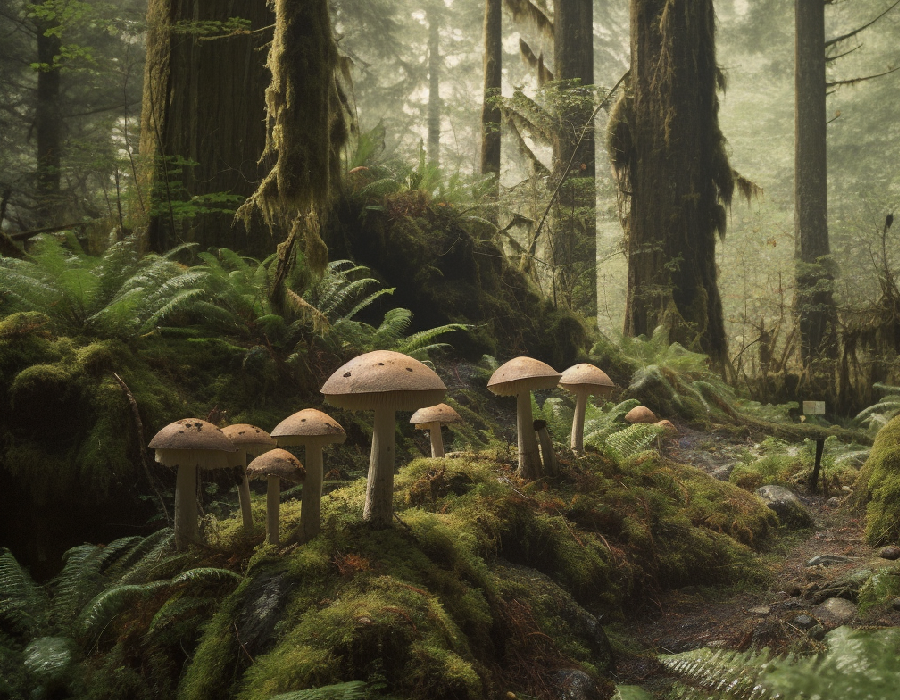
Definition & Origins
Psilocybin mushrooms are a fascinating group of fungi that contain the naturally occurring psychoactive compound, psilocybin. When consumed, psilocybin is converted in the body into psilocin, which is responsible for the hallucinogenic effects associated with the mushrooms. Psilocin interacts with serotonin receptors in the brain, particularly the 5-HT2A receptor, which plays a crucial role in regulating mood, cognition, and perception. The result is a profound alteration in consciousness, often leading to vivid visual and auditory hallucinations, a sense of connectedness with the universe, and a shift in emotional states.
The origins of psilocybin mushrooms trace back to ancient times, long before humanity came into the picture. Fossil evidence and genetic studies suggest that psilocybin-producing fungi first appeared around 65 to 100 million years ago, during the Cretaceous period, a time when dinosaurs roamed the Earth. It is believed that these early mushrooms evolved alongside other plant and animal life, adapting to their environments and contributing to the ecosystems in which they lived. The precise environmental conditions that favored the development of psilocybin-producing mushrooms remain a subject of debate, but one theory is that the presence of the compound was an evolutionary response to challenges in the fungi’s environment, such as competition with other organisms or attempts to deter herbivores.
One intriguing aspect of psilocybin mushrooms is that they belong to the fungal kingdom, which is separate from plants and animals. Unlike animals and plants that reproduce via seeds or offspring, fungi reproduce via spores, microscopic particles that can survive extreme conditions and are capable of germinating in the right environment. Fungi have their own distinct evolutionary history, and psilocybin mushrooms have their own story within this larger fungal narrative. What makes them especially fascinating is how they’ve adapted and survived throughout Earth’s history. From thriving in the age of dinosaurs to making their way into human culture, psilocybin mushrooms have been a part of our planet’s story for millennia.
READ: What is Psilocybin? Uncovering the Science and Spirit of the Magic Mushroom
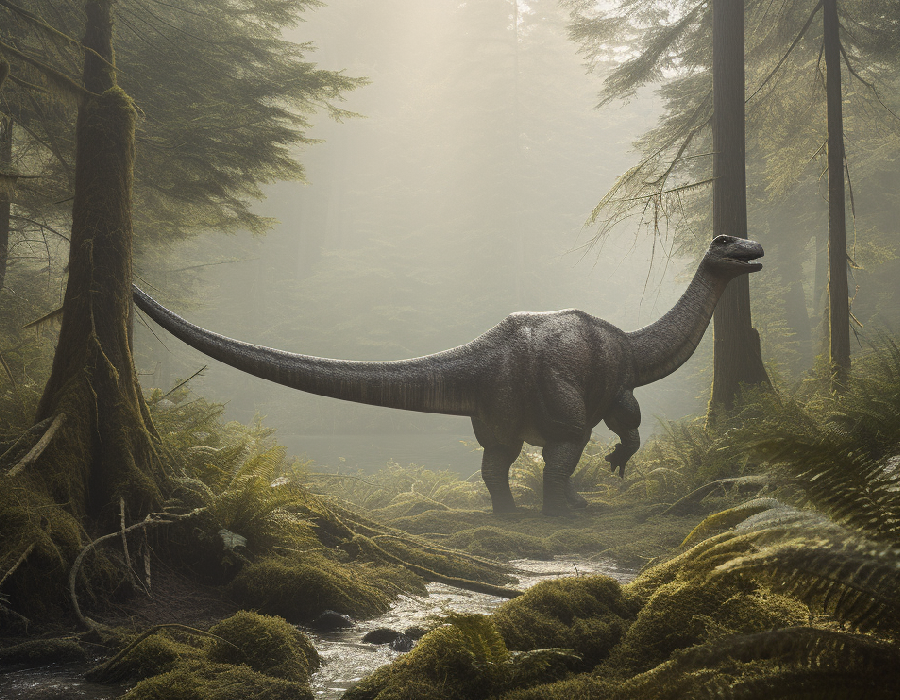
In the Cretaceous period, when psilocybin mushrooms were first believed to appear, the Earth was a very different place. It was a time of great ecological change, as flowering plants began to proliferate, and new forms of life emerged. Some scientists speculate that the appearance of psilocybin mushrooms may have been tied to these shifts, perhaps helping the fungi compete with other organisms in the dense, biodiverse ecosystems. Whether it was through deterrence of herbivores or as part of the fungi’s broader strategy to survive in an ever-changing world, psilocybin may have provided a survival advantage, allowing these mushrooms to persist in an environment where many other species came and went.
Recent genetic research has further deepened our understanding of the origins of psilocybin mushrooms. Studies comparing the genomes of different mushroom species have revealed that psilocybin biosynthesis genes are shared across a wide variety of fungi. This suggests that the ability to produce psilocybin may have evolved multiple times across different fungal lineages. Interestingly, this phenomenon may be the result of horizontal gene transfer, a relatively rare occurrence in the natural world where genetic material is transferred between different species. This process may have allowed the psilocybin-producing genes to spread among various species of fungi, further cementing the idea that psilocybin has been a part of Earth’s ecosystem for much longer than we previously thought.
While it’s difficult to pinpoint the exact moment when psilocybin-producing mushrooms first emerged, what’s clear is that they’ve been a constant presence in the natural world. Whether providing a defense mechanism against predators or playing a role in nutrient cycling and decomposition, psilocybin mushrooms have found their niche in a complex web of life that stretches back millions of years. The fact that these mushrooms have survived through multiple mass extinctions, including the one that wiped out the dinosaurs, is a testament to their resilience and the powerful role they’ve played in shaping the natural world. Their origins are not just a matter of scientific curiosity—they represent a fundamental chapter in the Earth’s ongoing story of life, evolution, and adaptation.
READ: Exploring Ancient Rome: Did Romans Use Psychedelics for Rituals and Recreation?
Evolutionary Context
Unlike plants or animals, fungi operate in a kingdom all their own, with an evolutionary path that’s radically different from any other form of life. This makes the history of psilocybin mushrooms particularly intriguing. Many experts believe that psilocybin may not have evolved with humans in mind. Instead, it likely developed as a natural defense mechanism for the fungi. The psychoactive compound may have helped the mushrooms deter insects or compete with other organisms in the dense ecosystems of ancient Earth. In other words, the primary function of psilocybin may have been to protect the mushrooms, not to facilitate human consciousness expansion.
This perspective is further supported by genomic studies. Scientists have found that psilocybin biosynthesis genes are shared across multiple species of fungi, not just one. This suggests that the ability to produce psilocybin wasn’t limited to a single line of mushrooms. Instead, the genes responsible for its production were likely transferred across species through horizontal gene transfer. Horizontal gene transfer is a rare but fascinating evolutionary process in which genes are passed between different species. This may explain how distantly related mushrooms, from different ecological niches and evolutionary branches, all produce the same psychoactive compound.
Ecological Role
Psilocybin mushrooms, like many fungi, are decomposers. They often grow in environments rich in decaying wood or dung, playing an essential role in the breakdown of organic matter and the cycling of nutrients within ecosystems. This process is vital for maintaining healthy ecosystems, as it ensures that nutrients are continually replenished and available to other organisms in the food chain. These mushrooms, though small, have a massive impact on their environments, facilitating the breakdown of materials that other organisms might not be able to process.
One of the most remarkable aspects of psilocybin mushrooms is their resilience. Despite surviving through mass extinction events, including the one that wiped out the dinosaurs, these fungi have managed to persist and thrive in the face of drastic environmental changes. The fact that psilocybin mushrooms have been able to adapt to such a wide range of environments over millions of years speaks to their remarkable resilience. From forests to grasslands, psilocybin mushrooms have continued to play an important role in the ecosystems they inhabit, proving their longevity and adaptability in an ever-changing world.
Check out this magic mushroom!!

A.P.E Psilocybin Chocolate Bar
$60.00Dried Penis Envy Magic Mushrooms
Price range: $60.00 through $240.00Golden Teacher Gummies for Microdosing
$25.00


Key Points
Psilocybin mushrooms are incredibly ancient, with evidence suggesting that they have been around for millions of years, influencing early ecosystems and potentially even human evolution. While their role in human consciousness may seem incidental, the compound’s long-standing presence hints at a deeper, more profound connection between us and these ancient fungi.
The mechanism by which psilocybin is passed through different species—via horizontal gene transfer—provides a fascinating look at the way nature evolves and shares its secrets across time. This evolutionary trick has allowed the same psychoactive compound to appear in a variety of mushrooms, regardless of their genetic distance from one another. This shared trait suggests that psilocybin may have played a larger role in the ecosystems it inhabited than we once thought.
Psilocybin mushrooms not only survived the mass extinction that wiped out the dinosaurs, but they also continue to thrive today. This survival speaks to their resilience, adaptability, and ecological importance. In a world that constantly changes, psilocybin mushrooms have endured, finding new ways to grow and evolve in the face of adversity.
Finally, the presence of psilocybin in these mushrooms suggests that our relationship with them may not be as accidental as it seems. While the evolutionary purpose of the compound may not have been aimed at human consciousness, the deep, ancient connection between humans and these fungi seems biologically—and even spiritually—inevitable. From early theories like the “stoned ape” hypothesis to modern practices like microdosing, the role of psilocybin in human life continues to evolve.
READ: The Strongest Psilocybin Mushrooms: Exploring Nature’s Most Potent Psychedelics

Unlock the Ancient Wisdom of Psilocybin Mushrooms with Magic Mush
Psilocybin mushrooms have been part of Earth’s history for over 100 million years. These ancient fungi survived mass extinctions, adapted to changing environments, and continue to thrive today, all while playing an essential role in ecosystems around the world. From their origins in the Cretaceous period, where dinosaurs roamed the planet, to their current use in therapeutic and spiritual practices, psilocybin mushrooms have proven to be both resilient and transformative. Their evolutionary journey is a testament to the power of nature, and their influence on human consciousness is only beginning to be understood.
While we may never fully know the exact role psilocybin mushrooms played in the development of life, their ability to survive the test of time speaks volumes about their impact. They’ve been here long before us and will likely continue to exist long after. Our connection to these ancient fungi isn’t just about the benefits we get today; it’s about understanding the deep, interconnected history that binds us to Earth’s natural world.
At Magic Mush, we believe in the transformative potential of magic mushrooms, not just as a product, but as a key to unlocking deeper parts of the human experience. Our mission goes beyond simply providing high-quality dried mushrooms, chocolate shrooms, and other edibles. we are dedicated to fostering a safe, supportive community for individuals to explore the full benefits of psychedelics. We’re here to challenge the stigma around magic mushrooms and educate our customers about their therapeutic possibilities.
Whether you’re looking to explore the spiritual and healing potential of psilocybin, or you’re curious about microdosing for personal growth, Magic Mush has the resources, products, and expertise to guide you on your journey. With rigorous testing, a commitment to safety, top-tier products, and delivery to Toronto and Ottawa, we ensure that every experience with us is both enriching and safe. Our goal is to empower you with the knowledge and support to make informed decisions while offering seamless online shopping and exceptional customer service.