ADHD, or Attention-Deficit/Hyperactivity Disorder, is a condition that many people are familiar with, whether through personal experience or from someone they know. It’s often characterized by difficulty focusing, impulsivity, and hyperactivity. For years, traditional treatments for ADHD have largely relied on stimulant medications like Adderall or Ritalin to help regulate the brain’s dopamine levels, which are typically lower in those with ADHD. While these medications can help many people manage their symptoms, they aren’t without side effects, and not everyone finds them effective or tolerable. Some people even feel that stimulants can “mute” their personality or lead to a sense of emotional numbness, which often leaves them searching for alternative solutions. This search has led many to explore the potential of psychedelics, specifically psilocybin, as a way to manage ADHD symptoms.
As someone who has always struggled with focus, I’ve cycled through various ADHD treatments—stimulants, therapy, lifestyle changes—hoping to find something that would allow me to concentrate better without feeling like I was losing myself in the process. Some treatments worked better than others, but none felt like a perfect solution. Then, I came across the idea of microdosing psilocybin. Skeptical but curious, I decided to give it a try. My first experience wasn’t a magical breakthrough of laser-sharp focus; rather, it was a subtle shift. I noticed a slight easing of mental chatter, an ability to flow through tasks without becoming overwhelmed, and a sense of calm that I hadn’t experienced before. While I was initially unsure whether this was just placebo, the more I explored microdosing, the more I became convinced that it was making a difference. It wasn’t a cure-all, but it was certainly a step in the right direction.
This personal exploration raised a lot of questions for me: Could psilocybin actually be beneficial for ADHD? What does the science say about its effects on the brain, and is there potential for it to become a viable alternative to stimulant medications? The more I dug into the research, the more I realized that I wasn’t alone in this curiosity. A growing number of people are turning to psychedelics like psilocybin—whether through full doses or microdosing—as an alternative treatment for ADHD. But what exactly does the science say, and how can we separate fact from speculation? Let’s dive into what we know so far about psilocybin’s potential effects on ADHD, its risks, and the growing interest in microdosing as an alternative to traditional medications.

In-Depth Explanation: How Psilocybin Affects the ADHD Brain
Understanding how psilocybin could potentially affect the ADHD brain requires a deeper look at both ADHD itself and the unique way psilocybin interacts with the brain. ADHD, a neurodevelopmental disorder, manifests as persistent patterns of inattention, hyperactivity, and impulsivity. These traits often stem from imbalances or disruptions in brain regions responsible for executive functioning, emotional regulation, and attention control. Traditionally, ADHD treatments focus on enhancing dopamine activity, as this neurotransmitter plays a significant role in motivation, reward, and focus. However, psilocybin works through a different mechanism. Let’s break it down to see how psilocybin might help manage some of the core symptoms of ADHD.
Neurotransmitter Interaction: Serotonin vs. Dopamine
While stimulant medications like Adderall or Ritalin primarily target dopamine receptors to increase dopamine availability in the brain, psilocybin has a different approach. Psilocybin interacts primarily with serotonin receptors, particularly the 5-HT2A receptor. Serotonin is a neurotransmitter that plays a key role in mood regulation, cognition, and emotional processing. For people with ADHD, serotonin imbalances can exacerbate emotional dysregulation and impulsivity, making it harder to maintain focus and manage stress.
Psilocybin’s activation of serotonin receptors, especially 5-HT2A, leads to a cascade of changes in brain activity, notably increasing neural plasticity. This neuroplasticity enables the brain to form new connections, adapt, and reorganize, potentially enhancing cognitive flexibility—the ability to shift between tasks, adapt to new information, and solve problems creatively. In the context of ADHD, this could help alleviate some of the rigid thinking and task-switching difficulties that people with ADHD often experience.
READ: How To Boost Serotonin: Exploring Psilocybin, Sunlight, and Other Strategies

Enhancing Cognitive Flexibility and Problem-Solving
One of the most challenging symptoms of ADHD is the difficulty with cognitive flexibility—essentially, the brain’s ability to adapt to changing circumstances or shift focus when needed. People with ADHD may find themselves stuck in thought patterns, unable to shift from one task to another, or feeling overwhelmed by new or unexpected situations.
Psilocybin’s potential to increase cognitive flexibility is largely attributed to its effects on serotonin and brain plasticity. Studies in the psychedelic research field suggest that psychedelics like psilocybin enhance the brain’s ability to “rewire” itself, making it easier to approach problems from different angles and navigate tasks without becoming bogged down by mental blocks. This increased cognitive flexibility can be invaluable for someone with ADHD, as it could help reduce feelings of frustration or inability to focus when faced with shifting priorities or new challenges.
Impact on Emotional Regulation
Another key feature of ADHD is emotional dysregulation. Individuals with ADHD often experience mood swings, irritability, and impulsive emotional responses that can make it difficult to remain calm and focused. Emotional dysregulation is linked to disruptions in brain circuits involved in emotional processing, decision-making, and self-control.
Psilocybin has shown promise in improving emotional regulation by increasing the brain’s ability to process emotions in a more balanced way. Anecdotal evidence from those who have used psilocybin or microdosed for ADHD often points to improved mood stability and a greater sense of emotional clarity. The altered state of consciousness induced by psilocybin can help users gain new perspectives on their emotions, reducing impulsivity and allowing them to approach emotional challenges with a calmer, more present mindset. This ability to stay grounded and process emotions stay focused on tasks and avoid getting overwhelmed by negative emotions or frustration, which is often a barrier to maintaining attention or completing tasks.
Psilocybin’s effects on emotional regulation are linked to changes in the default mode network (DMN), a network of brain regions that are typically active when a person is at rest or not engaged in a task. People with ADHD often have an overactive DMN, leading to a tendency to daydream, become distracted, or get caught in negative thought loops. Psilocybin appears to quiet the DMN, allowing for greater focus on the present moment and a reduction in mental chatter, which could significantly improve emotional well-being and the ability to stay on task.
Check out this magic mushroom!!

A.P.E Psilocybin Chocolate Bar
$60.00$39.00 (35% off)Dried Penis Envy Magic Mushrooms
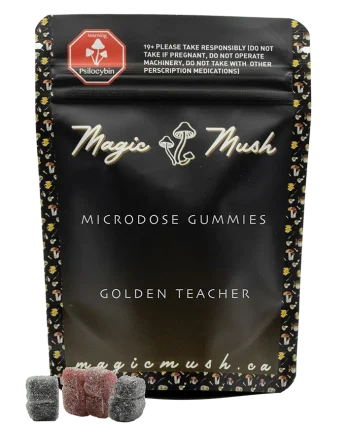
Price range: $60.00 through $240.00Golden Teacher Gummies for Microdosing
$25.00$16.25 (35% off)


Potential Effects on Dopamine: Indirect Influence
Though psilocybin’s primary effects are on serotonin receptors, there is growing interest in how psychedelics might influence dopamine pathways as well. Dopamine is crucial for regulating attention, reward, and motivation, all of which are affected by ADHD. While psilocybin doesn’t directly target dopamine receptors in the way that stimulant medications do, some research suggests that it may still indirectly influence dopamine levels or dopamine-related processes.
Psilocybin’s ability to enhance neural plasticity and increase brain connectivity may help improve the brain’s responsiveness to dopamine, potentially enhancing motivation and attention. Additionally, some research suggests that psychedelics can induce a sense of novelty and reward, which could encourage greater focus on tasks that otherwise feel unmotivating or monotonous. This indirect influence on dopamine may not replace the effects of stimulant medications, but it could provide a complementary mechanism for individuals with ADHD to improve their focus and motivation in more natural, balanced ways.
Reducing Hyperactivity and Impulsivity
Hyperactivity and impulsivity are hallmark symptoms of ADHD. People with ADHD often experience restlessness, fidgeting, and difficulty sitting still or controlling their impulses. These behaviors are often the result of underlying neurological imbalances, particularly in the prefrontal cortex, which is responsible for decision-making, impulse control, and attention regulation.
Psilocybin’s potential to reduce hyperactivity and impulsivity may stem from its effects on serotonin receptors and the way it influences emotional regulation and cognitive flexibility. As mentioned earlier, psychedelics like psilocybin can help users feel more grounded and present, which could reduce the feeling of constant restlessness and improve the ability to control impulsive behaviors. Some early studies and anecdotal reports from individuals with ADHD suggest that psilocybin may help them feel more focused and calm, with fewer urges to act impulsively.
However, it’s important to note that high doses of psilocybin can cause sensory overload and hallucinations, which may be counterproductive for someone with ADHD who is already prone to overstimulation. The key to using psilocybin effectively in ADHD treatment may lie in microdosing, where sub-perceptual doses are taken to enhance focus and regulate mood without causing overwhelming effects.
The Role of Neuroplasticity in ADHD Treatment
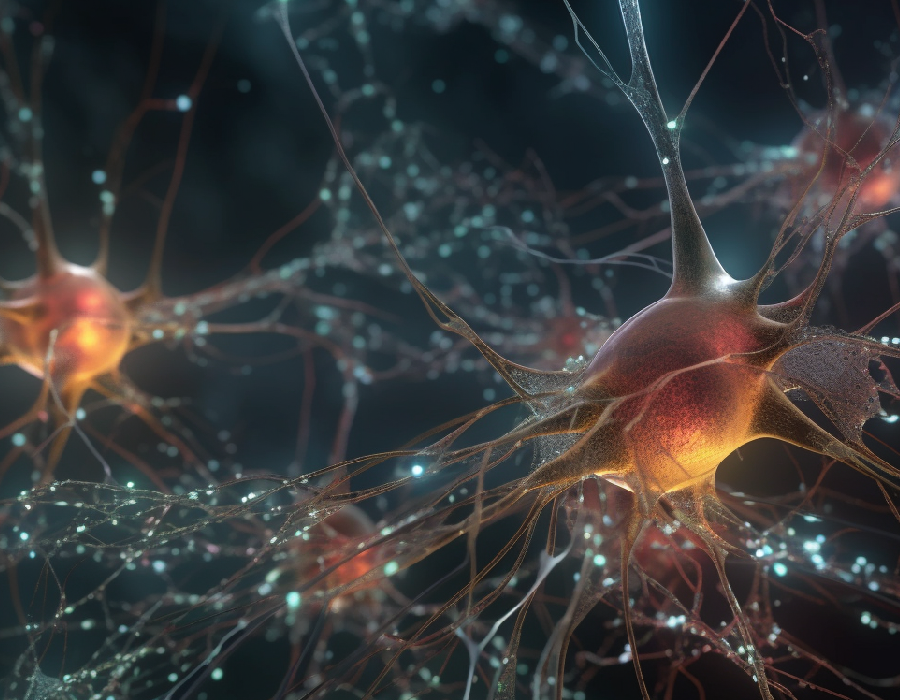
Perhaps the most promising aspect of psilocybin for ADHD treatment is its ability to promote neuroplasticity—the brain’s capacity to reorganize and form new neural connections. This process is essential for cognitive flexibility, memory, and learning, all of which are often impaired in individuals with ADHD.
By enhancing neuroplasticity, psilocybin may help the ADHD brain develop more efficient neural pathways for attention, impulse control, and emotional regulation. This could lead to lasting improvements in how individuals with ADHD process information and regulate their behaviors. While much of this research is still in its infancy, early studies suggest that psychedelics could provide a new avenue for addressing the neurological challenges of ADHD in ways that traditional treatments cannot.
READ: Embracing the Quiet: How Mindfulness Meditation Can Transform Your Mental Health
What Does the Science Say?
Potential Benefits of Psilocybin for ADHD
One of the most promising effects of psilocybin for people with ADHD is its potential to increase cognitive flexibility. Those with ADHD often struggle with rigid thinking and task-switching, which can make it difficult to complete projects or even stay engaged with conversations. Psilocybin has been shown to enhance neuroplasticity, which could support creative problem-solving and more adaptive thinking. It’s also thought to promote a more open and fluid mindset, which may help individuals with ADHD think outside the box or approach challenges from a different perspective.
Another potential benefit is the reduction in hyperactivity and impulsivity. In a study published in European Psychiatry, psychedelics like psilocybin were shown to help regulate impulsivity in individuals with ADHD by modulating serotonin pathways. Given that impulsivity is a core symptom of ADHD, this effect could be especially helpful in reducing impulsive behaviors and improving decision-making processes.
Emotional regulation is another area where psilocybin might offer benefits. Many people with ADHD experience emotional dysregulation, which can lead to frustration, mood swings, and an inability to stay present in the moment. Anecdotal reports suggest that psilocybin can help people with ADHD process their emotions more effectively, allowing them to remain calm and focused rather than overwhelmed by their feelings.
While psilocybin primarily affects serotonin, there is also some evidence to suggest that it may influence dopamine pathways indirectly. Since dopamine regulation is a key component of traditional ADHD treatments, this could have important implications for how psilocybin might support those with the condition.
Risks & Considerations
Despite the promising early results, it’s important to note that the science behind psilocybin’s potential for ADHD is still in its infancy. Large-scale, rigorous clinical studies are lacking, and much of the evidence we have comes from small studies or anecdotal reports. Therefore, it’s essential to approach psilocybin as an alternative treatment with caution.
One concern is the risk of overstimulation, particularly for individuals with ADHD who are already sensitive to sensory overload. High doses of psilocybin can lead to intense hallucinations and altered perceptions, which might not be ideal for someone struggling with focus and hyperactivity. If you’re considering using psilocybin, it’s important to start with lower doses or consider microdosing to avoid these potential issues.
Another key consideration is the legal status of psilocybin. It remains illegal in most places, and self-medicating with psychedelics can carry significant risks. If you’re interested in exploring psilocybin for ADHD, it’s crucial to do so under the guidance of a qualified professional in a legal and safe environment.
READ: The Effects of Shrooms on the Brain and Mental Health: What We Know So Far
Psychedelic/Microdosing Connection: Does It Help ADHD?
Microdosing has gained significant attention as a potential treatment for ADHD. This practice involves taking small, sub-perceptual doses of psilocybin—typically between 0.1g and 0.3g of dried mushrooms—intended to enhance cognitive performance, mood, and focus without producing the hallucinogenic effects associated with higher doses. Microdosing has been reported by many individuals with ADHD to help with task engagement, motivation, and emotional regulation. Some users claim that microdosing allows them to stay focused and engaged with tasks without feeling overwhelmed by distractions.
The effects of microdosing on ADHD are still being studied, and much of the current evidence comes from anecdotal reports. Some individuals find that it helps them reduce procrastination, calm racing thoughts, and feel more in control of their emotions. However, the placebo effect can be strong in microdosing studies, meaning that more controlled research is needed before we can definitively say whether microdosing truly has benefits for ADHD.
Despite the lack of large-scale studies, microdosing is a relatively safe practice when done responsibly. Many people with ADHD have found it to be a useful alternative despite some of its potential side effects. However, it’s important to consult with a healthcare provider before starting any microdosing regimen, especially if you are already taking medications for ADHD.
Further Resources
For those interested in diving deeper into the topic of psychedelics and mental health, several books and documentaries offer valuable insights. The Psychedelic Explorer’s Guide by James Fadiman and How to Change Your Mind by Michael Pollan are excellent starting points for anyone curious about the science of psychedelics. Additionally, Fantastic Fungi offers a beautiful visual exploration of the role of psychedelics in mental health, while Johns Hopkins Medicine provides cutting-edge research on psilocybin therapy, which you can find on their website.
READ: The Magic of Chocolate Psychedelic Mushrooms: Your Guide to Mental Clarity
Explore Psilocybin for ADHD with Magic Mush
In summary, while the research on psilocybin’s effects on ADHD is still in its early stages, there is growing interest in its potential to help manage symptoms like inattention, impulsivity, and emotional dysregulation. Psilocybin’s impact on serotonin receptors could provide a unique approach to enhancing cognitive flexibility and emotional regulation, areas where traditional ADHD treatments may fall short. The idea of microdosing as a viable alternative to stimulant medications is particularly intriguing, with many anecdotal reports suggesting it may improve focus, reduce procrastination, and help calm racing thoughts.
However, it’s important to recognize that psilocybin is not a one-size-fits-all solution, and more clinical studies are necessary to fully understand its effects on ADHD. Whether you’re considering microdosing or exploring full doses, the potential benefits are exciting, but caution is advised. Psilocybin, like any treatment, should be approached thoughtfully and, when possible, under the guidance of a healthcare professional. With the current lack of large-scale clinical trials, staying informed and being mindful of personal experiences is key to safely exploring its use for ADHD.
At Magic Mush, we understand the transformative potential of magic mushrooms and are here to guide you through this exciting journey. We offer premium-quality psilocybin products, carefully tested for safety and potency, to ensure a secure and rewarding experience. Our mission is not only to provide access to high-quality dried magic mushrooms but to promote education around their benefits, encourage safe usage, and help destigmatize psychedelics in Ottawa. We are committed to helping you explore the many possibilities psilocybin offers, whether you’re seeking to manage ADHD symptoms or simply enhance your mental well-being.
Join the Magic Mush community today, where education and expertise meet exceptional products. Our seamless online shopping experience, top-notch customer support, and discreet services ensure that you can confidently explore mushroom edibles in a safe and supportive environment. With our carefully curated selection and rigorous testing standards, we empower you to unlock the benefits of magic mushrooms responsibly. Whether you’re new to the world of psychedelics or a seasoned explorer, Magic Mush is your trusted partner in this transformative journey. Explore our shop, learn more, and take the first step toward a new way of thinking and living.