In recent years, a surprising trend has emerged: an increasing number of parents are turning to psychedelics, such as psilocybin mushrooms and LSD, in search of a variety of benefits that go beyond just recreational use. Parents, often overwhelmed by the demands of daily life, are finding solace in the transformative experiences these substances can provide. What was once perceived as a niche activity reserved for countercultures or thrill-seekers is now gaining acceptance as a tool for self-care, stress management, and even personal growth. With more and more people turning to alternative therapies, this shift challenges traditional perceptions of parenthood and substance use.
As a mother of two, I’ve experienced firsthand the pressure and exhaustion that come with raising children. Like many parents, my life was filled with sleepless nights, endless to-do lists, and the nagging feeling that I wasn’t doing enough. The constant juggling of responsibilities—balancing work, family, and personal life—felt overwhelming, and it started to take a toll on my mental health. I found myself becoming increasingly anxious, irritable, and disconnected from my own needs. As a result, I began to search for ways to regain my sense of balance and well-being. That’s when I stumbled upon the concept of microdosing psychedelics.
At first, I was skeptical. Psychedelics have long been misunderstood and stigmatized, and the idea of using them to improve my life as a parent seemed out of place. But desperate for something to ease my stress and restore my mental clarity, I decided to give it a try. I started with microdosing, which involves taking very small, sub-hallucinogenic doses of a psychedelic substance, enough to feel subtle shifts in mood and cognition without experiencing a full-on trip. To my surprise, I noticed a significant improvement in my patience, mood, and ability to handle stress. It wasn’t an instant cure-all, but it helped me connect with my children in a way I hadn’t before and allowed me to feel more present in my own life.
In exploring this newfound practice, I quickly realized I wasn’t alone. Many other parents, particularly those overwhelmed by the responsibilities and pressures of modern-day parenting, were turning to psychedelics to ease anxiety, enhance emotional connections with their children, and promote self-awareness. The growing number of people experimenting with psychedelics as a form of self-care indicates a shift in how we think about wellness, mental health, and the modern parenting experience. What was once taboo is now becoming more accepted as part of a broader conversation about alternative therapies for managing mental health. And for many, an essential part of that journey includes learning how to talk to your loved ones about magic mushrooms—bridging understanding and trust through openness and empathy.
But what exactly are psychedelics, and why are so many parents using them? Are the benefits of microdosing real, or is it just a passing trend? And perhaps most importantly, what risks should parents be aware of before diving into the world of psychedelics? In this article, we’ll explore these questions and more. From the scientific benefits of microdosing to the risks and considerations involved, we’ll take a closer look at why an increasing number of parents are turning to psychedelics as a tool for personal growth and enhanced well-being.
READ: How to Prepare for a Psychedelic Journey: Setting the Stage for a Meaningful Experience

Defining Psychedelics and Microdosing
When discussing psychedelics and their use, it’s essential to start with a clear understanding of what these substances are and how they work. While many people have heard of terms like “magic mushrooms” or “LSD,” the nuances of these substances, particularly in the context of microdosing, might be less familiar. This section aims to break down the basics of psychedelics, explore their effects, and dive into the practice of microdosing, which has become increasingly popular among parents seeking mental health and well-being benefits.
What Are Psychedelics?
Psychedelics are a class of substances that alter an individual’s perception, mood, and cognitive processes. These substances have been used for centuries in indigenous cultures for healing, spiritual rituals, and consciousness-expanding experiences. The most commonly known psychedelics include psilocybin and DMT. When consumed, these substances work by affecting serotonin receptors in the brain, which in turn alters mood, perception, and cognition.
The effects of psychedelics can vary widely depending on the substance, dosage, and individual tolerance. In higher doses, these substances are known for causing intense visual and auditory hallucinations, along with shifts in thought patterns and emotional states. For many, psychedelics offer profound spiritual or introspective experiences, often resulting in feelings of interconnectedness, empathy, and a deeper understanding of themselves and the world around them. In the past, these effects have been viewed with suspicion or misunderstanding, but recent research and a growing movement for alternative mental health treatments have begun to shift public perception.
The Rise of Microdosing
Microdosing refers to the practice of consuming very small, sub-hallucinogenic doses of a psychedelic substance. These doses are typically about 1/10th of a recreational dose, meaning that users do not experience any significant alterations in perception, such as hallucinations. Instead, microdosing aims to offer subtle, yet noticeable benefits in terms of mood, focus, creativity, and overall mental clarity. Common substances used for microdosing include psilocybin mushrooms and LSD, with users taking doses anywhere from 0.1 to 0.3 grams of dried mushrooms or 5 to 10 micrograms of LSD.
For many, the appeal of microdosing lies in its ability to offer the positive aspects of psychedelics without the intense or overwhelming effects of a full dose. As a result, microdosing has gained popularity among individuals who want to experience the therapeutic benefits of psychedelics without the need to set aside large chunks of time for a full trip. The subtle effects of microdosing allow users to maintain their day-to-day routines while potentially benefiting from increased creativity, emotional resilience, and cognitive clarity.
READ: Macrodosing vs. Microdosing: Understanding the Key Differences in Psychedelic Experiences

How Psychedelics Affect the Brain
The primary way that psychedelics affect the brain is through their interaction with serotonin receptors. Serotonin is a neurotransmitter that plays a key role in regulating mood, emotions, and various other functions, including sleep and appetite. Psychedelics, particularly those like psilocybin and LSD, mimic serotonin and bind to serotonin receptors in the brain, producing altered perceptions and experiences.
In addition to their effects on serotonin, psychedelics have been shown to increase neuroplasticity, which refers to the brain’s ability to form new neural connections. This increased neuroplasticity may contribute to the sense of enhanced creativity, problem-solving, and emotional healing that many users report. Studies suggest that psychedelics may also promote introspection and self-awareness, enabling individuals to process unresolved emotions, confront past traumas, or gain new perspectives on their lives.
Interestingly, research has shown that psychedelics can reduce activity in certain brain networks that are associated with the “default mode network” (DMN). The DMN is responsible for self-referential thoughts, such as the constant stream of internal chatter and self-criticism many people experience. By decreasing activity in the DMN, psychedelics may help individuals break free from negative thought patterns, which could explain why some people feel a sense of mental clarity or emotional release during a psychedelic experience.
Benefits of Microdosing
While the effects of microdosing are more subtle compared to full doses of psychedelics, many people report significant benefits in their daily lives. These effects are typically experienced in terms of improved mood, enhanced focus, and better emotional regulation. Users of microdosing often describe feeling more in tune with their emotions, more connected to others, and less overwhelmed by stress or anxiety.
One of the most common reasons people choose to microdose is to alleviate symptoms of stress and anxiety. Parenting, in particular, can be a source of chronic stress, and microdosing may provide relief from the constant pressures and emotional turbulence that come with raising children. Users often report increased patience, a greater sense of calm, and a heightened ability to remain present with their children, helping to foster stronger emotional connections.
Microdosing may also have cognitive benefits, including improved learning, memory, and creativity. For many parents who juggle multiple responsibilities, these cognitive enhancements can be particularly valuable. Instead of feeling scattered or overwhelmed, microdosers often report a clearer mind, allowing them to tackle tasks more effectively and with a greater sense of ease.
READ: Why Moms Microdose for Anxiety?

The Debate: Is Microdosing Effective?
Despite the anecdotal reports and growing interest in microdosing, scientific research on its efficacy is still in its early stages. While some preliminary studies have suggested positive effects, particularly in terms of mood enhancement and reduced anxiety, more research is needed to understand the full scope of its benefits. Microdosing has gained a substantial following, particularly within the tech and creative industries, with many claiming it helps boost productivity and innovation. However, the lack of large-scale, peer-reviewed studies means that the long-term effects and potential risks of microdosing are still largely unknown.
For parents who are considering microdosing as a way to manage stress and improve their well-being, it is crucial to approach the practice with caution. Consulting with a healthcare professional and ensuring that the substances being used are sourced from reputable suppliers are key steps in ensuring safe and responsible usage. While microdosing may offer significant benefits for some individuals, it is not a one-size-fits-all solution and should be considered as part of a broader strategy for mental health and personal growth.
Background and Historical Context
Psychedelics have a long history of use, dating back centuries in various cultures. Indigenous groups across the Americas used substances like psilocybin mushrooms for spiritual and healing rituals. However, it wasn’t until the 1960s that psychedelics entered Western popular culture, largely through the countercultural movement. The promise of mind-expanding experiences and altered consciousness caught the attention of the masses. But, as societal backlash grew, psychedelics became heavily criminalized, and research into their therapeutic benefits came to a halt.
Today, we are witnessing a resurgence of interest in psychedelics. With advances in scientific research and a more open-minded approach to mental health, psychedelics are being revisited as a potential tool for healing. Although much of the focus has been on medical and therapeutic settings, an increasing number of people—particularly parents—are exploring these substances for personal growth, stress relief, and emotional well-being.
Scientific Insights
While comprehensive studies on parents using psychedelics are still limited, existing research on psychedelics and microdosing provides valuable insights. Some studies suggest that psychedelics can help alleviate symptoms of depression, anxiety, and PTSD, which are common struggles for parents dealing with the pressures of raising children. These substances have been shown to have mood-enhancing effects, improve emotional processing, and even encourage a greater sense of empathy.
Anecdotal reports and preliminary studies on microdosing indicate that it may have positive effects on mood, creativity, and focus, without causing intense hallucinations or cognitive distortions. Many microdosers report feeling more present, more patient, and better equipped to handle the challenges of everyday life. The effects are often subtle but profound, creating a more balanced emotional state and a greater capacity for emotional connection—qualities that are particularly beneficial for parents.
Check out this magic mushroom!!

A.P.E Psilocybin Chocolate Bar
$60.00Dried Penis Envy Magic Mushrooms
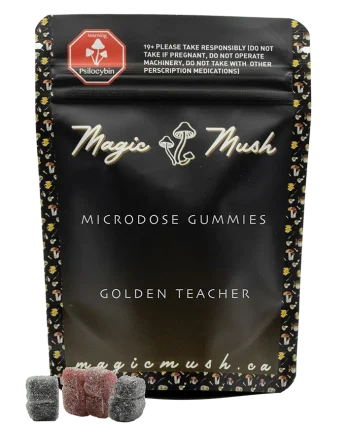
Price range: $60.00 through $240.00Golden Teacher Gummies for Microdosing
$25.00


Reasons Parents Turn to Psychedelics
Stress and Anxiety Reduction
The pressures of modern parenting are immense. Parents are expected to juggle work, household responsibilities, and social obligations, all while providing the best for their children. It’s no wonder that stress and anxiety are common among parents. Some have turned to psychedelics in an attempt to manage these overwhelming emotions. Psilocybin, LSD, and even cannabis have been reported by parents as tools to help them decompress, manage stress, and approach their daily responsibilities with a clearer mind. Psychedelics can provide a sense of calm, reducing the mental clutter that often clouds the mind, making it easier to focus on what truly matters.
Enhanced Emotional Connection
One of the unexpected benefits that parents report from psychedelic use is a heightened sense of emotional well-being. Parents who microdose or use psychedelics in a controlled setting often find themselves more in tune with their children’s emotional needs. This heightened awareness fosters a deeper bond, allowing parents to be more present and emotionally available. Some parents even report experiencing a shift in their own emotional intelligence, improving their ability to manage difficult situations with patience and understanding.
Personal Growth
Psychedelics have the potential to catalyze profound personal growth. Many parents who use psychedelics report gaining insights into their own lives, helping them address unresolved emotional issues or negative thought patterns that might be affecting their relationships with their children. This process of self-reflection and personal growth can be transformative, leading to a deeper understanding of themselves as individuals and as parents. The introspective nature of psychedelics can help break old cycles and improve the emotional well-being of parents, making them more resilient and emotionally stable in the long run.
READ: Practical Ways to Escape Overwhelm and Reconnect with Your Life as a Mom

Risks and Considerations
Legal Implications
One of the most significant risks for parents using psychedelics is the legal status of these substances. In many places, psychedelics remain illegal, and parents who choose to use them may be putting themselves at risk of legal consequences. This could have serious implications for their families, potentially affecting custody arrangements or employment opportunities. It’s essential to consider the legal ramifications before deciding to use psychedelics, particularly if there is any possibility that children may be involved in legal or social services matters.
Mental Health Risks
While psychedelics are generally regarded as safe when used responsibly, they do carry risks—especially when not used under the proper guidance or supervision. There is the potential for adverse reactions, including anxiety, paranoia, or the exacerbation of underlying mental health conditions. Parents who are already struggling with mental health issues should approach psychedelics with caution, as these substances can trigger or amplify emotional distress if not used in the right setting or dosage.
Lack of Regulation
The unregulated nature of psychedelics means that there is no guarantee regarding their purity, dosage, or consistency. Parents who choose to use psychedelics should be mindful of where they source their substances. Without regulation, the quality and safety of psychedelics can vary significantly, increasing the risk of unexpected effects. This lack of regulation makes it all the more important for parents to do their research and approach psychedelic use with caution.
READ: The Secret to Successful Microdosing: Why Taking Breaks Matters

Take the Leap with Magic Mush: Explore the Benefits of Psychedelics for Parents
As we’ve seen throughout this article, the number of parents turning to psychedelics, particularly microdosing, is on the rise. These substances, which have long been associated with countercultures and recreational use, are now becoming a tool for personal growth, emotional connection, and stress relief among parents. From the benefits of microdosing to the ways psychedelics are transforming the parenting experience, it’s clear that many are seeking alternative ways to cope with the demands of modern-day life. Whether it’s the reduction of anxiety, enhanced empathy, or deeper personal insights, more parents are finding that psychedelics offer potential advantages beyond the traditional realm of mental health treatments.
However, as with any trend, it’s important to approach it with caution. Legal issues, health risks, and the potential for unintended effects should not be overlooked. It’s essential that individuals who are considering incorporating psychedelics into their routine do so with proper education, regulation, and guidance. For parents, this means seeking out reliable sources of information and connecting with communities that prioritize safety and responsibility. While psychedelics may offer promising benefits, they must be approached thoughtfully to maximize their potential and minimize the risks.
At Magic Mush, we’re proud to be at the forefront of the movement to destigmatize magic mushrooms and their many benefits. As your trusted source for premium, high-quality dried magic mushrooms, we believe in the transformative potential of psychedelics and are committed to educating individuals on their responsible use. Whether you’re new to the world of psychedelics or a seasoned user, Magic Mush offers a supportive community and expert guidance to help you navigate this journey safely. Our products undergo rigorous testing to ensure purity and potency, and we are dedicated to fostering a safe environment for all users.
When you choose Magic Mush, you’re not just purchasing magic mushrooms – you’re gaining access to edibles like chocolate shrooms and shroom gummies. Our comprehensive educational resources empower you to make informed decisions about your health and well-being. With seamless online shopping, discreet delivery in Calgary and Montreal, and exceptional customer support, we make it easy for you to explore the wonders of magic mushrooms. Join our growing community, and let us help you discover the benefits of psychedelics in your own life. Experience the difference with Magic Mush – your trusted partner in exploring the potential of psychedelics for a healthier, more connected you.