The dried mushroom cap felt brittle in my hand, like a fragile piece of autumn that had somehow carried its earthy magic through the winter. I remember staring at it before chewing, the way its texture crumbled against my teeth, the bitter taste clinging stubbornly to my tongue. Within an hour, my body began humming, my vision softened at the edges, and the world tilted open into something I hadn’t expected — vast, shimmering, and tender. The mushrooms felt alive, as if I had swallowed not just a chemical but the spirit of a forest, roots and all.
Months later, in a white-walled clinic, the scene couldn’t have been more different. A nurse handed me a small, clear capsule filled with a powder that looked no more special than a vitamin. I sat in a reclining chair, a blanket over me, headphones playing soothing ambient music. When the synthetic psilocybin began to work, the journey was just as immersive, but it felt smoother, cleaner, almost clinical in its unfolding. Instead of tasting earth, I tasted nothing. Instead of feeling the presence of something wild, I felt like I was stepping into a carefully designed chamber of my own mind.
Both experiences promised psilocybin. Both opened doors I didn’t know I had. Yet the journeys could not have felt more different. And that difference — the contrast between natural and synthetic psilocybin — has stayed with me ever since. It isn’t about which one is “better.” It’s about what they each carry, culturally, emotionally, and personally, and why that difference matters more than we often realize.
🍄 Explore the difference between full-spectrum and synthetic mushroom medicine and find out if whole mushrooms really deliver a stronger, more effective experience
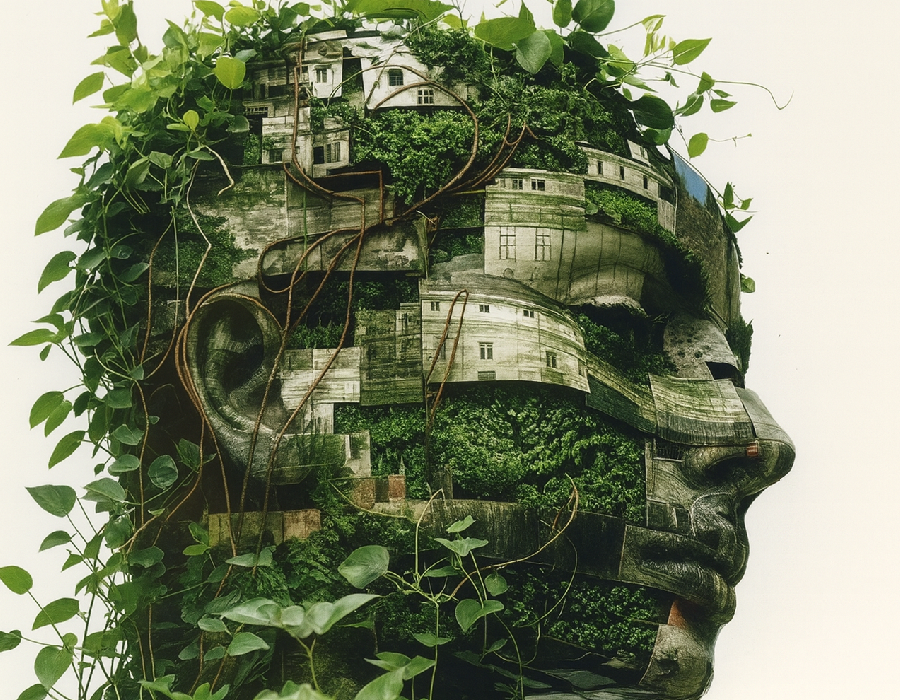
How I First Stepped Into the World of Psilocybin (And Why It Was Mushrooms That Found Me First)
Like many people, my introduction to psilocybin came through the natural route. A friend handed me a small bag of dried mushrooms, their stems twisting like little question marks, their caps faded but still holding a hint of golden brown. It wasn’t in a clinical setting or under the supervision of researchers; it was in the living room of a trusted friend, incense burning faintly in the corner, a playlist queued up that shifted between folk songs and expansive electronic beats.
I remember feeling both nervous and excited. Nervous, because everything I had heard about psychedelics carried that whisper of unpredictability — that you never knew if the night would turn blissful or challenging. Excited, because there was something undeniably alluring about stepping into a state of consciousness that promised connection, creativity, and maybe even healing. I wasn’t looking for a “cure” or a miracle, but I was craving insight, a new perspective.
The mushrooms did not disappoint. The walls breathed, the carpet patterns rearranged themselves like living mandalas, and yet what struck me most wasn’t the visuals. It was the way my heart softened. My mind, usually racing with judgment and control, seemed to exhale. I felt connected to my friends in a way that words didn’t need to explain. I felt connected to the trees outside, even though we hadn’t left the room. And when I closed my eyes, I saw landscapes that felt ancient and familiar, as if I had briefly tuned into the memory of the earth itself.
That first journey shaped how I thought about psilocybin. It wasn’t just chemistry — it was communion. It wasn’t just a trip — it was a conversation with something larger than myself. That’s why, when I later stepped into a lab to experience synthetic psilocybin, I was surprised at how different the energy felt.
The Day I Took the Capsule: How Synthetic Psilocybin Changed the Shape of the Journey
Walking into the clinic for my first synthetic psilocybin session felt more like preparing for a medical procedure than a psychedelic experience. The room was minimal: white walls, clean floors, a reclining chair, and a small table where the capsule sat waiting. The facilitators weren’t friends with incense but trained professionals with clipboards and soft voices. I swallowed the pill with water, noticing how ordinary it felt — no bitter taste, no ritual, no sense of nature in my mouth.
When the psilocybin began to work, I was surprised by its character. The journey unfolded with precision, almost like a straight line rather than the winding, unpredictable trail I had experienced with mushrooms. My body felt lighter, less earthy. The visuals were still there, intricate and dazzling, but they had a polished quality, like stained glass instead of wild vines. Emotionally, the capsule led me inward, deeply and smoothly, like a guided meditation with no detours.
What struck me most was the absence of “personality.” Mushrooms, in my experience, feel alive. They have a mischievous, wise, sometimes challenging spirit, as if they’re teachers with a sense of humor. The synthetic version felt more neutral, like pure information without the storyteller. Neither was better, but they were undeniably different.
Afterward, I noticed the integration felt different too. With mushrooms, I often carried a sense of nature’s voice echoing in me — an urge to walk barefoot outside, to appreciate trees more, to live more slowly. With the capsule, I carried clarity and focus, a precision of thought that felt almost engineered. Both had value. Both left me changed. But they left me changed in different ways.
🍄 Learn the key factors to consider when choosing psilocybin microdosing capsules, from dosage and potency to quality and personal goals
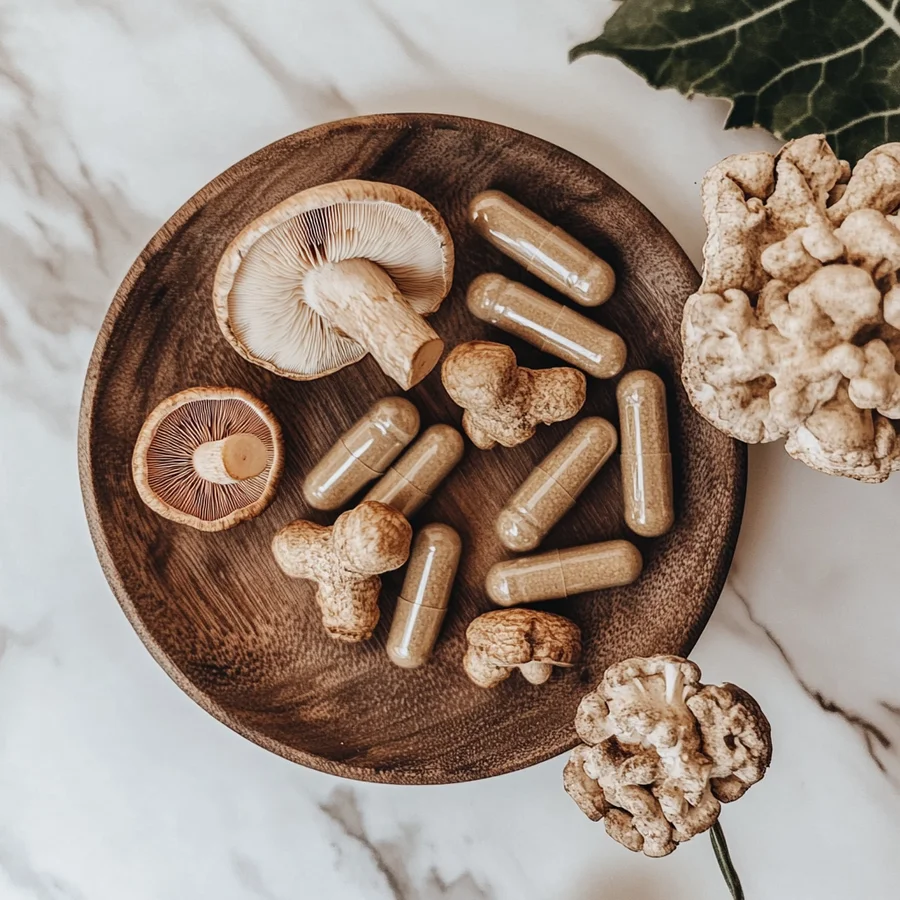
The Subtle Contrasts That Stayed With Me Long After Both Journeys
As I began comparing the two, I realized the contrasts weren’t just in the moment — they lingered in memory, in after-effects, and in how I related to each experience. With mushrooms, the taste itself was part of the initiation. That bitterness told my body: something powerful is coming. The onset was unpredictable, sometimes gentle, sometimes overwhelming, like a tide that couldn’t be controlled. The journey itself felt textured, sometimes chaotic, often playful, always earthy.
Synthetic psilocybin was the opposite in many ways. Swallowing a capsule was clean and efficient, almost too simple. The onset was steady, almost mathematical, as if my body knew exactly what was coming. The journey carried no trace of nature but felt like walking through a meticulously constructed gallery of the mind. Integration afterward felt crisp, cerebral, and clean.
Even on a microdosing level, the difference was noticeable. Natural mushrooms gave me subtle shifts that felt warm and organic, like carrying a little ember of nature through my day. Synthetic microdosing felt sharper, more precise, like flipping a switch that brightened my mental focus without the earthy undertones. Both worked. Both helped. But the character of each was undeniably distinct.
What I came to understand is that part of the difference was chemistry, but a bigger part was culture and context. Mushrooms carry stories — of indigenous traditions, of ceremonies, of forests and fungi. Capsules carry a different story — of clinical trials, scientific breakthroughs, and the promise of making psychedelics accessible in a modern medical framework. Neither story cancels the other out. But together, they paint a fuller picture of what psilocybin really is: both ancient and modern, both wild and precise.
Check out this magic mushroom!!

A.P.E Psilocybin Chocolate Bar
$60.00Dried Penis Envy Magic Mushrooms
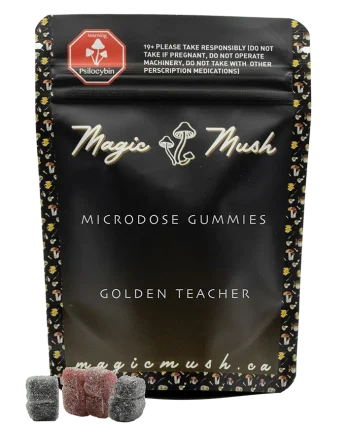
Price range: $60.00 through $240.00Golden Teacher Gummies for Microdosing
$25.00


Why The Difference Between Natural And Synthetic Psilocybin Actually Matters More Than You’d Think
This difference matters because it isn’t just about the molecule — it’s about the meaning we bring to it. Natural psilocybin connects us to the lineage of those who have used mushrooms for centuries, to the indigenous traditions that treated them as medicine, sacrament, and teacher. Synthetic psilocybin connects us to modern science, to clinical trials that make this compound accessible for depression, anxiety, and addiction treatment in ways that fit into today’s healthcare systems.
On a practical level, synthetic psilocybin offers consistency. A microdose capsule is dosed precisely, making it easier to track and study. Mushrooms, on the other hand, vary in potency and require trust in the source. But mushrooms carry the wholeness of the organism — not just psilocybin, but other alkaloids and compounds that may shape the experience in ways science is only beginning to explore. Ethically, both raise questions: sustainability of wild harvesting for mushrooms, big pharma control and accessibility for synthetics. Both invite us to think about how we honor origins while embracing innovation.
In short, it matters because the choice between mushroom and capsule isn’t just a personal preference. It’s a reflection of how we relate to psychedelics as a culture — as something rooted in nature, and as something refined in the lab.
Bringing It All Together: A Mushroom In The Forest And A Capsule On A Tray
When I think back now, I see the two images side by side: a fragile mushroom cap resting in my hand, and a polished capsule waiting on a sterile tray. Both carried psilocybin. Both carried me into myself. Both changed me in ways I still carry.
I don’t think I could choose one over the other, because they each bring something different to the table. Mushrooms remind me of my connection to the earth, to something older than I can comprehend. Capsules remind me of our human ability to learn, to refine, to make tools for healing that can reach more people. Together, they remind me that psilocybin is not just a substance — it’s a bridge between worlds, natural and synthetic, ancient and modern.
And maybe that’s the real lesson: it isn’t about which one is “better.” It’s about remembering that both are doors, and the mindset you bring when you walk through them matters most of all.
🍄 Explore the intense journey of A.P.E. capsules and discover how to embrace a full-spectrum psychedelic experience when “micro” isn’t the goal
Take the Next Step Toward Healing with Magic Mush Canada
When you look back at everything we’ve covered, it’s clear that the story of magic mushrooms is more than just about tripping or chasing novelty—it’s about healing, self-discovery, and opening doors that traditional methods sometimes keep locked. From history to science, from therapy to personal growth, mushrooms have proven themselves to be much more than what stereotypes suggest. They’re tools for transformation, and with the right knowledge and respect, they can help you step into a healthier, more balanced version of yourself.
We’ve also seen how education and safe exploration play a massive role in all of this. Whether it’s understanding how psilocybin works in the brain, learning from the stories of others, or respecting the set and setting, it’s not just about the mushrooms—it’s about creating an environment where growth, healing, and genuine change can actually happen. And that’s exactly where having the right support makes all the difference.
This is where Magic Mush Canada comes in. If you’ve ever thought about diving deeper into this world, but didn’t know where to start, they’ve got your back. Think of them like the trusted friend who’s been there before, knows the ropes, and just wants to make sure you’re safe, informed, and set up for the best possible experience. They’re not about pushing you into something you’re not ready for—they’re about making sure, when you are ready, you’ve got the right tools and the right mindset to make it meaningful.
What I really like about Magic Mush Canada is that they don’t just stop at selling products. They’re all about building community, breaking down stigma, and helping people see mushrooms for what they really are: a chance to heal, learn, and grow. Their products are top-quality and tested, sure, but it’s the heart behind it—the education, the openness, the support—that makes them stand out.
If you’re even a little bit curious about exploring the world of magic mushrooms, Magic Mush Canada is the place to start. They make the process simple, private, and worry-free, while giving you the peace of mind that what you’re getting is the real deal. Plus, their team is always around to answer questions, offer guidance, or just point you in the right direction. It feels less like a company, and more like a friend who genuinely wants you to have the best possible journey.
So, when you’re ready to take the next step—whether that’s learning more, joining a community of like-minded explorers, or starting your own mushroom journey—Magic Mush Canada is right there waiting. Trust me, if you want to explore safely, confidently, and with a little extra support along the way, there’s no better buddy to have by your side.